Sort by
Filters

4 colors available

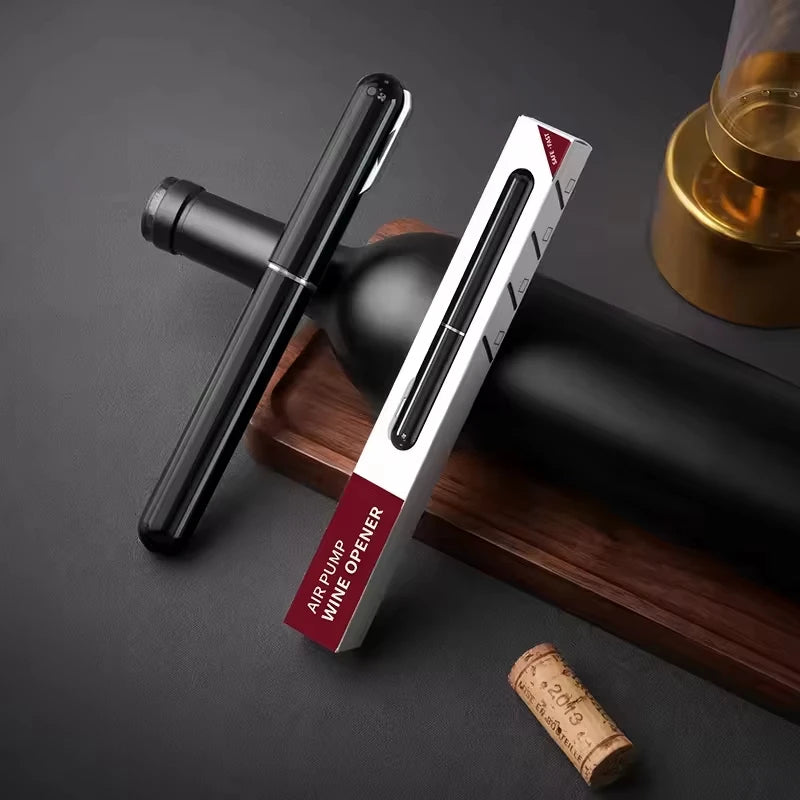

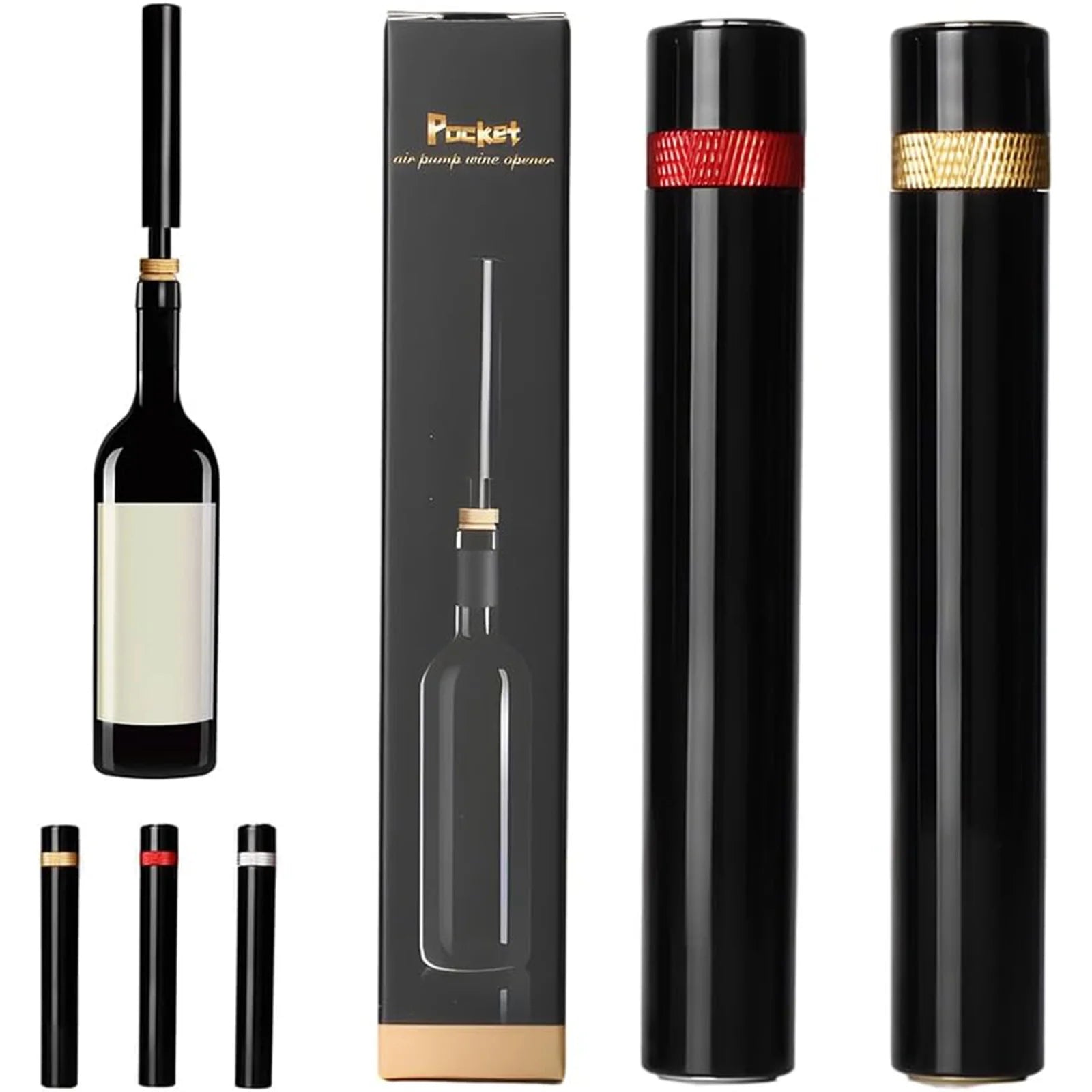

Air corkscrew
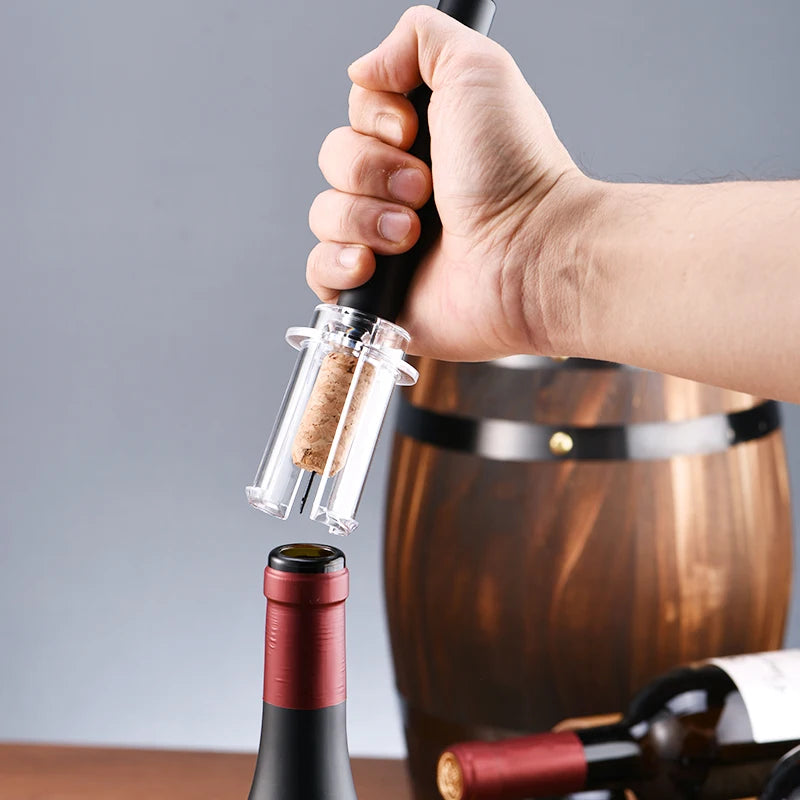
The compressed air corkscrew removes the cork from your wine bottle in seconds. A hollow steel needle pierces the cork, then a hand pump injects air between the wine and the cork. The pressure pushes the cork up the neck of the bottle. A few pumps are all it takes. It's much easier to use than a double-bladed corkscrew , which requires more force.
At Limonadier , we tested each model on corks of all ages, from new cork to a 20-year-old cork from an old Bordeaux.
All our air corkscrews are in stock and shipped within 48 hours.
How does an air corkscrew work?
An air corkscrew (also called a pneumatic or air-pressure corkscrew) works in the opposite way to a traditional model. A screw, lever, or electric corkscrew grips the cork with a worm to pull it out. The air corkscrew, on the other hand, ejects it from the bottom.
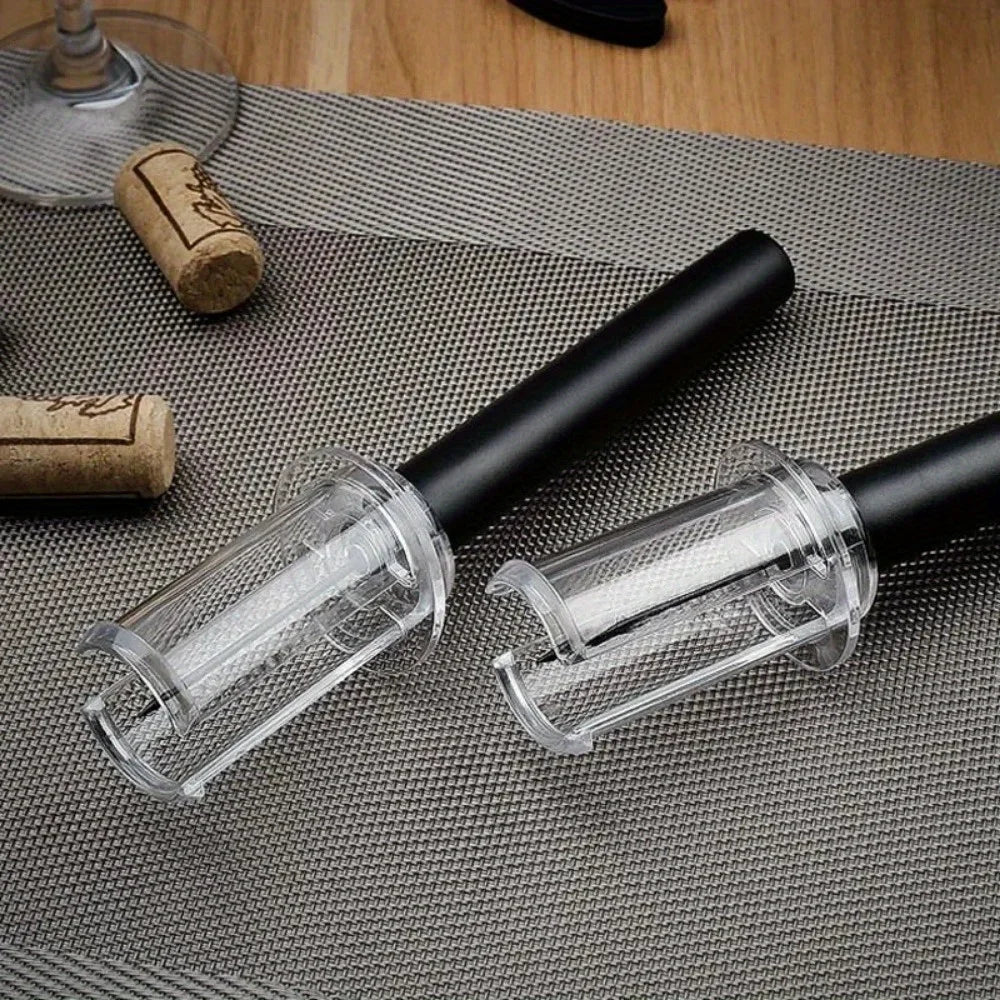
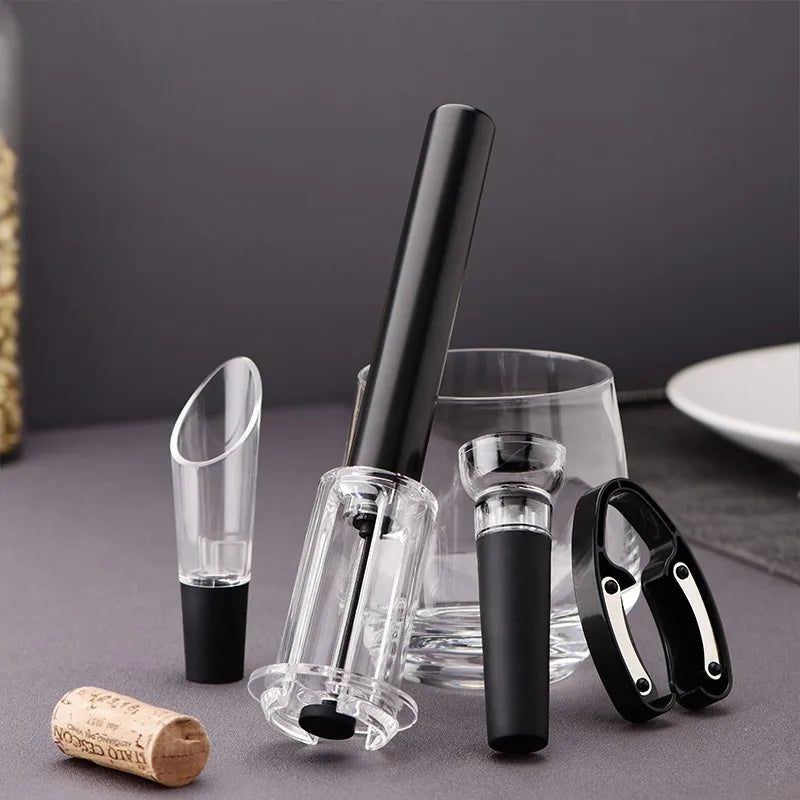
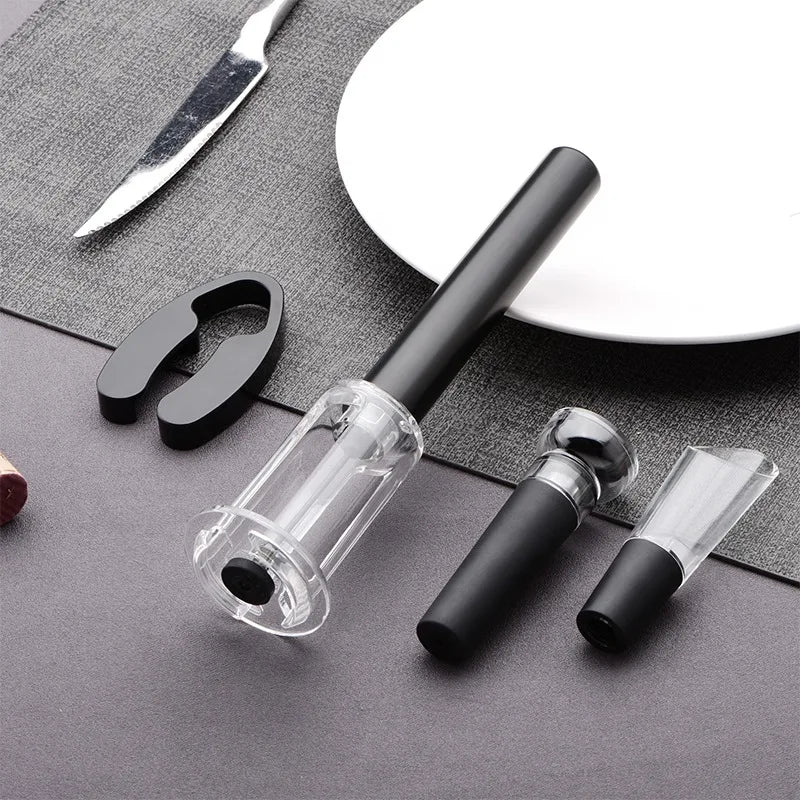
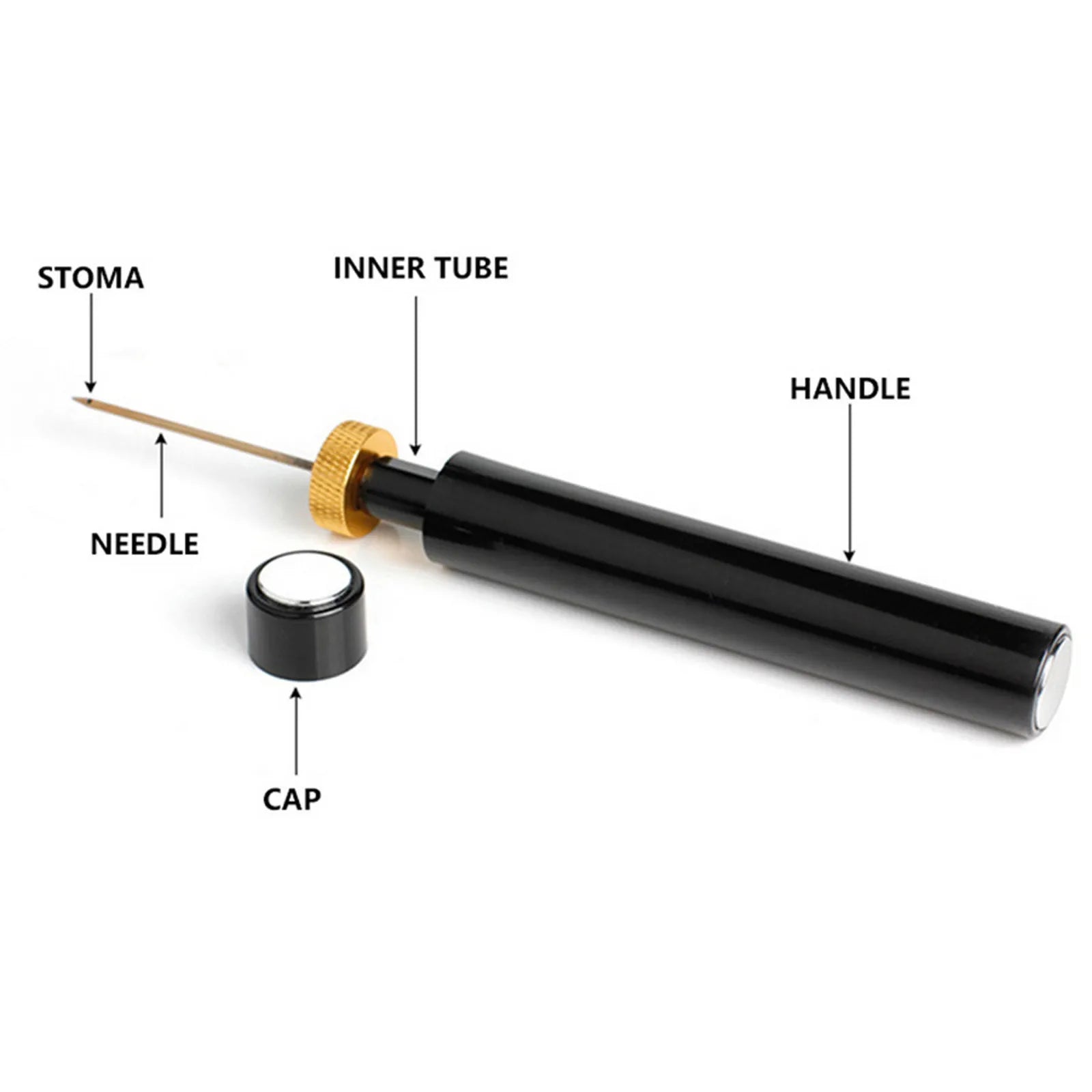
The tool consists of a hollow stainless steel needle, a handle with an integrated air pump, and a plastic guide that rests on the neck of the bottle to stabilize the assembly.
How it works in practice
You insert the needle into the center of the cork. It must pass completely through. Once in place, you pump the handle up and down, like a bicycle pump. Air enters the bottle through the hollow channel of the needle. Trapped between the wine and the sides, it rises and pushes the cork towards the opening. After 3 to 5 pumps, the cork slides out of the neck.
Some models operate with a CO2 gas cartridge instead of a manual pump. Extraction is even faster, but refills must be purchased.
Why choose an air-powered corkscrew rather than a classic model?
The pocket-sized sommelier's corkscrew (also known as a " waiter's corkscrew ") remains the standard in restaurants. The lever corkscrew offers a good mechanical compromise. The electric model automates the action. The air corkscrew, however, has a unique feature that the others don't: it doesn't pierce the cork.
With a wooden corkscrew , if the cork is old, dry, or crumbly, pieces will fall into the wine. We've all experienced that. With a needle corkscrew, the hole is tiny and the cork comes out intact. Connoisseurs of old wines who collect their corks appreciate this difference.
The air-powered corkscrew also requires minimal physical strength. A traditional corkscrew demands a firm grip, especially with stubborn corks. The air-powered model requires only a few light movements of the handle. It is suitable for people with joint problems.
How to properly use an air corkscrew?
Technique matters. Here's how to do it.
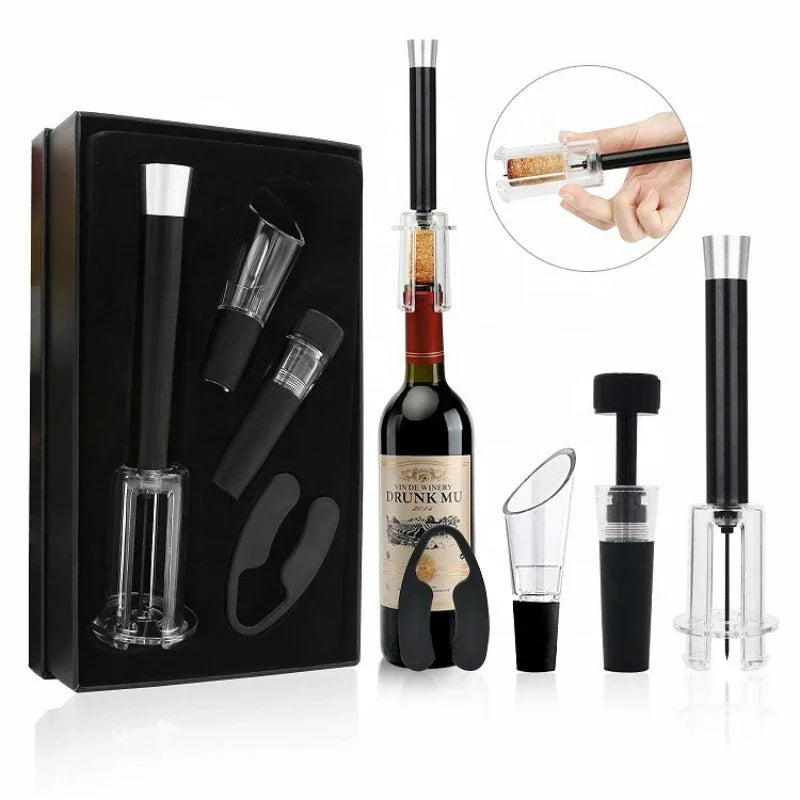
Before opening: remove the capsule covering the neck of the bottle using the capsule cutter provided in the box (most models include one). Check that the top of the cap is clean.
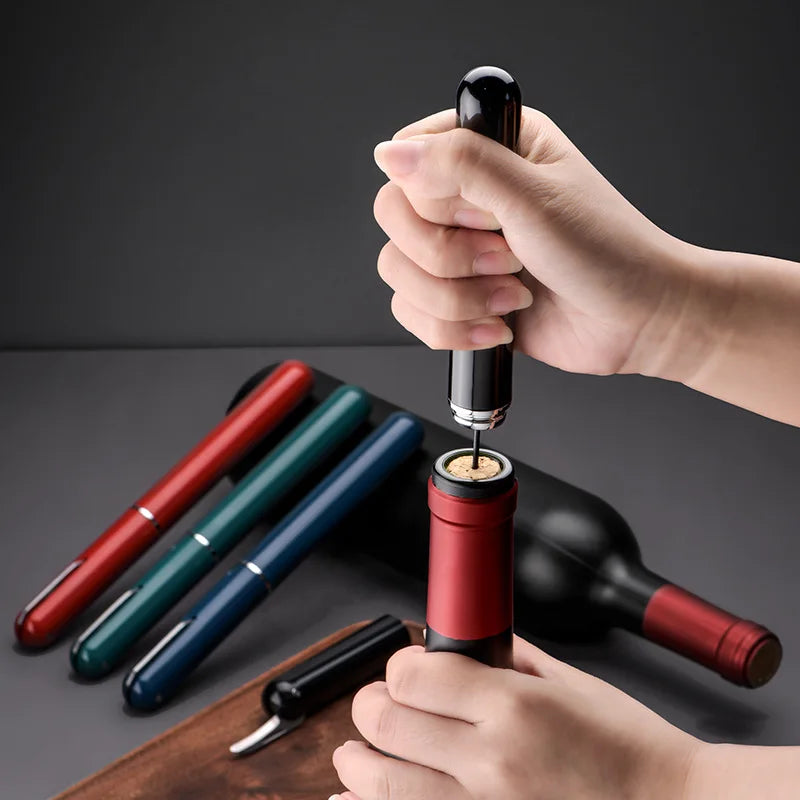
During opening: Insert the needle directly into the center of the cap. If it's inserted at an angle, air will escape to the sides. Gently push until the tip protrudes from the other side. Place the plastic guide over the neck of the bottle. Pump.
Two common mistakes. First, don't push the corkscrew down while pumping. Do the opposite: let it rise with the cork, guiding the movement. If you block the handle against the neck of the bottle, the cork won't come out. Second, don't pump too hard. Four to seven strokes are enough. Too much pressure will violently eject the cork.
For older corks: on a cork over 15 years old, the cork is often porous. Air escapes faster than it can accumulate. Pump more quickly to maintain pressure. And if the cork is really damaged, use a double-bladed corkscrew (also called an "ah-so").
Which bottles can be used with an air corkscrew?
The air corkscrew works on all bottles of still wine with natural cork stoppers: red, white, rosé. The shape of the bottle (Bordeaux, Burgundy, Alsace) doesn't matter as long as the neck is standard.
Two exceptions.
Champagne and sparkling wines are incompatible. The bottle is already pressurized. Adding air would be dangerous. For sparkling wines, use champagne tongs or a dedicated bottle opener.
Synthetic corks also present a problem. Some air-operated corkscrews don't penetrate them well, and the seal isn't always sufficient to create the necessary pressure. A lever-operated corkscrew or a traditional corkscrew will work better with a synthetic cork.
What criteria should be used to choose an air corkscrew?
Not all air corkscrews are created equal. Here's what makes the difference in use.
The needle. Opt for stainless steel, which is long enough to pierce the thick corks of fine wines. Some inexpensive models use needles that are too thin and break after a few months.
The pump. Its quality determines the number of strokes required. A good model extracts the clog in 3-4 pumps. A low-end model requires 10 or more, and sometimes simply doesn't work.
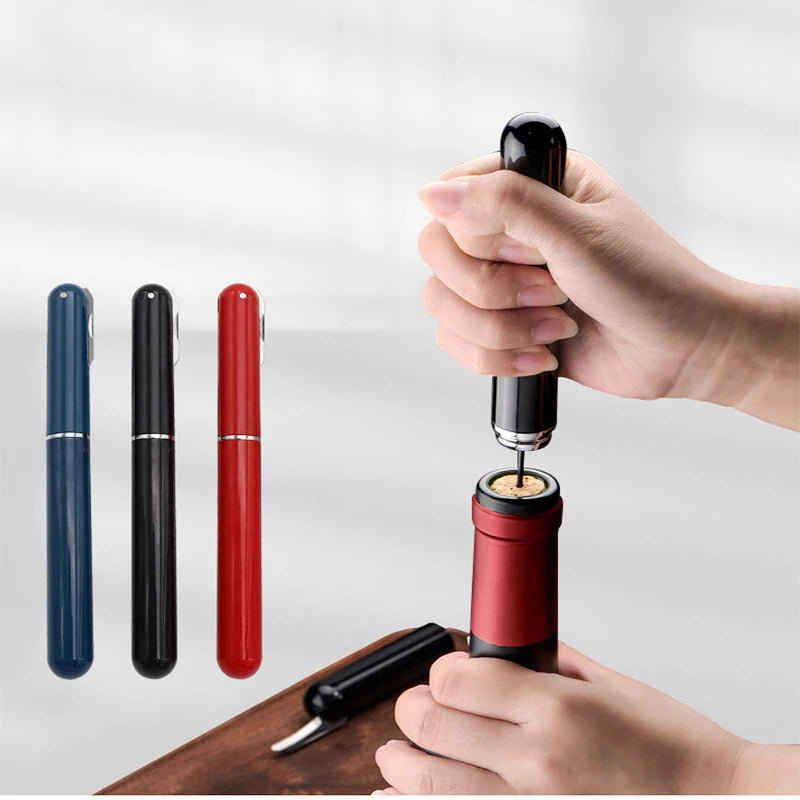
Materials. ABS plastic models are the most common and least expensive. Versions with steel or aluminum handles last longer. Some high-end models have a pen-like design, compact and easy to slip into a bag or kitchen drawer.
Maintenance of your air corkscrew
Minimal maintenance. After each use, wipe the needle with a damp cloth to remove any cork residue. Dry it before storing the tool. Moisture can damage the pump mechanism over time.
If your model uses gas cartridges, check your stock of refills. One cartridge can open 30 to 40 bottles, depending on the brand. Keep one on hand if you have guests often.
Store the corkscrew with the protective cap on the needle. This prevents unpleasant surprises in the drawer.
What are the best air corkscrews?
The market offers dozens of options, from €8 models to high-end gift sets costing over €40. Here are the brands and models that appear most frequently in customer reviews.
L'Atelier du Vin manufactures in France an air-operated corkscrew renowned for the quality of its needle and the reliability of its pump. A durable product with a simple design. A good choice for regular use in the kitchen or wine cellar.
The Corky (Swiss-designed, sold for between €35 and €40) is the most frequently mentioned model on specialist websites. It features a reinforced plastic construction, a smooth-running pump, and a sturdy needle. The only drawback noted by some customers is that the needle can break over time if you use excessive force on very hard corks.
The Elegear and Quntis models (available for between €10 and €15) offer good value for money for occasional use. Their aluminum design makes them convenient to carry. The finishing details are less refined than on the higher-end models, but they get the job done.
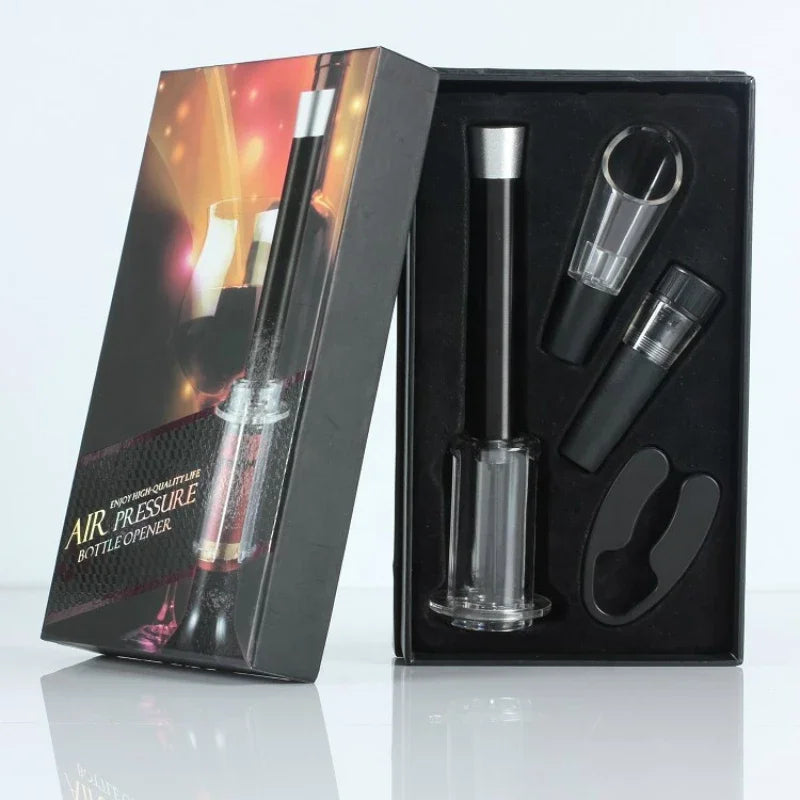
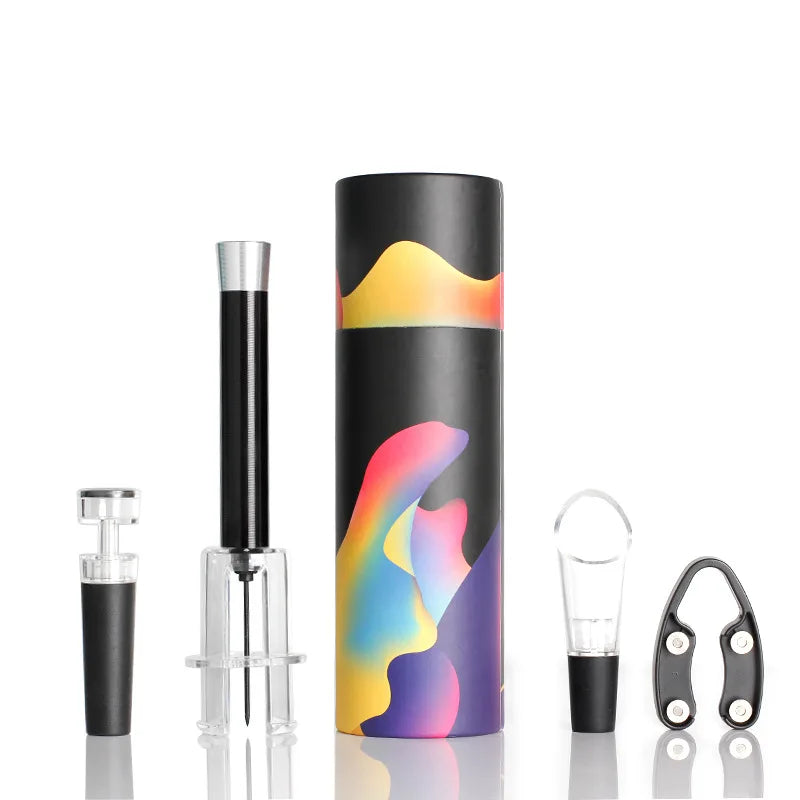
Some gift sets include an air corkscrew with a foil cutter, a wine stopper, and sometimes a wooden or steel pourer. A practical gift for wine lovers who enjoy entertaining.
Avoid no-name models under €5. They have bending needles, leaky pumps, and break after only a few uses. A reliable air corkscrew starts at around €10.
Air corkscrew vs. electric corkscrew
Both promise to open a bottle effortlessly. But the mechanism differs.
The electric corkscrew uses a rotating, battery-powered worm. It pierces the cork and pulls it out. Effective, but dependent on the battery charge. And like any worm-type corkscrew, it can crumble an old cork.
The air corkscrew needs neither batteries nor charging. It works everywhere: in the kitchen, on picnics, while camping. And it keeps the cork intact.
Frequently Asked Questions
Can an air-powered corkscrew break the bottle?
No. The pressure created by a few pumps is too low to damage the glass. Do not exceed 15 pumps on the same bottle.
Does an air corkscrew damage the wine?
The injected air comes into contact with the wine for a fraction of a second. For a bottle you'll drink within the hour, this has no effect. If you plan to reseal and store the bottle for several days, use a vacuum pump after opening.

Discover our news in preview
Newsletter
Subscribe to our newsletter and enjoy 10% off