Sort by
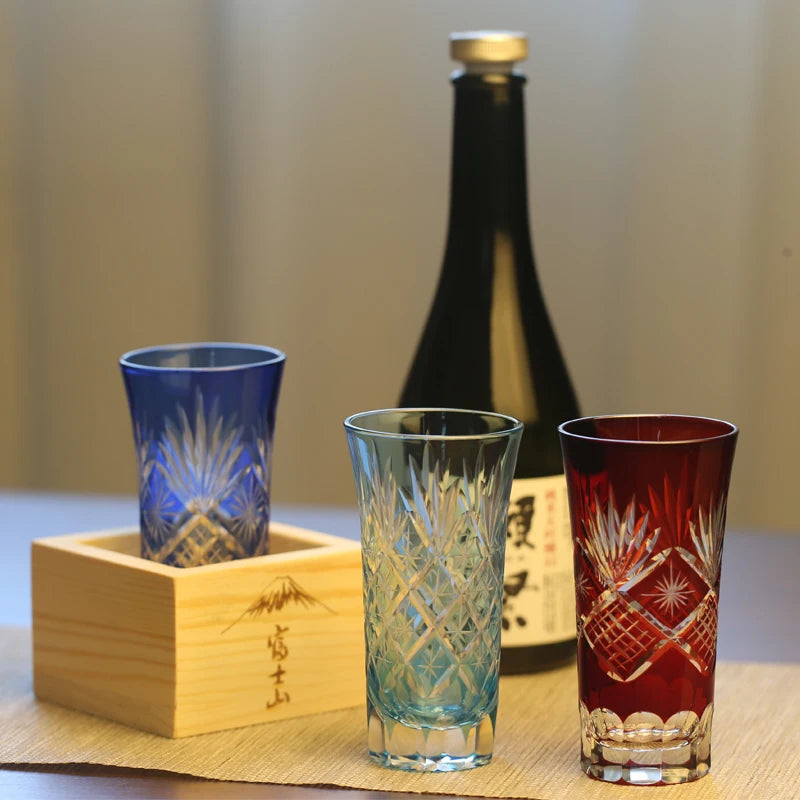
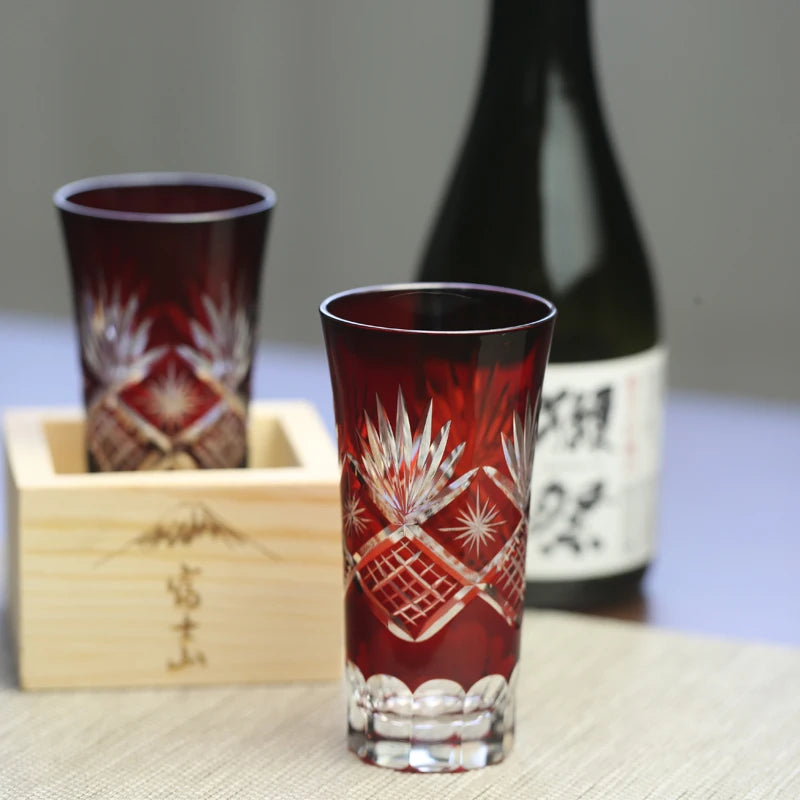
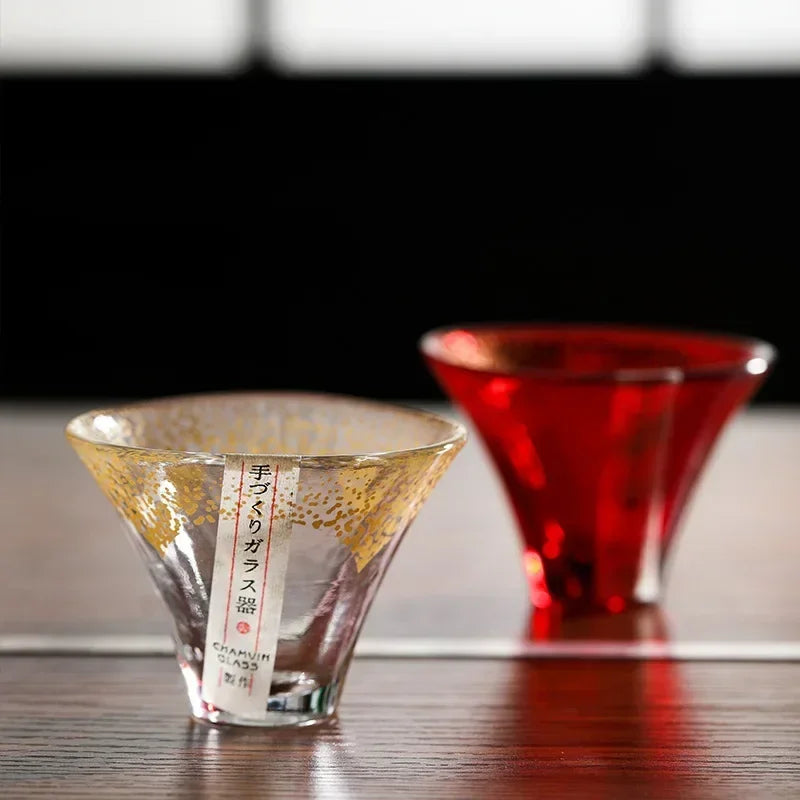
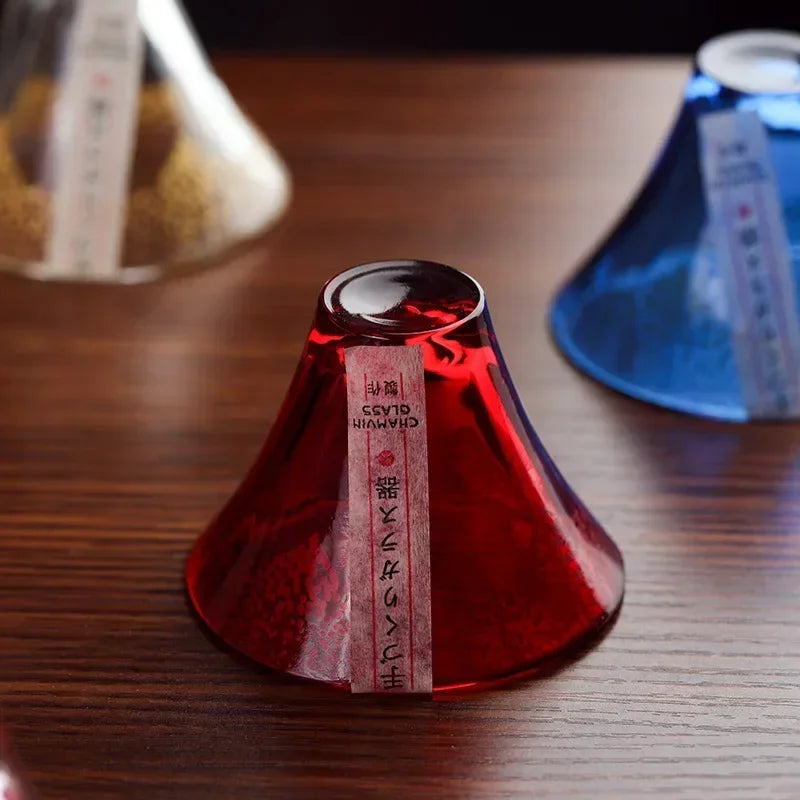


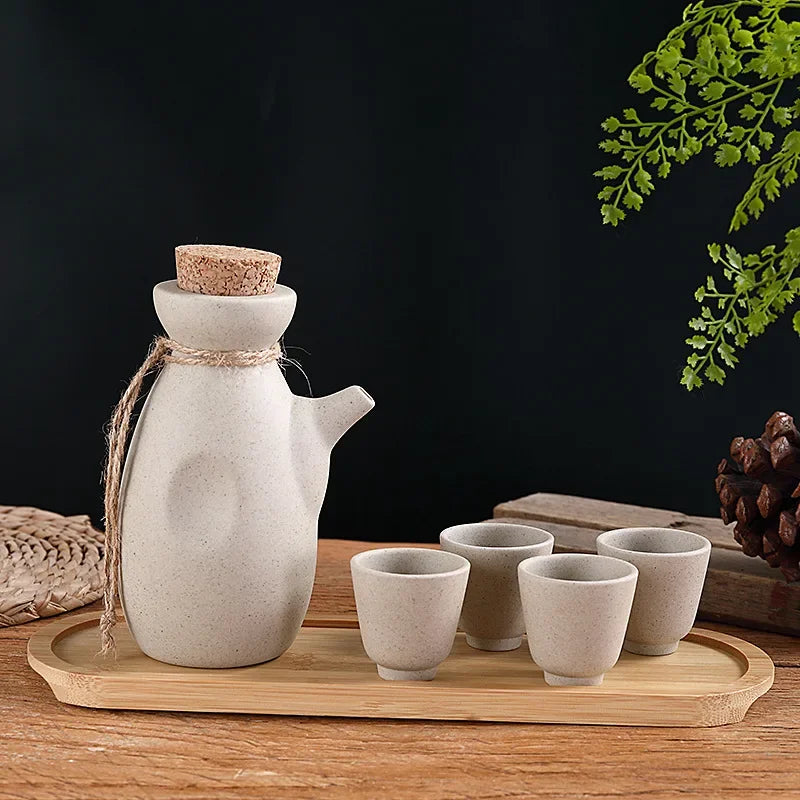
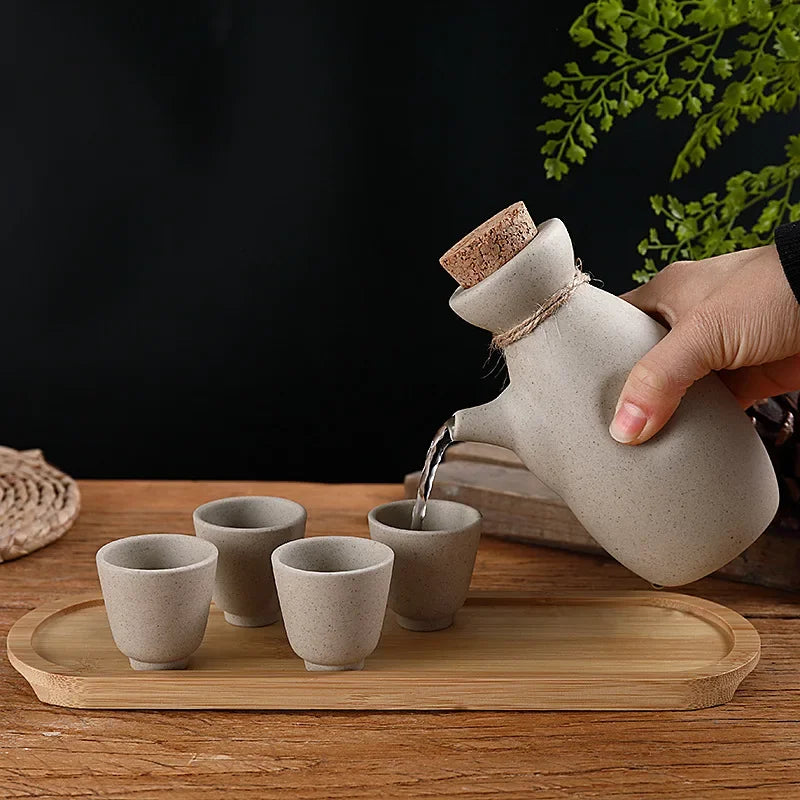
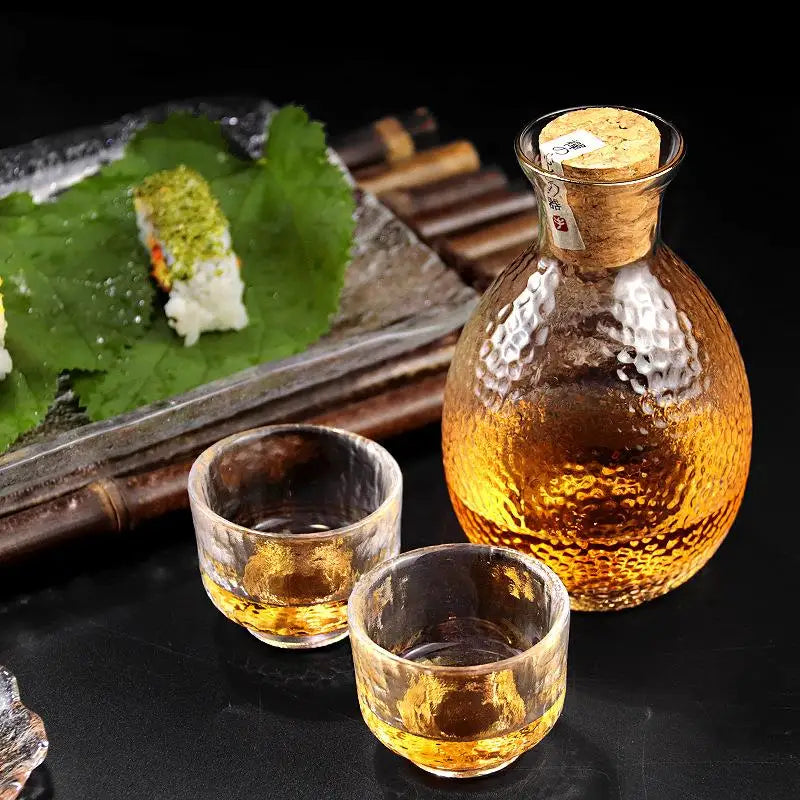
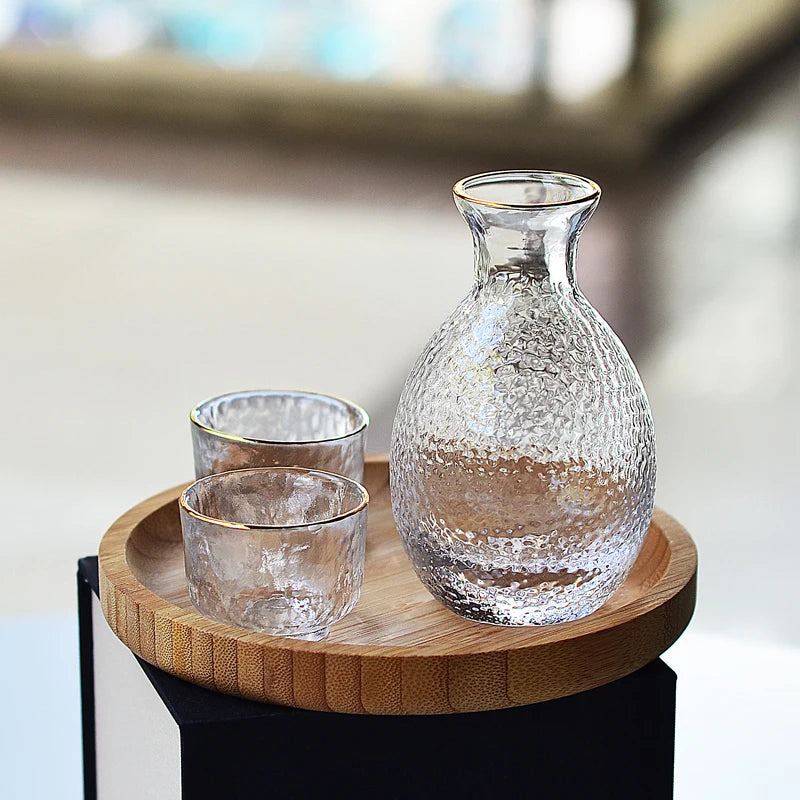

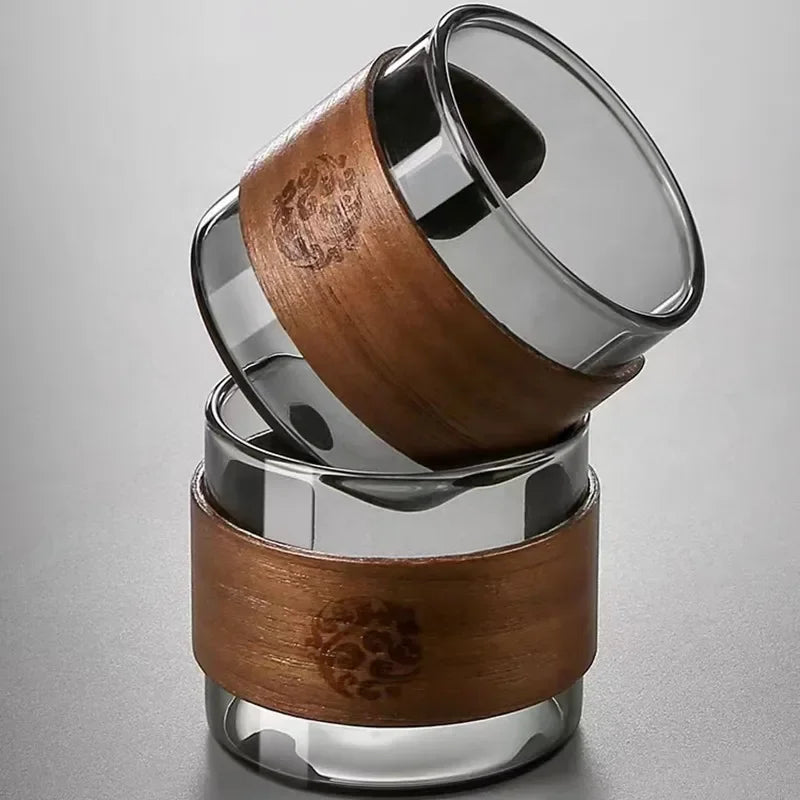
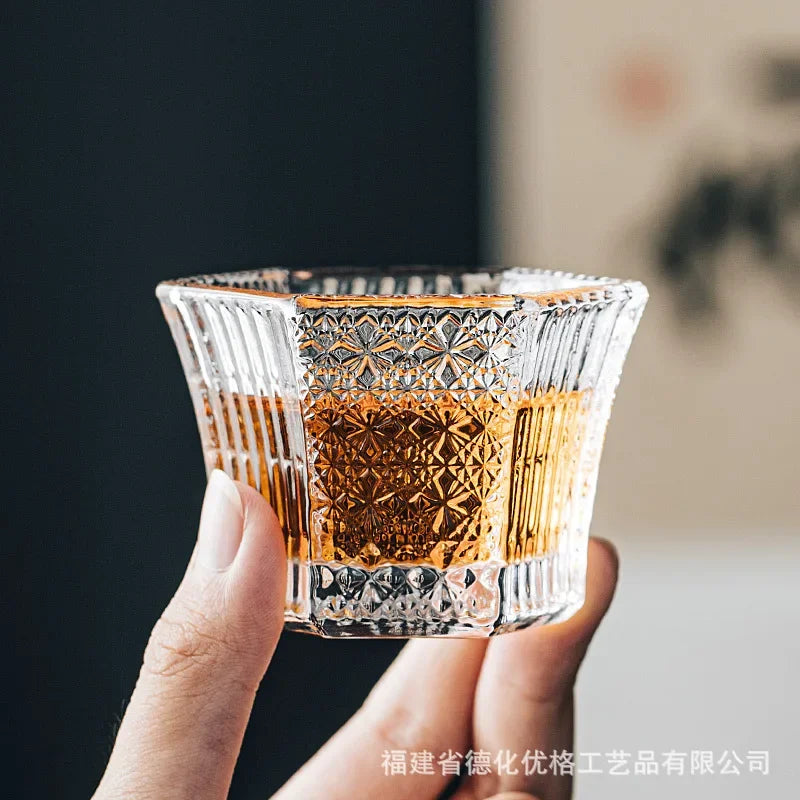

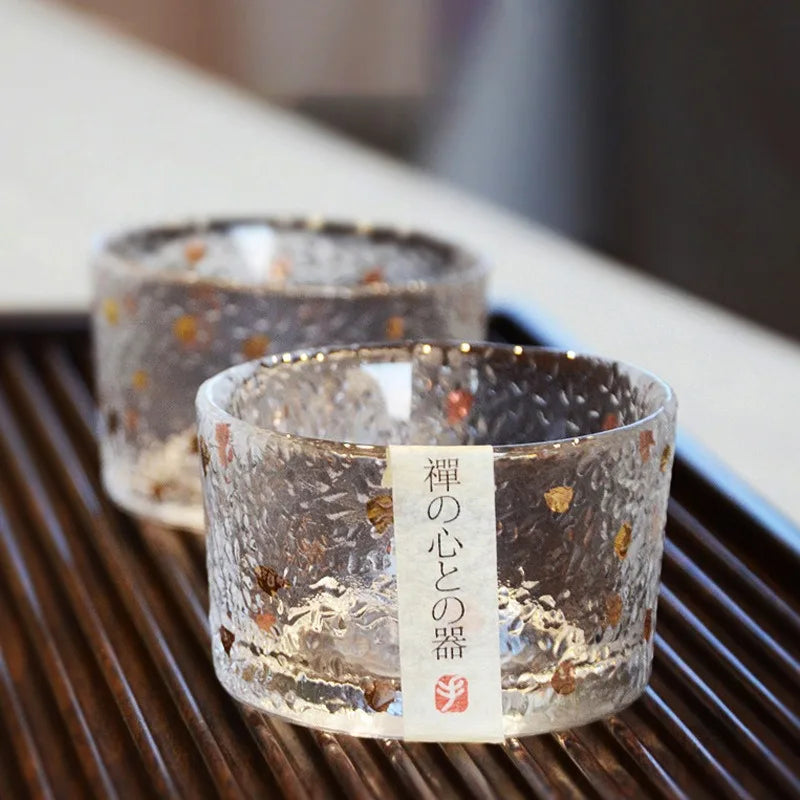

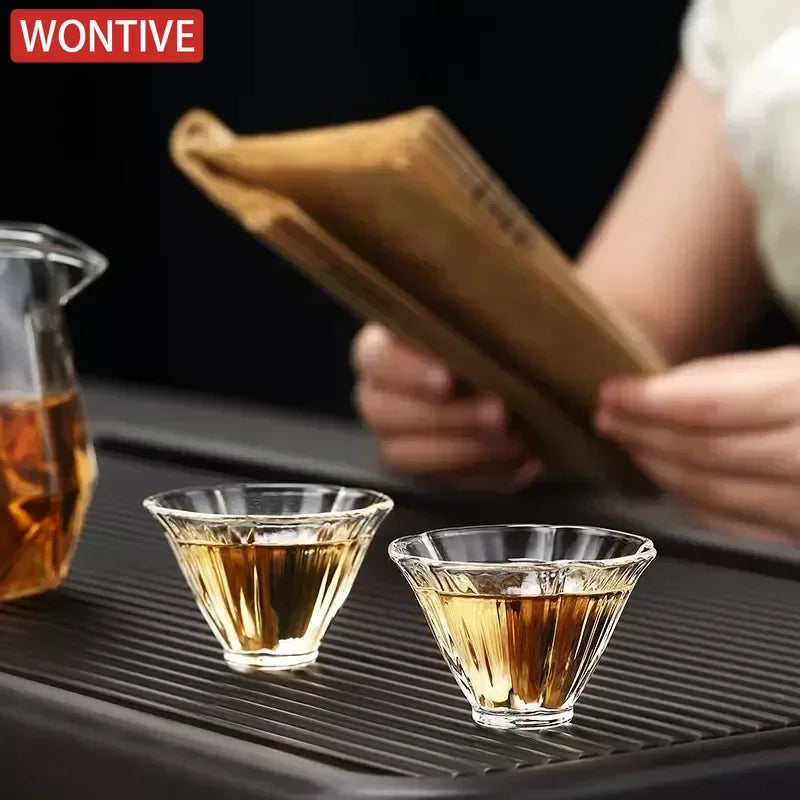

Sake glass
Choosing and buying the right Japanese sake glass
In Japan, the cup in which sake is served is part of the ritual. This rice wine is enjoyed from specific vessels, where shape, material, and size each have a particular significance. Limonadier helps you understand these codes so you can choose the one that best suits your needs and the occasion.
Why the choice of sake glass matters
Serving sake in the correct cup is an example of omotenashi , the Japanese art of anticipating the needs of the other person. An ochoko bizen cup demonstrates respect for craftsmanship. A modern guinomi cup highlights a fragrant daiginjo.
The shape of the neck either concentrates or disperses the aromas. A narrow neck channels the floral notes of a daiginjo. An open neck allows a full-bodied junmai to breathe. The material also plays a role: thick earthenware retains heat for 10 to 12 minutes, while thin walls keep the coffee cold.
And then there's the social aspect. A sakazuki at a formal meal shows respect for your guests. A wooden masu creates a festive atmosphere. You wouldn't serve whisky in a port glass . Sake is no different.
| Type of sake | Recommended container | For what | Ideal temperature |
|---|---|---|---|
| Aromatic Daiginjo | Guinomi tulip or wine glass | Narrow neck, concentrates the floral aromas | 5-10°C |
| Junmai structured | Ochoko sandstone | Thick walls, retains heat | 15-45°C |
| Balanced Honjozo | Ochoko pottery | Versatile, good thermal insulation | 35-45°C |
| Fresh Namazake | Guinomi fine glass | Thin walls, keeps the cold | 5-8°C |
| Ceremony, wedding | Sakazuki lacquered or porcelain | Flared shape, ritual tradition | 15-20°C (room temperature) |
What are the most popular sake glasses?
There are four main families of containers for Japanese sake. Each has its own codes, uses and place in the culture of tasting.
1. The Ochoko (お猪口): the everyday container
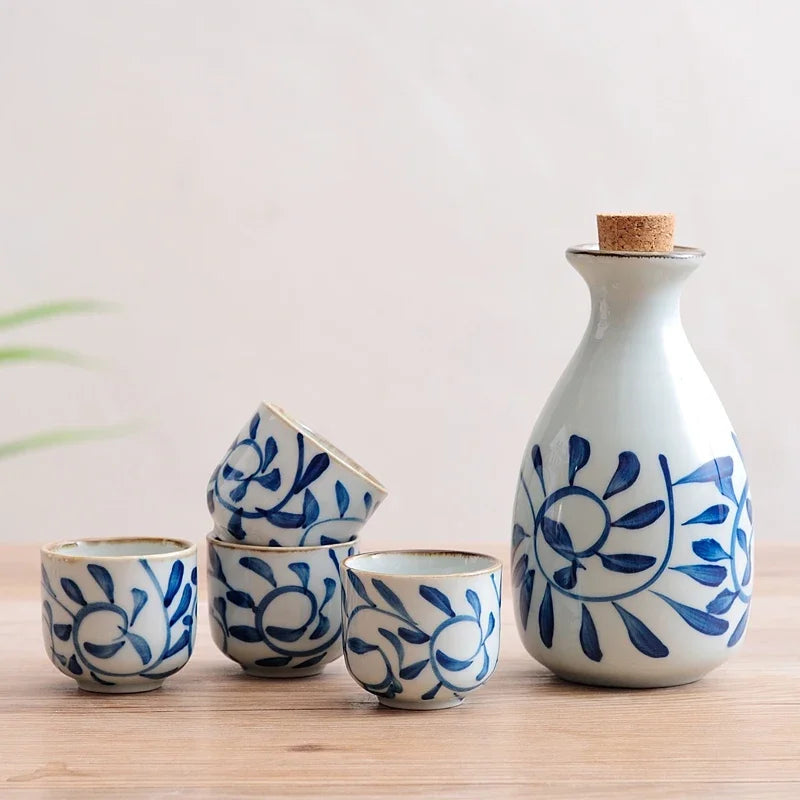
An ochoko is a small cylindrical container holding 30 to 50 ml, most often made of pottery or porcelain. It measures 5 to 7 cm in diameter and 3 to 5 cm in height. It can be found in the vast majority of Japanese homes, restaurants, and all izakayas (Japanese pubs) throughout the country.
Served hot between 40 and 50°C, the pottery retains heat much longer than a thin cup. The small size is part of the ritual: you refill your neighbor's cup as soon as it's empty, a sign of consideration and conviviality. This is the standard size for everyday meals and evenings in an izakaya.
Limonadier recommends it for beginners. Affordable price: €12 to €35 each.
Our Limonadier shop offers them in various shapes and designs. You can also find them on Amazon, but check the reviews: not all of them are made in Japan.
2. The Guinomi (ぐい呑み): the connoisseur's choice
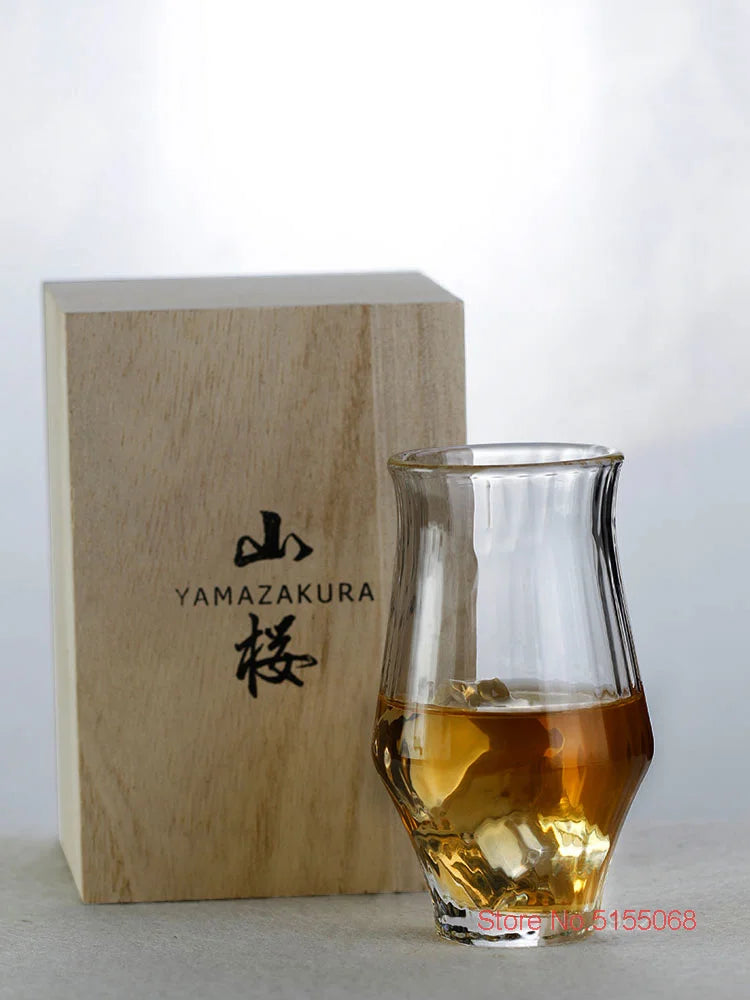
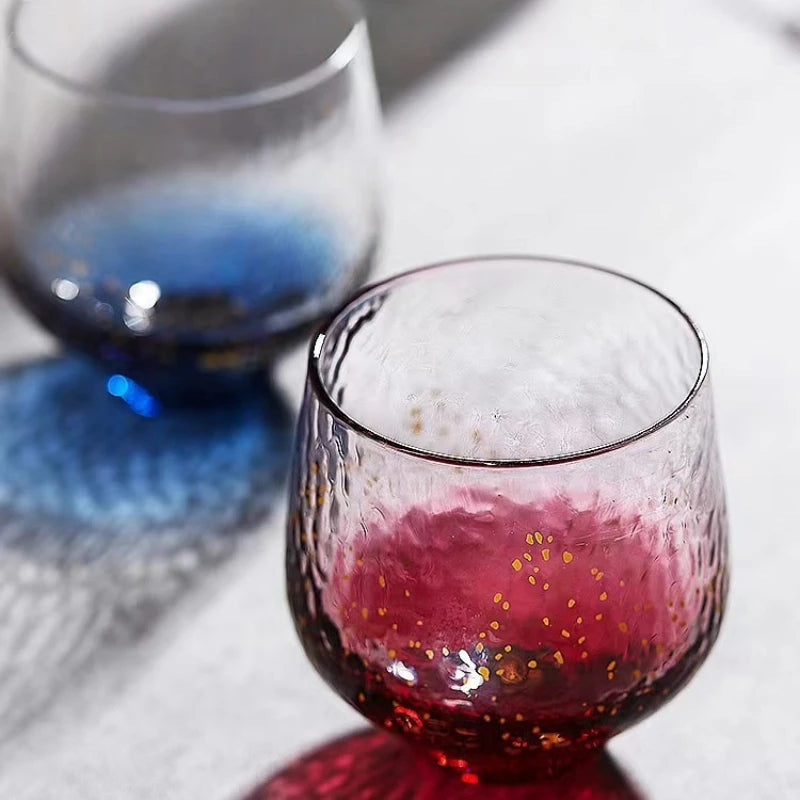
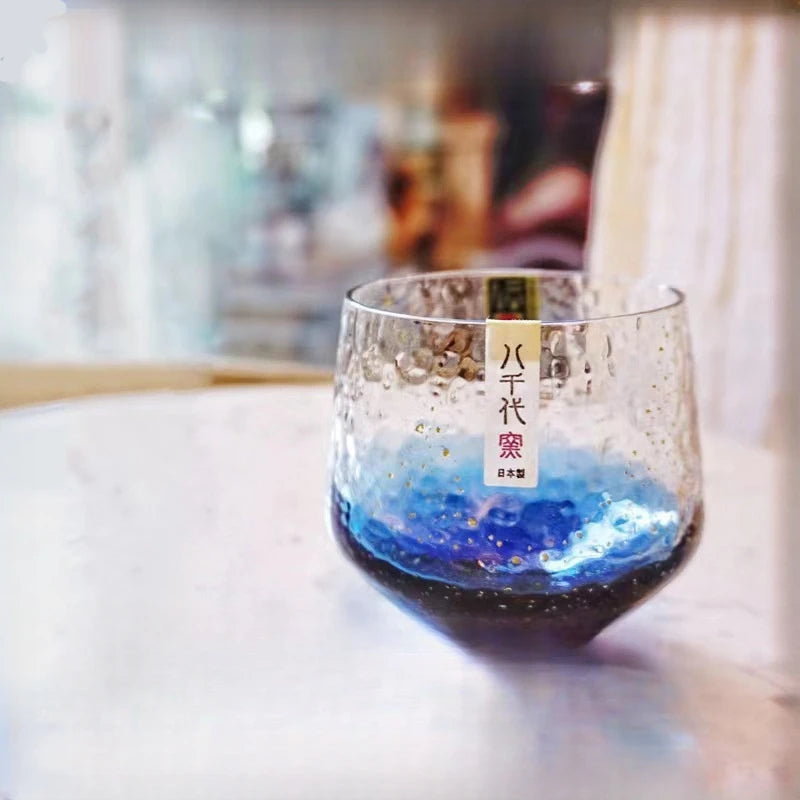
The guinomi is a larger cup, holding 90 to 180 ml. It comes in various shapes: cylindrical, it resembles a tulip glass . Its name comes from gui (to swallow) and nomi (to drink). Despite this etymology, it is more about savoring slowly.
This is the cup for premium chilled sake, served between 5 and 15°C. Its flared shape concentrates the fruity and floral aromas of ginjo and daiginjo. Observe its color, inhale its aroma, and take your time. Serving a beautiful, handcrafted cup at a dinner party demonstrates your appreciation for sake culture.
Its popularity has soared over the last decade. Its higher price (€28 to €85) makes it suitable only for premium sakes. It has become a favorite among enthusiasts who want to explore the nuances of each vintage.
For a handcrafted piece, the best option is a product designed by a Japanese ceramicist. Limonadier also offers a selection of these in its online shop.
3. The Sakazuki (盃): the ceremonial cup
The sakazuki is a shallow, flat, flared cup with a capacity of 30 to 90 ml. It is the oldest vessel in the sake tradition. It is used at weddings ( san-san-kudo , the triple exchange of cups between spouses), Shinto ceremonies, and formal meals.
Made of porcelain, ceramic, or red lacquer, it is often decorated with painted motifs. Its open shape doesn't retain aromas like a tulip-shaped guinomi. That's not its purpose. The sakazuki is meant for the gesture: you hold it with both hands, and you receive the sake poured with the other. The ritual takes precedence over sensory analysis.
Room temperature or slightly warm, between 15 and 25°C. Red lacquer models are reserved for special occasions. White porcelain models are suitable for everyday formal meals. Price: €15 to €60, more for pieces in traditional lacquer.
4. The Masu (升): the traditional wooden container
The masu is a square box made of hinoki (Japanese cypress) wood, with a capacity of 180 ml. Originally, it was a rice measuring cup. Over time, it has become a festive container for sake.
Hinoki adds resinous notes that complement the umami profiles of junmai sake. The mokkiri tradition involves filling the sake container until the sake overflows into the saucer. This gesture symbolizes generosity and is most often seen at festivals.
There are two ways to serve it: with a pinch of salt ( shio ) placed on the corner, or by ritually pouring it over the top. Sake is drunk by tilting the masu (dipper) or by sucking up the excess. Serve at room temperature or slightly chilled, 15 to 25°C.
They can easily be found on Amazon, eBay, or at Limonadier. Price: €22 to €55.
5. The wine chalice: the modern option for premium sakes
Both the Hakushika brewery and the Midorinoshima specialist recommend a white wine-style chalice for enjoying the most fragrant ginjo and daiginjo beers. Its deep, flared shape concentrates the floral aromas far better than an ochoko.
A Riesling or Chardonnay style glass will do. Serve between 5 and 12°C. For genshu (undiluted sake), an old-fashioned tumbler also works, with ice cubes.
If you already have some at home, try it with a fresh daiginjo. The difference is clear.
| Family | Ability | Main material | Optimal use | Average price | Context |
|---|---|---|---|---|---|
| Ochoko | 30-50 ml | Pottery / Porcelain | Daily hot sake | 12-35 € | Informal / Daily |
| Guinomi | 90-180 ml | Pottery / Glass / Porcelain | Premium chilled sake | €28-85 | Formal / Tasting |
| Sakazuki | 30-90 ml | Porcelain / Lacquer / Ceramic | Ceremonies, weddings | €15-60 | Ritual / Protocol |
| Masu | 180 ml | Hinoki wood | Junmai, festivals | €22-55 | Celebration / Tradition |
How to buy a sake glass that suits your needs?
The right choice depends on the temperature at which you serve your sake, the type you are drinking, and the occasion.
Criterion 1: The predicted temperature
Temperature transforms sake. The same junmai served at 10°C and at 45°C produces completely different aromas. A stoneware ochoko keeps hot sake warm for 10 to 15 minutes. A thin cup, barely 5 to 6 minutes.
| Temperature | Japanese name | °C | Recommended container | Ideal material |
|---|---|---|---|---|
| Very fresh | 雪冷え (Yuki-bie) | 5°C | Guinomi end | Thin glass |
| Costs | 花冷え (Hana-bie) | 10°C | Guinomi versatile | Porcelain |
| Costs | 涼冷え (Suzu-bie) | 15°C | Guinomi / Ochoko | Fine pottery |
| Ambient | 常温 (Jō-on) | 20°C | Ochoko / Masu / Sakazuki | Pottery / Wood / Lacquer |
| Lukewarm | 人肌燗 (Hitohada-kan) | 35°C | Ochoko pottery | Insulating pottery |
| Hot | 上燗 (Jō-kan) | 45°C | Ochoko sandstone | Thick sandstone |
Below 15°C, use a thin container (crystal or porcelain). Above 35°C, use thick stoneware.
Criterion 2: The opportunity
The container sends a cultural message.
For everyday use : standard, sturdy ochoko or guinomi, €15 to €35. Choose practicality.
Formal meal with guests : handcrafted guinomi, decorated ochoko or porcelain sakazuki.
Technical tasting : the kikichoko, a white container with concentric blue circles at the bottom. It is the brewers' neutral tool, the equivalent of the INAO glass for wine.
Celebration : masu, overflowing service ( mokkiri ). The festive atmosphere is immediate.
The history of sake service in Japan
The first sake vessels were red lacquer cups ( shuki ), reserved for Shinto rituals from the Nara period (710). The sakazuki originated as a sharing cup at weddings. During the Edo period (1603-1868), sake became more accessible in restaurants and izakayas: the ceramic ochoko became the people's bowl, made in the workshops of Bizen, Seto, Mino, and Shigaraki. The guinomi appeared for those who preferred to drink in larger quantities. In the 20th century, the kikichoko was created in the 1920s to standardize professional evaluation. Since the 1990s, sake consumption in volume has declined in Japan, but the market share of premium sake has seen steady growth. Glassmakers like Usuhari and Kimura Glass create dedicated, ultra-thin shapes. The tasting experience has become a true art of dining.
How to prepare your first sake service
A complete set typically includes a carafe (tokkuri), matching cups (2 to 6 pieces), and sometimes accessories such as a wooden tray. Expect to pay around €50 for a decent set.
The tokkuri: the indispensable carafe
The tokkuri is the traditional sake carafe. Narrow neck, round body. Standard capacity: 180 ml (1 gō, one serving) to 360 ml (2 gō). The narrow neck slows the pouring and creates the characteristic " tokkuri-tokkuri" sound, the onomatopoeia for pouring sake.
There is a thick ceramic model for heating in a bain-marie (retains heat for 15 to 20 minutes), a fine porcelain model for cold sakes, and a transparent model to appreciate the color.
Price: €18 to €75 depending on the material and artisan. Handcrafted Bizen or Shigaraki pieces cost €45 to €85 but last for generations. An alternative is the katakuchi, a carafe with a wide, flat spout: it doesn't retain aromas but allows for quick pouring. Available on our Limonadier online store with free shipping.
The rules of traditional service
Never serve yourself. Serve others first, then wait for your cup to be refilled. A sign of mutual respect.
Hold the cup with both hands to receive. The right hand holds, the left hand supports from underneath. This gesture expresses gratitude.
Refill before it's empty. Anticipating needs is the heart of omotenashi . But don't force anyone to drink.
| Occasion | Tokkuri | Glasses | Total budget | Priority |
|---|---|---|---|---|
| Daily use for 2-4 people | 320 ml ceramic | 4 sturdy ochoko | 95-145 € | Practicality |
| Formal meal for 4-6 guests | Arita porcelain 280 ml | 6 assorted guinomi | €180-280 | Elegance |
| Solo tasting | Small tokkuri 180 ml | 1 guinomi + 1 kikichoko | €65-110 | Analysis |
| festive izakaya evening | Tokkuri + direct bottle | 4 masu + 4 ochoko | €140-220 | Conviviality |
How to care for your sake glasses
As with a tiki glass, maintenance depends on the material. With proper care, these vessels can last for decades. Bizen stoneware develops a patina and becomes more beautiful over time.
Glazed ceramics and porcelain
Hand wash in warm water (40-45°C) with mild dish soap. Use a soft sponge, never the abrasive side. Rinse thoroughly to remove all soap residue, then dry with a microfiber cloth. Do not air dry, as this will cause limescale buildup. Dishwashers are acceptable for high-quality glazes, but they will reduce their lifespan in the long run.
Unglazed stoneware (Bizen, Shigaraki)
Rinse with hot water only. Do not use detergent: stoneware is porous and absorbs everything. Gentle brushing with a natural brush is sufficient if needed. Allow to air dry completely for 24 hours on a cloth before storing. The gradual patina ( nanabake ) is not a defect; it is a sign of the stoneware's natural development. Dishwasher use is strictly prohibited.
Crystal and blown glass
Hand wash or dishwasher on a delicate cycle, maximum 50°C. Avoid thermal shock: do not rinse a container that held hot sake with cold water. Dry with a lint-free cloth.
Hinoki wooden masu
Rinse with cold water immediately after use. Never use detergent, never soak for extended periods. Dry completely for 24 hours upright on a towel in a well-ventilated room. A monthly application of a thin coat of neutral vegetable oil (sunflower) will prolong its lifespan. Wipe off any excess.
Mistakes to avoid
Stacking the cups without protection between them causes scratches and chips. Sudden changes from hot to cold create invisible cracks that lead to breakage. Storing a masu without completely drying it results in internal mold. Once the hinoki wood is affected, the damage is irreversible.
Frequently asked questions about sake glasses
Can a wine chalice be used to drink sake?
Yes. It won't be the traditional experience, but a white wine-style chalice works very well for fragrant ginjo and daiginjo. Both the Hakushika and Midorinoshima breweries recommend it. It's sometimes even preferable to a small ochoko that doesn't allow the aromas to fully develop.
What is the difference between ochoko and choko?
"Choko" (猪口) and "ochoko" (お猪口) refer to the same object. The prefix "o" is a marker of politeness in Japanese. Both terms are correct.
What is the difference between an ochoko and a guinomi?
The ochoko is smaller (30-50 ml) and is mainly used for everyday hot sake. The guinomi is larger (90-180 ml) and is better suited to cold sake that is meant to be enjoyed slowly. In practice, the distinction is blurring: some small guinomi resemble large ochoko.
Does masu alter the taste of sake?
Yes. Hinoki is a living material whose resin alters its aromatic profile. The woody notes blend with the umami flavors of junmai. This is intentional. But it's also why professionals exclusively use neutral glassware (kikichoko) for technical tastings.
Do you need different cups for each type of sake?
In theory, yes; in practice, no. Four versatile models are sufficient: a pottery ochoko for hot sake, a guinomi for premium cold sake, a sakazuki for formal occasions, and a kikichoko for comparison and analysis. With these four, you cover all situations.

Discover our news in preview
Newsletter
Subscribe to our newsletter and enjoy 10% off