Tulip glass: how to choose the right model
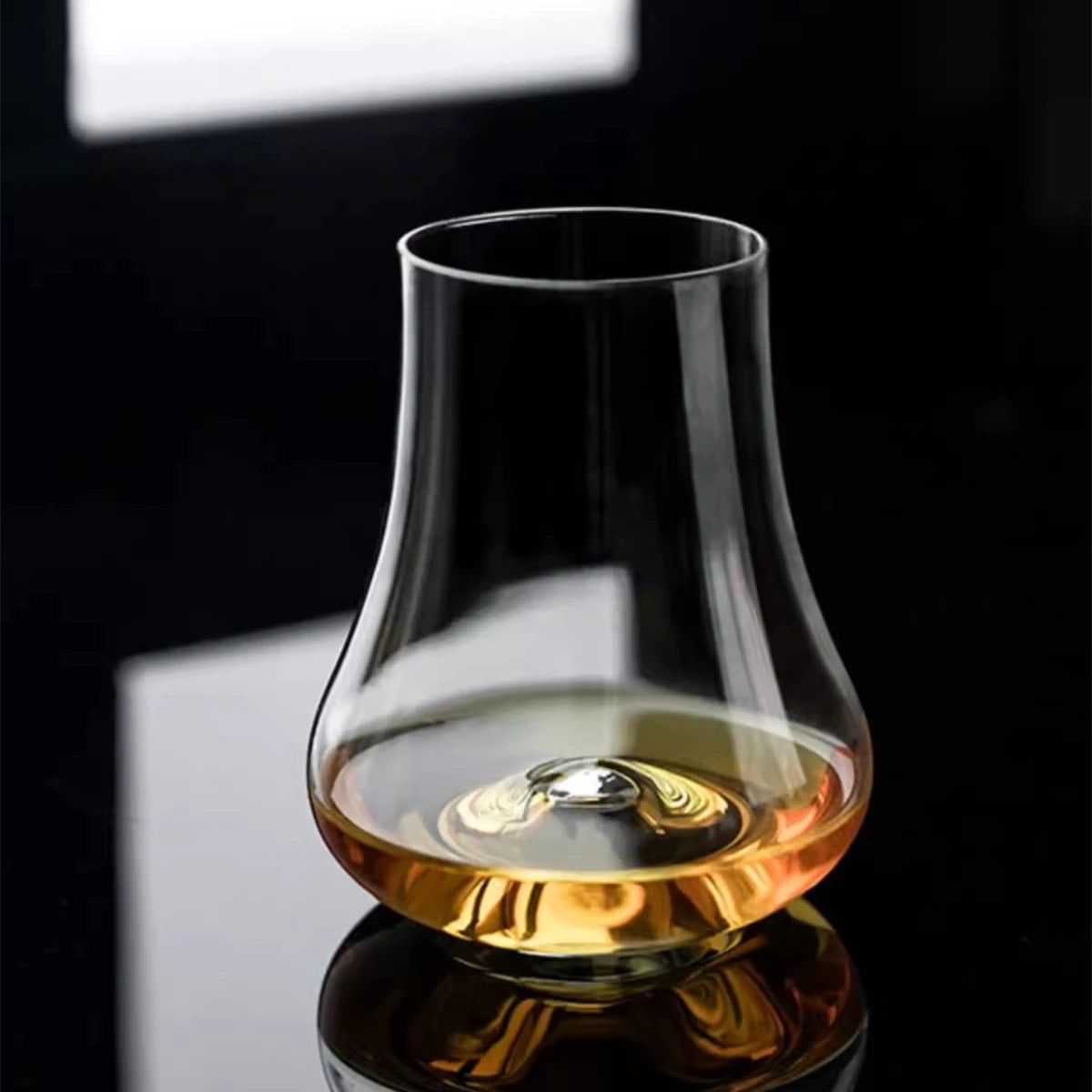
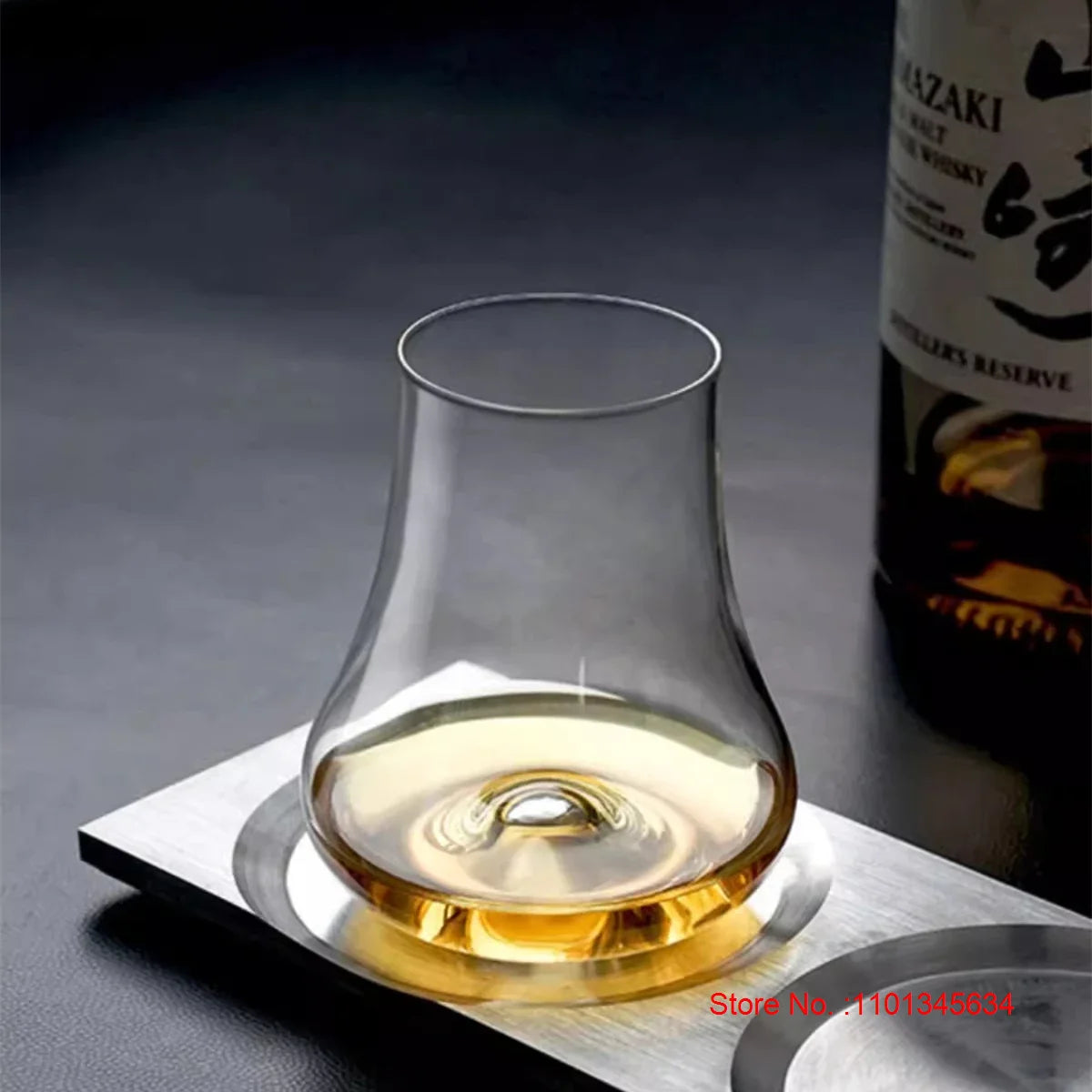
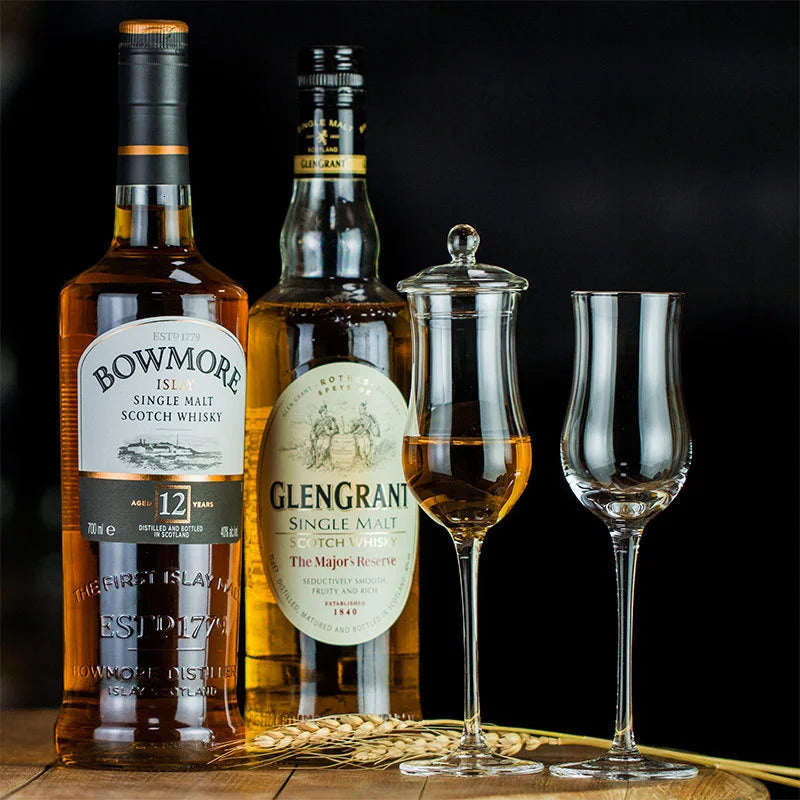
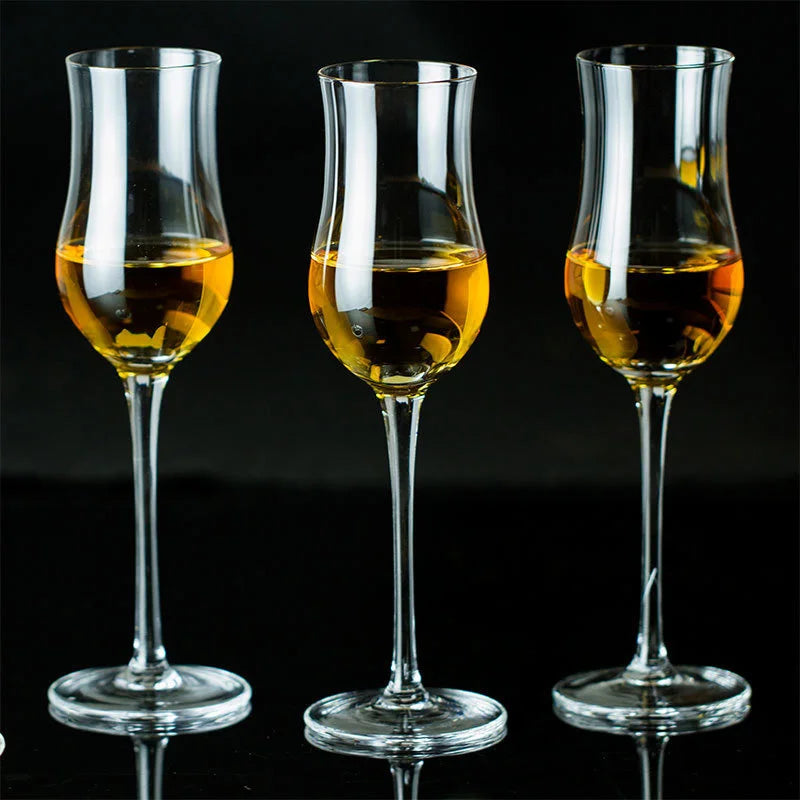
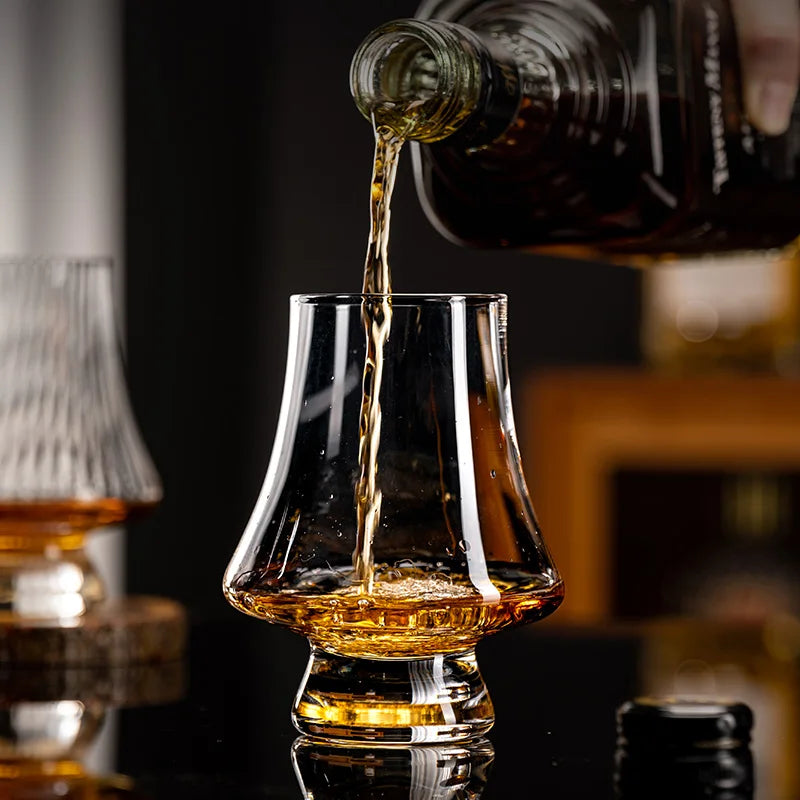
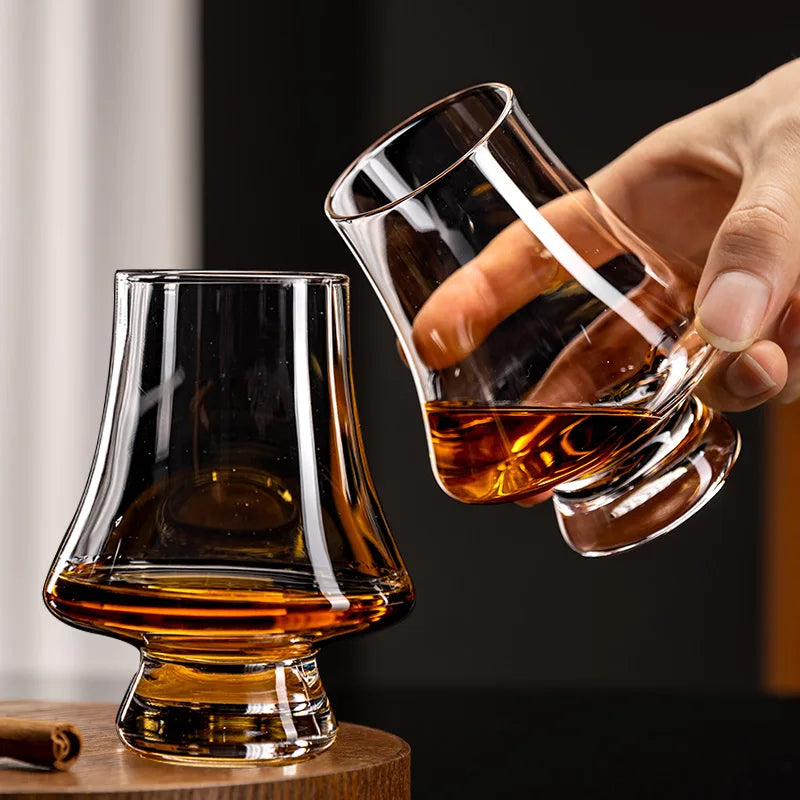
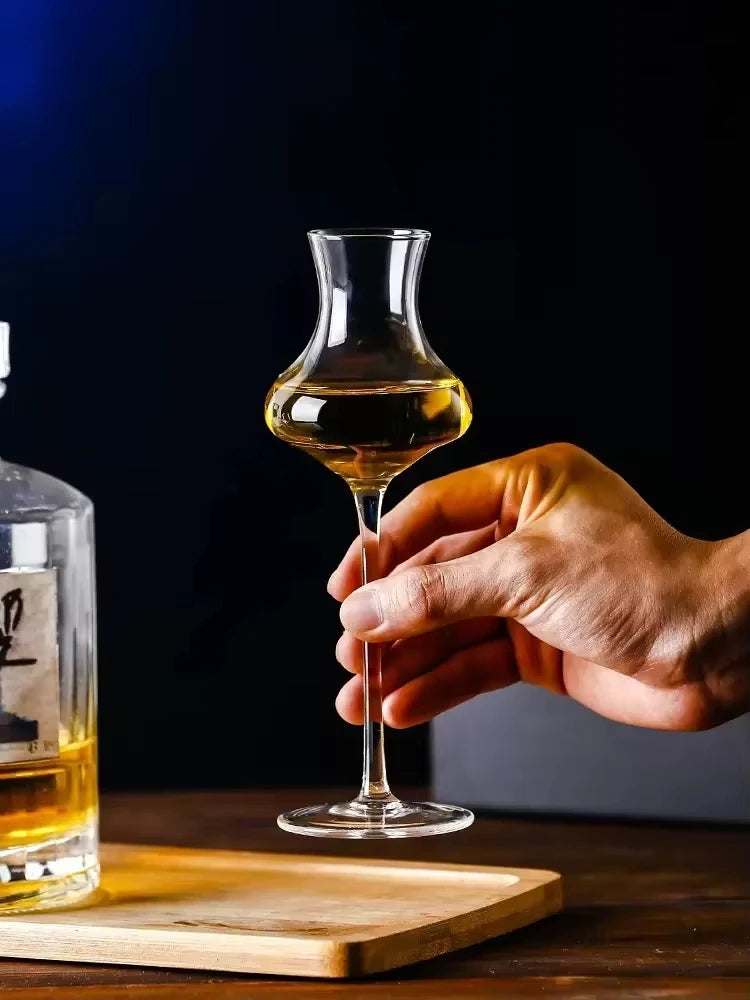
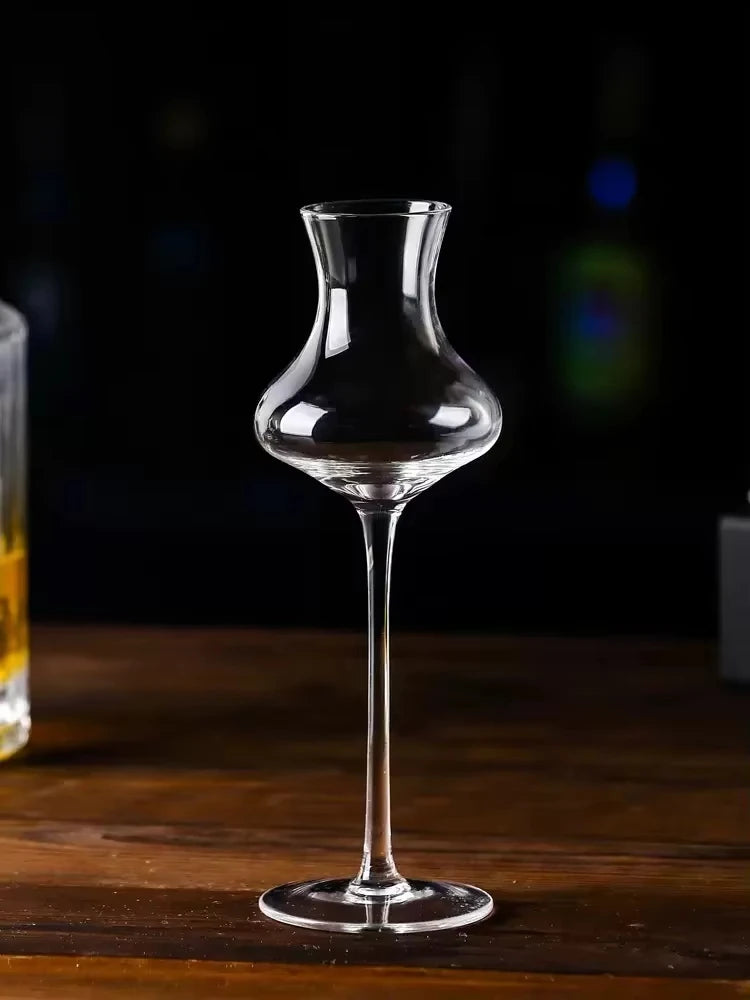
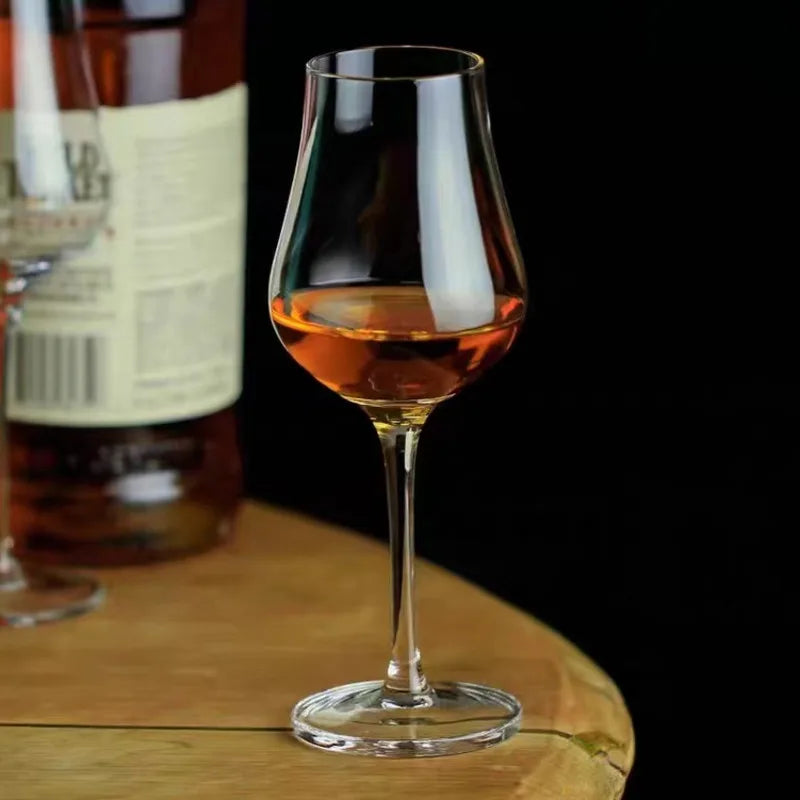
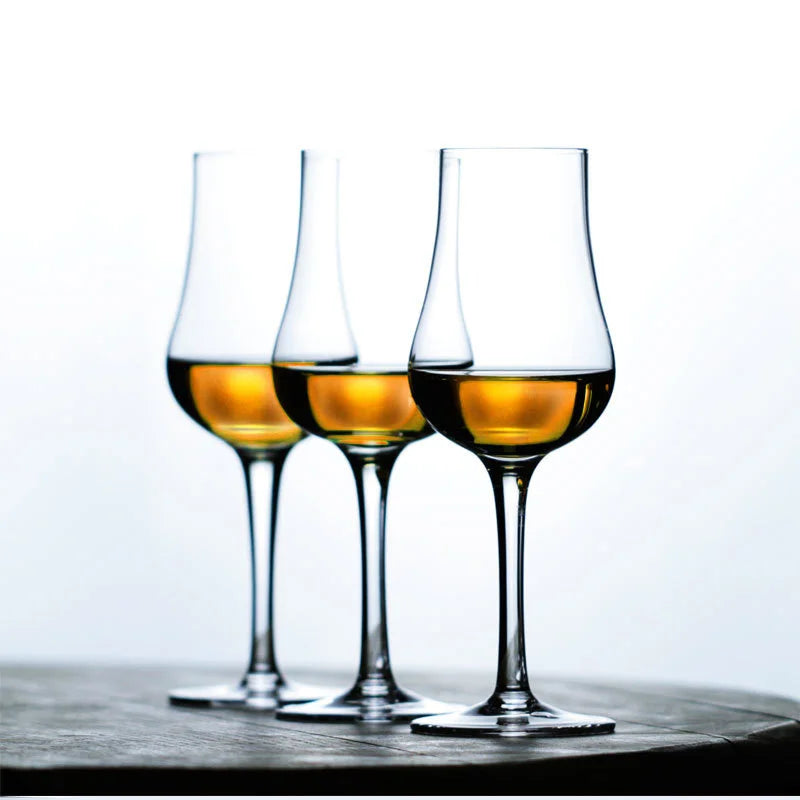
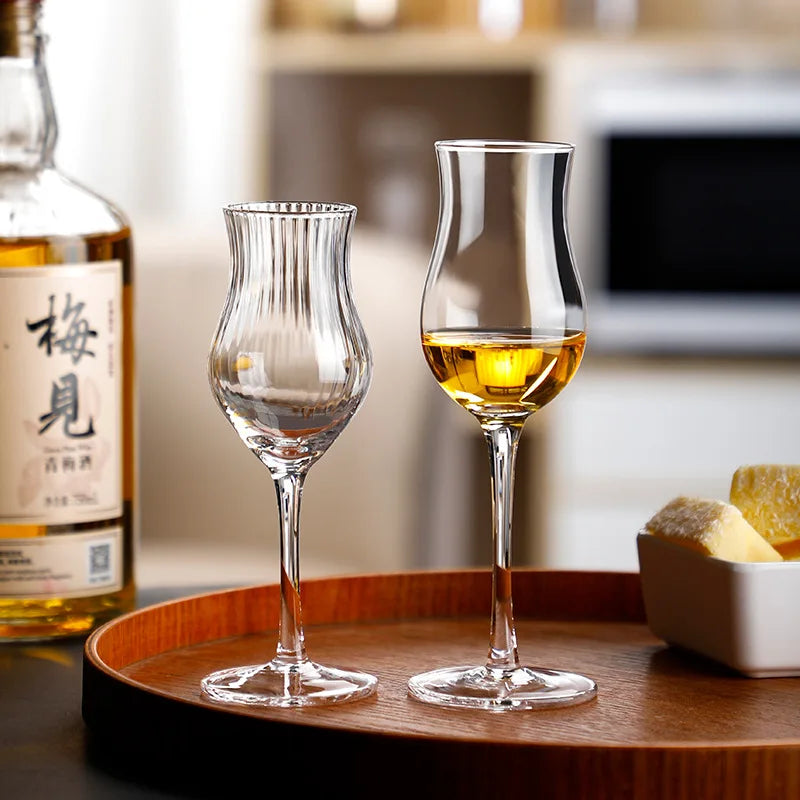
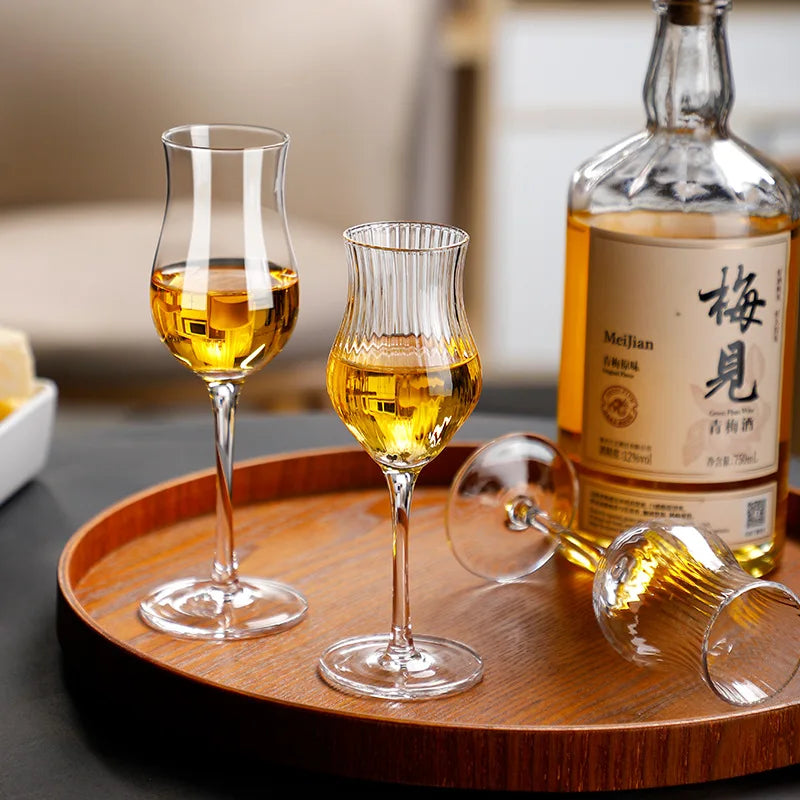
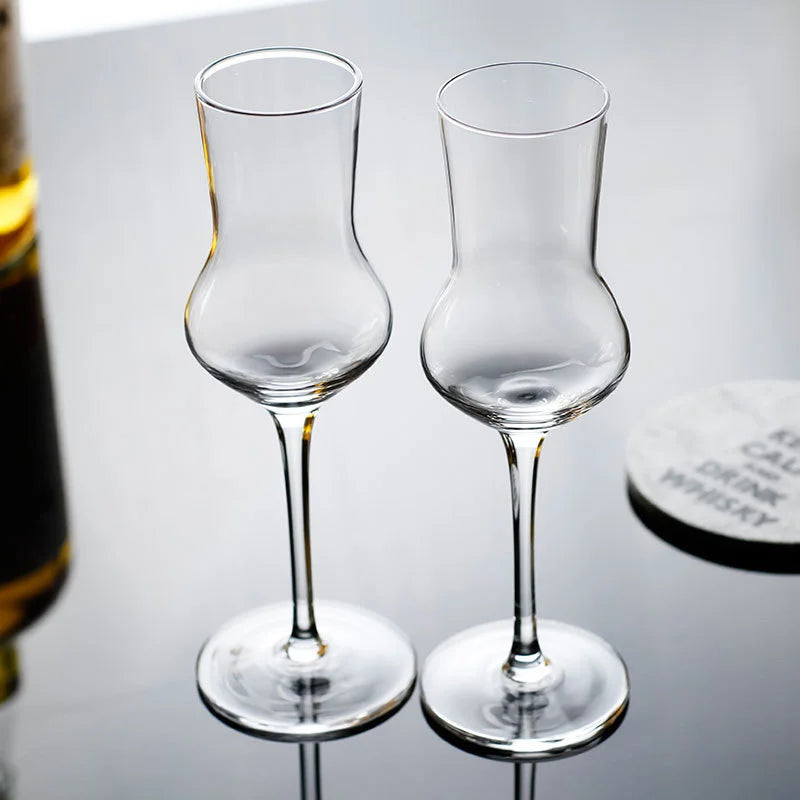
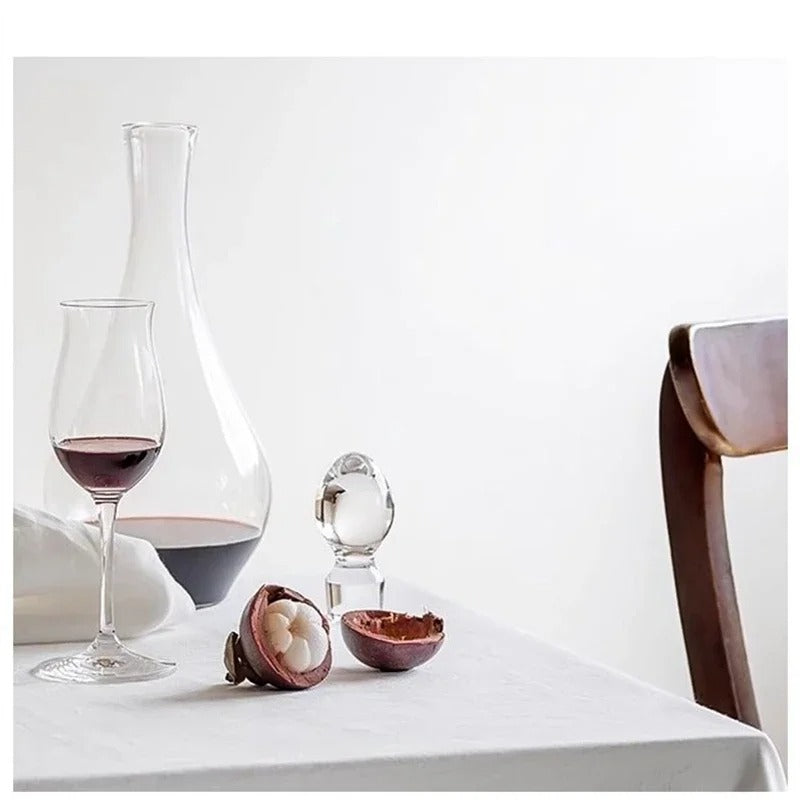
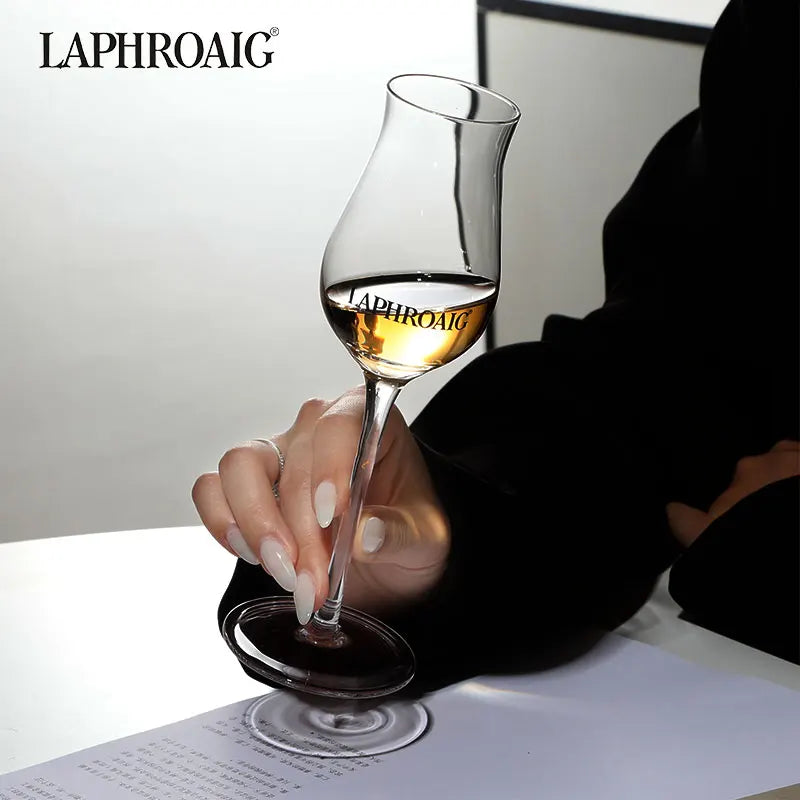
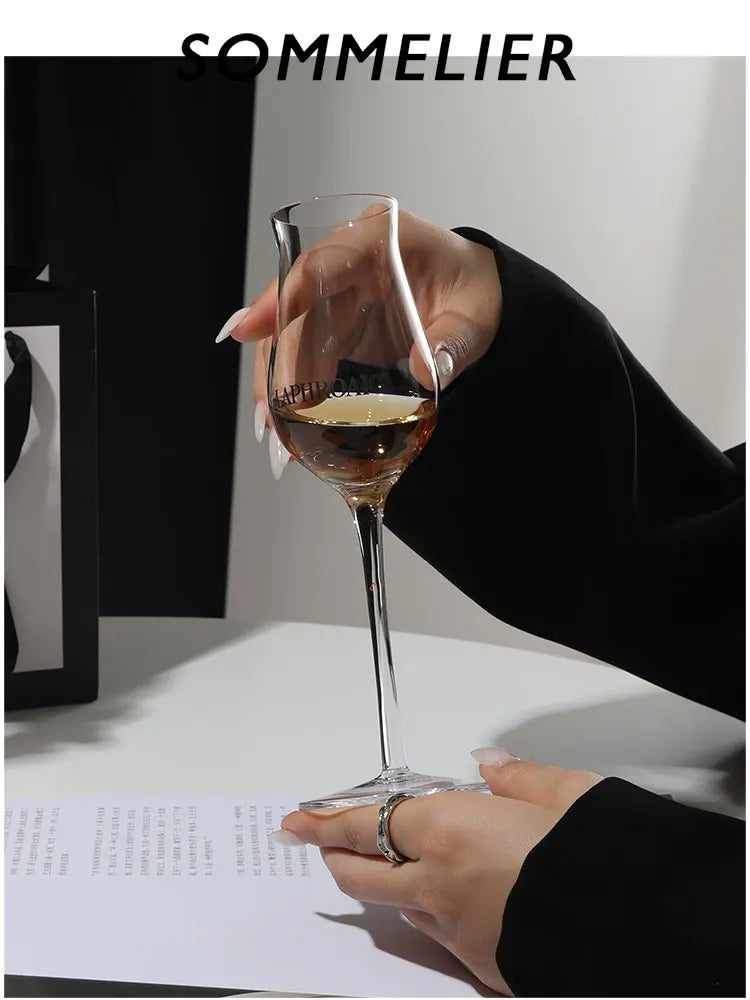
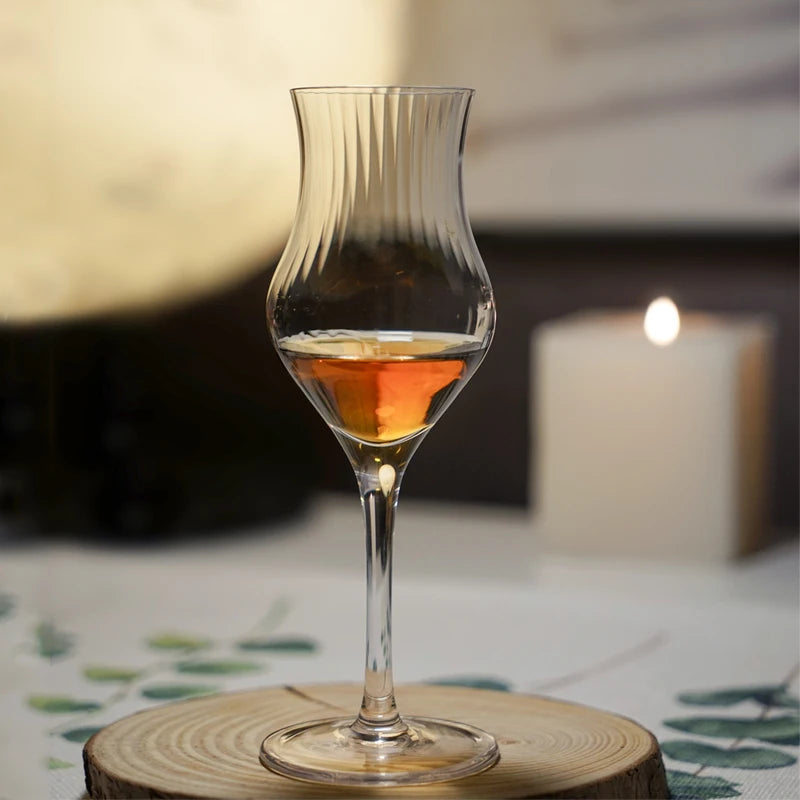
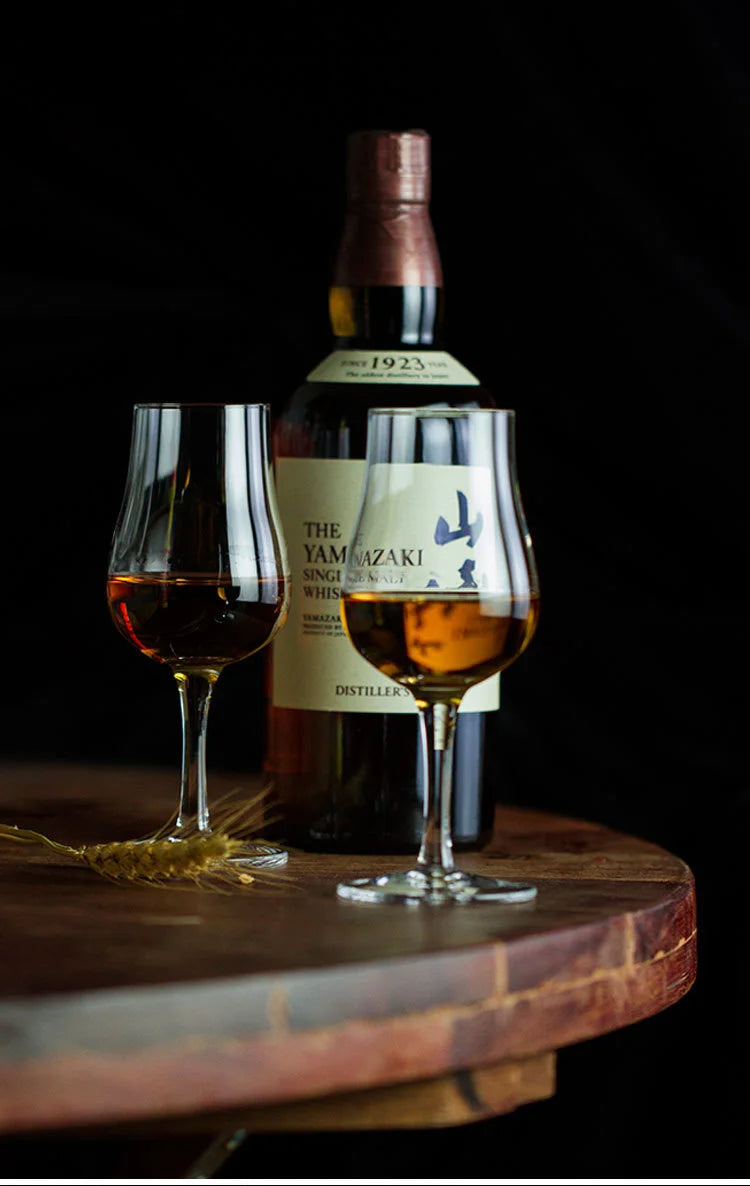
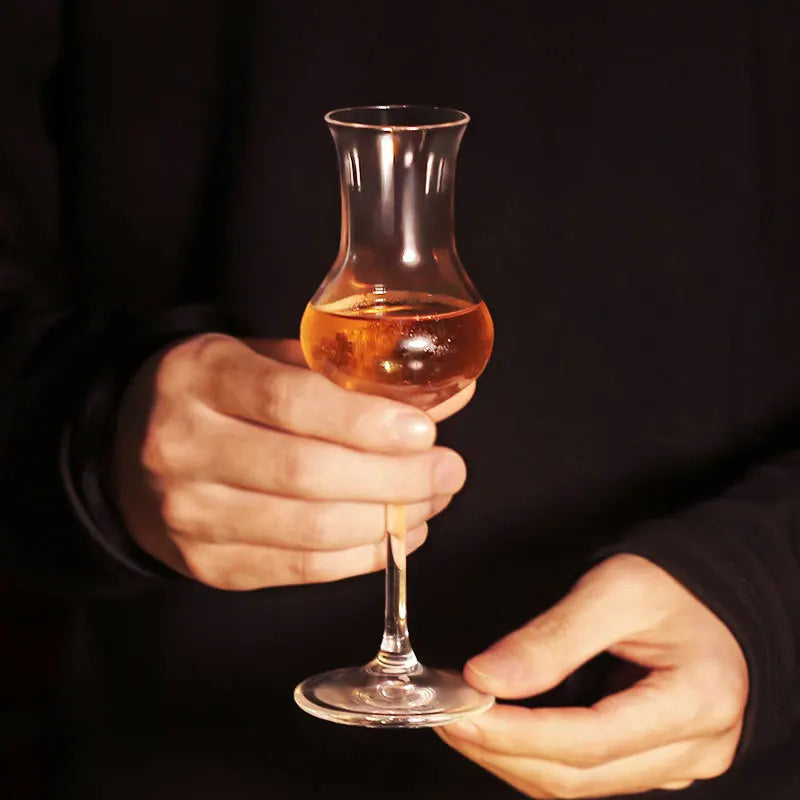
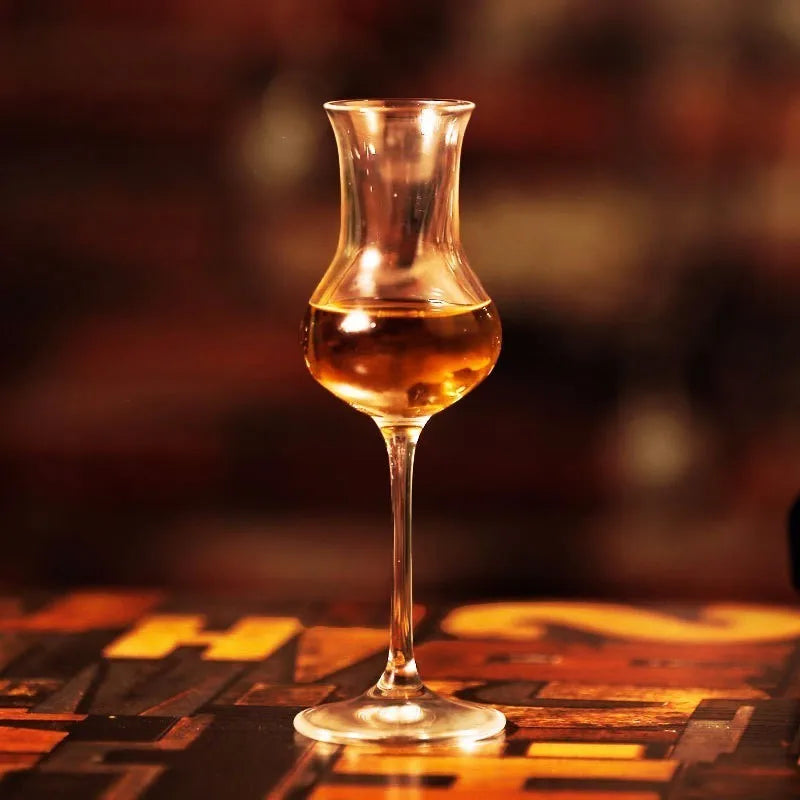
This chalice owes its name to the flower. Wide at the base, the neck narrows and then flares slightly. This is not merely a design choice: this geometry traps the aromas in the stomach and channels them towards the nose. The Bureau National Interprofessionnel du Cognac (BNIC) designated it as the benchmark in 2009, following a test involving sommeliers and professional bartenders.
Two families of dispensers exist, each designed for a different use. This guide from Limonadier helps you find the ideal model, whether you're a spirits enthusiast, a craft beer aficionado, or looking for an original gift idea.
Simple tulip or hurricane: two profiles
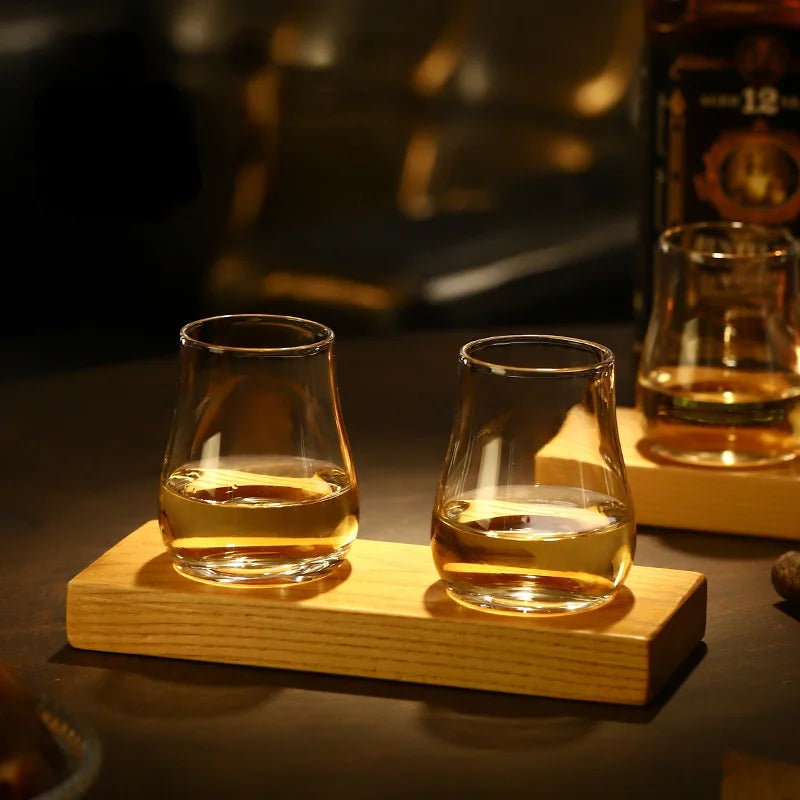
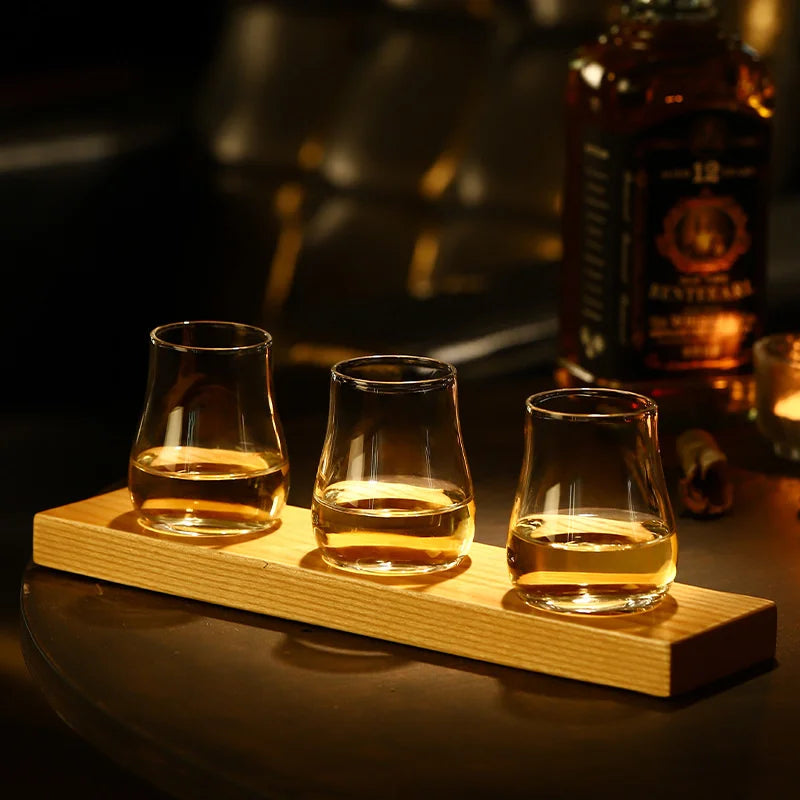
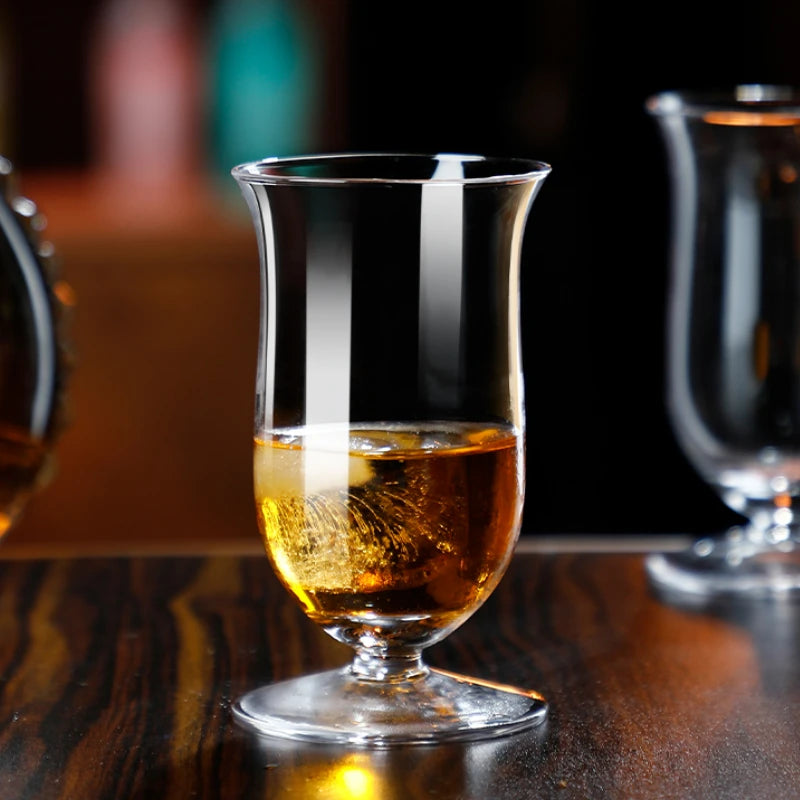
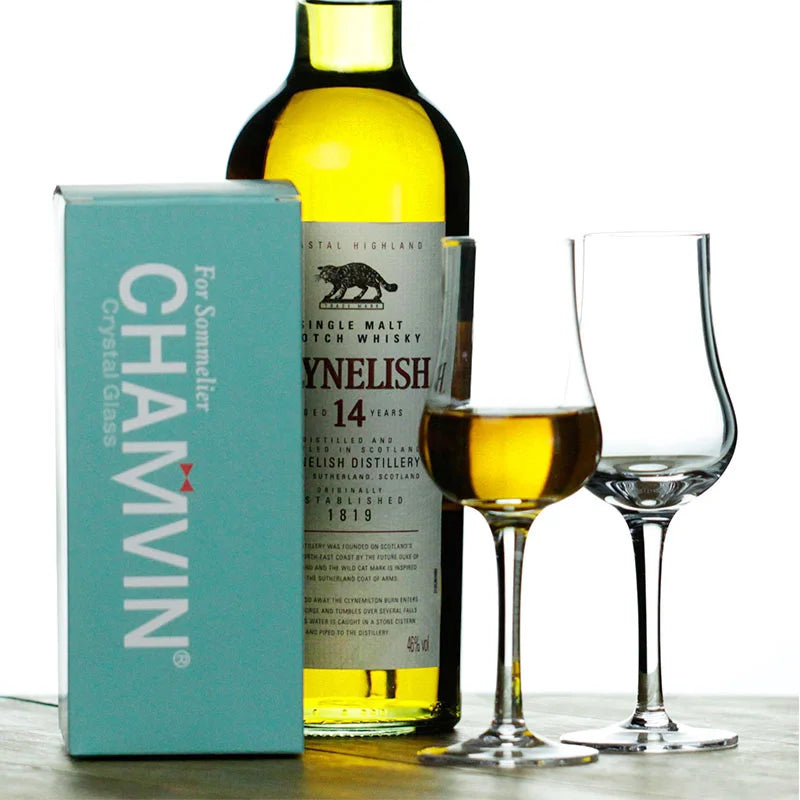
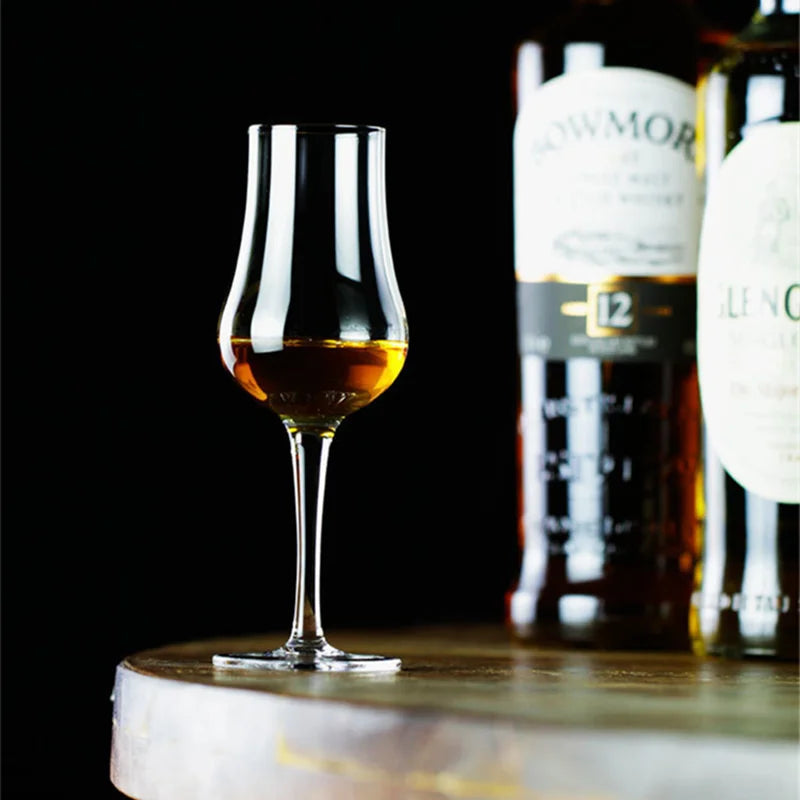
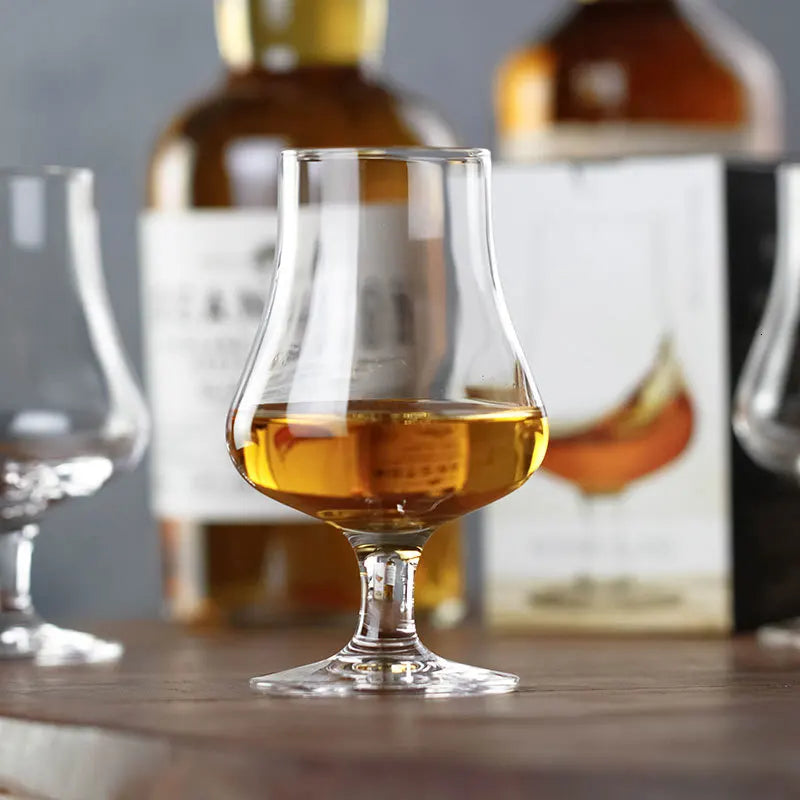
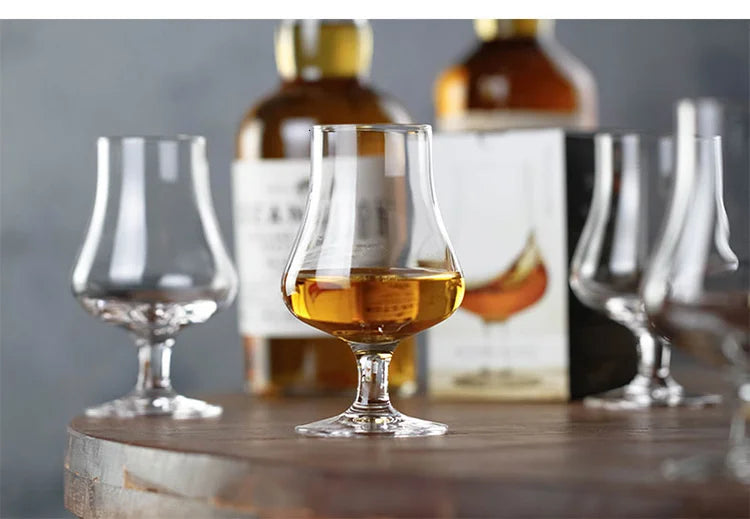
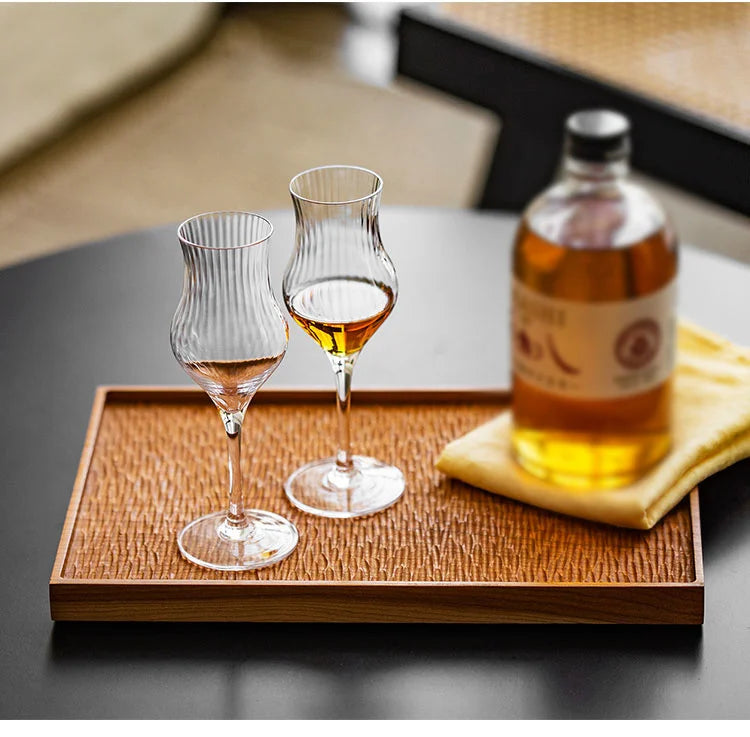
The standard bottle has a short stem , a rounded body, and a narrow neck. It's the format professionals prefer for evaluating eaux-de-vie and malts. Typical volume: from 19 cl according to Wikipedia.
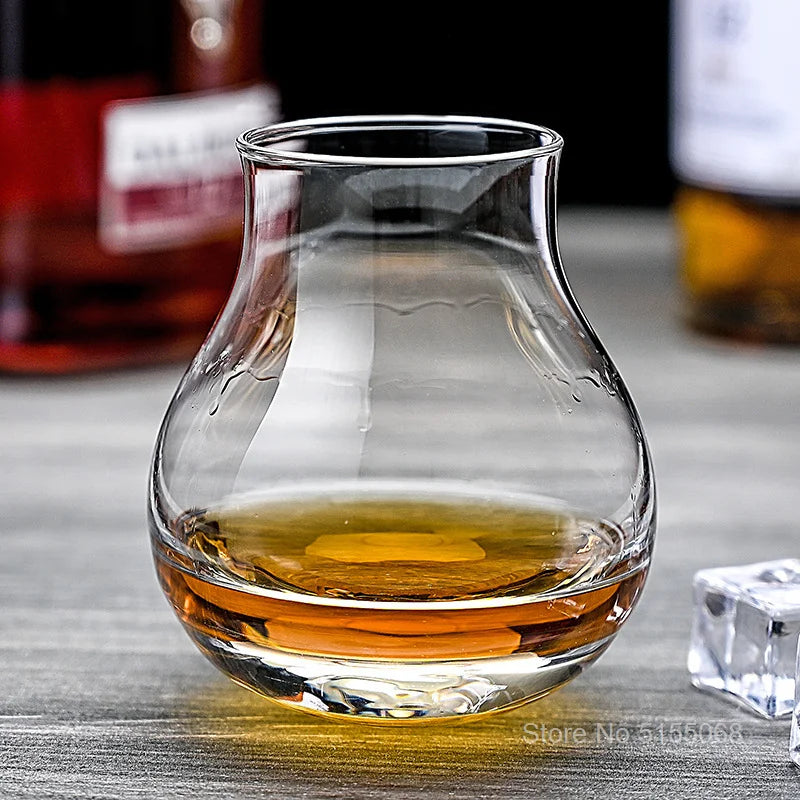
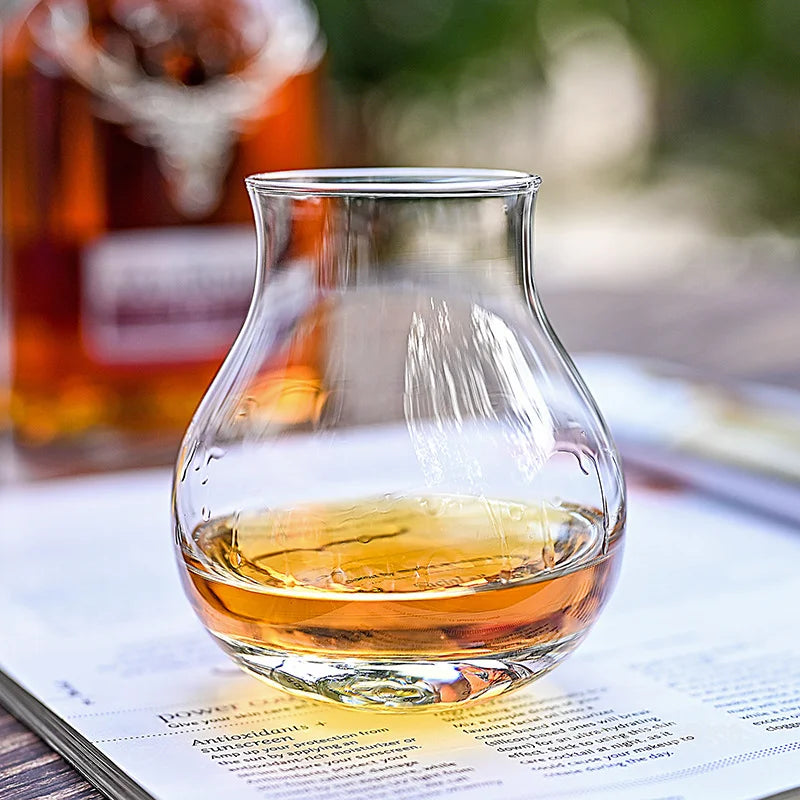
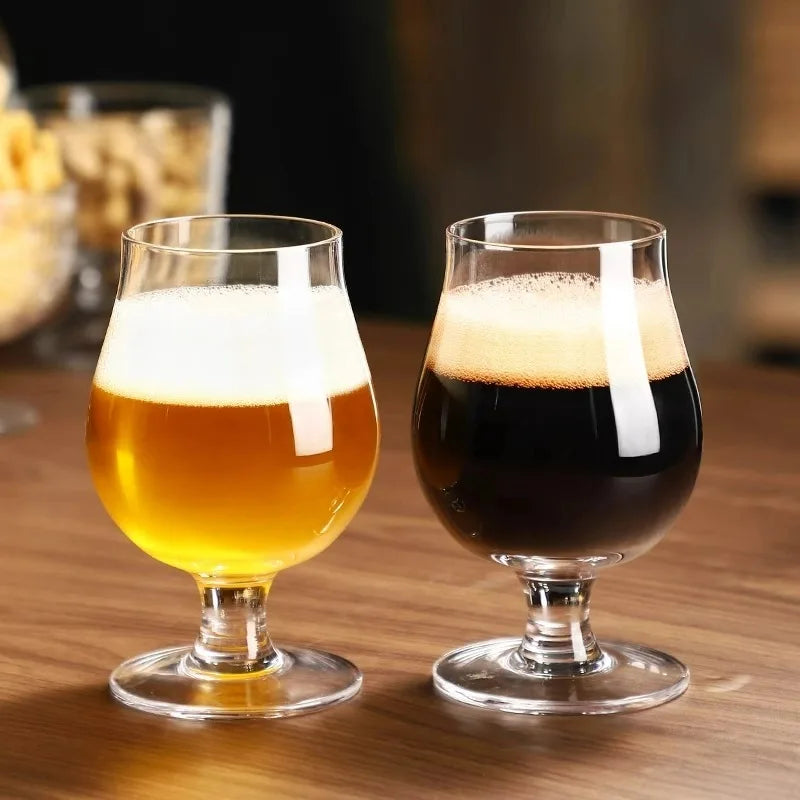
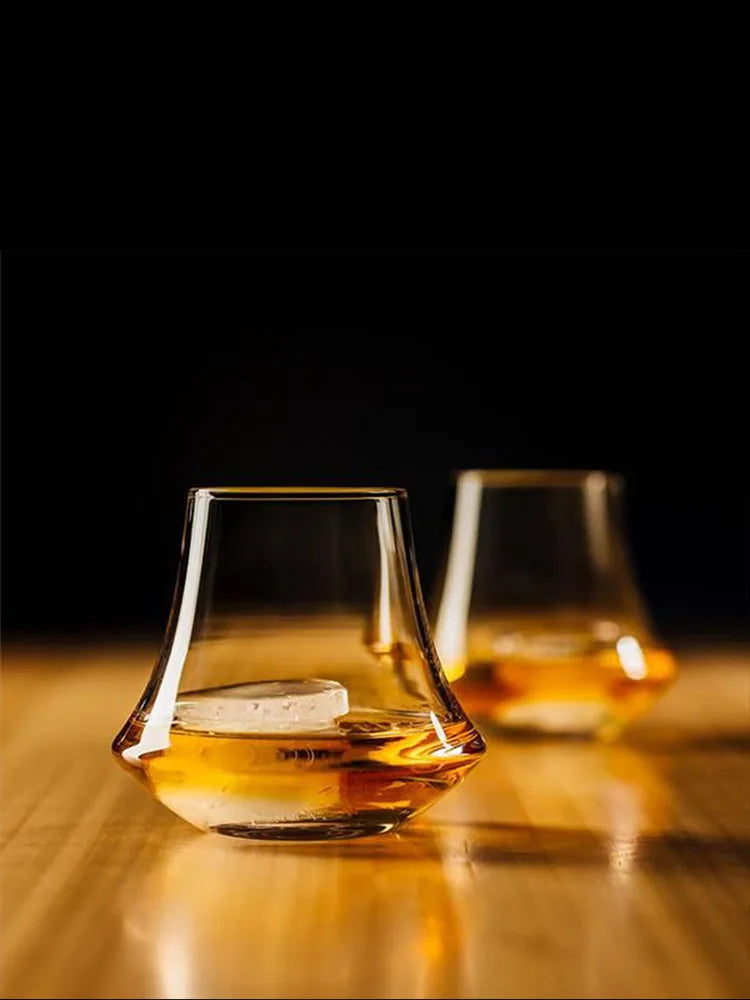
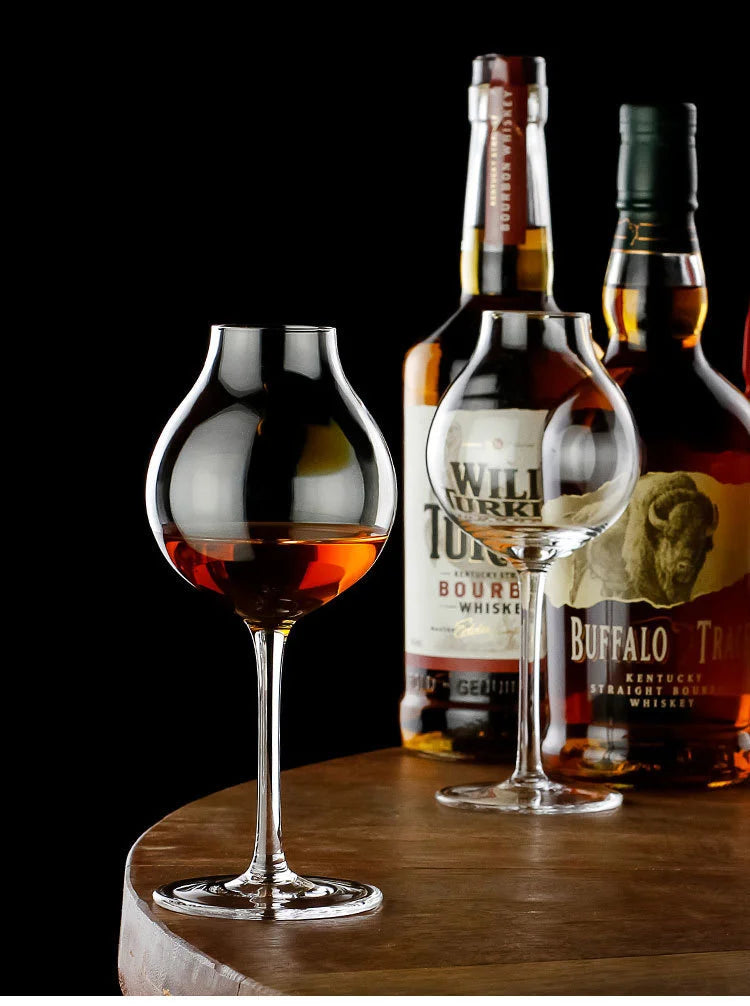
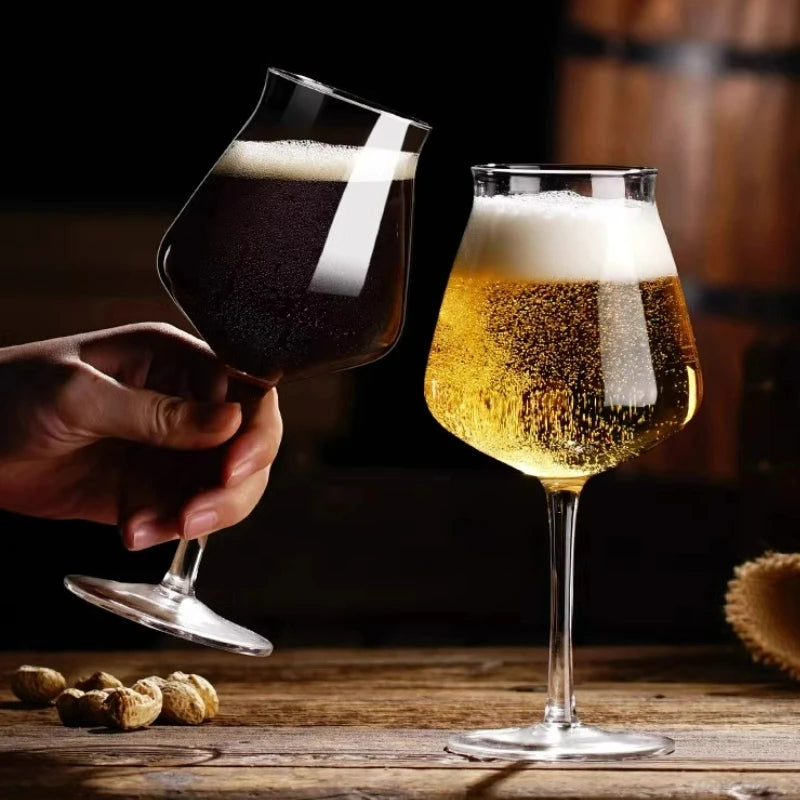
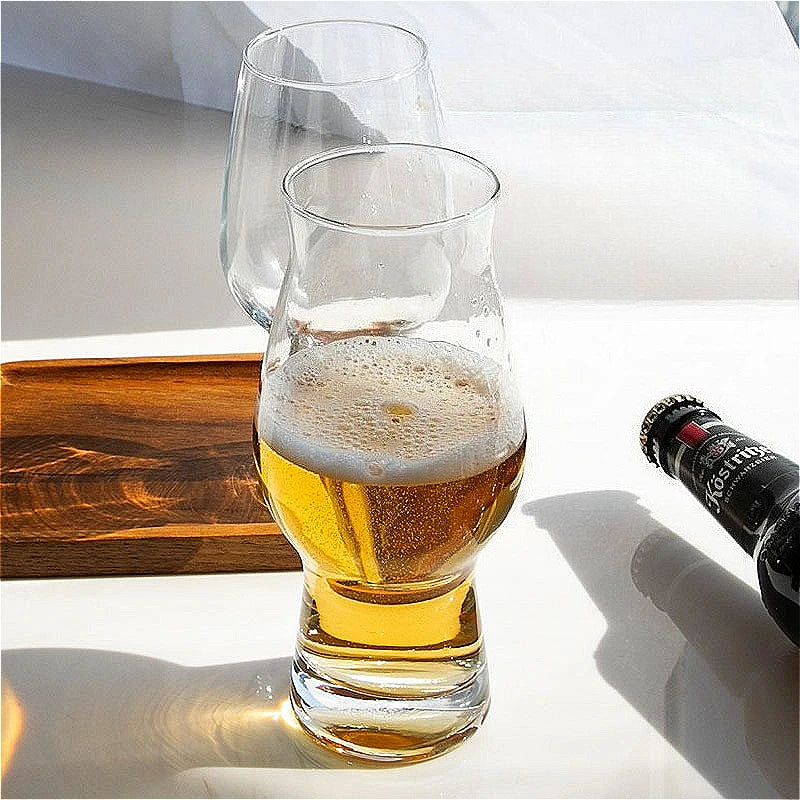
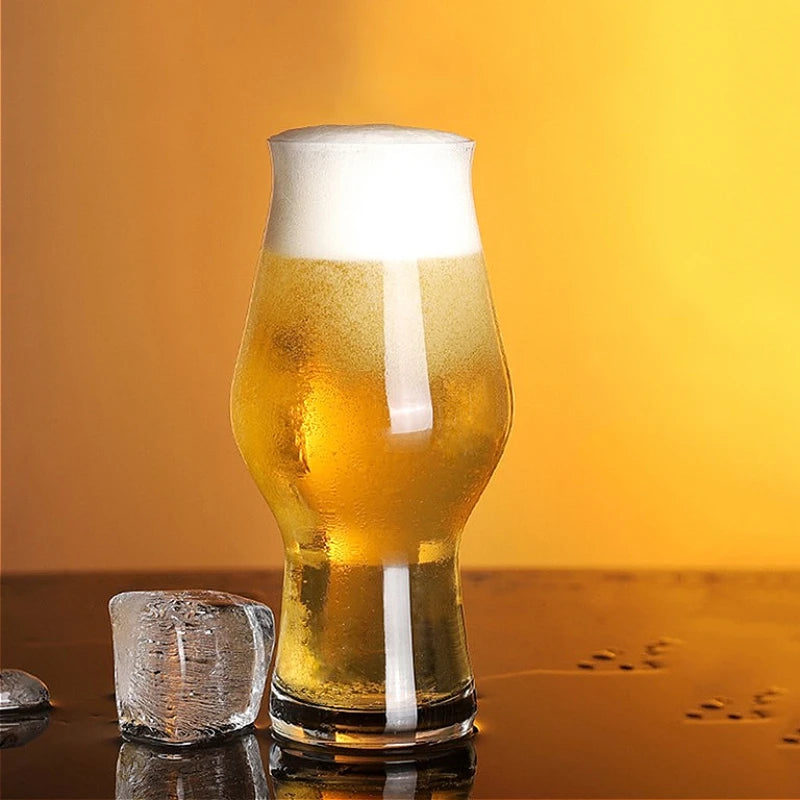
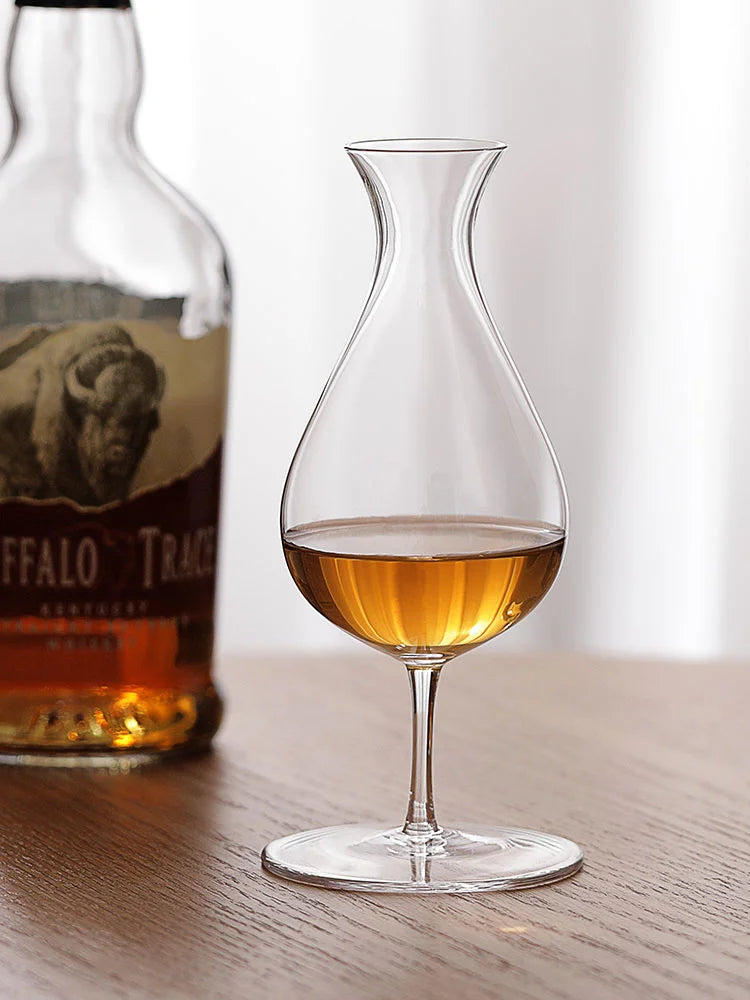
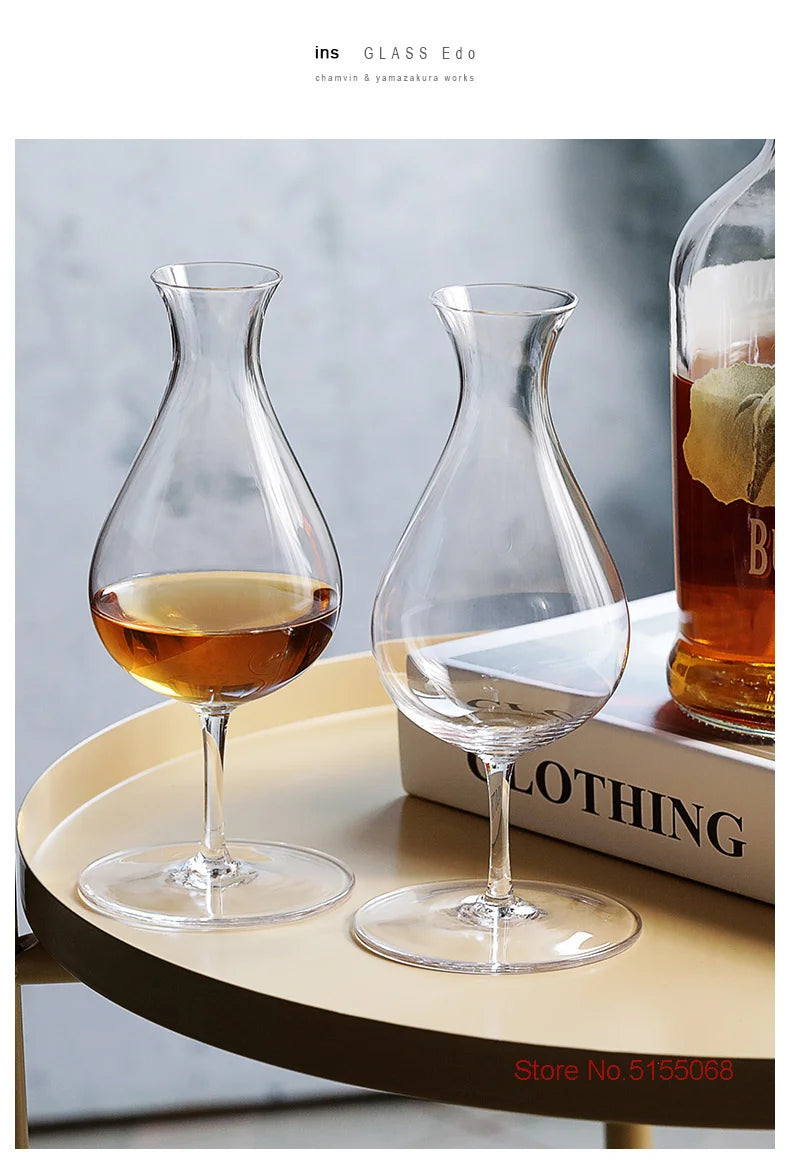
The hurricane glass is taller. Its base flares out, narrows in the middle, and then opens again at the top. It's often found on cocktail tables, where the extra volume allows for ice and garnishes. It can hold up to 75 cl for fine wines.
In summary: Neat drink, at room temperature? The first profile. Cocktails, beers, elegant presentations? The second.
Why this shape changes everything
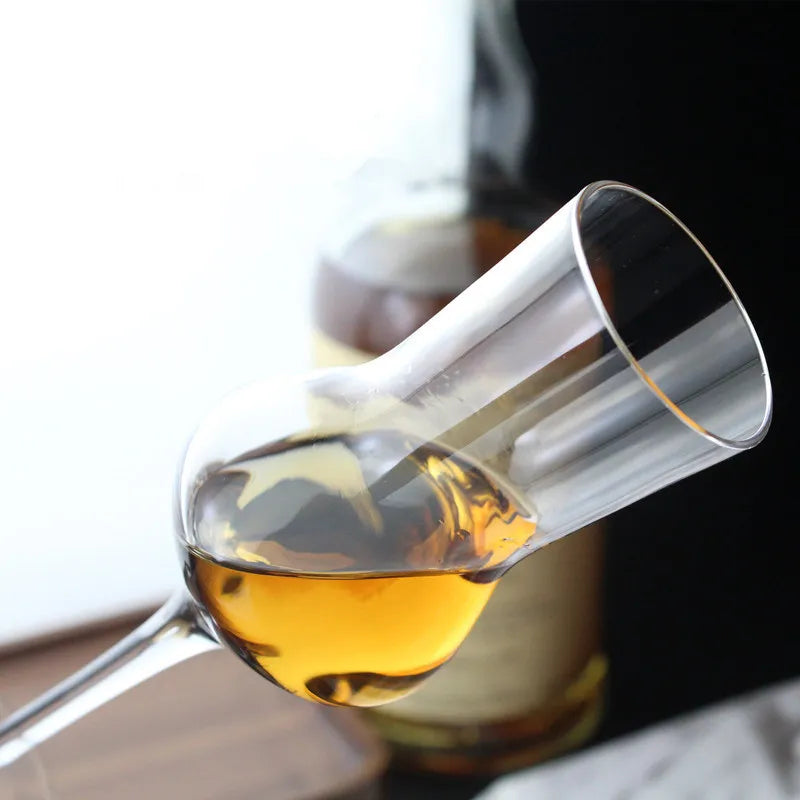
The wide belly provides a large surface area for evaporation. Esters are released upon contact with air. The narrow neck retains these molecules, unlike a tumbler where the straight opening allows everything to escape.
The stem also plays a role. By holding the whisky by the stem, you avoid warming the liquid with the heat of your hand. The notes unfold in order: first the fruity aromas, then the spices and the woodiness. If you've ever felt that a malt "smelled mostly of alcohol," simply changing the container can transform the experience. Try it.
For which drinks?
Cognac and Armagnac
The connection is historical. In 2009, the EDV No. 1 model from Verreries de la Marne received top marks in the BNIC test. Maison Camus serves its products in a 17 cl format, designed in partnership with Luigi Bormioli. Only the bottom of the cognac glass is filled: the remaining volume acts as a chamber where the vanilla and vine blossom notes develop.
Whiskey
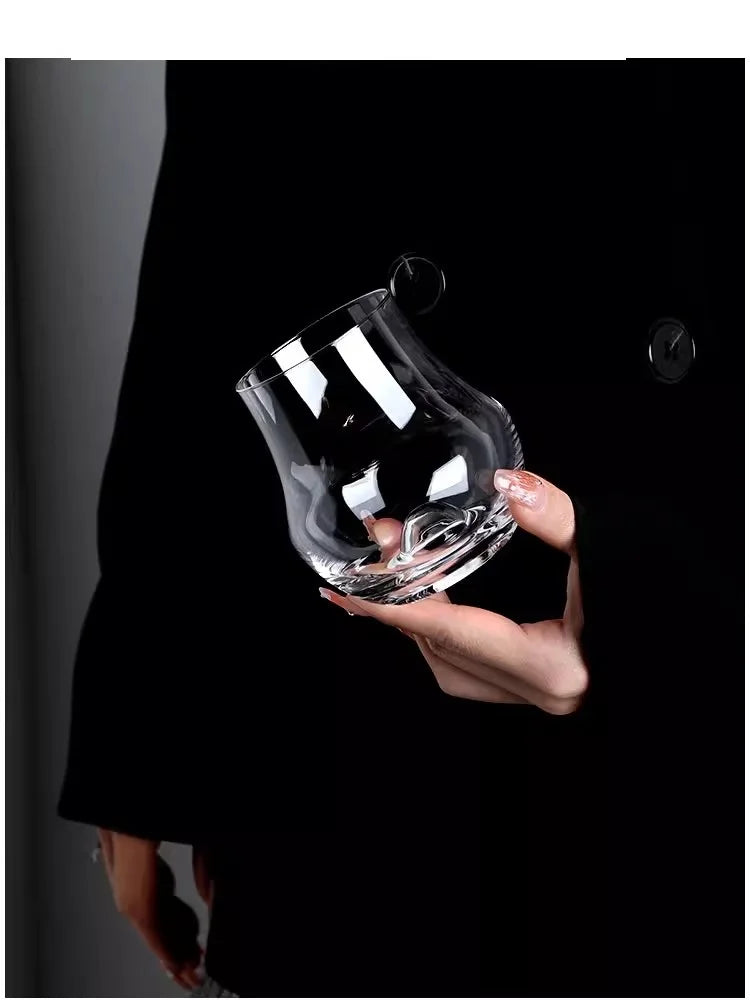
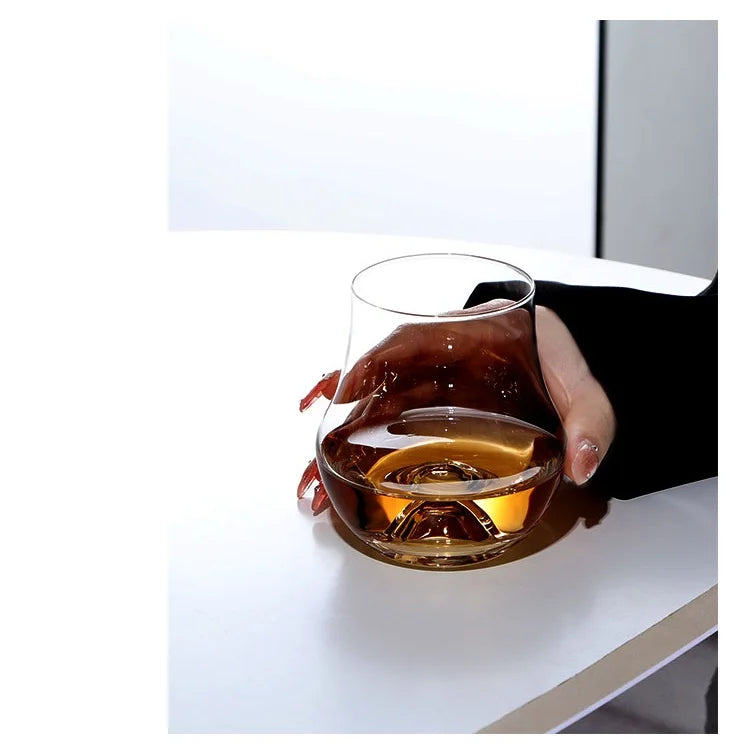
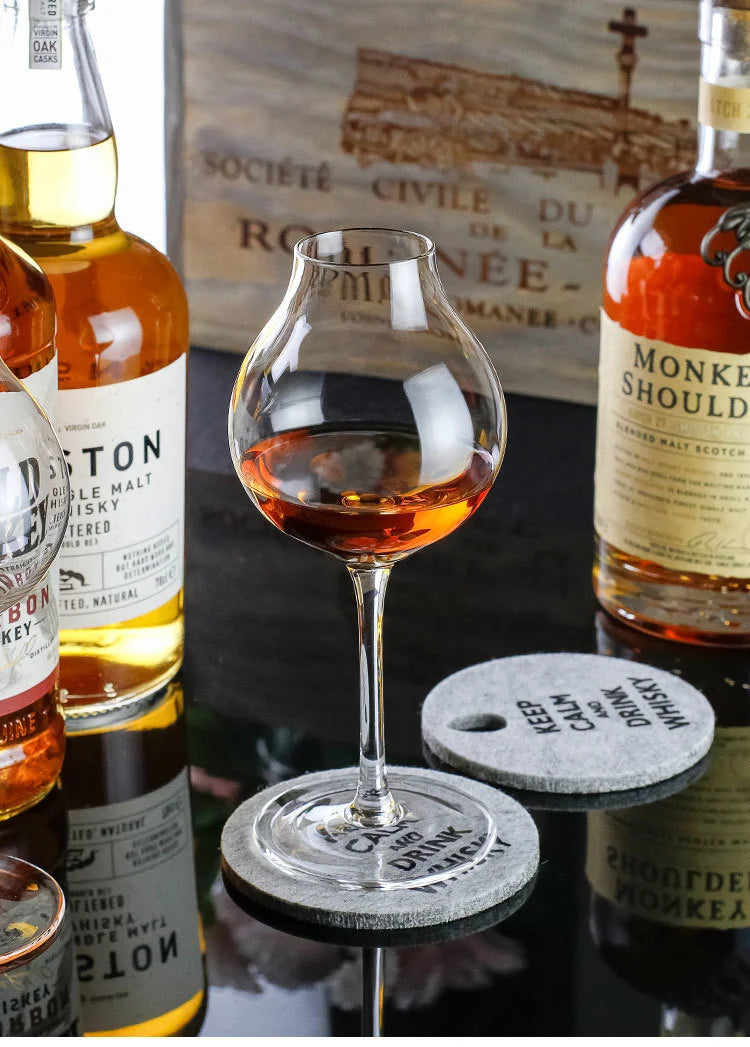
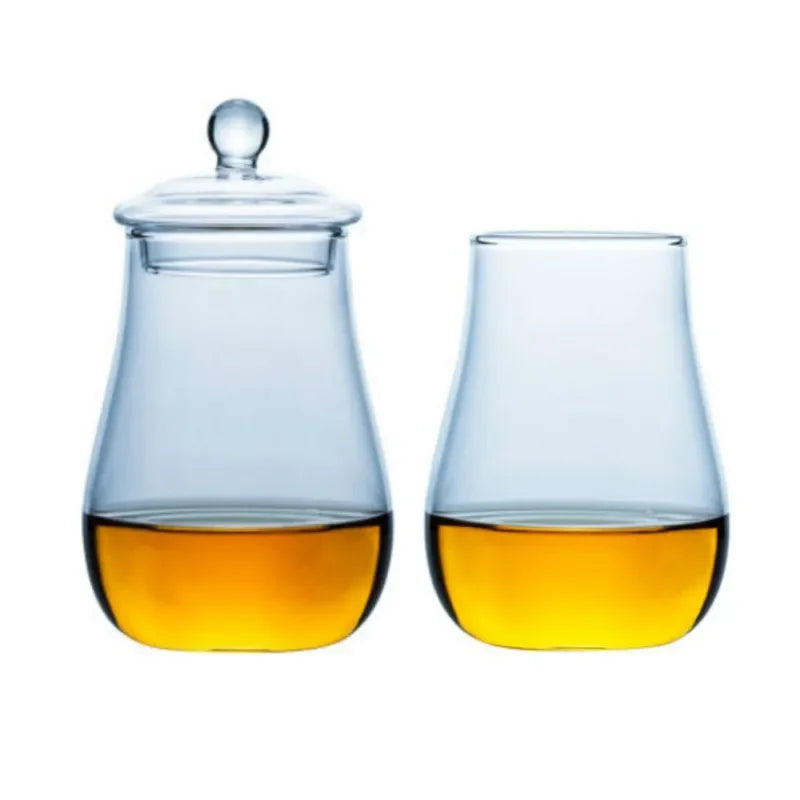
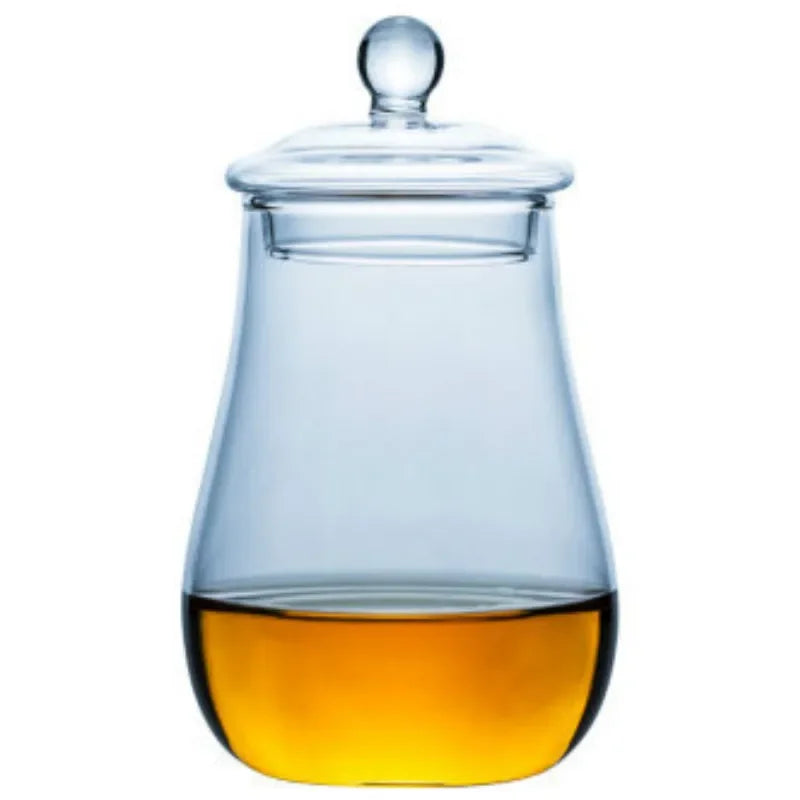
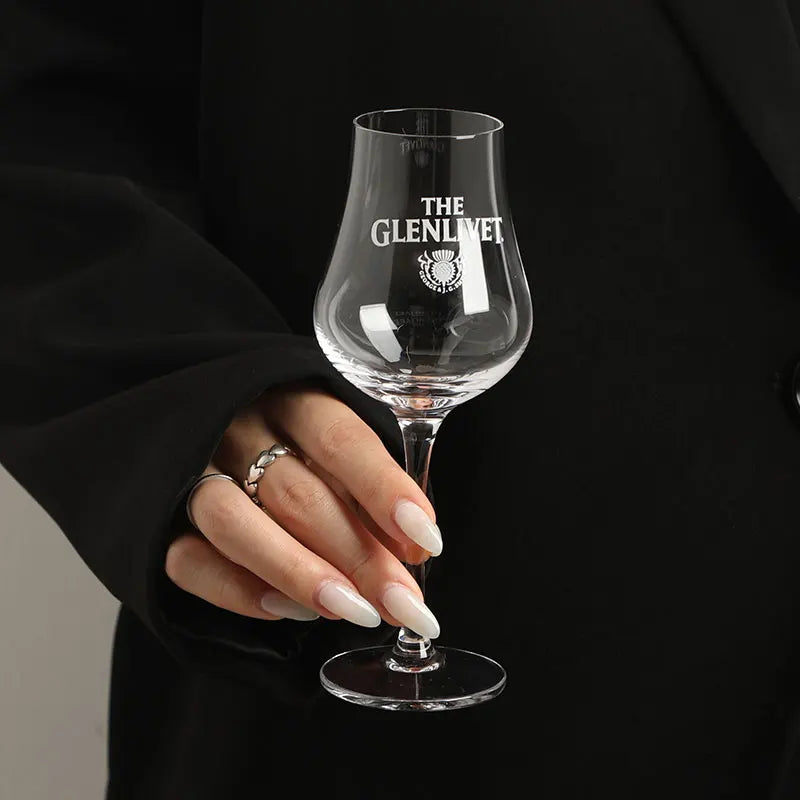
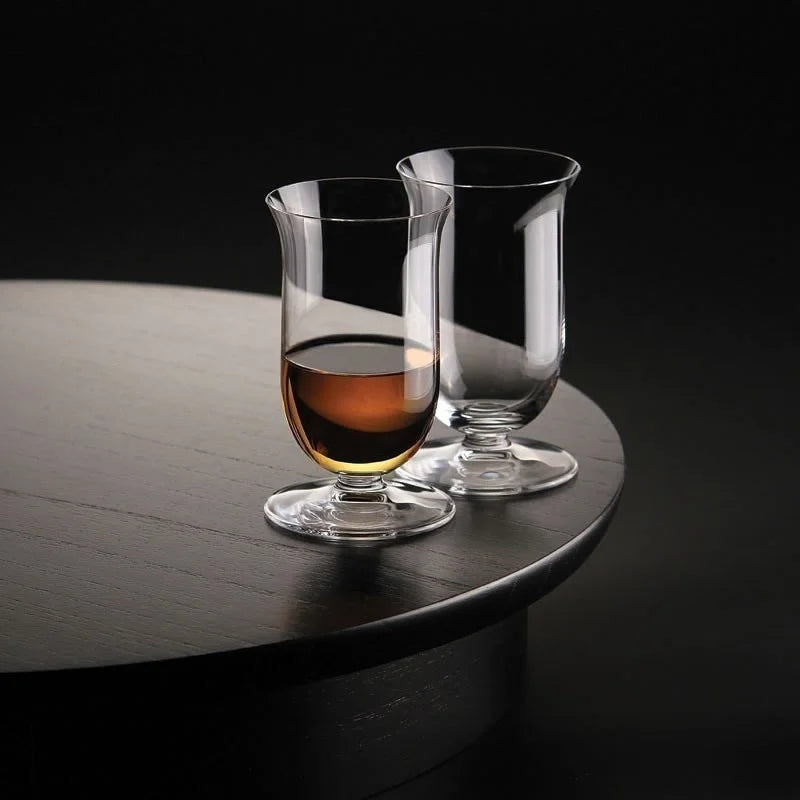
The Glencairn is famous, but this format remains a popular alternative for enthusiasts. The long stem keeps the liquid at the right temperature. For peaty malts, a small container concentrates the intensity. For lighter, fruitier malts, a slightly wider model allows the notes to express themselves without overwhelming the nose.
Rum
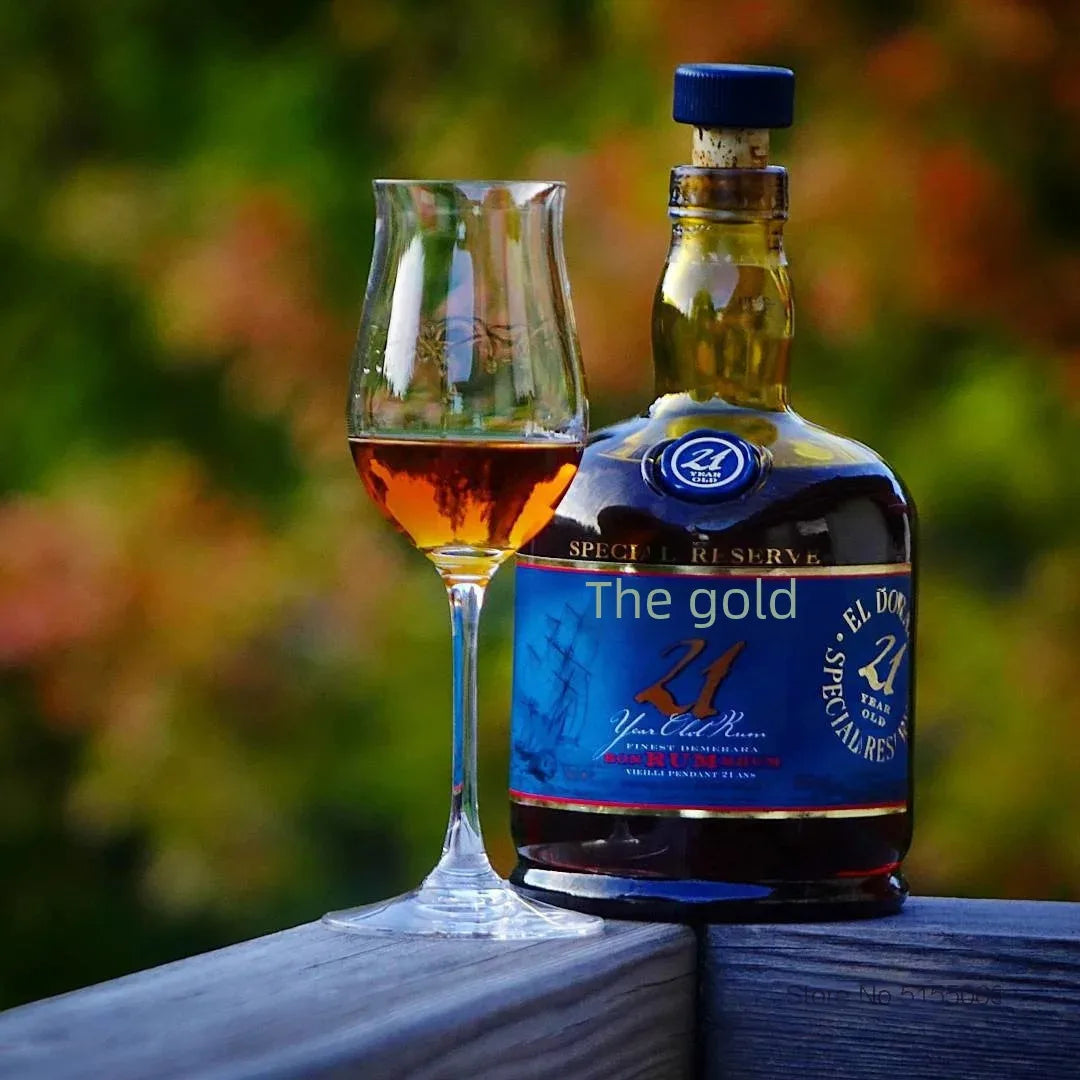
Aged and agricole rums are best enjoyed in a small glass. The narrow chimney filters ethanol vapors, allowing notes of cocoa and candied fruit to shine through. Limonadier.co offers a 24.5 cl rum glass suitable for both rum and other spirits.
Red wine and white wine
Wikipedia mentions capacities of up to 75 cl for fine wines. At this volume, the bowl is never completely filled: the remaining space acts as an aeration chamber. Full-bodied reds gain complexity thanks to the concentration of aromas in the neck. Dry and aromatic whites (Riesling, Gewurztraminer) benefit from the same principle. It's not the most common choice for wine, but some sommeliers use it as an alternative to the traditional balloon.
Craft beer
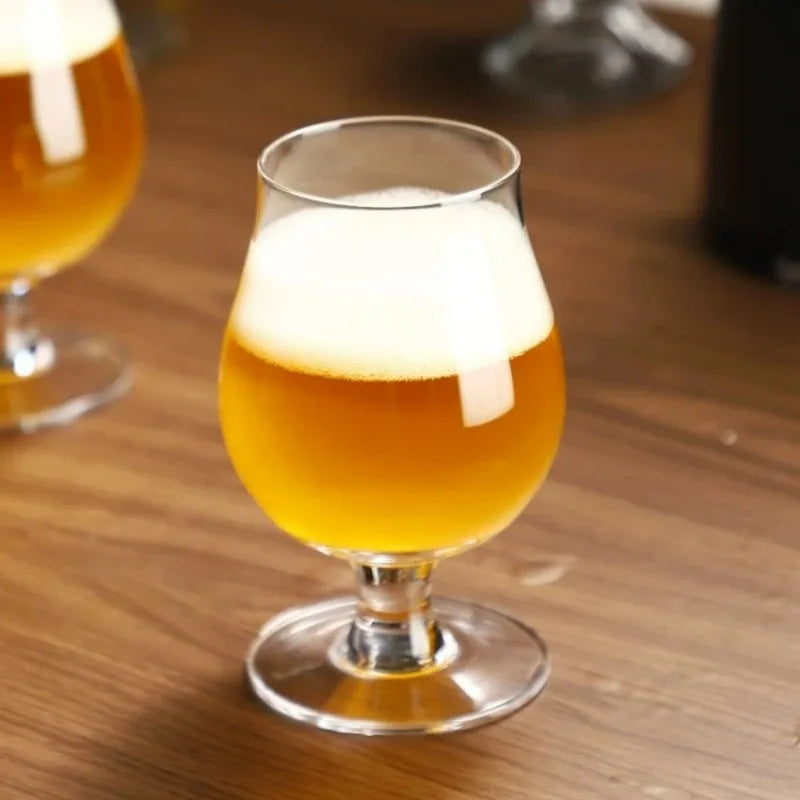
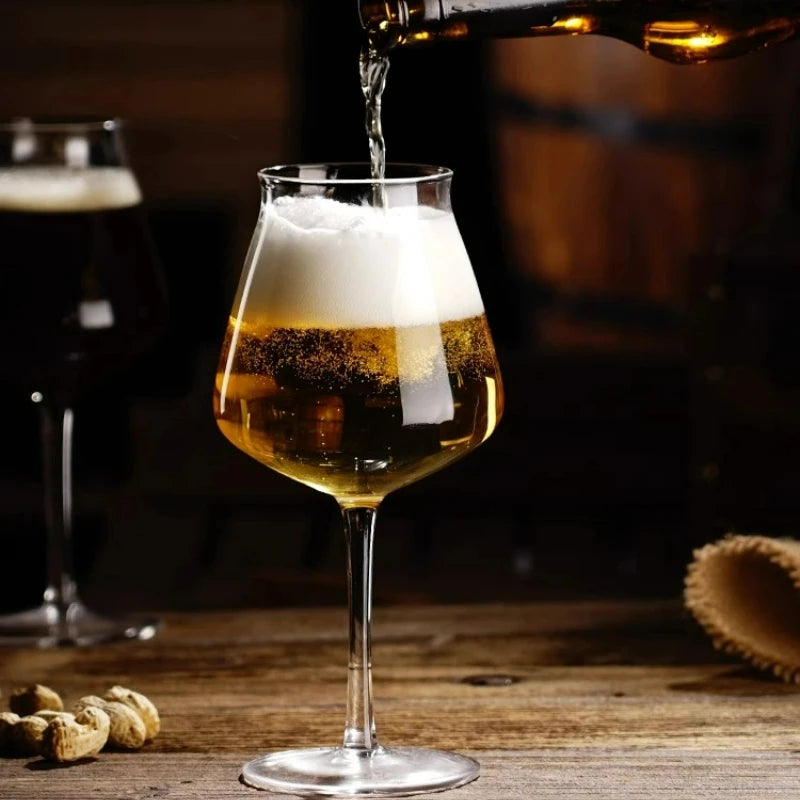
This format is increasingly popular with brewers. The flared rim of the beer glass promotes a good head of foam, and the curved bowl concentrates the flavor. Ales, stouts, amber ales: all find their perfect match in this glass. Beer capacities generally range from 33 cl (Whisky Explorer) to 47.5 cl (Spiegelau Beer Classics). The one-piece "Belgian Beer" model has become a staple on the tables of craft bars, according to Glassmania.
Champagne and sparkling wines
A surprising choice, but one that's gaining popularity. This shape offers more space than a flute to release the aromas, while preserving the bubbles better than a coupe. The Alsatian glassmaker Lehmann offers its Opale collection, designed specifically for sparkling wines.
Comparison: Which format for which use?
Each type of container has its strengths. Here's how they differ in practice:
| Format |
Shape |
Concentration of flavors |
Ideal for |
| Simple Tulip
|
Balloon + narrow collar + stem |
Very strong |
Cognac, whisky, aged rum |
| Hurricane
|
Collar tightened then reopened |
Moderate |
Cocktails, craft beer |
| Glencairn
|
Without feet, thick base |
Forte |
Scotch malt (official standard) |
| Tumbler
|
Low, wide, right-opening |
Weak |
On the rocks, short cocktails |
| Ball
|
Spherical, large opening |
Disperses the odors |
Brandy (old, outdated usage) |
| Flute
|
Tall, narrow |
Preserves the bubbles |
Champagne, sparkling |
As the chart clearly shows, the tulip glass is the only format that combines a high concentration of flavors with versatility across multiple drinks. The Glencairn is excellent, but limited to malt. The tumbler sacrifices subtlety for convenience. And the balloon glass, long associated with spirits in the collective imagination, is actually the least suitable. Its overly wide opening disperses everything.
For wine and champagne, the choice often comes down to three shapes. The flute preserves the bubbles but limits the expression of the aromas. The coupe does the opposite: a wide opening, a beautiful visual effect, but the effervescence escapes quickly. The tulip offers a compromise between the two: enough space for aeration, enough narrowness at the neck to retain what matters.
Design in the service of taste
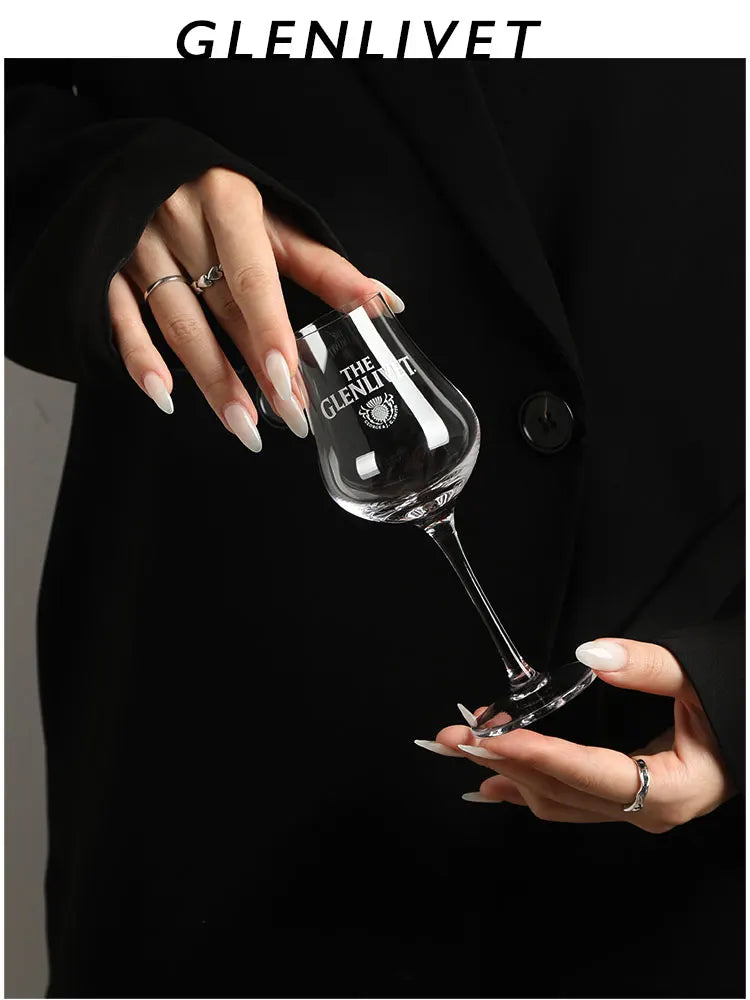
Take a good bottle in your hand. The first thing you notice is its lightness. Then the delicate rim against your lips. Pour a few centiliters: the light passes through the liquid, the reflections dance on your stomach. It's this kind of detail that makes the difference between drinking and savoring.
The models designed by Lehmann or Luigi Bormioli possess this quality: every curve has been conceived for the pleasure of the senses. The balance between the stem and the bowl creates a natural feel in the hand. Place the container on the table, and it exudes elegance. It's not superfluous. A beautiful object invites you to linger, to explore what lies within.
If you're looking for a gift idea for a crystal enthusiast, a two-piece crystal set always makes a great impression. Some manufacturers offer a personalization service with engraving: name, date, or a short message. A unique touch that transforms an accessory into a keepsake.
Which material should I choose?
For a long time, high-end crystal was synonymous with lead and faceted cuts. In 2004, Arc International launched Kwarx : lead-free, recyclable, and shock-resistant. Its transparency index reaches 90, compared to 89 for traditional crystal, according to Cognac Painturaud. It is dishwasher-safe without becoming dull.
-
Crystal : superior brilliance and resonance. Clink two pieces together: the sound is clear, long, almost musical. Hand washing required. This is the collector's choice.
-
Kwarx : comparable transparency, durable, lead-free. The best compromise for everyday life. Do you entertain often? This is the one for you.
-
Classic glass : the most affordable and durable. Perfect for exploring different styles without fear of breakage. A good starting point.
Recommended brands
Chef & Sommelier (Cabernet collection) : made of Kwarx by Arc International. A favorite among restaurant professionals. Offers one of the best value-for-money ratios on the market.
Lehmann : Alsatian glassmaker. Products used by sommeliers and champagne houses. Refined design, remarkably thin rim.
Luigi Bormioli : Italian glassmaker, partner of Camus for its eaux-de-vie models. The SON.hyx technology (lead-free crystal) offers a good balance between quality and durability.
Glencairn : compact, footless format, dedicated to Scotch malt. Official standard. Easy to handle, simple to maintain.
Stölzle Lausitz : German manufacturer. Models appreciated for their lightness and the balance between edge thinness and strength.
For a first versatile purchase, the Chef & Sommelier range or a Lehmann will cover the majority of uses.
Which tulip glass suits your profile?
Here is our expert advice to guide your purchase according to your habits.
Do you mainly drink neat whisky? The Glencairn is a safe bet. Compact, sturdy, designed for that. But if you also enjoy rum or cognac, a simple Kwarx tulip-shaped glass will be more versatile.
Do you entertain regularly? Opt for a set of 6 Kwarx tumblers (Chef & Sommelier, for example). They're dishwasher-safe, shock-resistant, and look great on the table. Your guests will notice the difference compared to regular tumblers.
Are you a beginner and don't know where to start? A single, versatile Kwarx model is all you need . It works with cognac, rum, malt, and even sparkling wines. You can refine your skills later.
Looking for a gift? A two-piece Lehmann or Luigi Bormioli set, possibly with personalized engraving. Reasonable price, guaranteed impact.
Are you passionate and want the very best? Crystal. A Stölzle or a high-end Lehmann. The sound, the light in the liquid, the delicate rim. It's a different experience altogether. But expect to have to hand-clean it.
Frequently Asked Questions (FAQ)
What's the difference with a ball?
The balloon has a wide opening that disperses the aromas. This design closes the neck to concentrate them. This is why the BNIC has recommended this profile since 2009. The balloon remains in the collective imagination, but professionals have abandoned it.
Is this format suitable for beer?
Yes. The flared rim encourages foaming, and the rounded bowl concentrates the flavor. Ales, stouts, and Belgian beers are particularly well-suited to them. It has become a standard in craft bars. Common sizes range from 33 cl to 47.5 cl.
And what about the champagne?
Some sommeliers recommend it. It offers more space than a flute to release the aromas, and the bubbles hold better than in a coupe. If you have a champagne with character, give it a try.
Is this format suitable for wine?
For fine wines, yes. Wikipedia mentions capacities of up to 75 cl in this case. The narrow neck concentrates the aromas, which benefits full-bodied reds and aromatic whites. It's not the most common choice, but it's an alternative to the balloon bottle that some professionals prefer for comparative tastings.
Kwarx or crystal?
Kwarx offers comparable transparency with superior impact resistance. It is dishwasher-safe and lead-free. Crystal remains the choice of collectors for its resonance and prestige. In practice, Kwarx is suitable for the vast majority of everyday uses.
What size container should I choose?
For pure spirits (cognac, malt, rum), standard sizes range from 10 cl for small tasting bottles to 25 cl for the more versatile ones. Camus offers its signature bottle in 17 cl. For beer, expect sizes from 33 to 47 cl depending on the manufacturer.
How to maintain your model?
Kwarx and regular glass are dishwasher safe on a delicate cycle. Crystal requires hand washing with warm water and mild soap. Dry immediately with a clean, lint-free cloth. Store pieces upright (not upside down) to prevent damage to the rim.
Where can I buy a quality tulip glass?
Specialty shops for tableware and bar accessories remain the best choice. Online, Limonadier.co offers a selection of products with detailed descriptions providing all the necessary information (quantity, material, neck diameter) and a careful delivery service. Shipping is fast and the products are well protected.
Good gift idea?
A two-piece crystal ice cube set makes a thoughtful gift for collectors. Personalization through engraving makes each piece unique, a thoughtful present for a birthday or housewarming. Complete the set with a granite ice cube tray.