Sort by


Stone ice cube
What is a stone ice cube?
Tired of ice ruining your drink? Limonadier helps you find the right alternative.
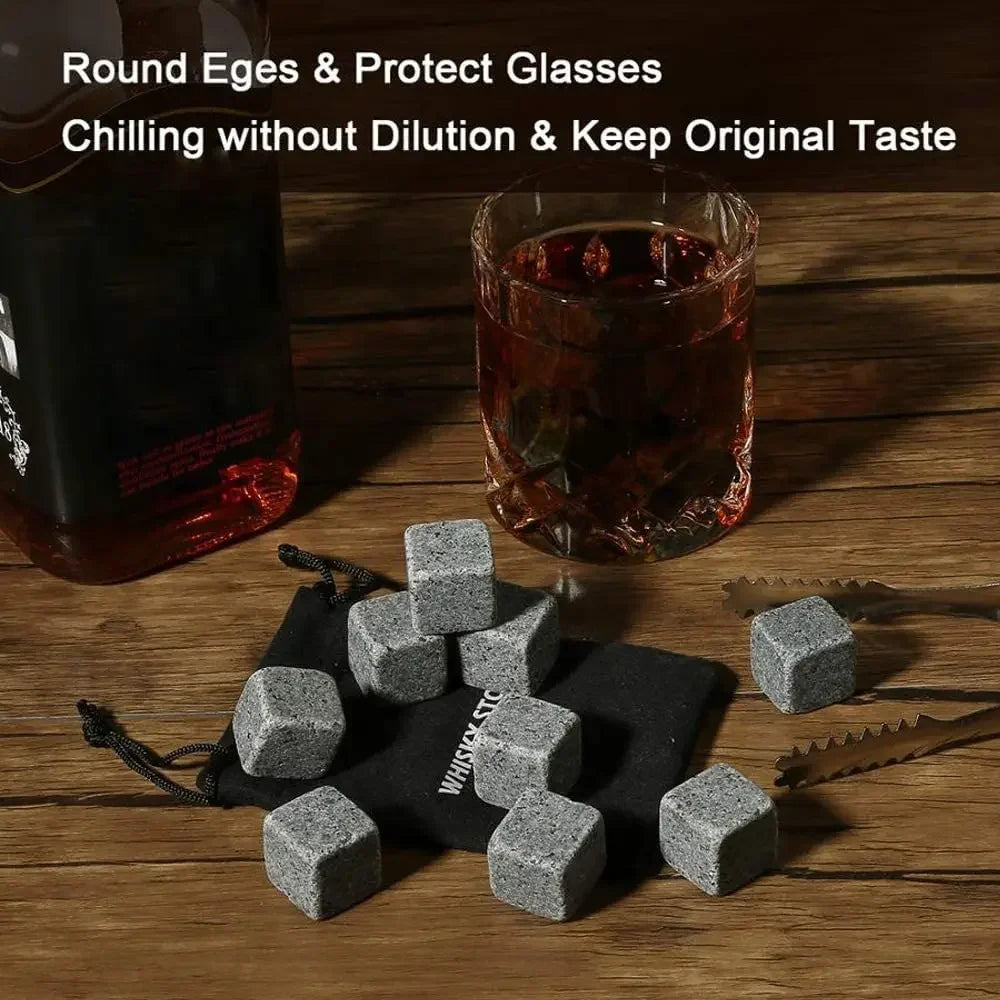
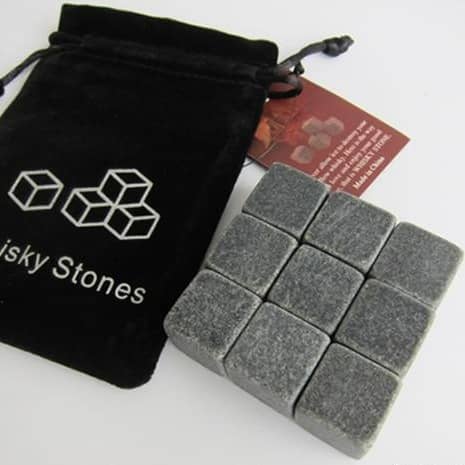
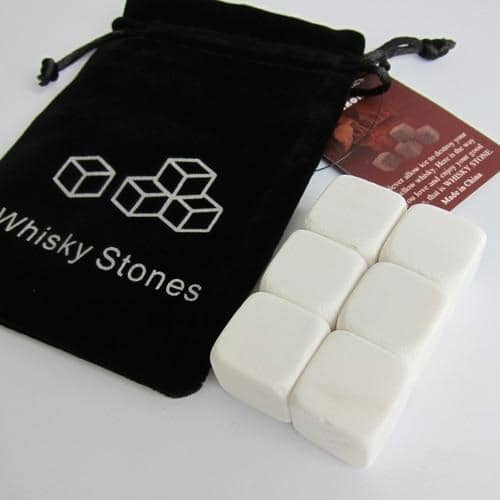
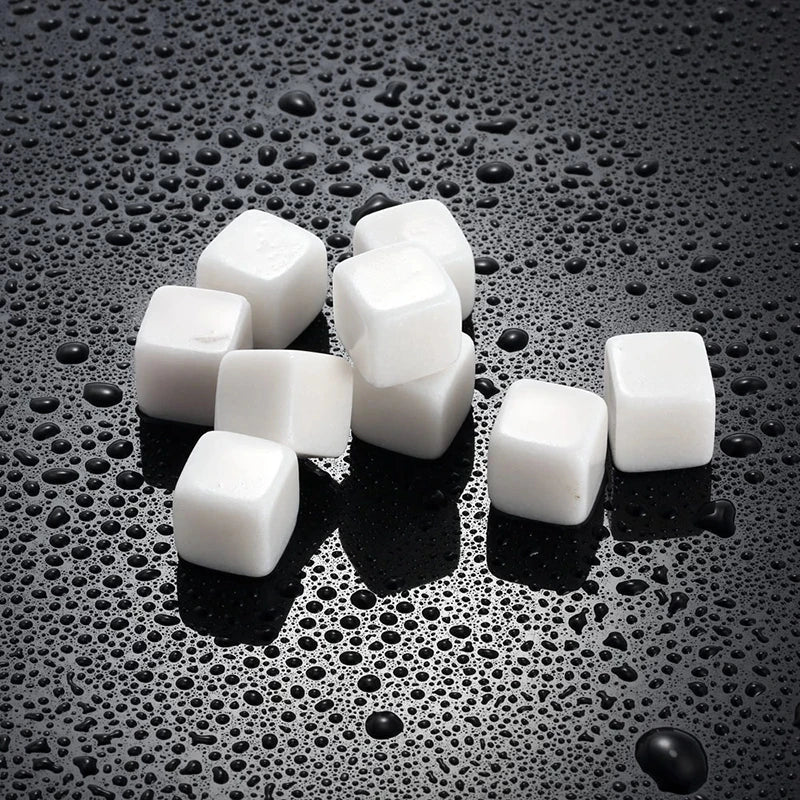
A stone ice cube—also called a whiskey stone—is carved from a natural rock capable of absorbing cold and releasing it slowly. This rock is called soapstone. You place your cubes in the freezer for a few hours, drop them into your glass, and the drink chills without a drop of water added, without altering the taste.
The concept dates back to the 1990s in Sweden. Marianne Berggrund, wife of the owner of the Handöl soapstone quarry, had the idea of cutting small 2 cm cubes from the rock and freezing them. The invention received media attention in 1994, and the Täljsten brand was born. Since then, the concept has expanded to include Breton granite and stainless steel.
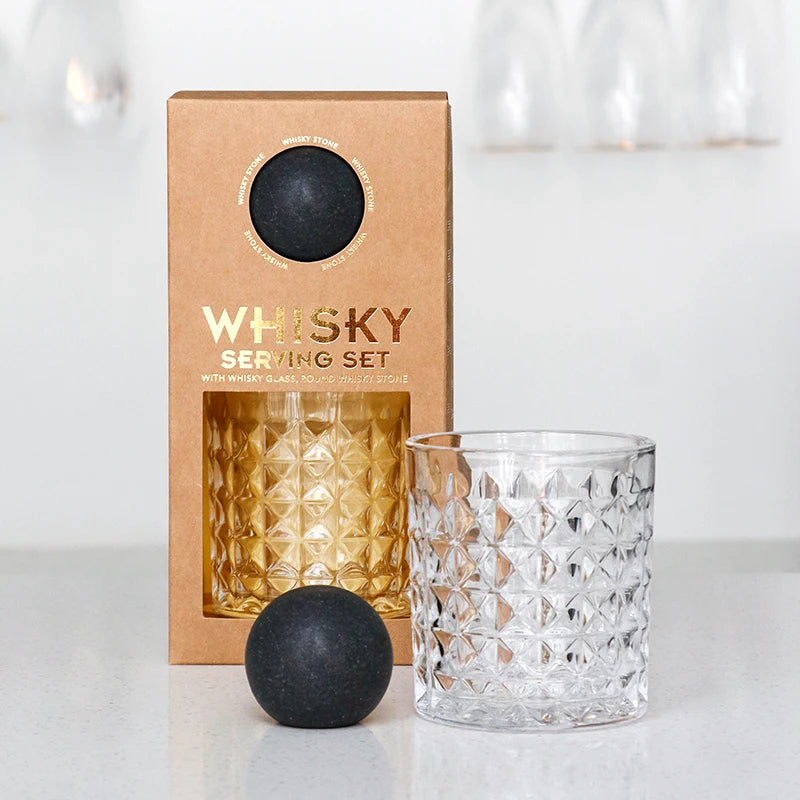
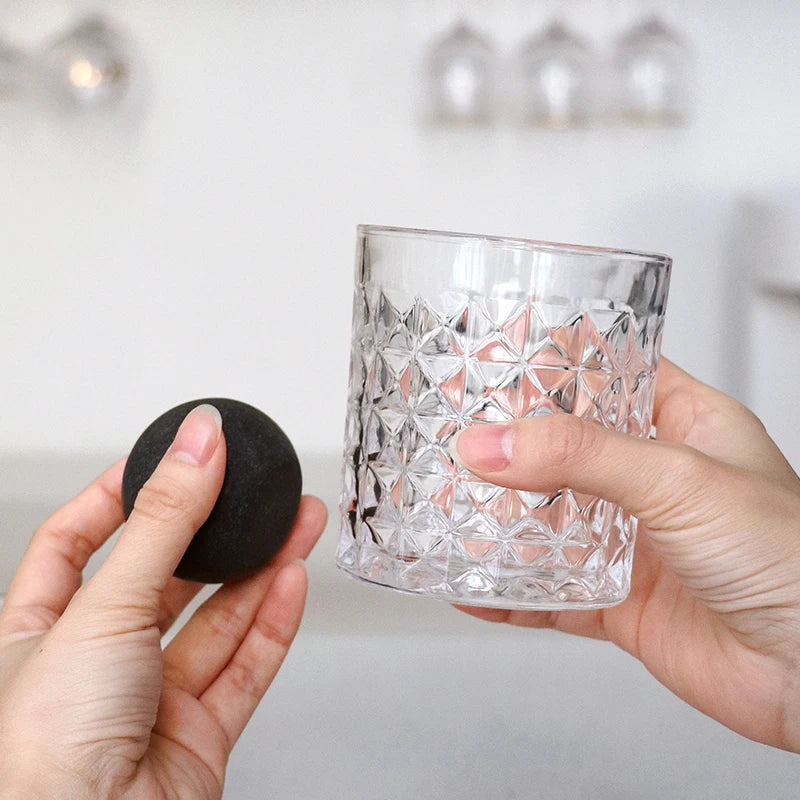
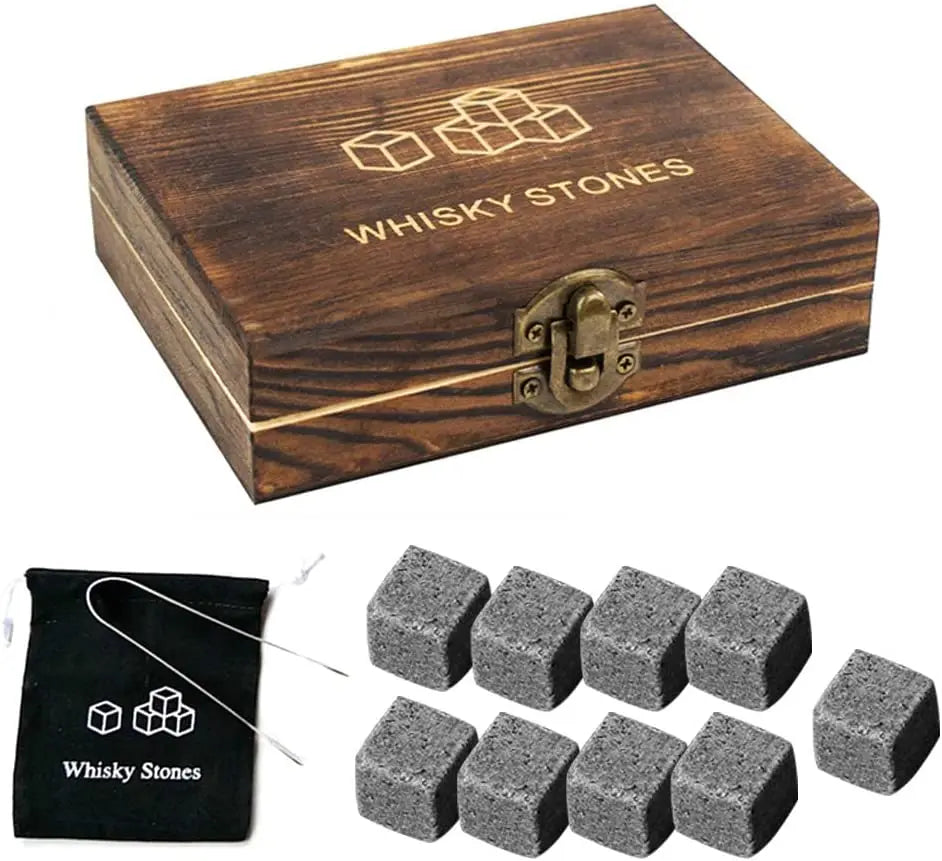
Today, this accessory is often sold in a set with a whisky glass and tongs. It has become a classic for spirits enthusiasts. → See our selection of sets
Stone ice cube or ice: why choose them?
When an ice cube goes into your glass, it absorbs the heat from the liquid. So far, the principle is the same. Except that the ice melts, and this water dilutes your drink. After 15 minutes, your single malt will have lost a good part of what gives it its character.
With a rock or metal cube, there's no melting. The heat is absorbed by the solid mass, but nothing dissolves. Your aromas remain intact from the first glass to the last.
Let's be honest: a cube of rock will never cool down as quickly as ice. Ice benefits from the energy of its phase change (solid to liquid), giving it a superior cooling power. But that's precisely why connoisseurs prefer rock: it cools gently, without dropping below 7°C, where the aromatic notes become muted.
Why choose stone ice cubes?
- Reusable. One purchase, no wear and tear.
- Zero dilution. The aromas and flavors remain intact throughout the tasting.
- Minimal maintenance. A rinse with water after each use, back in the freezer, that's all.
- A beautiful object. In a wooden box with polished cubes, it's a nice change from a plastic bin.
- Environmentally friendly. No plastic, no water consumption. Breton stones are often cut from quarry offcuts.
- Versatile. It works equally well with white wine, cognac, a cocktail or even fruit juice.
- Delivered to your door. Available for direct delivery from our store.
Soapstone, granite or stainless steel: which stone ice cube should you choose?
There are three main categories. Each has its own strengths. Here's a comparison to help you choose.
Steatite (soapstone)
This is the most common type. This soft rock, composed of talc, was used by the Vikings to make cooking vessels. The best-known variety comes from Handöl (Sweden), sold under the brand name Täljsten.
What we like: the low price, the soft feel, the fact that it doesn't damage glass. Completely odorless.
The drawback: it's the least cooling material. Le Comptoir Irlandais, distributor of Täljsten in France, indicates a temperature drop of approximately 2.5°C per stone in 4 cl of whisky. Sufficient for a spirit at room temperature, but don't expect an ice-cold drink.
Granite
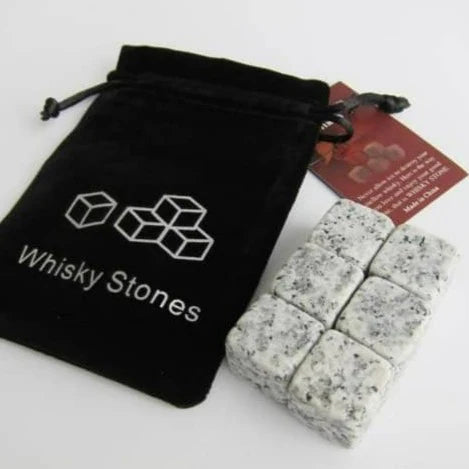
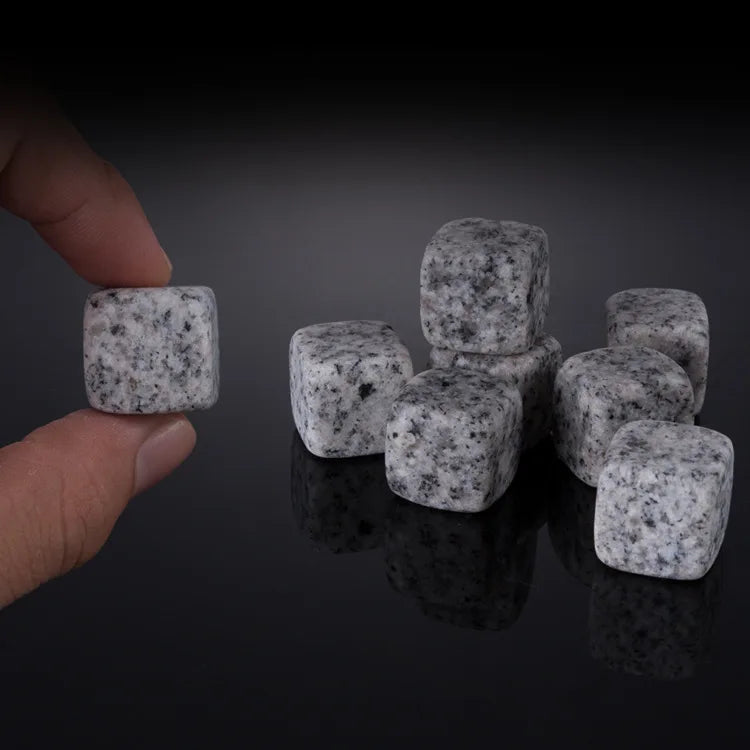
Harder and denser, it cools slightly better than soapstone. It is also the most visually appealing: the shades range from grey-blue ("Bleu de Lanhelin" from Brittany) to speckled black, including pink.
What we love: its robustness, natural aesthetics, and thermal capacity. Granite was formed by the cooling of magma deep underground — it naturally retains cold well.
The caveat: it's slightly rougher than soapstone. Some inexpensive cubes can scratch delicate glassware. Use the tweezers provided in our sets.
Stainless steel
The newest on the market. Its advantage: thermal conductivity far superior to stone. Stainless steel models reach the correct temperature faster and maintain it longer.
What we love: its efficiency, modern look, compatibility with a rum glass or any cocktail. And it's the easiest to clean.
The downside: the feeling of metal in the mouth is divisive. Choose food-grade stainless steel (type 304) to avoid any aftertaste.
Comparative table
| Criteria | Steatite | Granite | Stainless steel |
|---|---|---|---|
| Cooling | Mild (~2.5°C per cube) | Moderate (slightly higher) | The most effective |
| Cooling speed | Progressive | Progressive | Fast |
| Preserving aromas | ★★★★ | ★★★★ | ★★★☆ |
| Aesthetic | ★★★ | ★★★★ | ★★★ |
| Sustainability | ★★★ | ★★★★ | ★★★★★ |
| Average budget (set of 6) | 13-15€ | 13-20€ | 15-20€ |
| Ideal for | Slow tasting | Whisky, cognac, rum | Cocktails, wine, intensive use |
Our choice? Granite. It offers the best balance between efficiency and tasting pleasure. And when it comes from Brittany, that's a bonus.
Given the budgets involved, we recommend trying two materials to form your own opinion. Our kits start at €12.99 →
Brands and customer reviews
The market has grown since the 2000s. Here are the names that come up most often among enthusiasts, along with the feedback we read most often.
Täljsten — The historic brand. A Swedish family business that launched the concept in the 1990s. Their 8-piece boxes are distributed in France by Le Comptoir Irlandais (€25-30). Customers appreciate the quality of the material and the elegant packaging. The only recurring complaint: some find the cooling a bit weak.
On The Rocks — The benchmark for French craftsmanship. Stones carved from granite sourced from the Breton coast and the Sidobre region. On The Rocks also offers stainless steel spheres under the Titanium Spirits brand. Customer feedback on the finish and aesthetics is overwhelmingly positive. It's the logical choice if French origin is important to you.
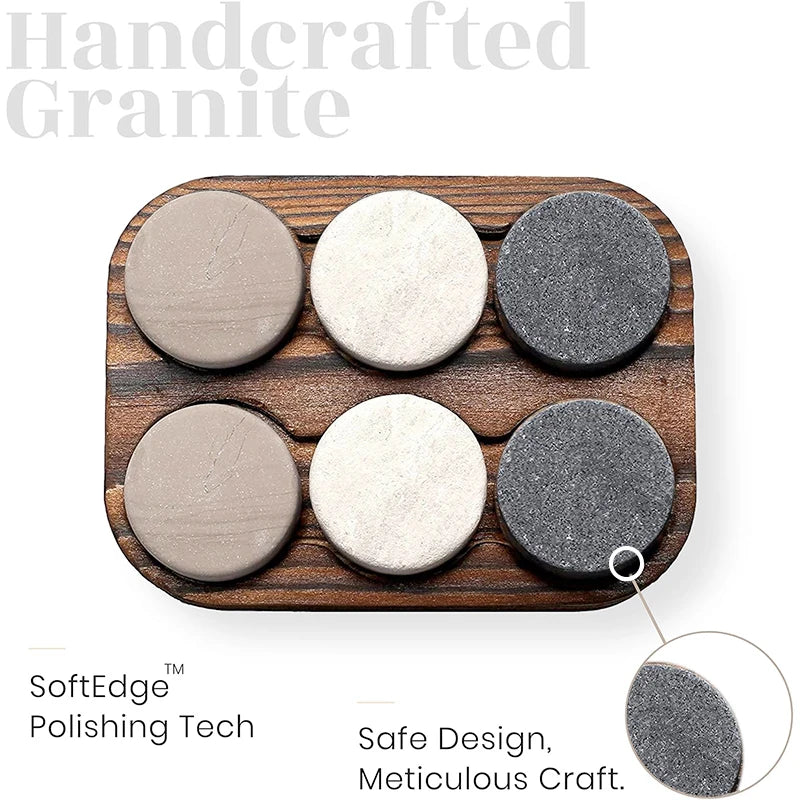
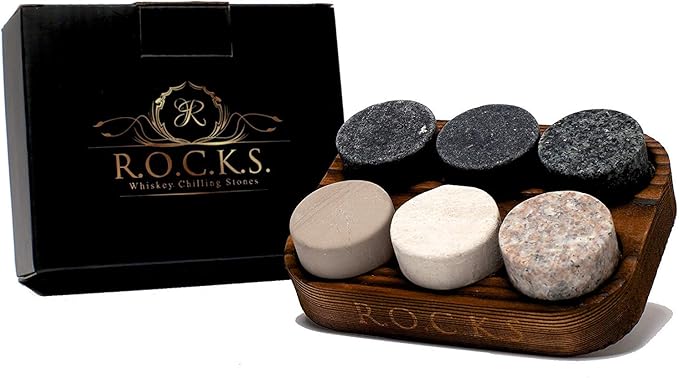
ROCKS — Handcrafted cylindrical pieces made of natural stone, presented on a wooden base. More expensive, but the object is beautiful. Buyers primarily choose it as a high-end gift.
At Limonadier , we have selected gift sets that cover all three materials:
- Set of 6 granite cubes — €12.99: our entry-level option, ideal for discovering.
- Glass set + cubes — €29.99: a complete gift with tasting glass.
- Two-glass set — €37.99: to share the moment as a couple.
All come with a clip and storage bag. Our customers often come back to buy a second one: it's the kind of gift that makes a lasting impression.
💬 "I gave the set to my dad for Christmas, and he uses it every weekend. I was surprised by the quality of the glassware for the price." — Verified Customer
A word of advice: avoid items priced under €10 on marketplaces. The finish is often poor (sharp edges, irregular size). A good indicator: the seller should be able to tell you the origin of the material.
How to choose the right stone ice cubes
Some criteria to check before ordering.
Size. The standard is 2 cm × 2 cm. Smaller and the effect will be insufficient. Larger and it might not fit in some glasses.
The finish. The pieces must be polished, without any roughness. Run your finger over them: if you feel any sharp edges, they could scratch your glassware.
The quantity. For 4 cl, 2 to 3 pieces are enough. For a large glass of wine or a cocktail, allow 4 to 6.
The contents of the set. A good set includes the stones, a storage pouch (velvet), and tweezers. Some of our sets also include a decanter or glasses.
Origin. If you're looking for products made in France, head to Brittany. Local producers and those in the Massif Central work with quarry offcuts — local and anti-waste.
Instructions for use and maintenance
First use
Have you just received your box? Here's how to proceed:
- Rinse each piece with clean water to remove any dust.
- Check that none of them have any cracks or chips. If so, do not use them.
- Place them in their bag and put them in the freezer. Allow at least 4 hours .
- When ready to serve, place 2 to 3 cubes in your glass before pouring. Cubes first, then liquid.
- Wait 1 to 2 minutes and enjoy.
Common mistake #1: Pouring the drink first and then adding the stones. The reverse order gives a better result because the liquid surrounds the cold stone instead of drowning it.
Common mistake #2: leaving them in the drink for more than an hour. Beyond that, they lose their effect and the alcohol residue becomes embedded in the rock, making cleaning difficult.
Cleaning and storage
Maintenance is minimal. After each use, rinse them under warm water and dry them. No need for soap, unless you've left them soaking for a long time. Put them back in the freezer in their bag.
As for glassware, there's no need to worry: well-polished stones won't damage a whisky glass or a Japanese whisky glass.
Lifespan: unlimited. These accessories do not wear out or lose their properties over time.
Frequently Asked Questions
What material should I choose for a stone ice cube?
It depends on what you're drinking. For spirits enjoyed neat (whiskey, cognac, rum), granite is the best compromise: it cools sufficiently without dulling the aromas. Scandinavian soapstone also works very well, with a slightly gentler effect. For cocktails or wine that you want chilled, stainless steel is more suitable because it cools faster.
Which is the best material?
If we had to choose just one: granite. It offers the best balance between cooling capacity, durability, and aesthetics. French production has the advantage of being local. Soapstone is suitable for purists who want a very subtle effect. Stainless steel is for those who prioritize performance. When in doubt, start with stone.
What is the purpose of a stone ice cube?
To chill your drink without diluting it. Ice does the same thing initially, but as it melts, it masks the aromas. A rock or metal cube gently lowers the temperature and keeps it in the ideal tasting range (between 14 and 18°C for whisky) without adding any liquid.
How long in the freezer?
Leave them for at least 4 hours the first time. After that, keep them refrigerated in their bag: they're always ready. The effect lasts about 1 hour.
Does it scratch the glass?
Not if the stones are properly polished. This is the case with all our products. Problems usually arise with poorly finished, entry-level models. Always use the tweezers provided to remove them gently.
Can they be used for something other than whisky?
Absolutely. White wine, rosé, cocktails, fruit juice, flavored water—any liquid you want to chill without diluting it. Some of our customers even use them to keep their iced coffee at the perfect temperature.
Where can I buy stone ice cubes?
Available directly on Limonadier.co. Our sets range from €12.99 to €59.99 for a complete set. Free delivery in France.
Is it environmentally friendly?
Yes. No water consumption, no plastic, no disposable items. The French stones are cut from quarry offcuts. It's one of the few bar accessories that's both practical and zero waste.

Discover our news in preview
Newsletter
Subscribe to our newsletter and enjoy 10% off