Sort by
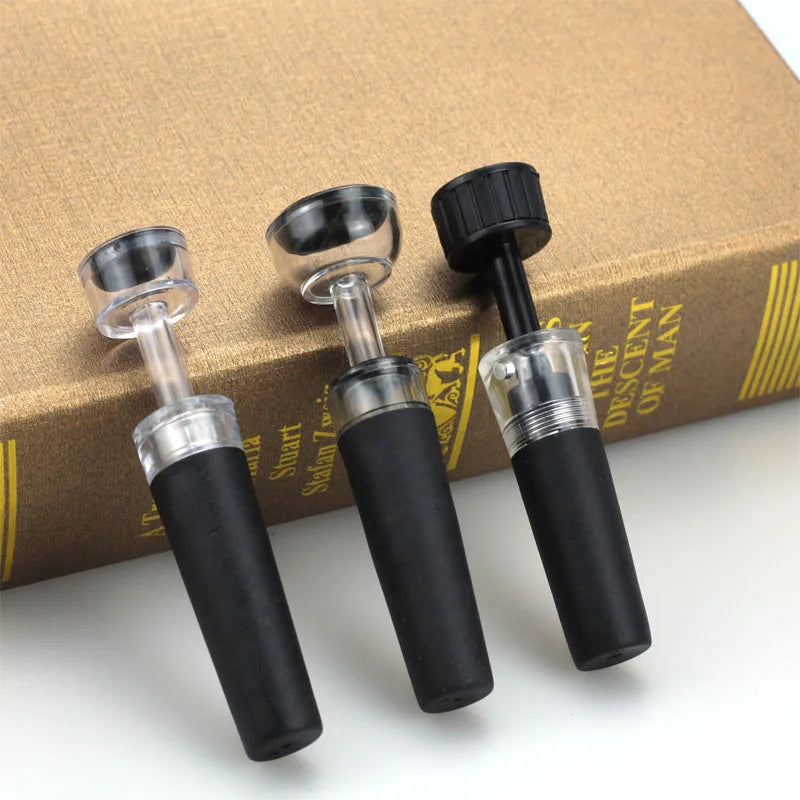
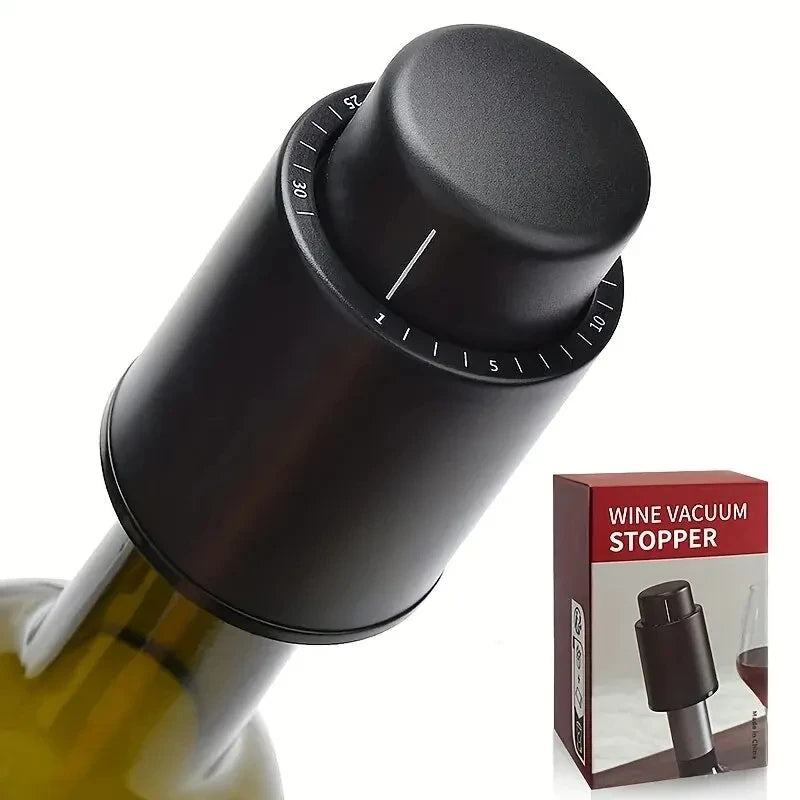
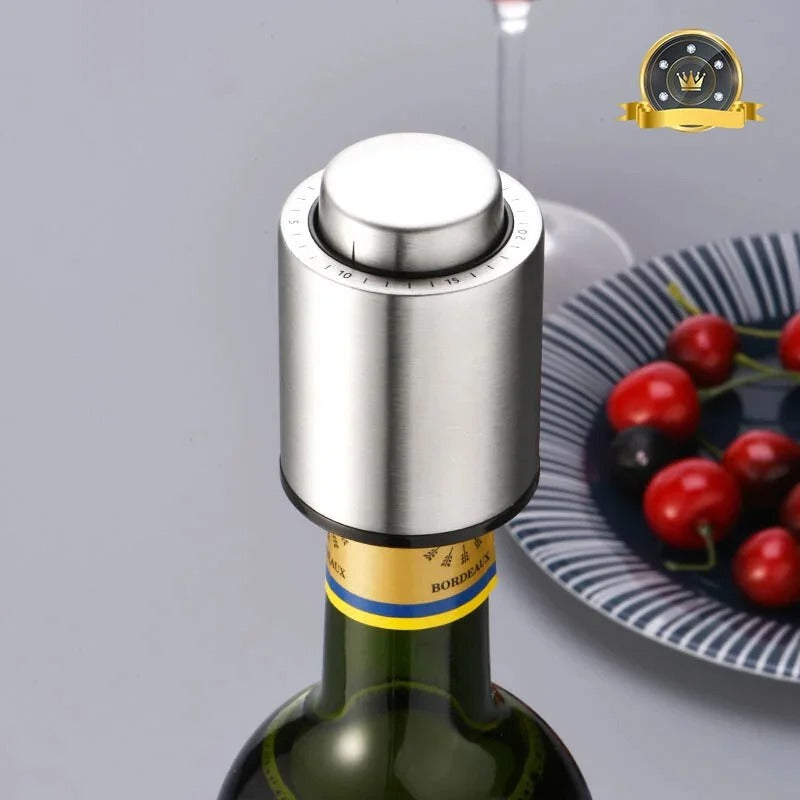
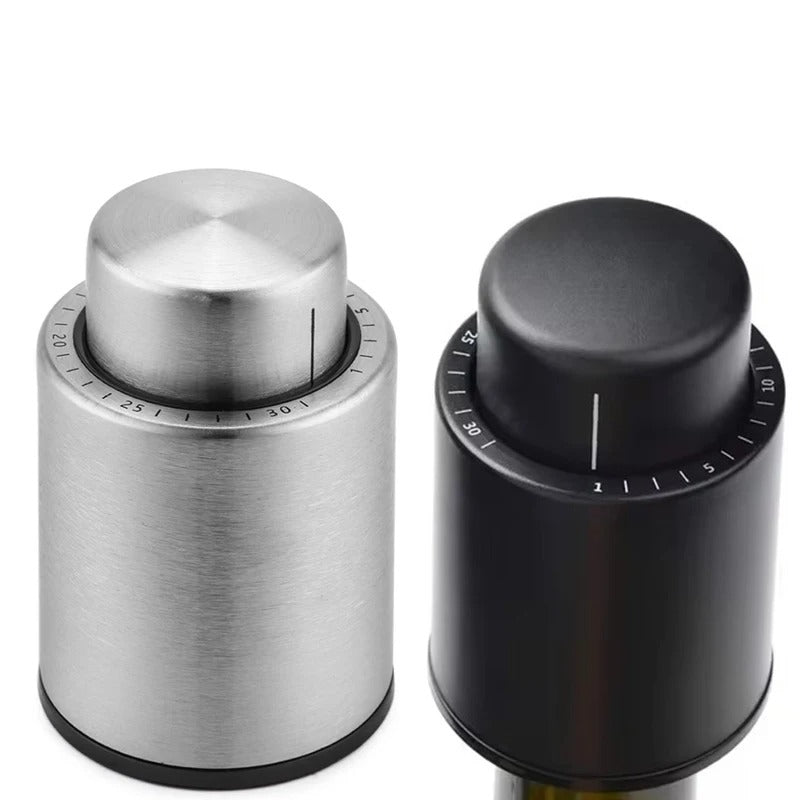
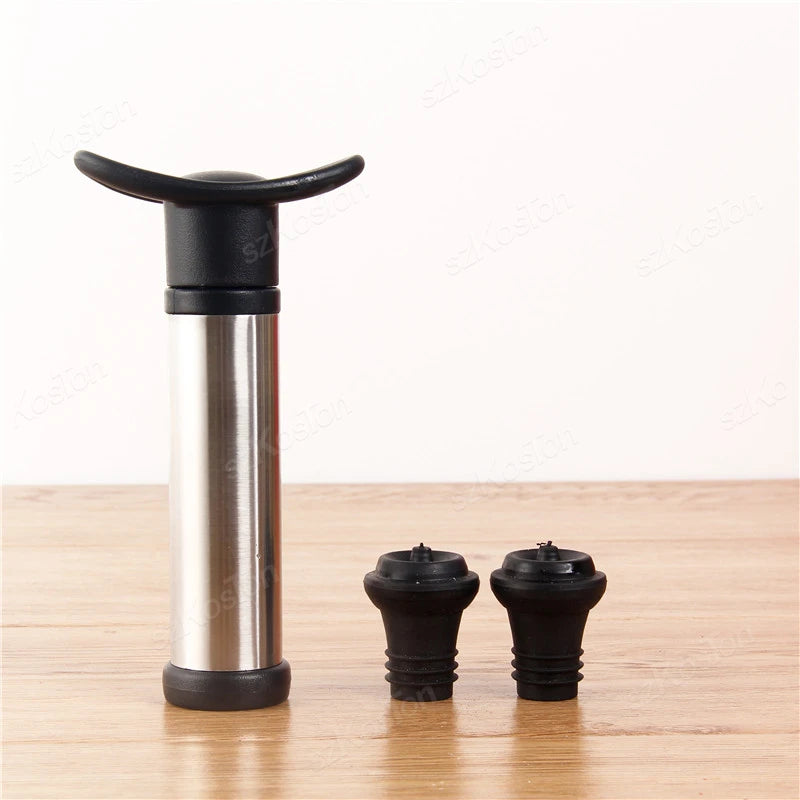
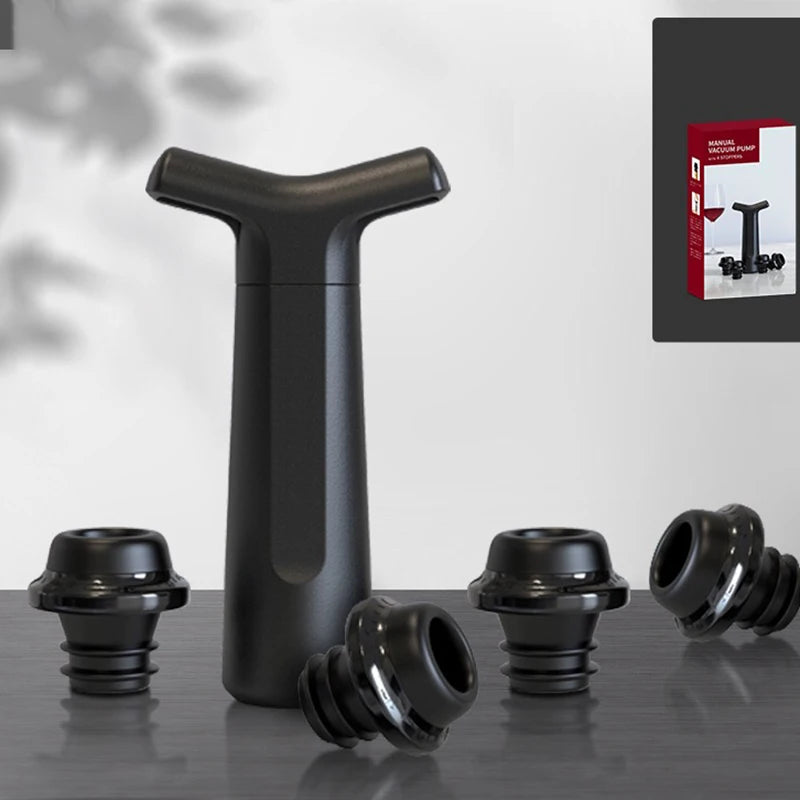
Empty air wine stopper
An open bottle shouldn't be thrown away.
You open a good bottle. You only drink half of it, and your tulip-shaped wine glass is empty. The next day, it's flat, stale, and disappointing. A vacuum pump solves this problem: it removes the air from the neck of the bottle, slows down oxidation, and keeps your wine in good condition for several days.
No magic involved. Just physics. Limonadier explains how it works!
How does a vacuum pump for wine work?
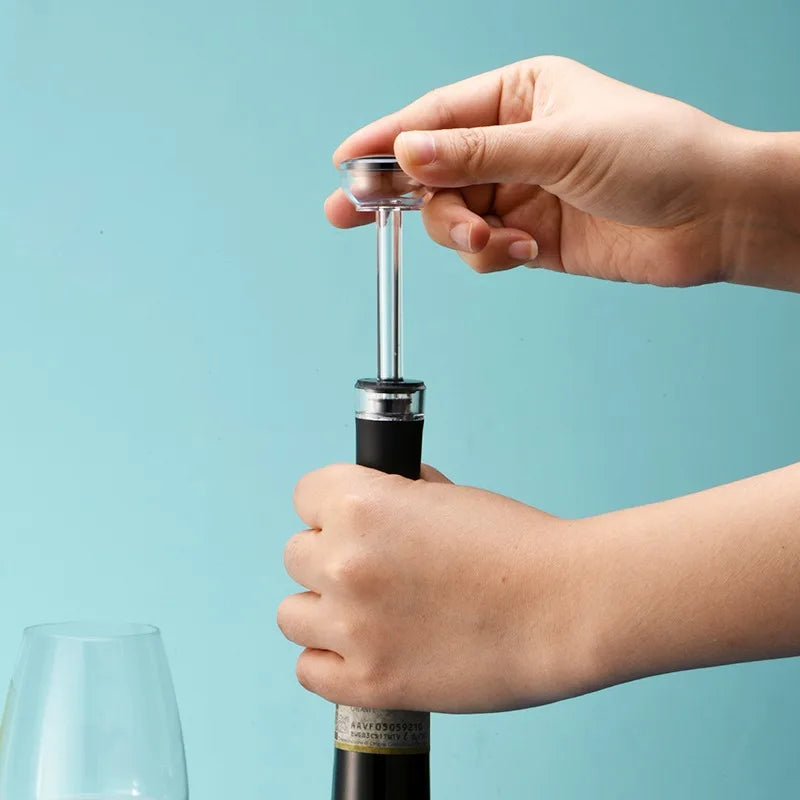
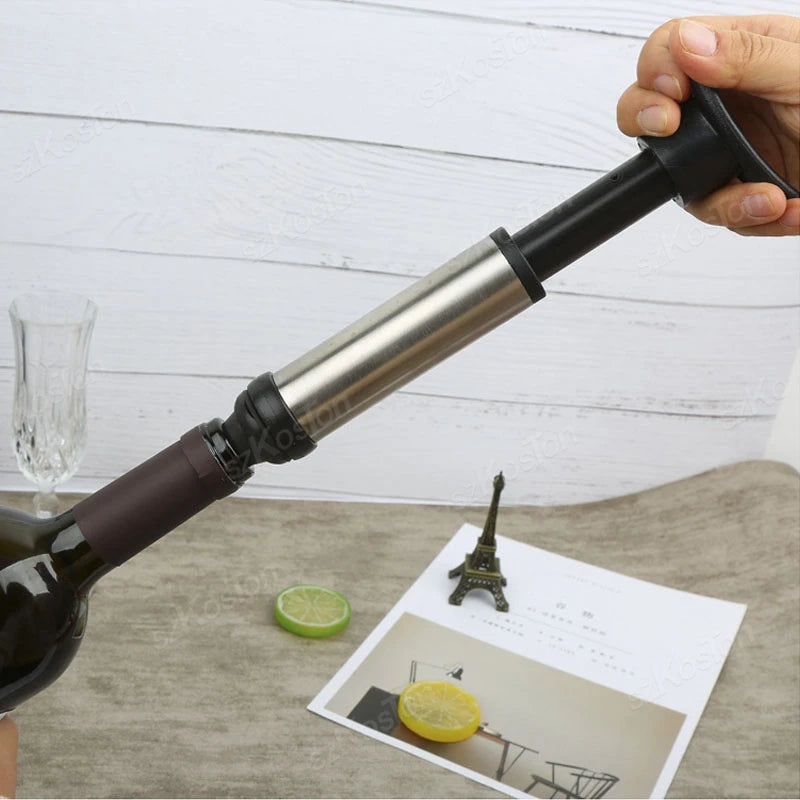
You place a special stopper on the neck of the bottle, activate the pump to remove the air, and the bottle becomes partially vacuum-sealed. Without oxygen, the wine deteriorates much less quickly.
A red wine stored under vacuum will remain drinkable for 3 to 5 days after opening. A dry white or rosé will last more like 2 to 3 days. The fuller the bottle is when you pump the vacuum, the better the preservation—the less air there is to remove. Simply replacing the cork won't work. If you used an air corkscrew, your cork won't be reusable and won't preserve the wine properly.
Which vacuum pump should you choose? The models we really recommend
To go beyond manufacturer descriptions, the online wine magazine Toutlevin conducted a blind tasting with Tristan Ringenbach, a sommelier and wine merchant in Lyon. Five identical bottles of Guigal 2011 Côtes du Rhône were tasted 24 and 48 hours later. The results are conclusive—and we've used them to guide you.
Gard'Vin On/Off Wine Workshop — The test winner
The Ringenbach test concluded with a "flawless" performance. After 48 hours, the fruity aromas remained intact, the palate balanced, and the spices even more pronounced than upon opening. It was hard to guess that the bottle had been open for two days.
What makes the difference: the On/Off cap and its red piston. When the indicator switches to the down position, the vacuum is created. No noise to watch for, no resistance to interpret—you can see immediately that it's ready. In a noisy kitchen or late at night, it's much more convenient than the audible click of the VacuVin.
The soft-touch finish makes it comfortable to hold, and the pumping action is smooth. It's the kind of tool you find on professional tasting tables. Not for show—because it's built to last.
Price: around €25-35 depending on the kit, including 2 On/Off caps. Replacement caps are available but less common than those for the VacuVin.
VacuVin Wine Saver — The affordable benchmark
The Ringenbach test yields a mixed result. At 24 hours, the VacuVin performs well: aromas of small red fruits, a pleasant wine. At 48 hours, the wine begins to lose its edge—flatter, less length on the palate. Not disastrous, but clearly inferior to the Gard'Vin.
Its real advantage remains its price and availability. At around €12-15 with two caps, replacement caps are readily available for €4. If a cap breaks in two years, you can replace it in two clicks. No other brand can boast that.
Its patented audible click, intended to signal vacuum sealing, proved barely audible according to testers—you have to rely on the resistance rather than the noise. A minor drawback, but worth noting.
Verdict: excellent value for money for regular use on wines to be consumed within 24-36 hours. If you keep your bottles for 48 hours or more, switch to Gard'Vin.
Peugeot Epivac — The only set that also handles champagne
VacuVin and Gard'Vin share the same blind spot: they don't work on sparkling wines. Opened Champagne, Crémant as an aperitif—standard vacuum pumps suck out the air but also remove the bubbles. The result: half-flat wine the next day.
Peugeot designed the Preserve Duo system to cover both scenarios. One pump, two types of stoppers: standard stoppers for still wines, and sparkling wine stoppers that maintain pressure instead of releasing it. For champagne, the principle is reversed—the CO2 is preserved, not extracted.
If you never drink sparkling wine, the Epivac doesn't offer a clear advantage over the Gard'Vin. But if you regularly drink champagne, it's the only set that covers both uses. Price around €20-25.
Electric pumps — The numbers speak for themselves
The Ringenbach test also evaluated an electric screw-on bottle stopper. At 24 hours: the aroma was muted, with alcohol dominating the fruity notes. At 48 hours: the bouquet was almost nonexistent, the aromas faded, and the wine was nearly unpleasant to drink. This was the worst result of the four models tested, far worse than the original cork stopper.
Priced around €30-40, batteries not included, results inferior to a €15 manual pump. There's no question about it.
Advantages and disadvantages of the vacuum pump
What actually works
For full-bodied red wines—Bordeaux, Côtes du Rhône, wines from the South—some are even better the next day. Aeration in the vacuum-sealed bottle softens the tannins without oxidizing the wine. It's a pleasant side effect that few people know about. And in terms of budget, a €15 pump that saves you from throwing away two bottles a month pays for itself quickly.
Limits to be aware of
The pump won't salvage wine already damaged by air. If you pump 24 hours after opening, the job is partially done. The tool works if you reseal immediately after serving—not the next morning with the remaining wine in the carafe . Fragile older vintages, however, deserve to be finished right away, whether the carafe is empty or not.
What criteria should be considered before buying?
The vacuum indicator
Avoid models without an indicator. You won't know if you've pumped enough—and insufficient vacuum won't retain anything at all. The comparison above details the differences between an audible click and a visual indicator.
The number of bottle caps in the set
A basic set comes with 2 stoppers. If you often open several bottles at the same time, get a set with 3 or 4 stoppers.
Compatibility with your usage
Do you mainly drink still wines? A standard manual pump will suffice. Do you also handle champagne or sparkling wine? Opt for a Preserve Duo system or invest in a separate sparkling wine stopper.
The price
A good vacuum pump will cost between €12 and €35. The price-to-performance ratio is excellent across the board—the main differences lie in durability, design, and finish. A set with three caps for around €20-25 is the sweet spot.
The gift idea
A vacuum pump and stopper set makes a practical and appreciated gift for around €20-30. Almost every wine lover needs one—and almost none think to buy it for themselves. It's the kind of tasting accessory that gets given as a gift and used for years.
Usage tips
Recap the bottle as soon as you finish pouring—don't leave it lying around. Pump until you hear the signal (click or indicator). Store the bottle upright, ideally in your serving wine cellar at 12-14°C. If you don't have a cellar, the bottom of the refrigerator works very well for white and rosé wines.
And if you have several opened bottles at the same time, note the opening date on a label or stopper. This avoids unpleasant surprises.
Interview
Rinse the caps under warm water after each use and let them air dry. The pump itself doesn't need to get wet—a quick wipe with a clean cloth is all it takes. A well-maintained set will last for several years without any problems.
Frequently Asked Questions
Does a vacuum pump really preserve wine?
Yes. It creates an oxygen-poor environment that preserves the aromas and structure of the wine. It's not a perfectly airtight system, but the results are measurable—the Ringenbach test on Gard'Vin describes the wine as "difficult to distinguish" from fresh wine after 48 hours.
How long can wine be stored with a vacuum pump?
3 to 7 days depending on the wine, the amount remaining in the bottle, and the storage temperature. Tannic reds keep better than delicate whites or rosés. A bottle that's three-quarters full, stored in a cool place, will easily last 5 days without any problem.
Does it work on all bottles?
Yes, it works on all standard-necked still wine bottles. For champagne and sparkling wines, a specific stopper is required — this is the key feature of the Peugeot Preserve Duo system detailed in the comparison.
What is the best vacuum pump for wine?
It depends on your budget and how often you'll use it. The full comparison, including the blind test, is just above—it will give you a more precise answer than a three-line summary.
Is it easy to use?
Very. You insert the cap into the neck, place the pump on top, and press. Ten seconds. To pour, simply remove the cap before serving.

Discover our news in preview
Newsletter
Subscribe to our newsletter and enjoy 10% off