Sort by
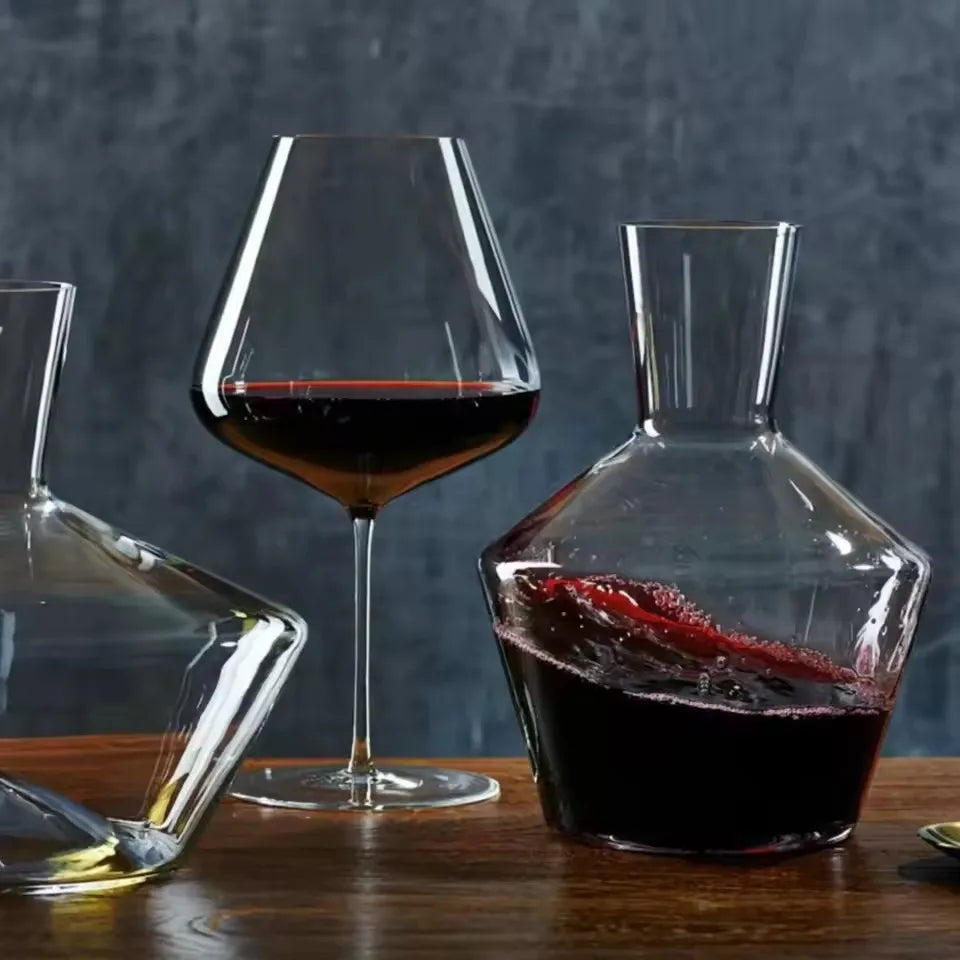
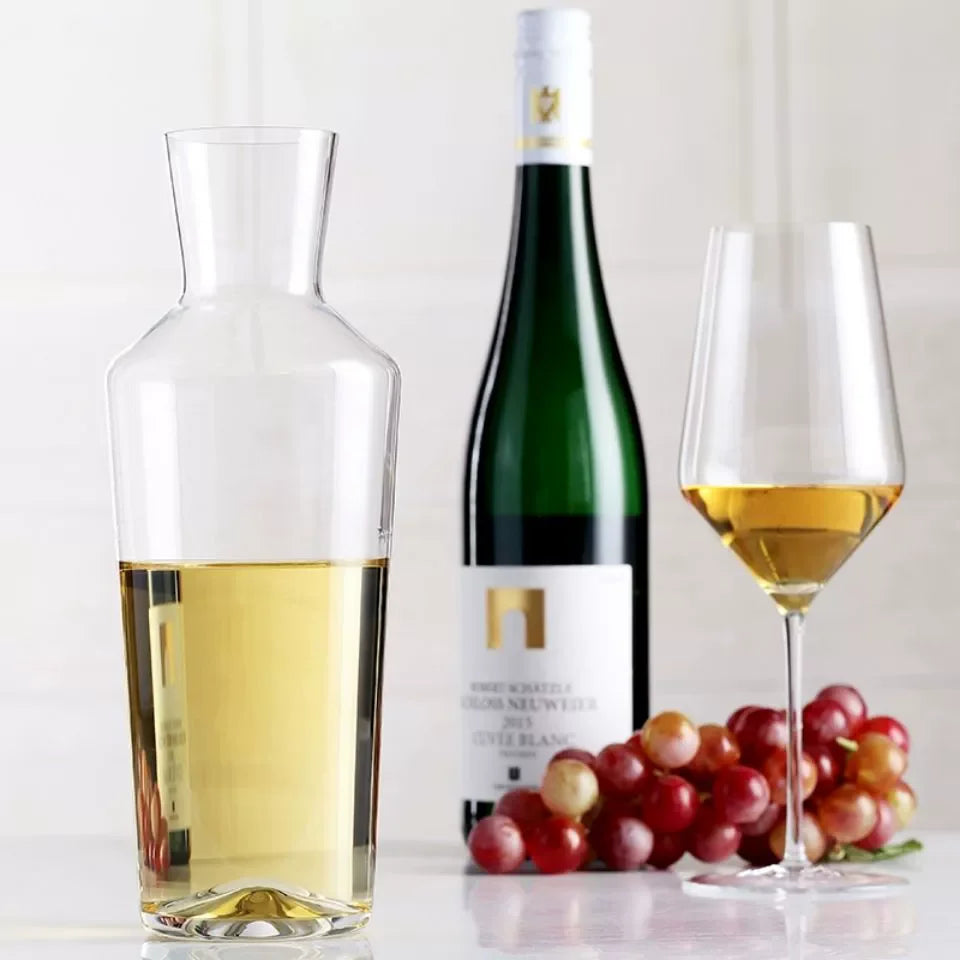


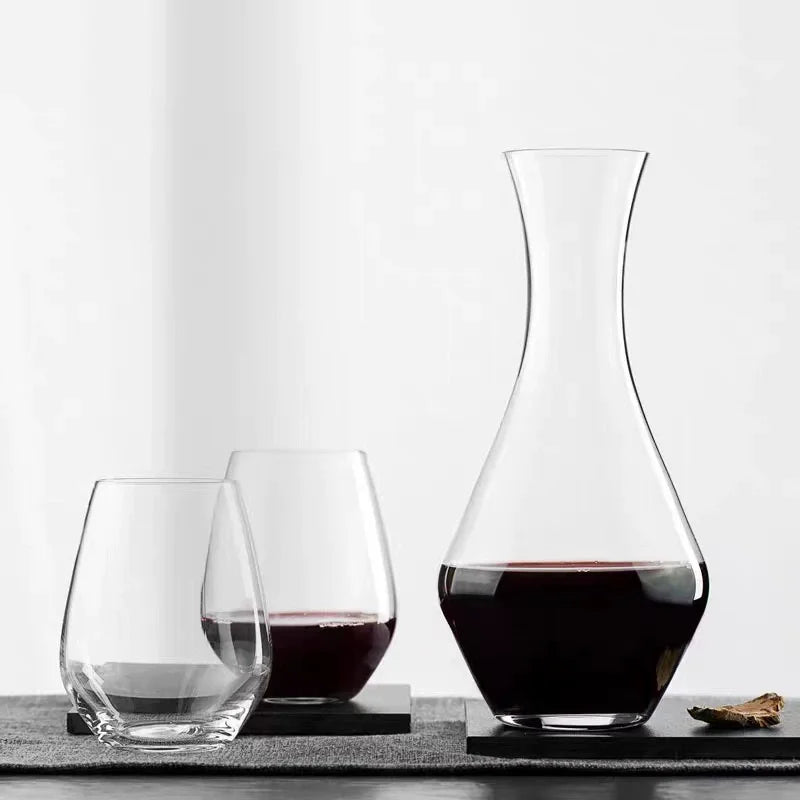
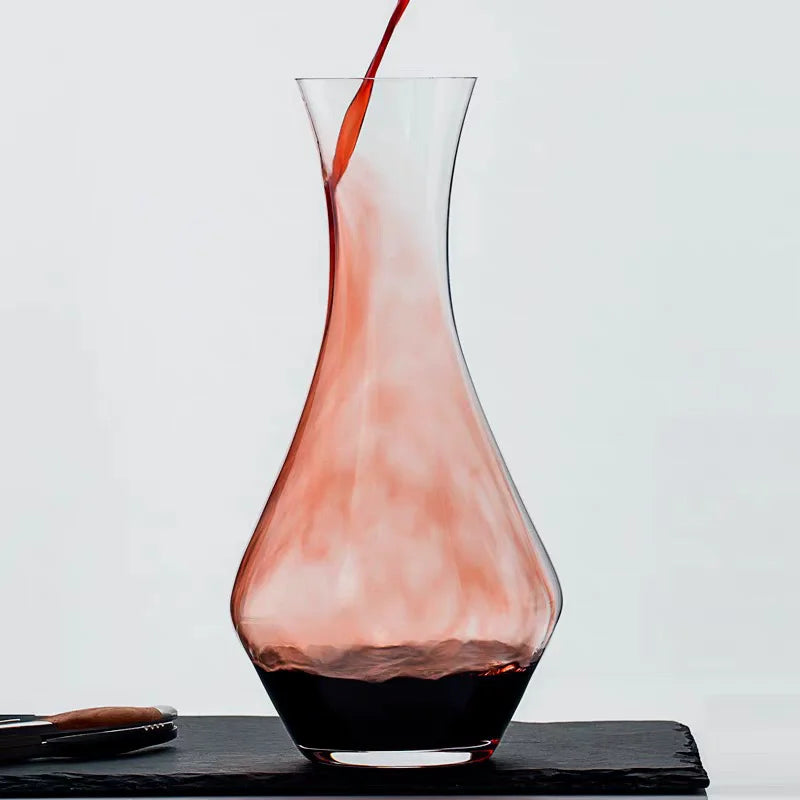
Wine pitcher
Pitcher or carafe? They're not the same thing, and they're not used in the same way. The answer depends on what you're serving and how you're serving it. Limonadier explains it all!
Pitcher and carafe: what's the difference?
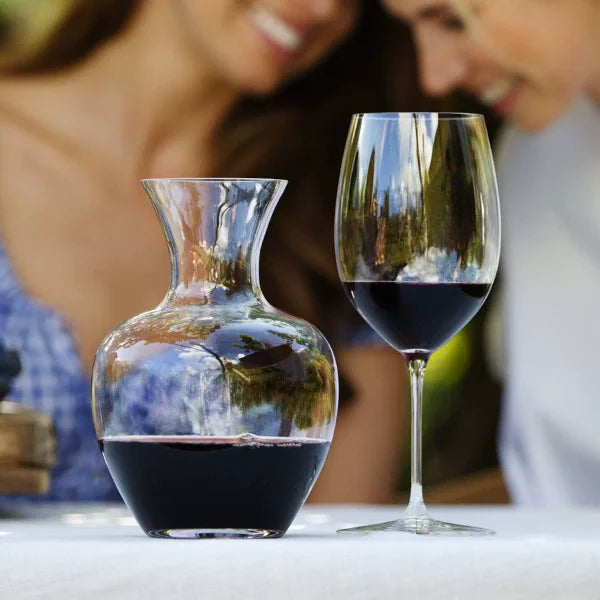
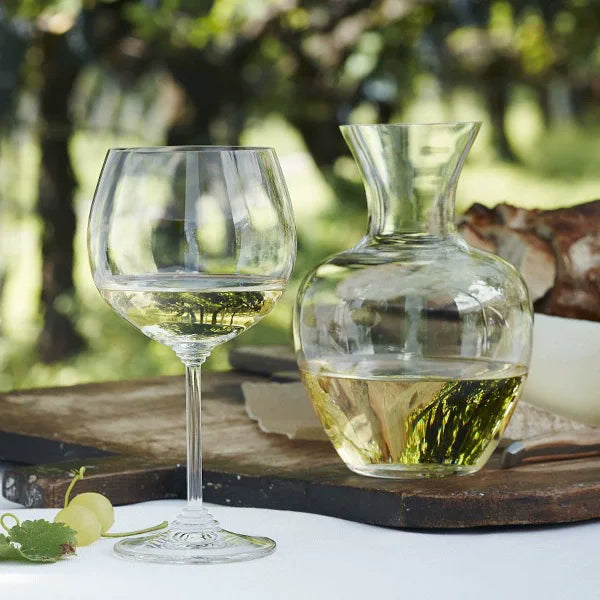
A pitcher is a container with a handle and a spout. It has a squat, often rounded shape. Originally, it was a small earthenware or metal jug used as a unit of measurement in bistros. Today, it can be found on restaurant tables for serving red or white wine in a tulip-shaped wine glass or a smaller glass.
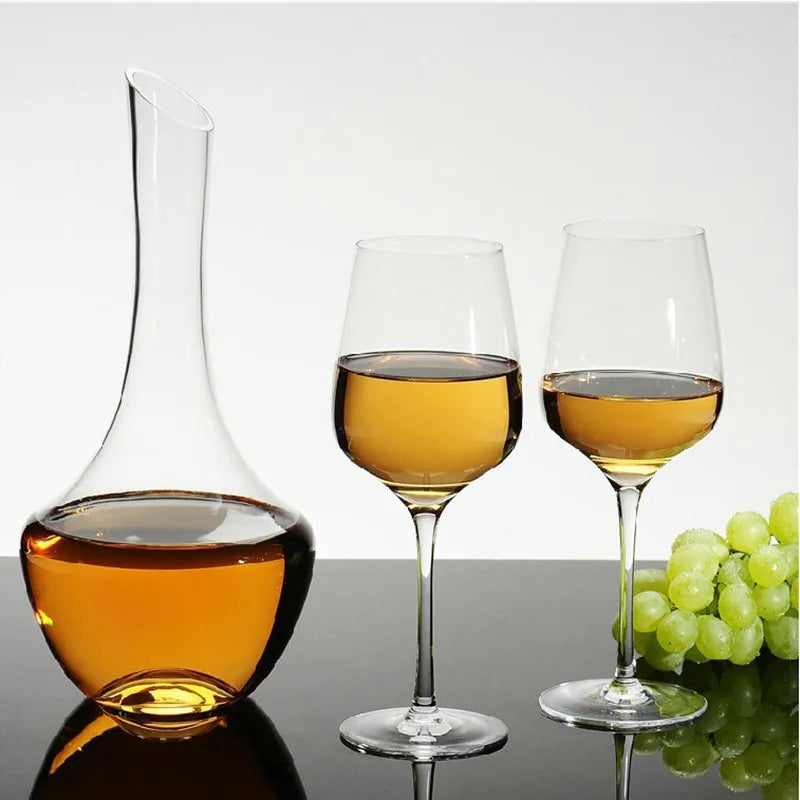
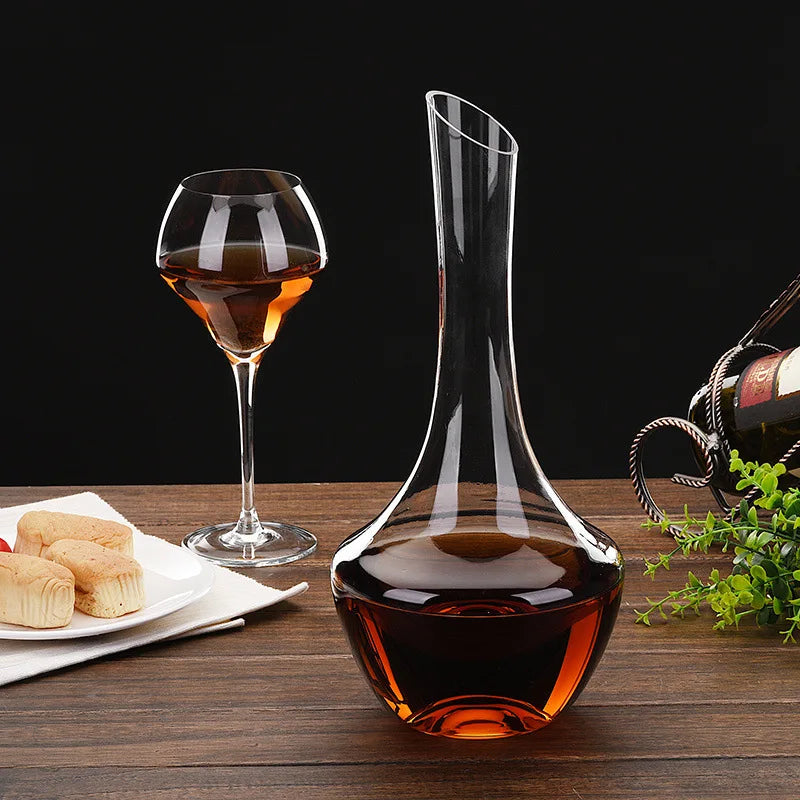
The decanter has no handle. It is held by the neck, which is usually long and narrow. Its wide base allows for better oxygenation of the wine. It is the tool for wine tasting: a red wine is poured into it before serving to allow it time to open up.
In summary: the pitcher serves, the carafe aerates.
The different types of wine pitchers
Clear glass pitcher
The most common model. The transparent glass allows you to see the wine's color and any sediment. Practical for everyday use, easy to clean, available in all sizes from 25 cl to 1 liter.
- Available sizes: 25 cl, 50 cl, 75 cl, 1 liter
- Material: blown glass, pressed glass or crystal
- Ideal for: family meals, everyday use, bistro service
Stoneware and ceramic pitcher
The perfect choice for rustic and relaxed table settings. Stoneware and ceramic are traditional materials fired at very high temperatures. They keep drinks colder longer than glass—their main practical advantage. A glazed stoneware pitcher adds a handcrafted touch to a country or Provençal table. Ceramic is available in a wide range of colors: white, red, blue, and natural tones.
- Available sizes: 50 cl, 75 cl, 1 liter
- Material: glazed stoneware, traditional ceramic
- Ideal for: casual table settings, rustic decor, gift
Original designer pitcher
These designs depart from the classic pitcher while retaining the same function: square shape, asymmetrical neck, or sculpted handle. They are as much decorative as they are functional. Some are inspired by Roman or artisanal forms, while others play on modern geometric lines.
- Available capacities: 30 cl to 95 cl depending on the model
- Materials: blown glass, ceramic, designer stoneware
- Ideal for: elegant table settings, gifts, family dinners
Wine jug
The large pitcher. The jug holds 1 to 2 liters. It's the ideal container for outdoor meals, large gatherings, and serving wine by the carafe to several guests. Often made of glass or stoneware, it's a great alternative to a bottle on an informal table.
- Available sizes: 1 liter, 1.5 liters, 2 liters
- Materials: glass, stoneware, ceramic
- Ideal for: special occasions, outdoor dining, table service
Which pitcher for which use?
| Need | Recommended format | Material |
|---|---|---|
| Meals for two, red wine every day | 25 cl to 50 cl | Clear glass |
| Family meal (4 to 6 people) | 75 cl to 1 liter | Glass or stoneware |
| Large table setting, festive occasions | 1.5 to 2 liter jug | Glass, stoneware or ceramic |
| Decorated table, Provençal or rustic style | 50 cl to 75 cl | Glazed stoneware, ceramic |
| Gift, beautifully set table | 50 cl to 75 cl | Blown glass, crystalline |
Materials — which one to choose?
The material changes the atmosphere as much as the durability.
- Clear glass. The most versatile. It enhances the wine's color and is easy to care for. Dishwasher safe for most models. Two subcategories: blown (thinner, hand-shaped) and pressed (molded, thicker).
- Crystal clear. Brighter than standard glass, and heavier too. Adds a touch of refinement for formal occasions. Fragile — handle with care.
- Glazed stoneware. Robust and traditional, bistro or country style. Avoid using the dishwasher if the glaze is old.
- Ceramic. Lighter than stoneware. Available in a wide range of colors: white, red, natural tones. Decorative pieces are hand-washable.
Wine pitcher vs wine carafe — when to use which?
The pitcher is suitable for table wine, light red wine, and chilled white wine. It is served directly, without any waiting time. This is the quintessential bistro practice: you order a quarter or half bottle, the server takes out his wooden corkscrew , and you serve yourself at the table.
A decanter is ideal for wines that need air. A tannic red wine less than five years old benefits from being decanted 30 minutes before serving. The aromas open up, and the tannins soften. For older vintages, the decanter is used for decanting: the sediment remains at the bottom of the bottle during the pouring process. For older vintages, a double-bladed corkscrew should be used to secure the cork.
A chilled white or rosé wine should not be decanted. It loses its freshness. A chilled pitcher, yes. A decanter at room temperature, no.
Incorporating a pitcher into the table decoration
A stoneware or ceramic pitcher on a raw wood table creates an instant effect. The handcrafted look of stoneware complements linen, matte plates, and brushed stainless steel cutlery. For a more modern table setting, a hand-blown glass pitcher with delicate lines blends seamlessly with any tableware.
The Provence style is built with earthy colors: ochre, off-white, and lavender blue. Glazed stoneware in these tones works effortlessly. For a relaxed outdoor table setting, a glass or ceramic pitcher with matching glasses is all you need. Want to add a little more fun? Use a compressed air corkscrew to open your bottle of wine—the effect of the cork popping out is magical.
Interview
Glass and crystal: as with a tulip-shaped champagne glass , hand wash in lukewarm water to preserve the shine. Avoid abrasive sponges that will scratch the glass. To remove red wine stains, white vinegar diluted in water is sufficient.
Stoneware and ceramic: warm water and mild soap. Avoid thermal shock (cold water on a hot pitcher). Most glazed models are quite durable for everyday use.
FAQ
What is the capacity of a carafe of wine in a restaurant?
In France, the standard sizes are a quarter (25 cl, or about 2 glasses), a half (50 cl, or 4 glasses), and a pitcher from a bottle (75 cl). A 1-liter jug is available in more informal settings.
What is the difference between blown glass and pressed glass?
The soufflé is hand-shaped, slightly irregular, and thinner. The pressed cake is industrially molded, thicker, and more durable. For everyday use, the pressed cake is dishwasher safe. For a more elegant table setting or as a gift, the soufflé has a different look—but it should be hand-washed.
Does a stoneware pitcher keep wine cool?
Better than glass, yes. Stoneware is a thick material that slows down temperature changes. But it's no substitute for an ice bucket for white wine, which should remain at 8-10°C throughout the meal.

Discover our news in preview
Newsletter
Subscribe to our newsletter and enjoy 10% off