



Which liqueur glass should I buy?
Every household in Europe has experienced a family meal where Grandfather has left the table to fetch a bottle of brandy. Made by a distiller, this spirit is very strong and has a fruity taste, unlike champagne or wine. That's why it's served in a special container.
A complete buyer's guide to purchasing the ideal model
Summary: A liqueur glass is a container used when serving an aperitif or digestif. It typically holds between 3 and 10 cl. The glass may or may not have a stem, depending on the type of aperitif being served. The liqueur glass's capacity is ideal for enjoying small quantities of concentrated spirits at the end of a meal.
There are three main categories of glasses available for sale:
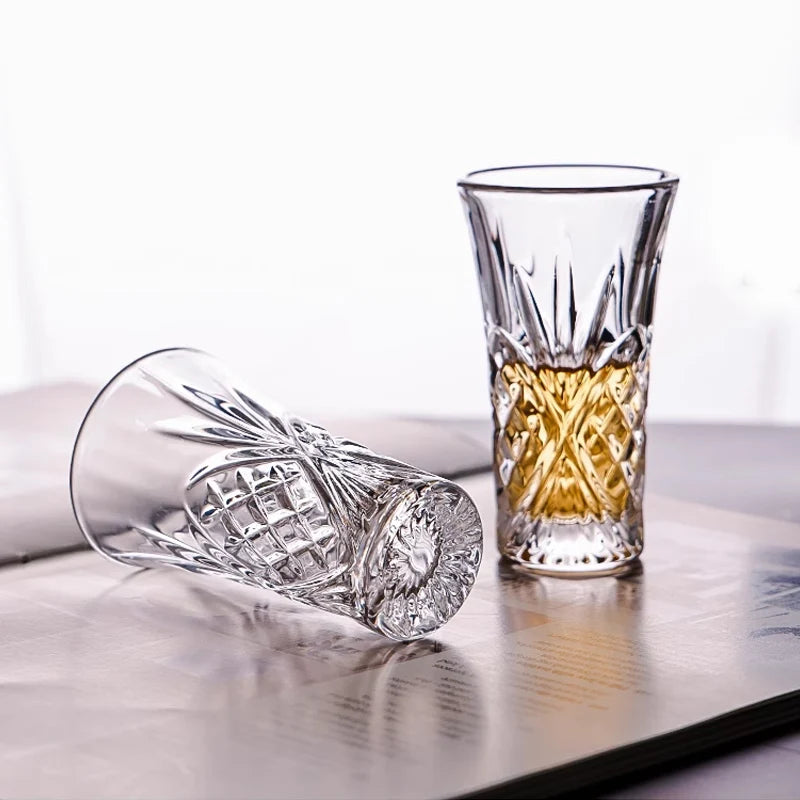
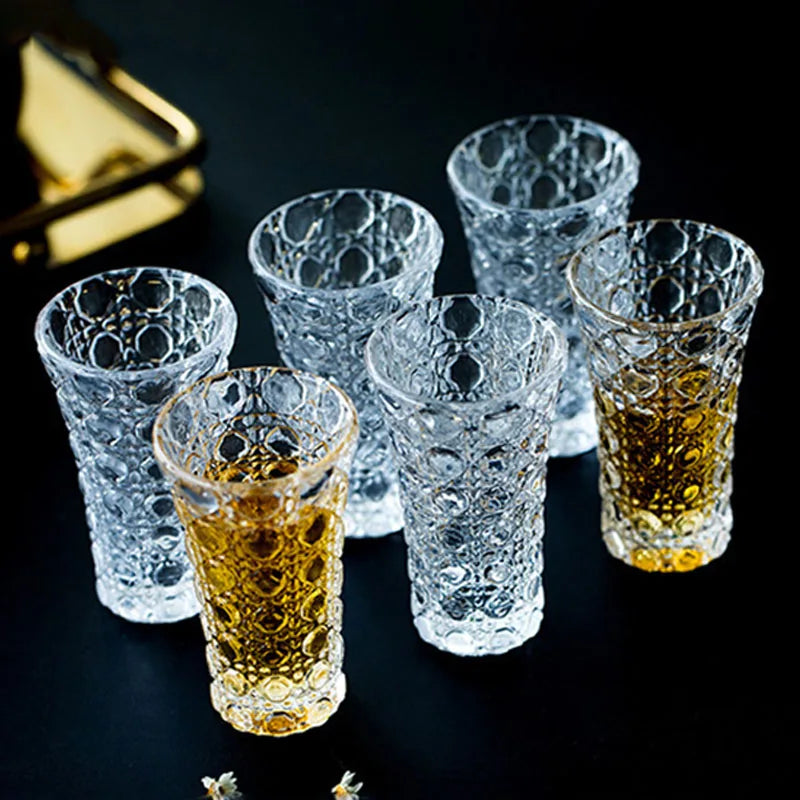
- The elongated shot glass. Used for alcoholic drinks like vodka. It is thick and durable.
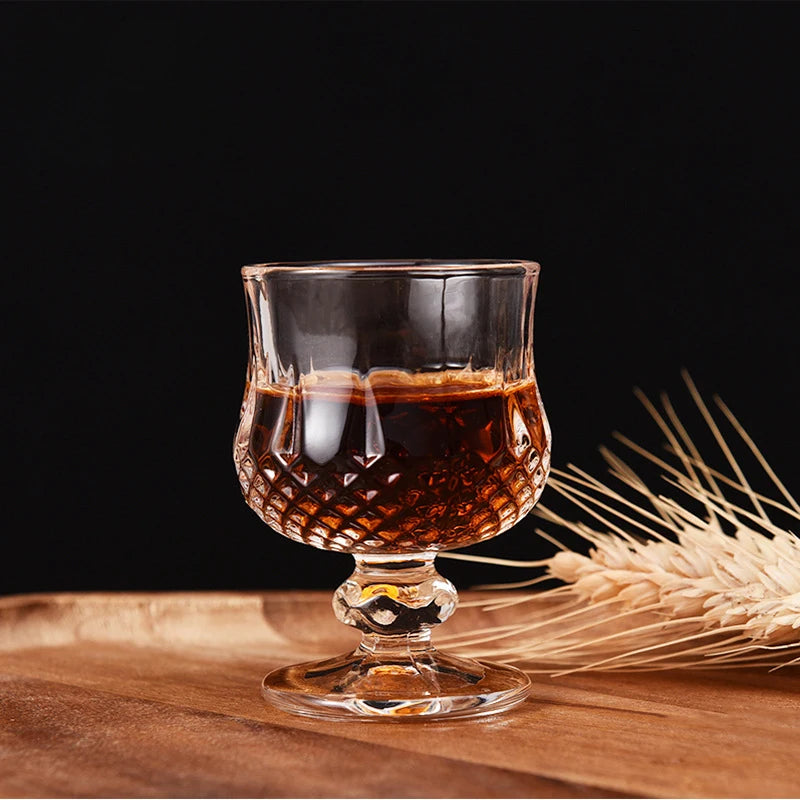
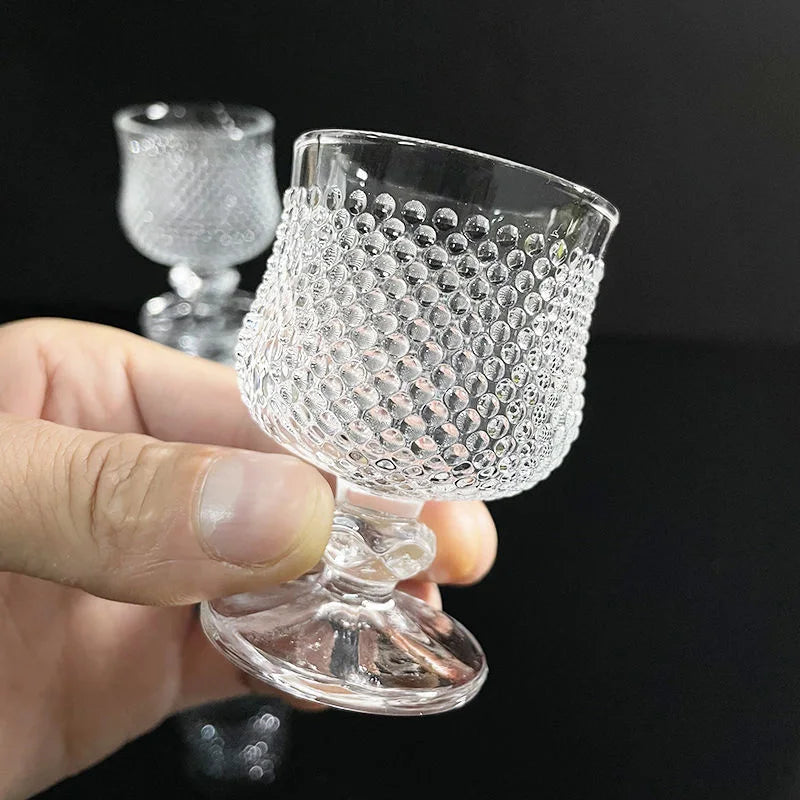
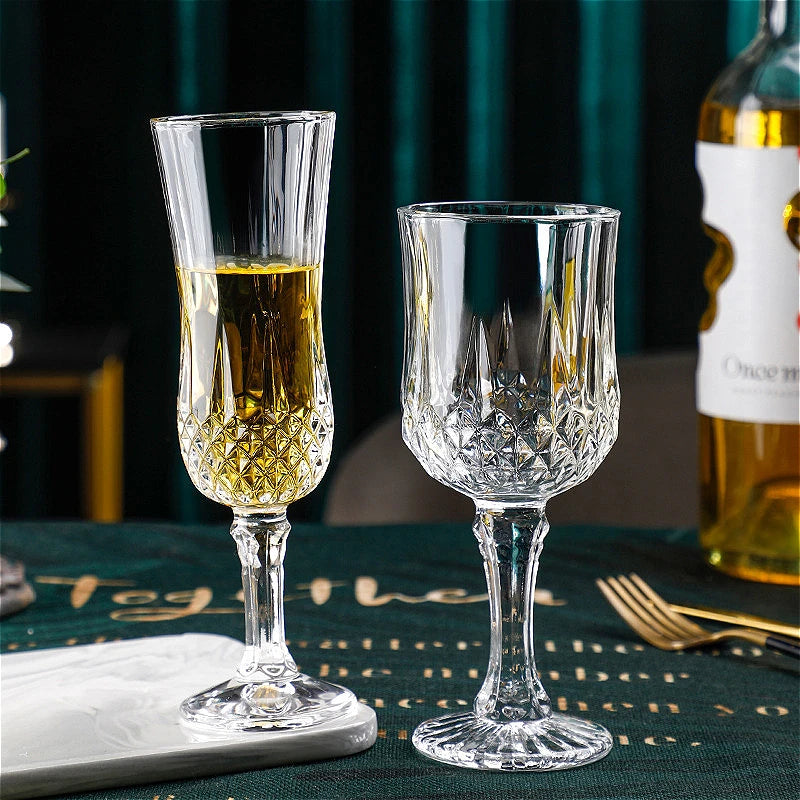
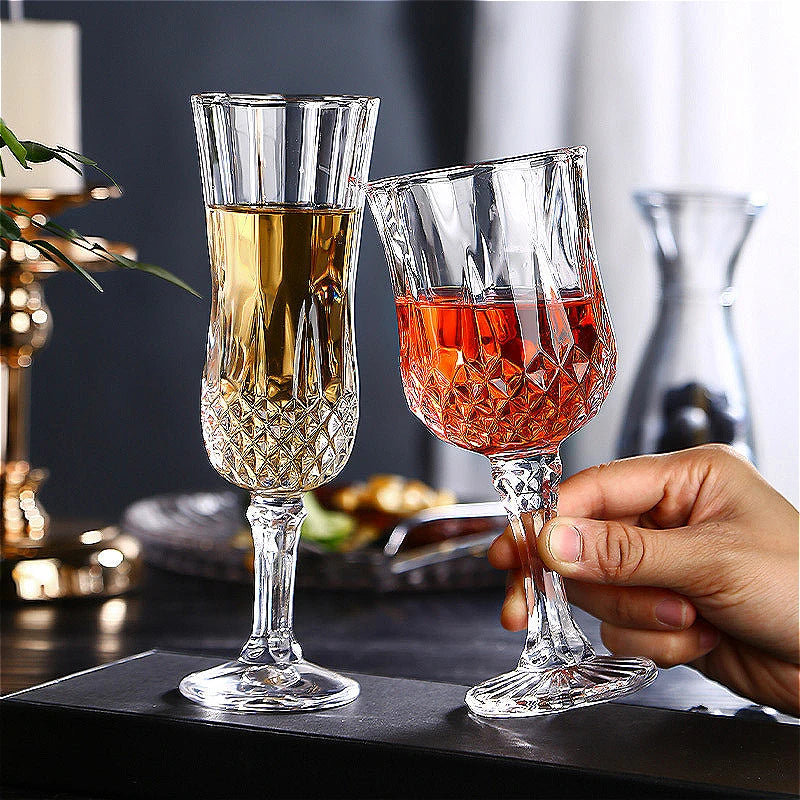
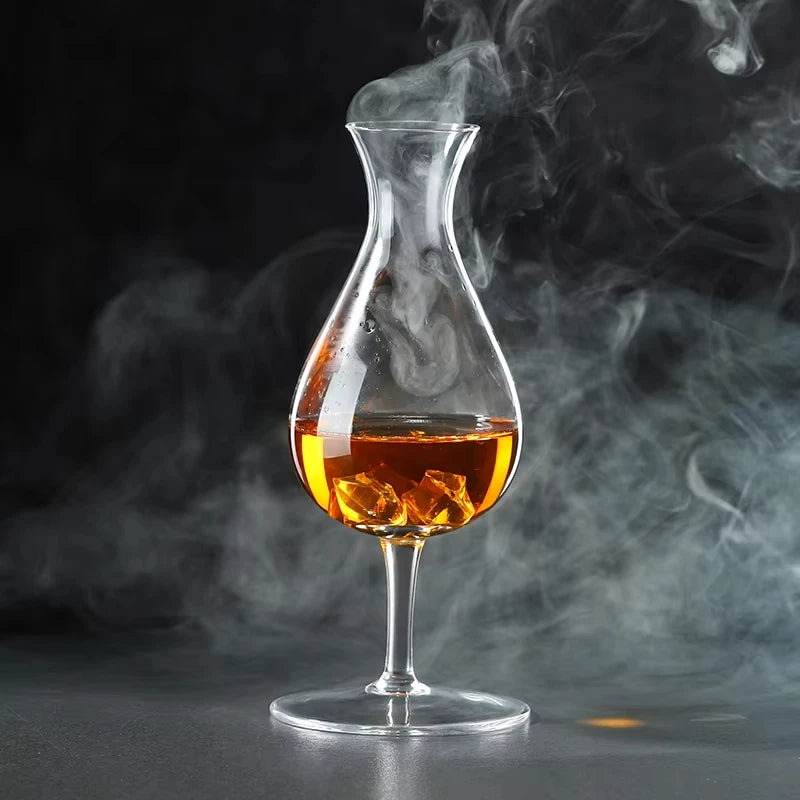
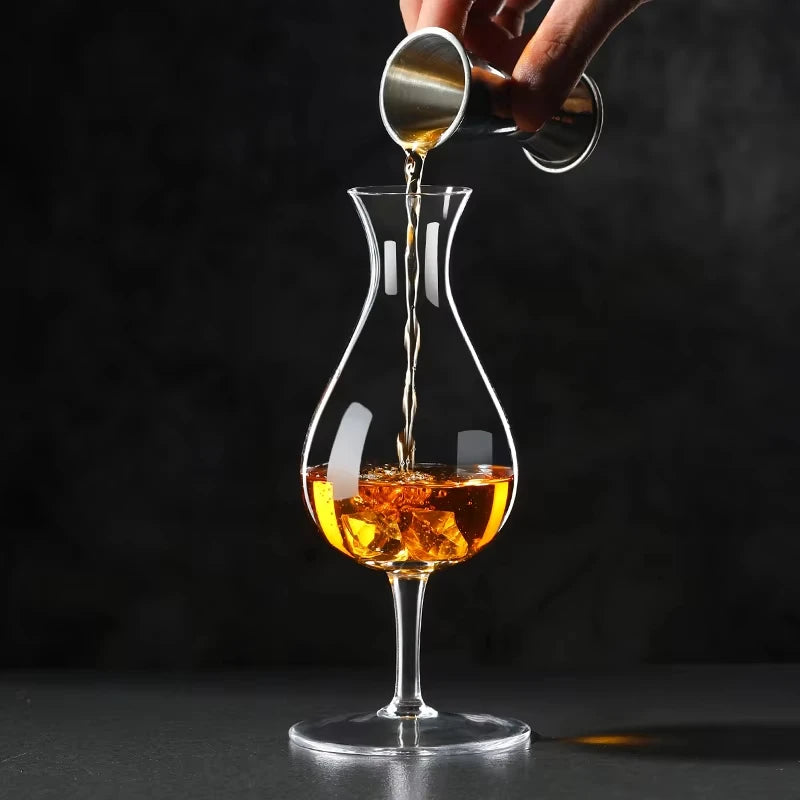
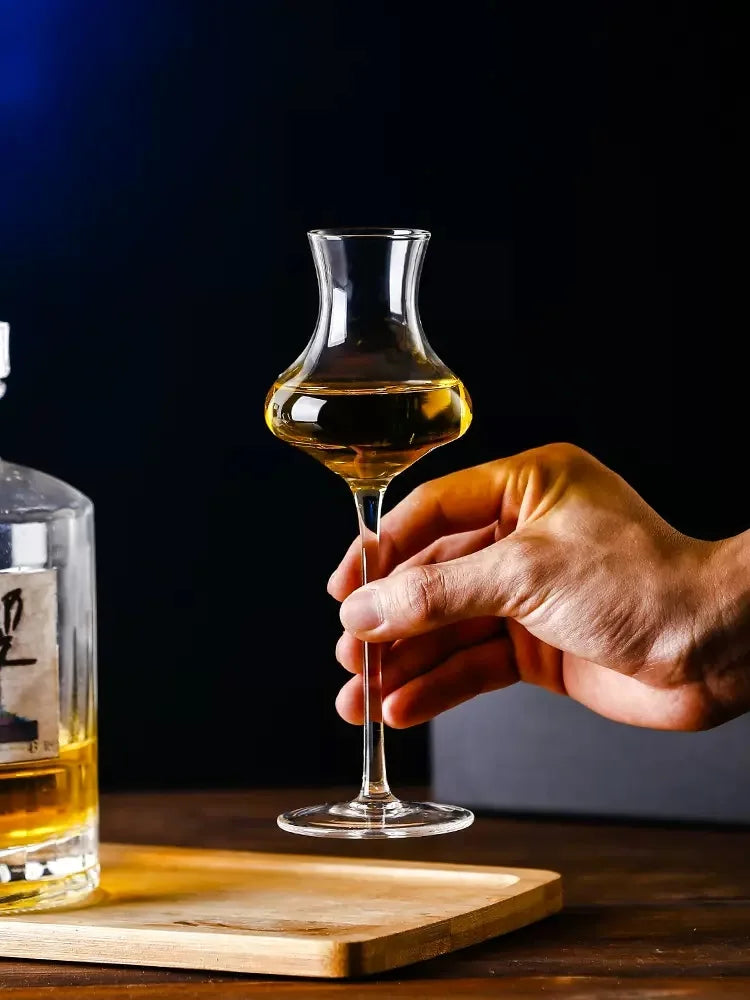
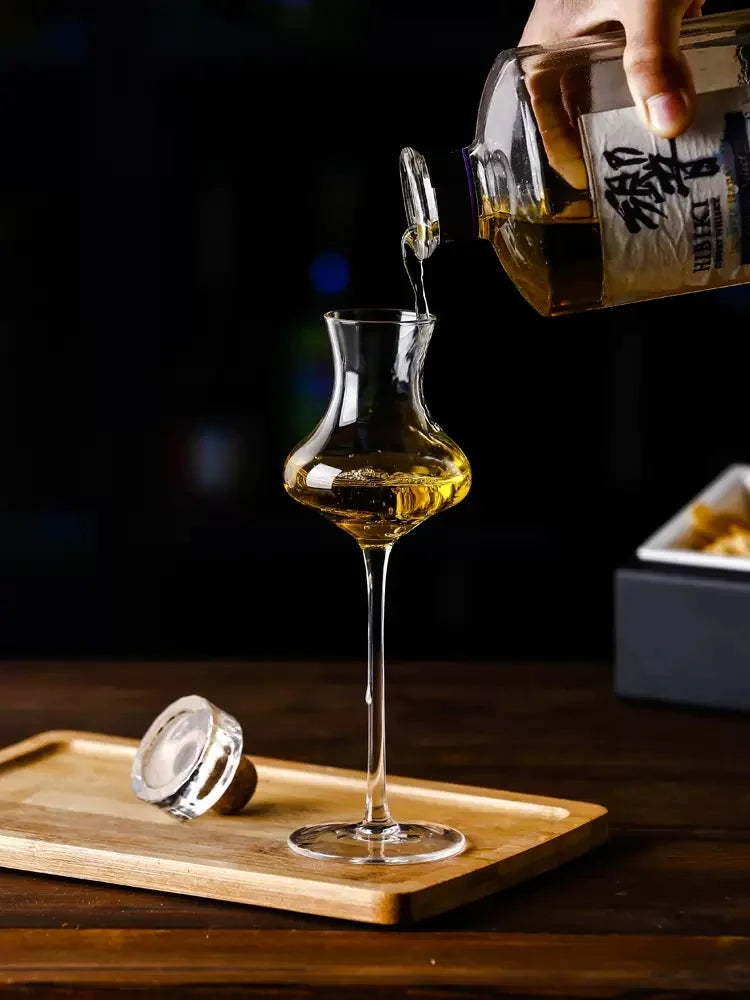
- The classic stemmed liqueur glass with a small stem. The glass may have a balloon shape.
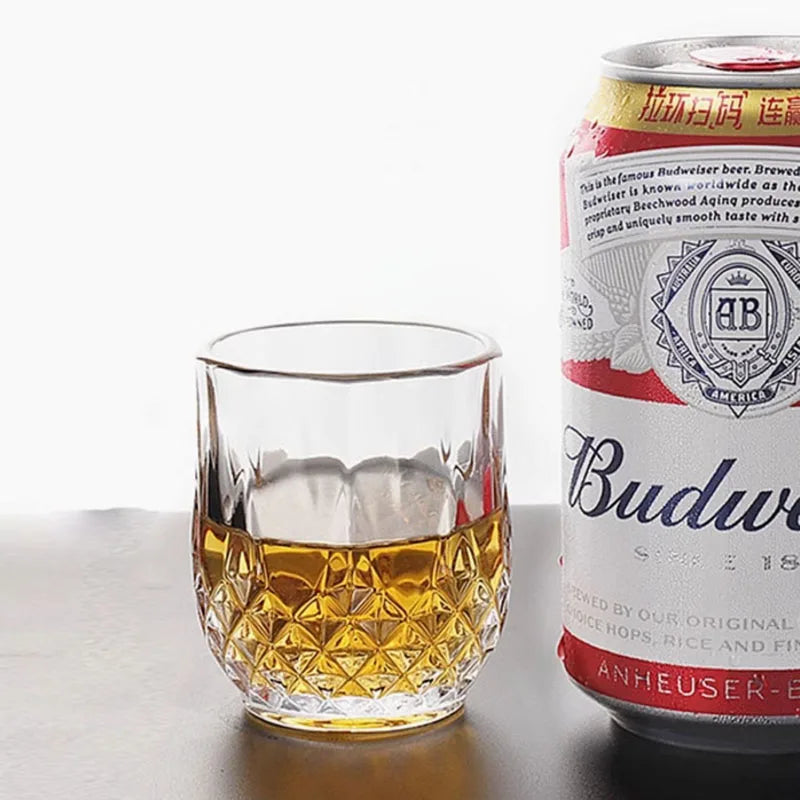
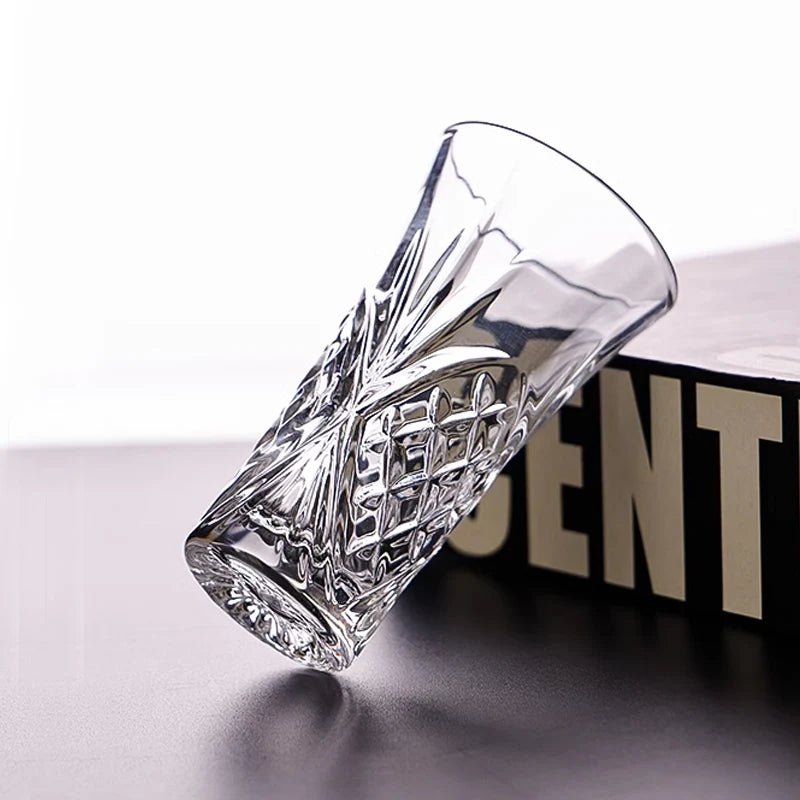
- The tumbler-style glass is also thick and sturdy, but with a larger capacity. (It can be used as a rum glass .)
Reference data:
- Current adoption: 78% of French households have a liquor cabinet
Case study: The Baccarat crystal factory has been producing liqueur glasses since 1816. Available for purchase in various shapes and colors.
What are the different types of liqueur glasses available for purchase?
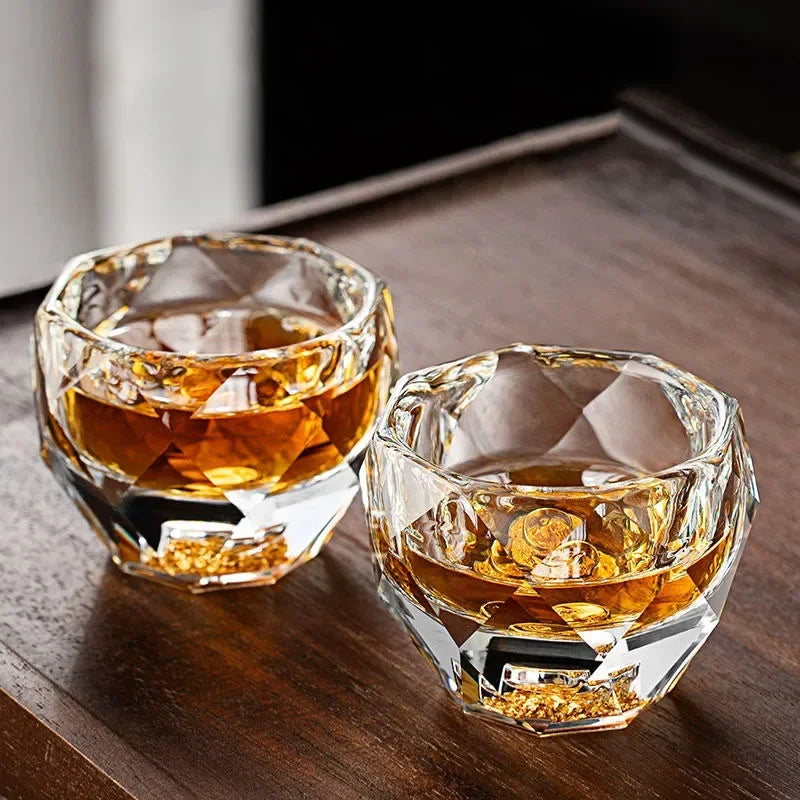
Our Limonadier shop recommends purchasing one of these three glasses for enjoying alcoholic beverages as an aperitif or digestif. They are reasonably priced and will be perfect for any occasion. These are the three main styles available on the European market. They are all made of glass or crystal.
1. Classic stemmed liqueur glass
The most popular traditional model in Europe. It typically holds around 4-6 cl. The whole thing is mounted on an elegant, slender stem. The bowl may have an embossed engraving. It's the preferred choice for family meals.
2. The shot (or shooter) format
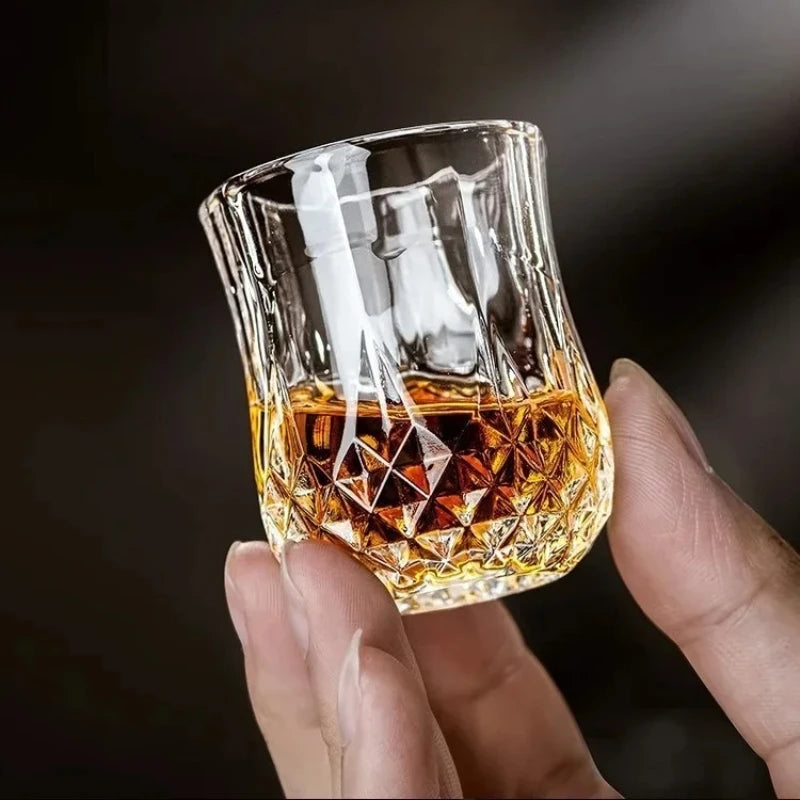
A modern version that appeared in Eastern Europe in the 1940s. The shot glass is characterized by its thick walls and solid base. A typical capacity is 3-5 cl. It's the most popular size in Eastern Europe. Used for enjoying vodka as an aperitif. Limonadier recommends you always have one in your kitchen.
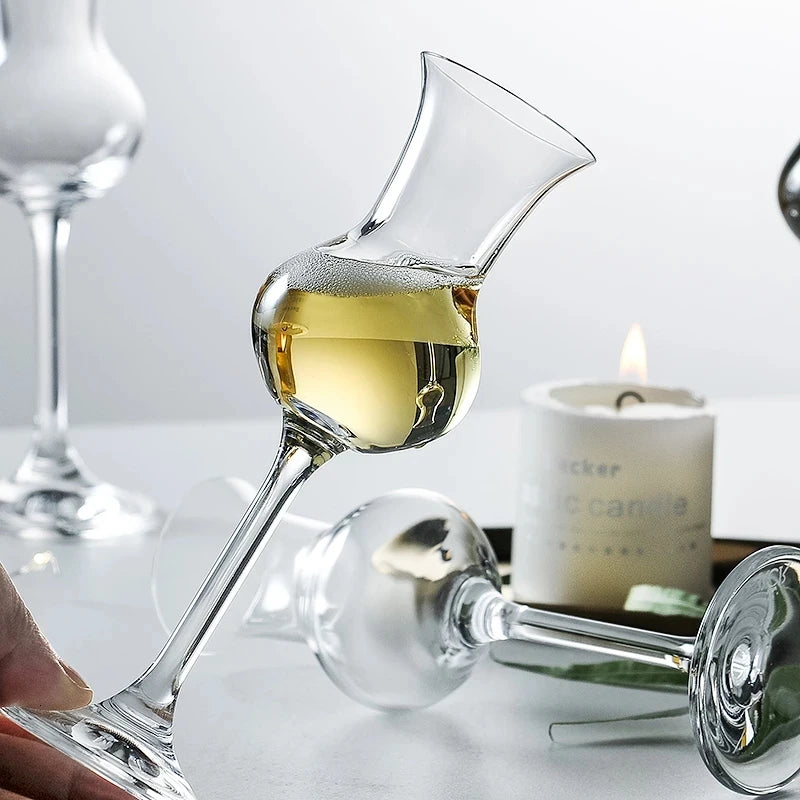
3. Digestif glass
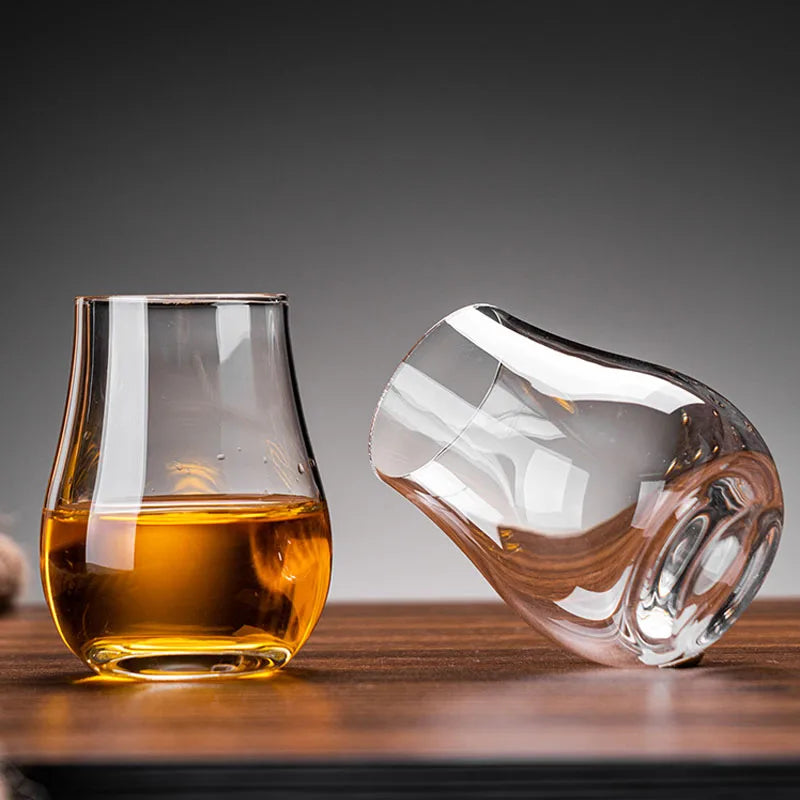
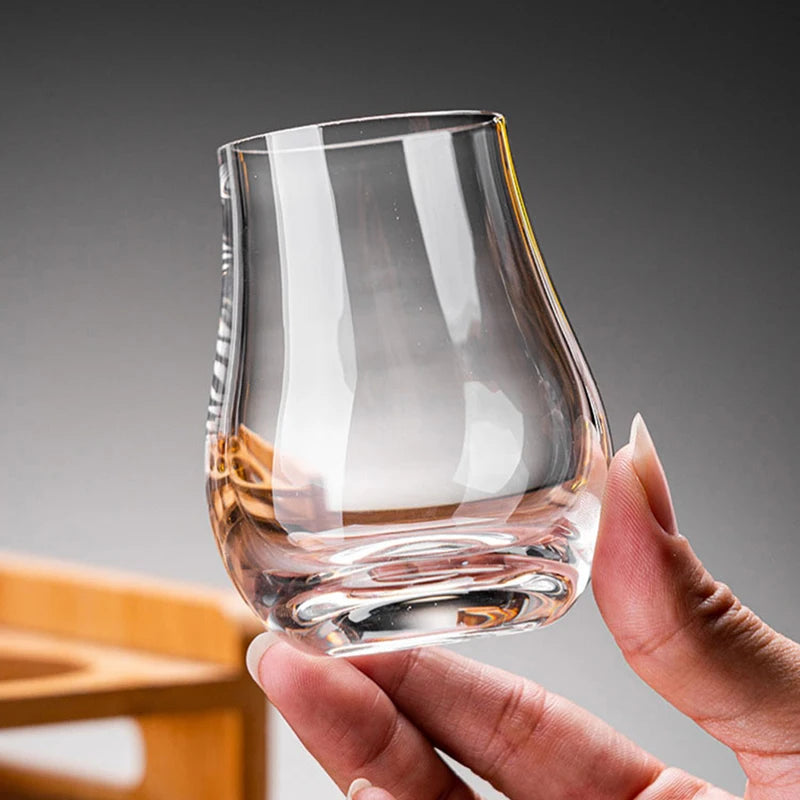
This format is ideal for enjoying spirits like grappa or cognac. With their small capacity, they are designed for tasting, not for large-scale consumption.
| Kind | Ability | Main use | Prices |
|---|---|---|---|
| Classic stemmed glass | 4-6 cl | Fine digestives for meals | 15-45€/piece |
| Modern Shot | 3-5 cl | Hard liquor, parties | 1-8€/piece |
| Shooter cocktails | 6-8 cl | Layered cocktails | 2-10€/piece |
| Specialized digestive | 8-12 cl | Premium spirits | €25-90/piece |
How much does a shot glass cost?
Summary: So, you've decided to buy your liqueur glasses, but you're looking for information on their price. Luckily, our online store sells them, so we know the prices well. Prices range from €15 to €30 each, depending on the brand and finish, with set purchases of 6 generally more advantageous as they include free shipping.
| Range | Unit price | Features | Typical brands |
|---|---|---|---|
| Entry-level | €1 - €8 | Basic clear glass, stackable shot glass, industrial production | IKEA Pokal, Duralex, Arcoroc |
| Mid-range | €10 - €35 | Hand-blown crystal, intricately crafted shapes, gift box | La Rochère, Luigi Bormioli, Schott Zwiesel |
| High-end | €40 - €120 | Hand-cut glassware, signed collections, exceptional pieces | Baccarat, Lalique, Saint-Louis |
| Vintage collection | €6 - €50 | Antique glassware, incomplete lots, variable condition | Vintage Baccarat, from Bohemia |
For everyday use, glasses priced between €10 and €25 each offer excellent value. New Baccarat models start at €28 (Caracas model) and can reach €120 for prestige collections like Condé, according to the Antiques 20th Century catalogue (December 2025).
Budget tip: Sets of 6 glasses often represent a saving of 15-25% compared to buying them individually. A mid-range Luigi Bormioli set costs around €30-40 at Maisons du Monde.
Where to buy liqueur glasses at the best price in 2025?
Summary: Limonadier recommends purchasing liqueur glasses from large specialty stores, crystal shops, e-commerce sites, or the secondhand market. To obtain a quality glass, you should find a specialized shop. Although marketplaces like Amazon offer specific advantages in terms of price and authenticity.
Option 1: Large furniture retailers
- Advantages: Affordable prices, immediate availability, wide selection of entry-level and mid-range products
- Price: €7-35 per set of 6
- Delivery: Within 48 hours to 5 days, shipping cost €5-15
- Brands: IKEA (Pokal €7.14/6), Maisons du Monde (€24-35/6)
- Customer service: 2-year warranty, return within 30 days
Option 2: Specialized crystal shops
- Advantages: Guaranteed authenticity, expert advice, complete high-end collections
- Price: €28-120 per unit
- Delivery: 7-14 days, premium secure packaging
- Brands: Baccarat, Lalique, Saint-Louis, Daum
- After-sales service: Replacement of broken parts, certificate of authenticity
Option 3: Generalist e-commerce
- Advantages: Easy price comparison, customer reviews, frequent promotions
- Price: €8-60 depending on the range
- Delivery: Prime 24-48h or standard 3-7 days
- Brands: Bormioli, La Rochère, d'Arques, RCR
- Customer service: Free returns within 30 days, varies depending on the seller
Option 4: Second-hand market
- Advantages: Authentic vintage pieces, reduced prices (40-70%), rare models
- Price: €6-50 antique glass
- Delivery: Varies depending on the seller (private/professional).
- Brands: Vintage Baccarat, Bohemian, Antique Saint-Louis
- Customer service: Limited, check condition before purchase
Recommendation: To start, consider buying a set of 6 mid-range glasses from Maisons du Monde or Limonadier Boutique (€25-35). Collectors should look to Baccarat Cristaux or Antiques 20ème for authentic pre-owned pieces.
How to choose the right liqueur glass according to your needs?
Summary: Your intended use should determine the type of glass you need to buy. Limonadier always recommends purchasing a glass that corresponds to the type of alcohol you're serving. You wouldn't drink alcohol from a beer mug . The size and style of your glass should match the type of alcohol. Your choice should then depend on four main criteria: its intended use (daily or for collecting), the type of liqueurs being served, your budget, and the desired aesthetic for your table setting.
Criterion 1: Define the primary use
For everyday use: Opt for sturdy tempered glass shot glasses (Duralex, Arcoroc). Stackable and dishwasher safe. Budget: €1-3 each.
Formal receptions and meals: Opt for stemmed crystal glasses. Models from brands like Luigi Bormioli or La Rochère (15-30€ each) offer an excellent balance of elegance and durability.
Collection and prestige: Invest in Baccarat, Lalique, or Saint-Louis pieces. The Baccarat Harcourt model (€45) remains a safe investment passed down from generation to generation.
Criterion 2: Adapt to the type of liqueurs
- Sweet liqueurs (Cointreau, Baileys): Shot glass 4-5cl, the concentrated sugar is best enjoyed in small quantities
- Artisanal brandies (Calvados, Marc): 6-8cl tulip-shaped stemmed glass to release the aromas
- Hard spirits (Vodka, Tequila): Thick shot, 3-4cl, often served very cold
- Complex digestifs (Armagnac, aged rums): Tasting glass 8-10cl for extended enjoyment
Criterion 3: Realistic budget
Define your overall budget. This will tell you whether you should buy glasses individually or as a complete set. A set of 6 glasses at €25 (€4.20 each) generally represents the sweet spot in terms of value for money for regular use, according to AZ Boutique's analysis.
Criterion 4: Aesthetics and material
Classic clear glass: Timeless. Showcases liqueurs.
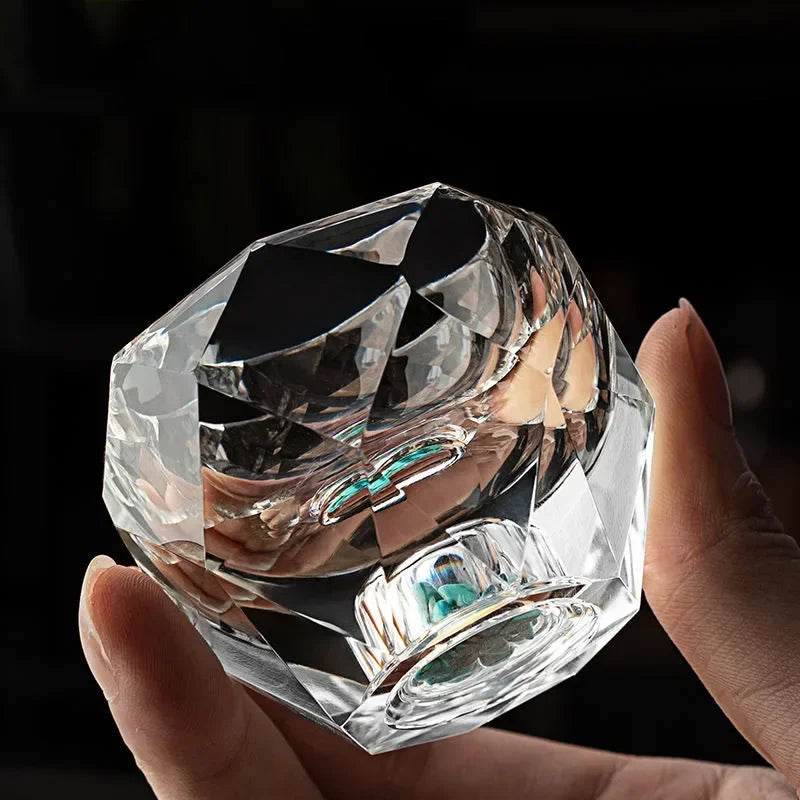
Cut crystal: Spectacular play of light. Pleasant weight in the hand. Very elegant.
Coloured or screen-printed glasses: A modern touch. Offered for sale by Baccarat.
How to properly care for and store your liqueur glasses?
Summary: You've just bought your liqueur glasses. Congratulations! Limonadier explains how to easily care for them. Liqueur glasses require hand washing for crystal, but for standard glassware, a dishwasher is suitable. Drying with a microfiber cloth and storing them with the opening facing up is recommended.
Recommended maintenance schedule:
| Frequency | Maintenance actions | Duration | Products |
|---|---|---|---|
| After each use | Warm rinse, gentle liquid soap wash, dry with a microfiber cloth | 2-3 min/glass | Mild liquid soap |
| Weekly (frequent use) | Inspection of limescale deposits, polishing with a dry cloth, checking for chips | 5 min | diluted white vinegar |
| Monthly | Deep descaling, vinegar polishing, storage check | 15 min | White vinegar + baking soda |
| Annual | Complete overhaul, anti-tarnish treatment, reorganization of storage | 30-45 min | Specialty products |
Mistakes to absolutely avoid:
- Boiling water: Causes invisible micro-cracks.
- Direct stacking: The edges of stemmed glasses scratch easily.
- Air drying: Leaves limescale marks. Always dry immediately with a cloth.
Limonadier recommends: Is your new glassware becoming dull? Restoring its original shine is easy. Buy some lemon or baking soda. Soak it for 10 minutes in warm water, then rinse and dry with a microfiber cloth. Guaranteed results!
