Sort by
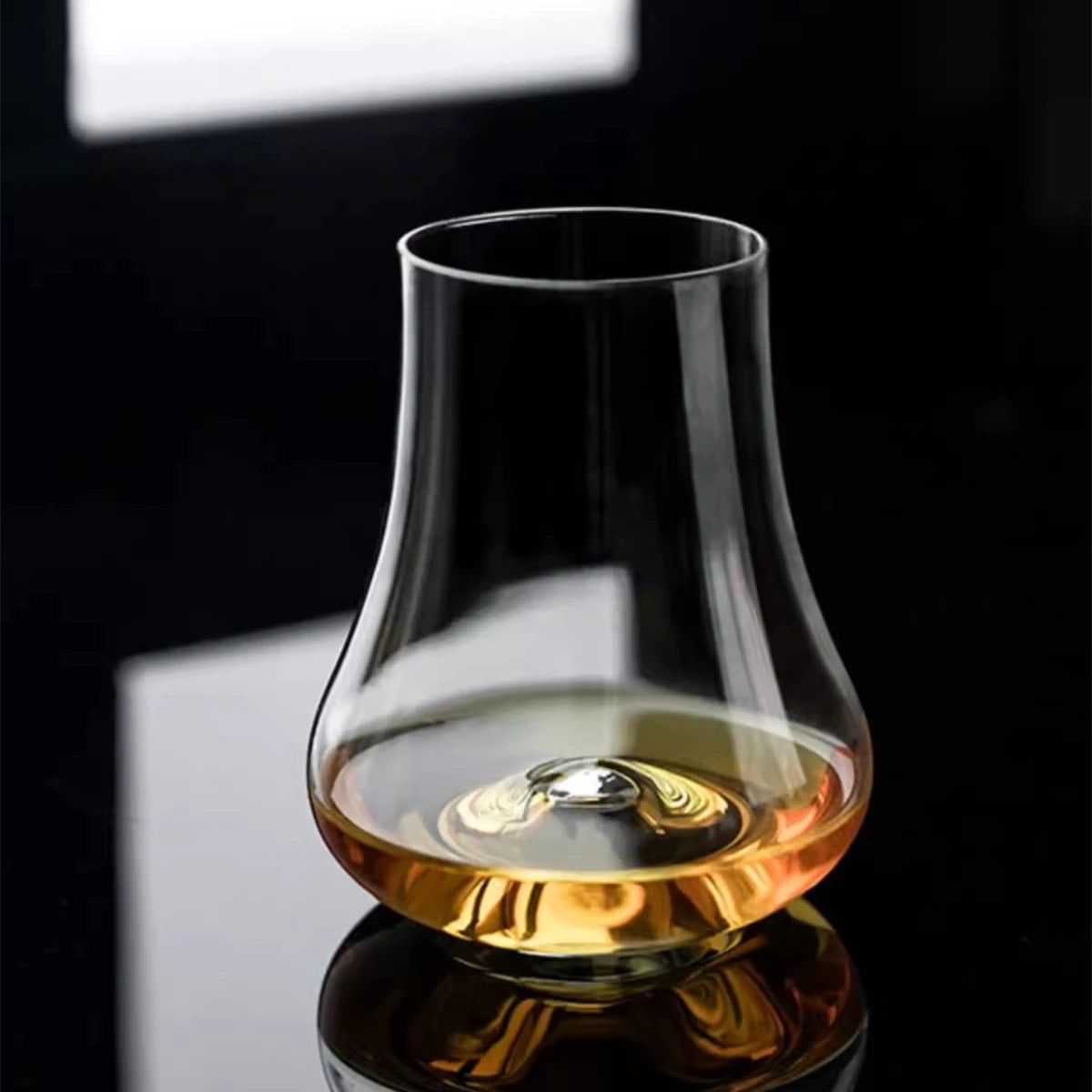

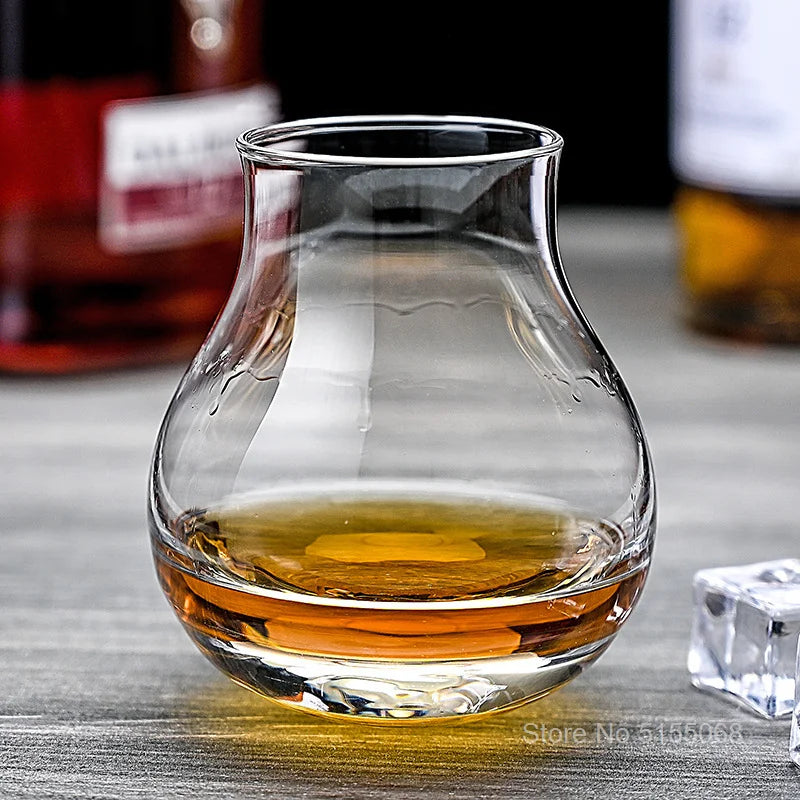
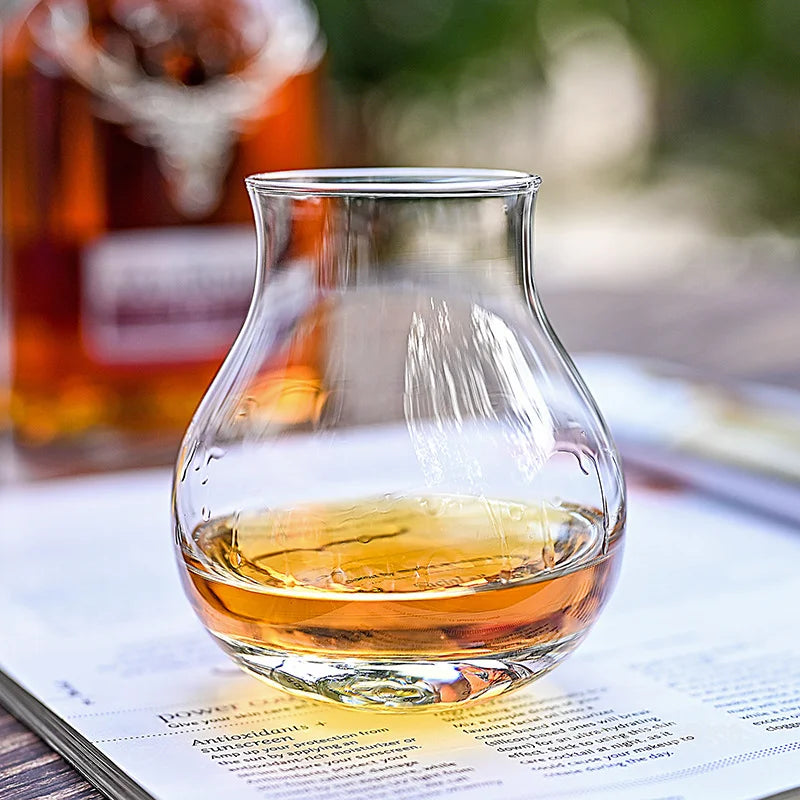
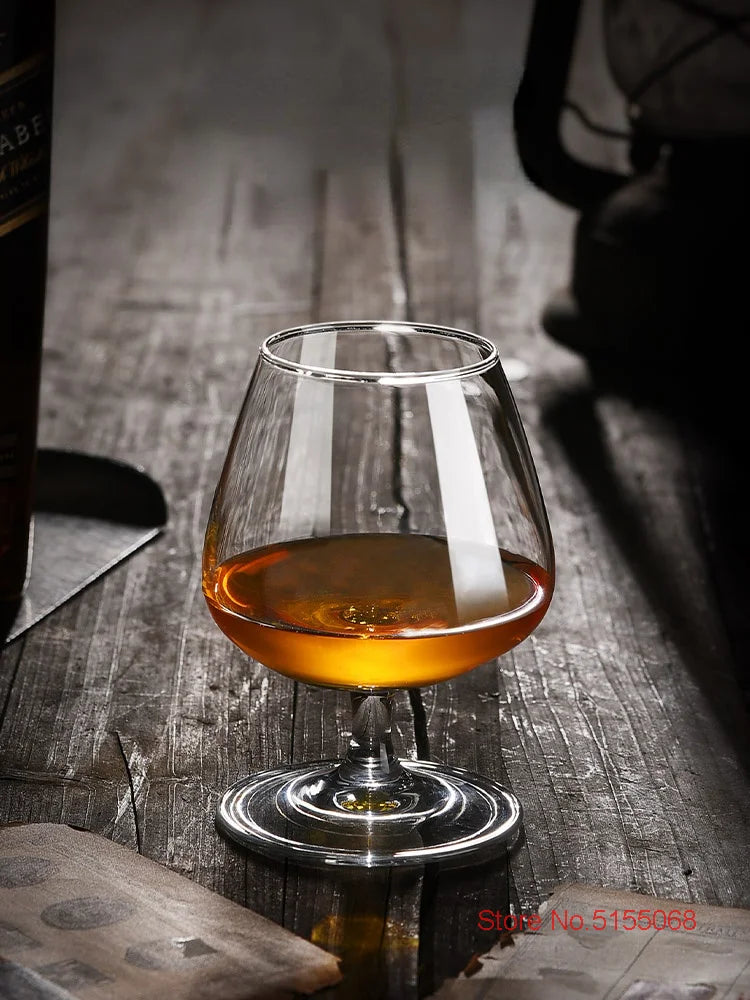
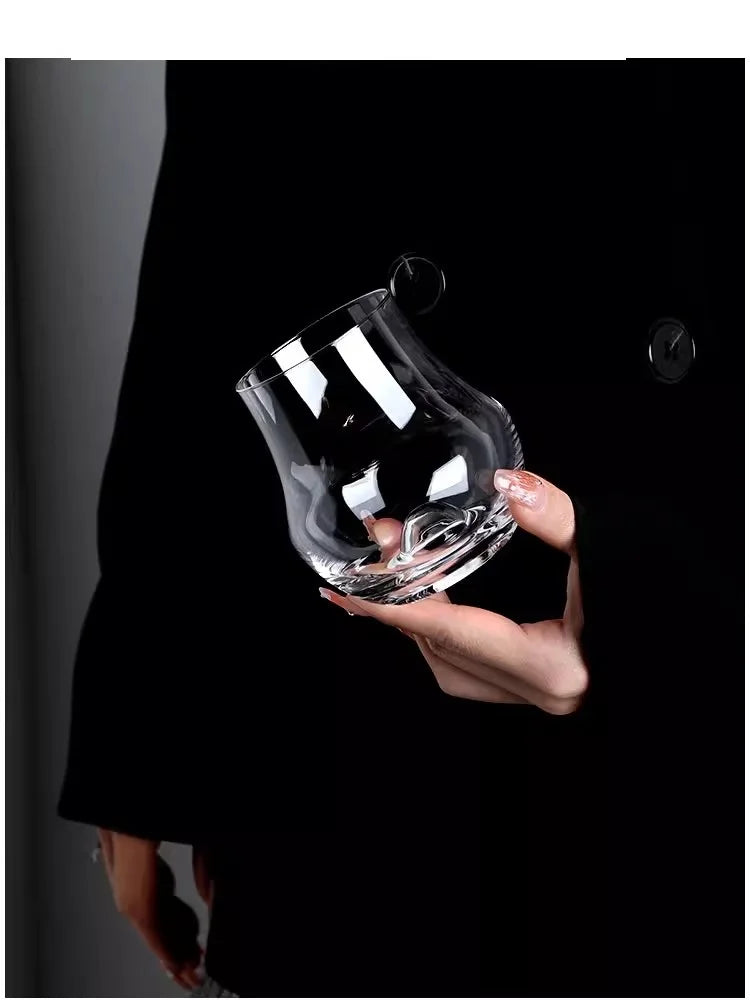



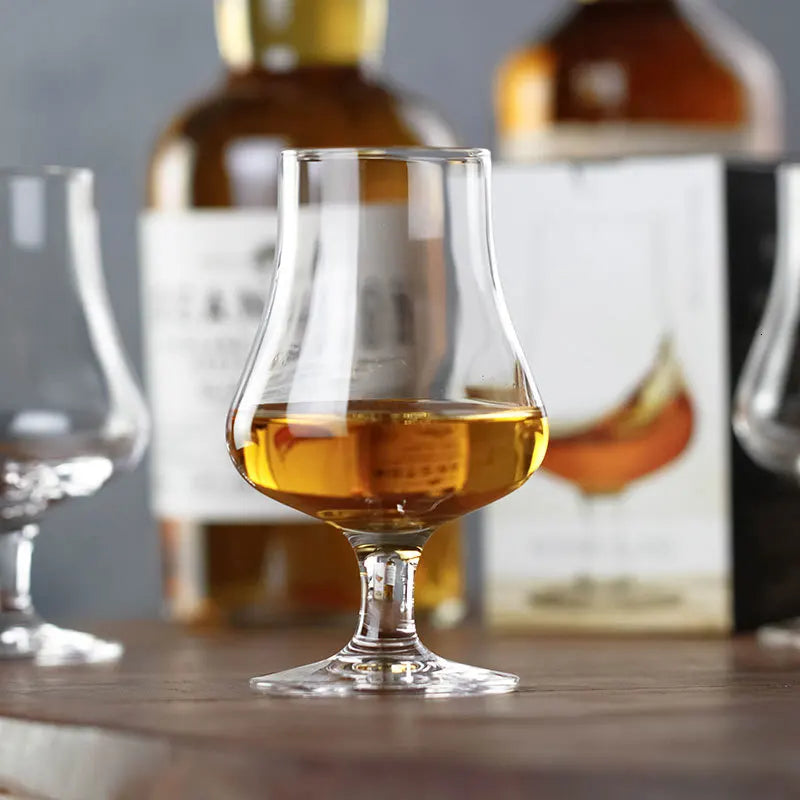

Tulip glass of rum
Tulip glass of rum: choose wisely for a better tasting experience
You uncork a bottle of older vintage Martinique and pour it gently. The first aromas rise, clean and crisp, without any harsh alcohol. It's the narrow neck of the glass that does this. Without it, the nose would be overwhelmed by the ethanol before detecting the vanilla or oak.
This tulip-shaped rum tasting glass remains the most recommended by both enthusiasts and professionals. However, not all models are created equal. A €5 nosing glass and a €40 crystal glass will not produce the same result. Nor will a stemmed glass and a handheld Warm glass. Therefore, it's best to choose wisely.
Why the tulip shape changes everything for rum
In an agricole rum from Martinique or Guadeloupe, this concentration brings out the fresh sugarcane, vegetal notes, and spices. In an aged rum matured in oak barrels, the wood, vanilla, and caramel become more pronounced. And in a cask strength rum at 60% ABV or higher, the head of the rum slows the ethanol buildup. You experience the flavors before the alcohol content.
A classic rum glass or a straight-sided model doesn't do any of that. The wide opening lets the aromas escape. It's fine for a cocktail or with ice cubes, but not for a neat tasting. If you're looking for cocktail glasses or tumblers, that's a different section at Limonadier .
Tulip, Glencairn, Copita or Ballon: a comparison for rum
The tulip glass isn't the only option. Here's how it compares to other common formats in the world of spirits.
The Glencairn comes from the world of whisky. Stubby, solid, compact. Its opening is narrower, but less so than a classic one. It works well for round and smooth whiskies (like Diplomático or Zacapa). With a powerful rhum agricole, however, it concentrates the alcohol a bit too much towards the face. I used the Glencairn for everything for a long time, whisky as well as rum. Honestly, when I switched to this shape for rhum agricole, the difference surprised me. Expect to pay €8 to €15.
A copita is a small stemmed glass used for port and sherry. It has a very narrow neck and a small capacity (6-8 cl). Some professionals use it for technical analysis. For everyday use, it's cumbersome. It's best reserved for wine tasting.
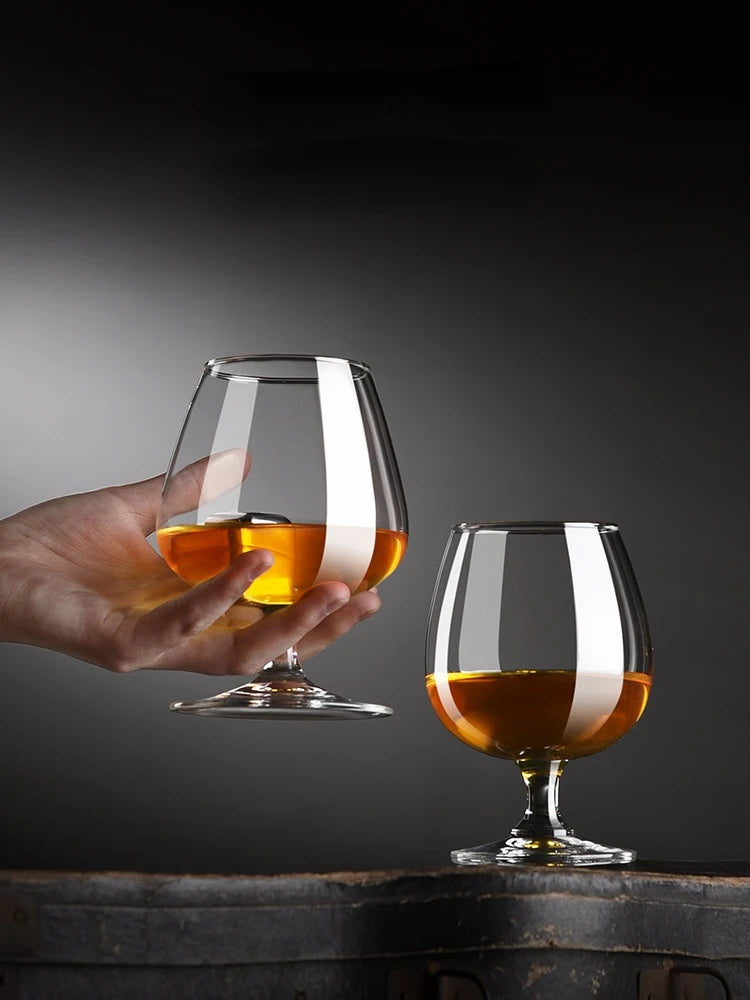
The balloon , also called a tulip glass for cognac , has a wide opening. The palm warms the contents. For cognac or armagnac, why not? For rum, less so: the heat accelerates evaporation and can ruin a delicate profile. A beautiful object. A poor tool.
This glass fits perfectly between all these formats. It concentrates the aroma without overpowering it, its stem insulates against body heat, and its 10 to 20 cl capacity is suitable for most situations. It's the most versatile spirits glass, whether for an agricole, a traditional rum, or a Spanish solera.
The three tulip glass shapes you need to know
| Format | Capacity | Unit price | Ideal use | Dishwasher |
|---|---|---|---|---|
| Nosing glass classic | 10-15 cl | 5-12 € | Daily, tasting with friends | Yes |
| Long foot | 10-15 cl | 12-20 € | vintages, cask strength | According to the model |
| Without feet (Warm type) | 15-20 cl | 8-15 € | Round rums, Spanish tradition | Yes |
The classic nosing glass (10-15 cl)
This is the type you'll see in most specialty bars and lounges. It's 13-15 cm tall, with a rim diameter of around 43-50 mm. Brands like Lehmann and Chef & Sommelier produce the French versions. Expect to pay €5 to €12 each, often less in a set of six. It's sturdy and dishwasher-safe. This is a great starting point if you don't already have one. You'll find them in our selection.
The long-stemmed tulip
The long stem (10-12 cm) keeps the hand away from the bowl. The temperature remains stable throughout the tasting. This is a real advantage with older vintages served at 18-20°C. The VDGlass Armonico model, made in Italy, is a benchmark in this category. Thin walls, elegant design. Expect to pay €12 to €20 each, less for a set of two. The perfect choice for those who regularly enjoy exceptional vintages or cask strength wines.
The stemless rum glass (Warm type)
The Warm by Chef & Sommelier fits in the palm of your hand. Your palm warms the contents. With certain Spanish-style rums, which are rounder and sweeter, a few degrees warmer will awaken your sense of smell. My clients often ask me if it's as pleasant as a tulip on a stem. For a Diplomático or a Barceló, yes. For a 50% ABV white agricole, where the heat amplifies the ethanol, I wouldn't recommend it. Price: €8 to €15. Compact, easy to store, and virtually unbreakable.
Tulip glass in crystal or standard: which to choose for rum?
The standard glass (soda-lime) can withstand everyday use. Dishwasher safe at 50-60°C, can withstand reasonable impacts, €5 to €15. The difference in aroma compared to crystal is subtle. It's noticeable on the rim: a thinner wall provides a cleaner, more precise mouthfeel.
Lead-free crystal glasses cost €20 to €45 each. They offer superior transparency and brilliance. Pour in a HSE VSOP or a Neisson XO: the amber color appears brighter, the reflections sharper. The downsides: hand washing, fragility, and careful storage. Save them for your finest bottles.
Which tulip glass is best for which type of rum?
Agricultural rums (Martinique, Guadeloupe, Marie-Galante): the classic glass or the tall stemmed glass. These spirits have a powerful aroma, with vegetal notes that are best revealed in a focused format. With an agricultural rum, this type of glass brings out what the balloon glass allows to escape.
For aged and extra-aged rums: choose those with a long stem. With aged rum, thermal stability reveals the woody notes, vanilla, and dried fruit. A Clément Cuvée Homère or a JM Millésime deserves this level of attention.
Cask strength (55-70°): a nosing glass with a narrow neck. This slows the ethanol rush and lets you taste what lies behind the alcohol content. This is where the glass does the most work.
Forget cocktails and ti' punch . A tumbler or a traditional glass will do just fine. A nosing glass is a tasting tool, not a serving accessory.
How to properly serve rum in a tulip glass
Pour 4 to 6 cl, no more. The remaining volume concentrates the aromas in the glass. Serve at room temperature (18-20°C). Rum taken straight from the refrigerator closes its aromas. Let it rest for 2 to 3 minutes before bringing the glass to your nose: the more aggressive compounds (ethanol) evaporate first, and the more delicate aromas take over.
For a comparative tasting, line up two glasses side by side and alternate them. An agricole rum next to a traditional rum, for example. You'll notice the differences much more quickly when your sense of smell shifts from one to the other. Hold the glass by the stem or the bowl, never by the bowl. And if you're tasting a cask-strength rum, here's something I always do: cover the glass with your palm for a few seconds before smelling. This concentrates the aromas without the alcohol interfering.
Where can I buy a tulip glass for rum?
Specialized online shops like Limonadier offer a selection of accessories designed for spirits, in stock with delivery throughout mainland France. You can also find similar items at online wine and spirits retailers (Excellence Rhum, Boutique-Rhum, La Compagnie du Rhum), often in sets of two or six. Buying a set is less expensive than buying individual items. Check the shipping conditions: the product is fragile. The best websites take care with the packaging and offer returns in case of breakage.
In the world of physics, events like Rhum Fest or Salon du Rhum allow you to compare models in hand. Some local wine and spirits shops also offer tasting accessories. The advantage: you can see the thickness of the glass, the weight, and the balance before buying. And there's no risk of breakage during transport.
Caring for your rum glasses
Standard glassware is dishwasher safe on a delicate cycle, 50°C max. Rinsing with white vinegar once a month removes limescale buildup. Dry with a lint-free cloth. If you have hard water, hand rinsing remains the best option for maintaining good clarity.
The lens requires hand washing in lukewarm water with a mild detergent and immediate drying. Store it in its original case or with dividers. Impact between two pieces can create an invisible crack.
Frequently Asked Questions (FAQ)
What size tulip glass should I choose for rum?
Between 10 and 20 cl. Most models hold 13 cl or 15 cl. Don't fill the glass completely: a small amount is enough; the rest of the volume helps concentrate the aromas. Above 25 cl, the flavors become too diluted.
Tulip or Glencairn for the rum?
The tulip shape offers a narrower neck and a stem that insulates against heat. It's better suited to powerful agricole rums and cask strength whiskies. The Glencairn, compact and robust, is suited to the rounded profiles of the Spanish tradition. Both are equally good with an old classic. In tasting, I prefer the flower shape: it's less forgiving of flaws, so it teaches you more quickly.
How many glasses should I buy to start with?
Two glasses are enough to compare an agricole and an antique side-by-side on the same evening. Your palate quickly becomes more discerning when presented with two different wines. If you're entertaining friends, a set of six is cheaper per glass. The rule of thumb: two good glasses are better than six cheap ones.
Key points to remember about the tulip-shaped rum glass
A rum nosing glass costing €8-12 will already make a real difference compared to a straight-sided glass. If you often enjoy aged or agricole rums, opt for a long stem for better temperature stability. Save crystal glasses for the finest bottles. Browse our selection of tulip glasses in our shop to find the shape that suits your taste and budget. For the more curious, and also for beer lovers, did you know there's a tulip glass specifically for beer ? Our dedicated collection should give you some ideas for your next gifts.

Discover our news in preview
Newsletter
Subscribe to our newsletter and enjoy 10% off