Sort by
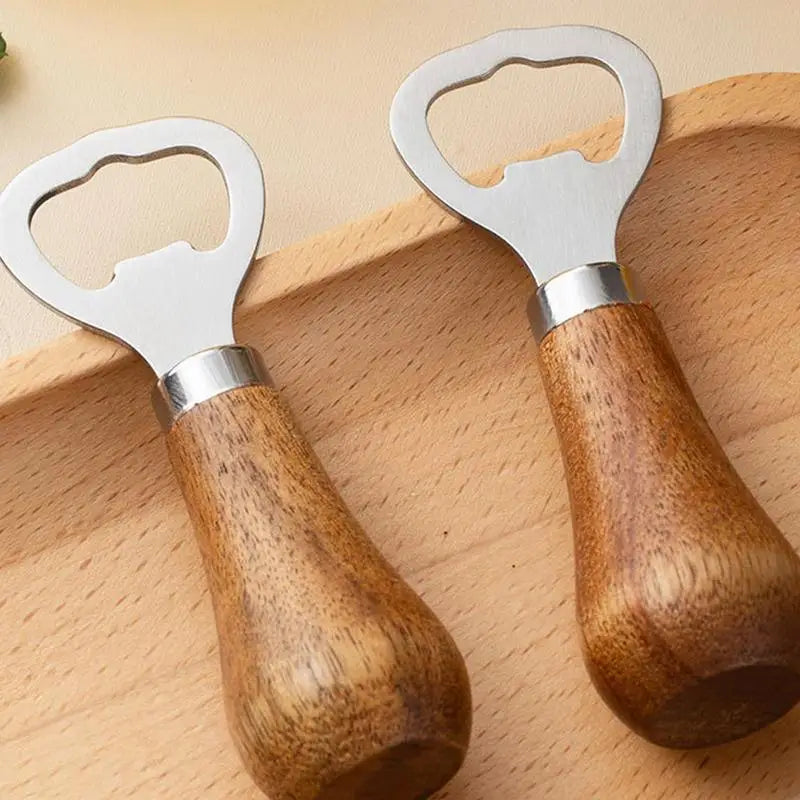
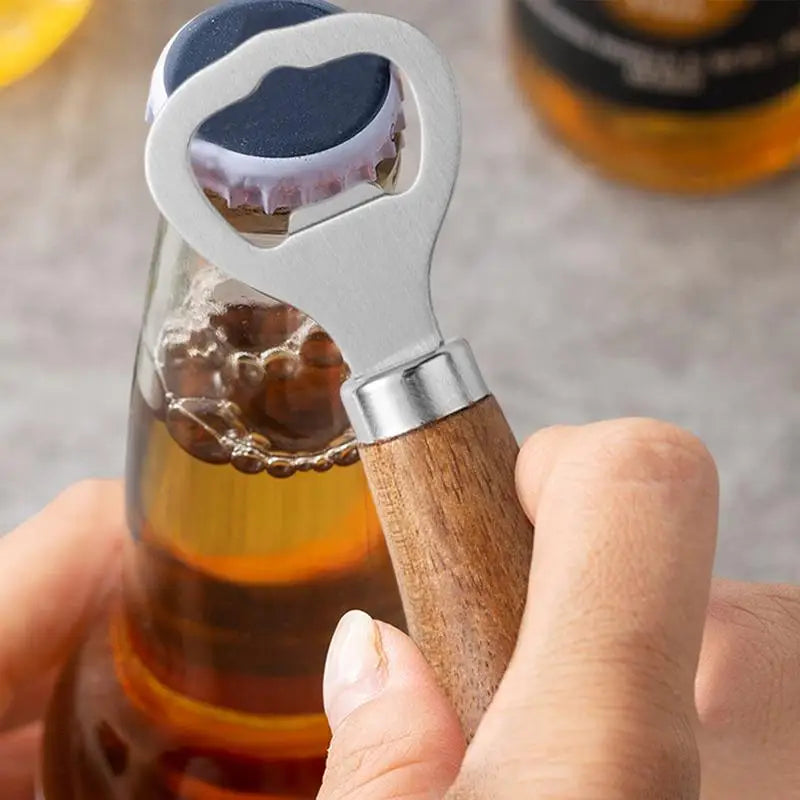
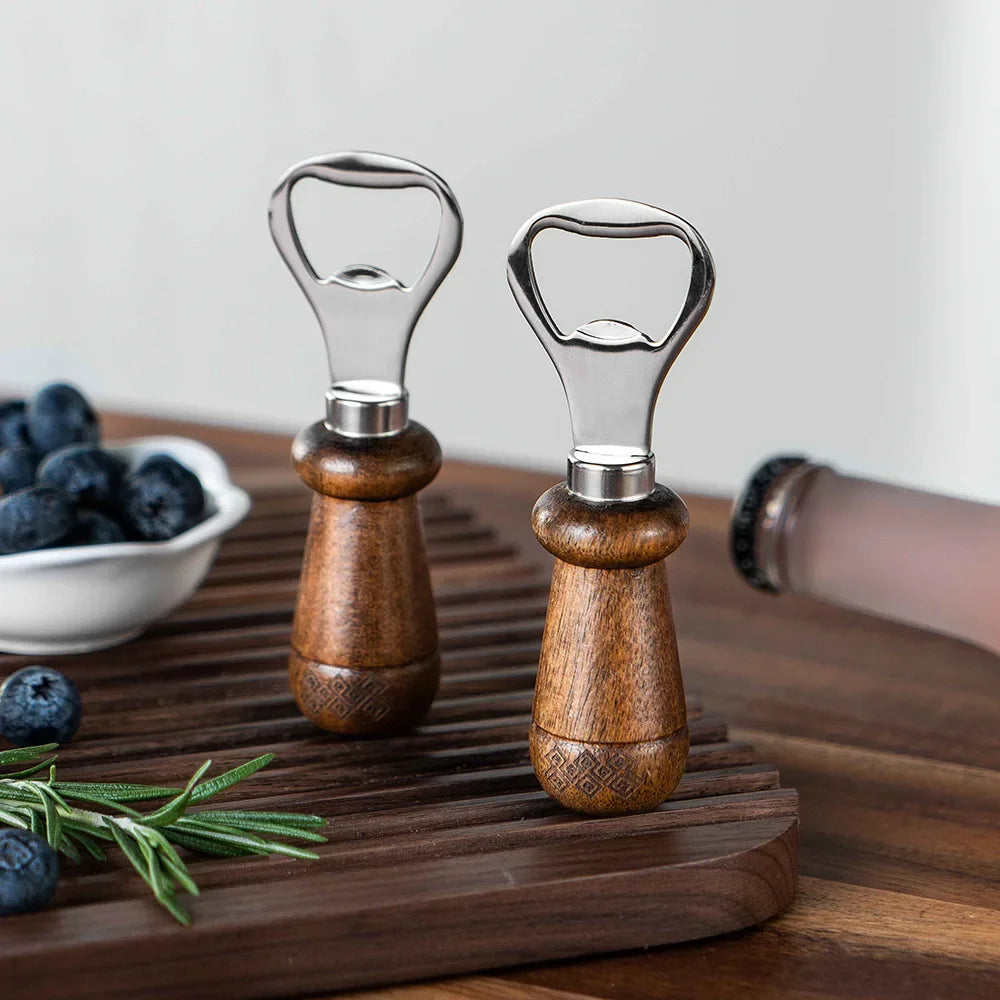
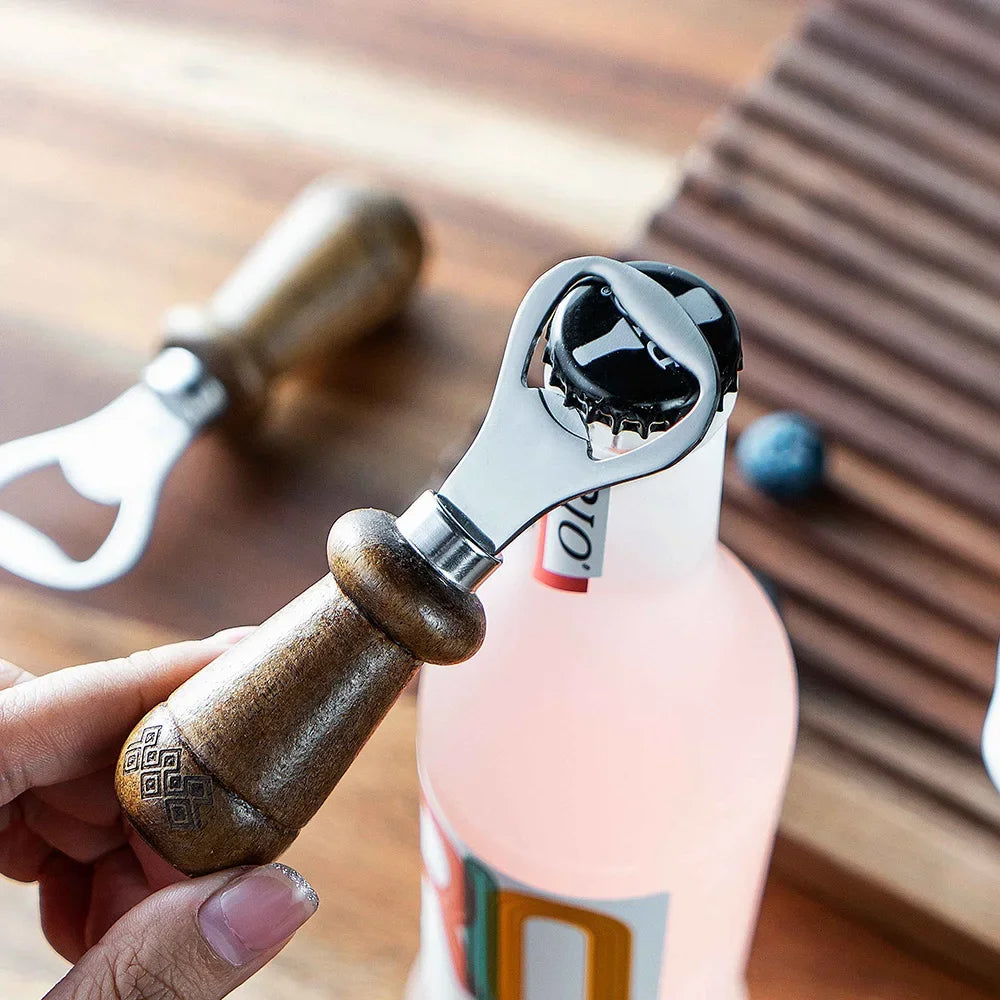
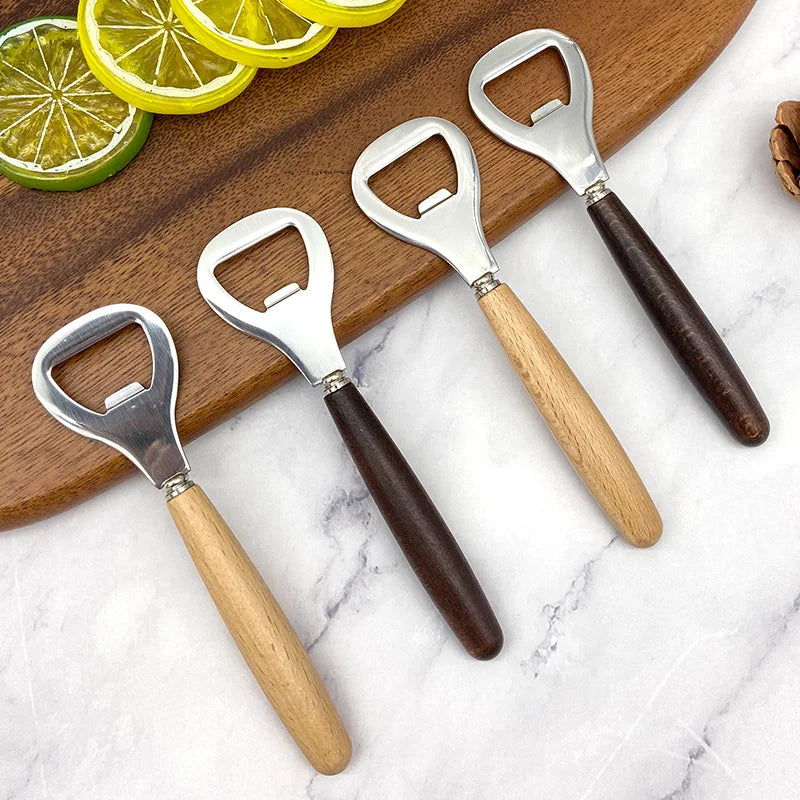
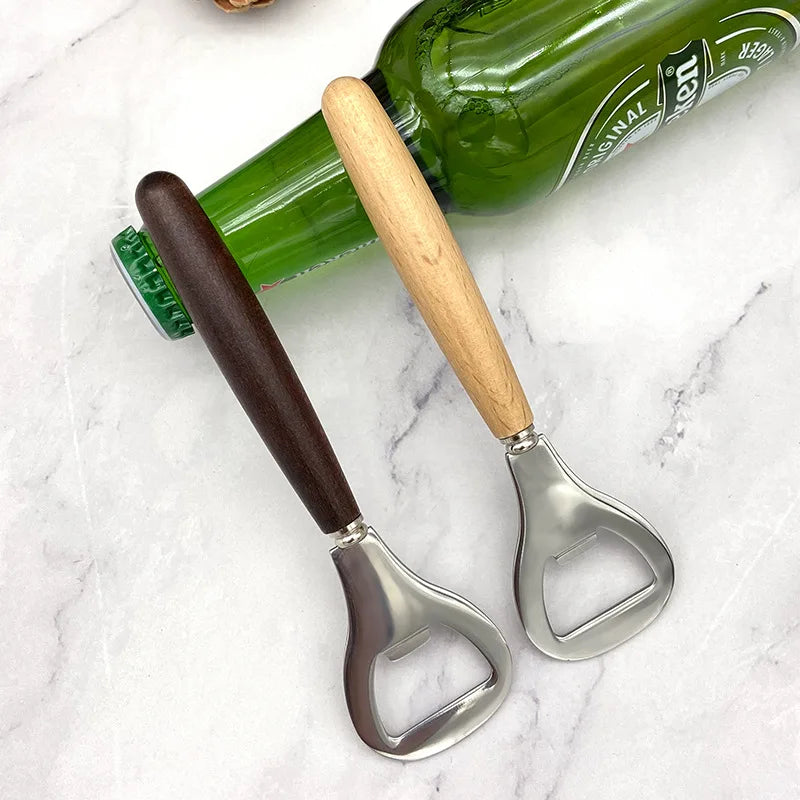
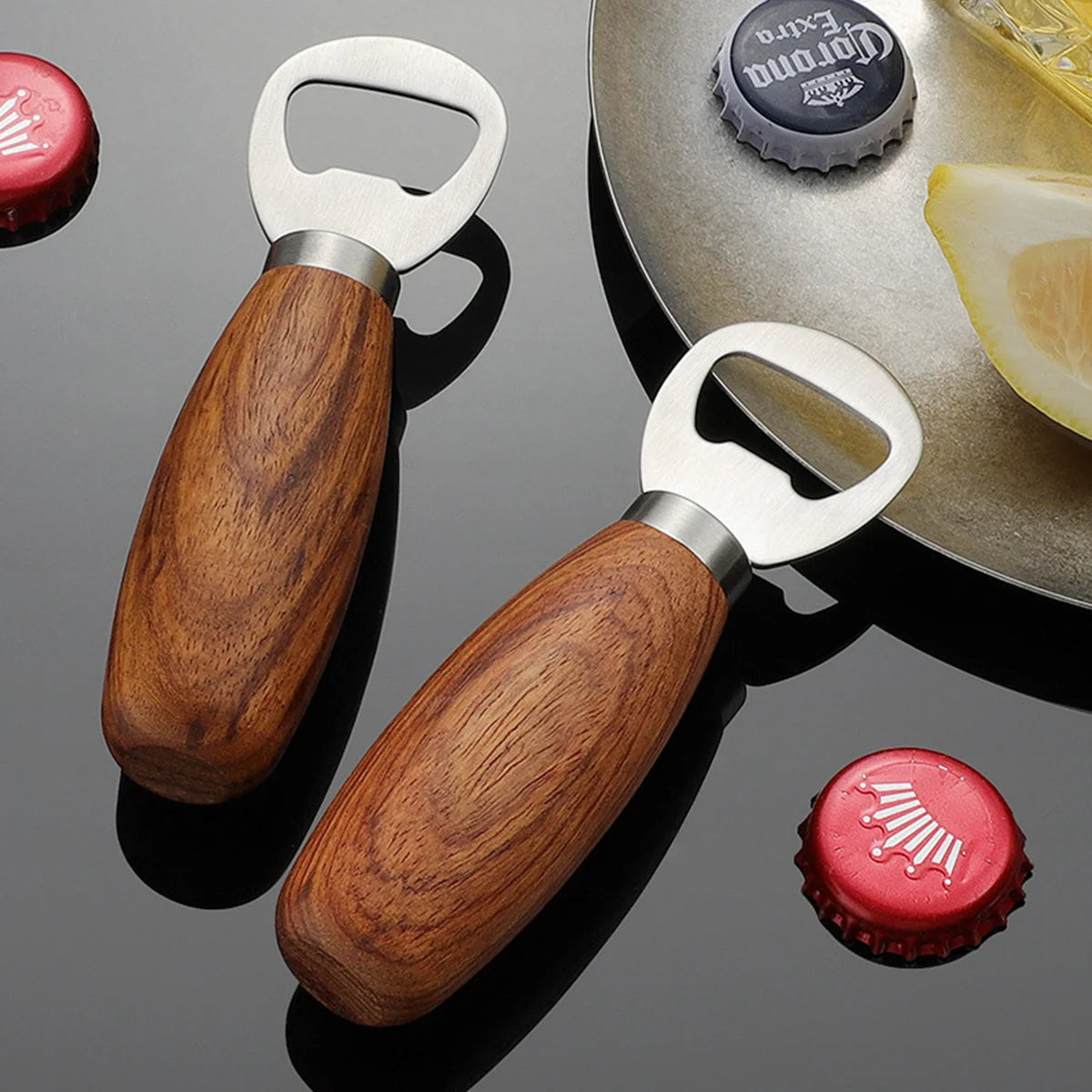
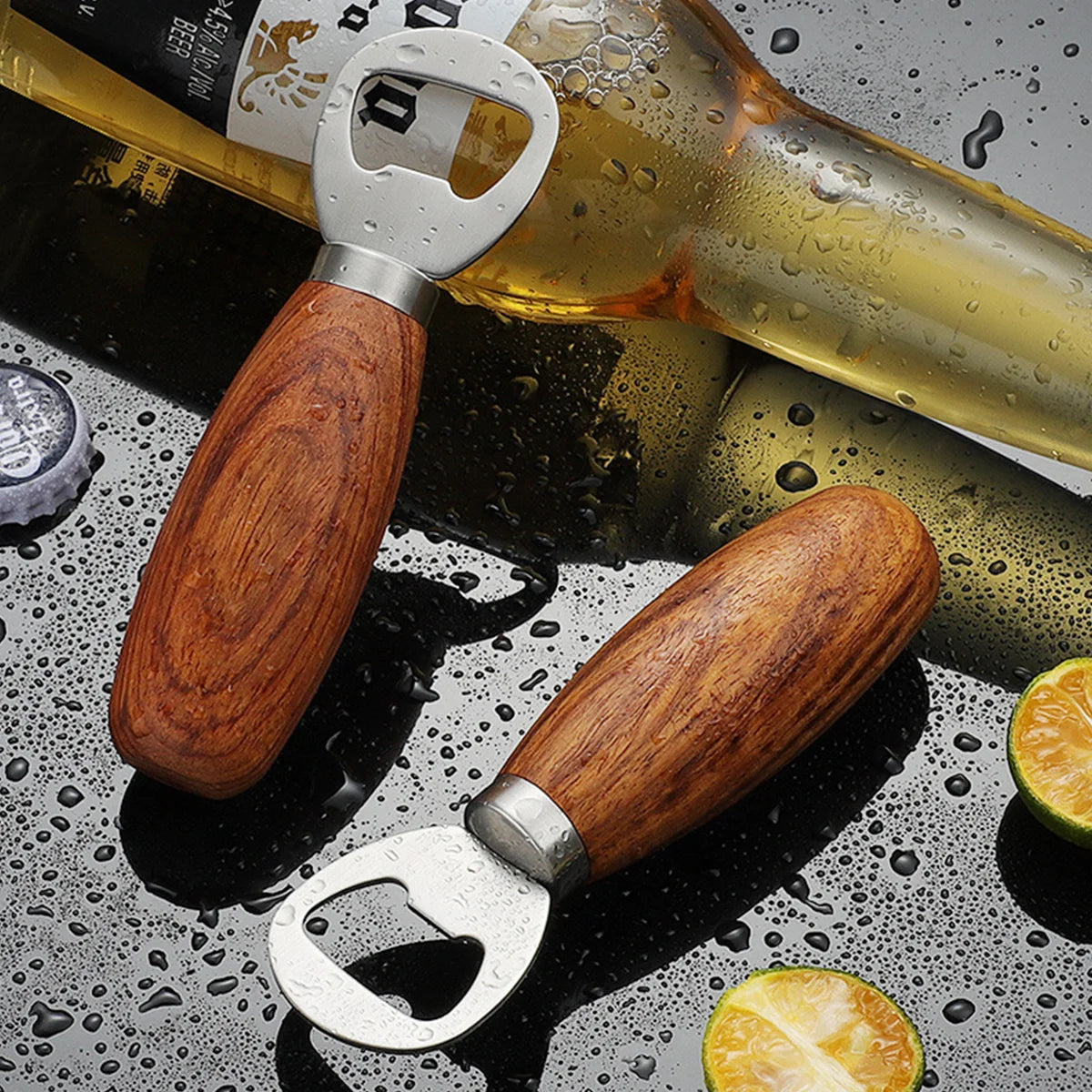
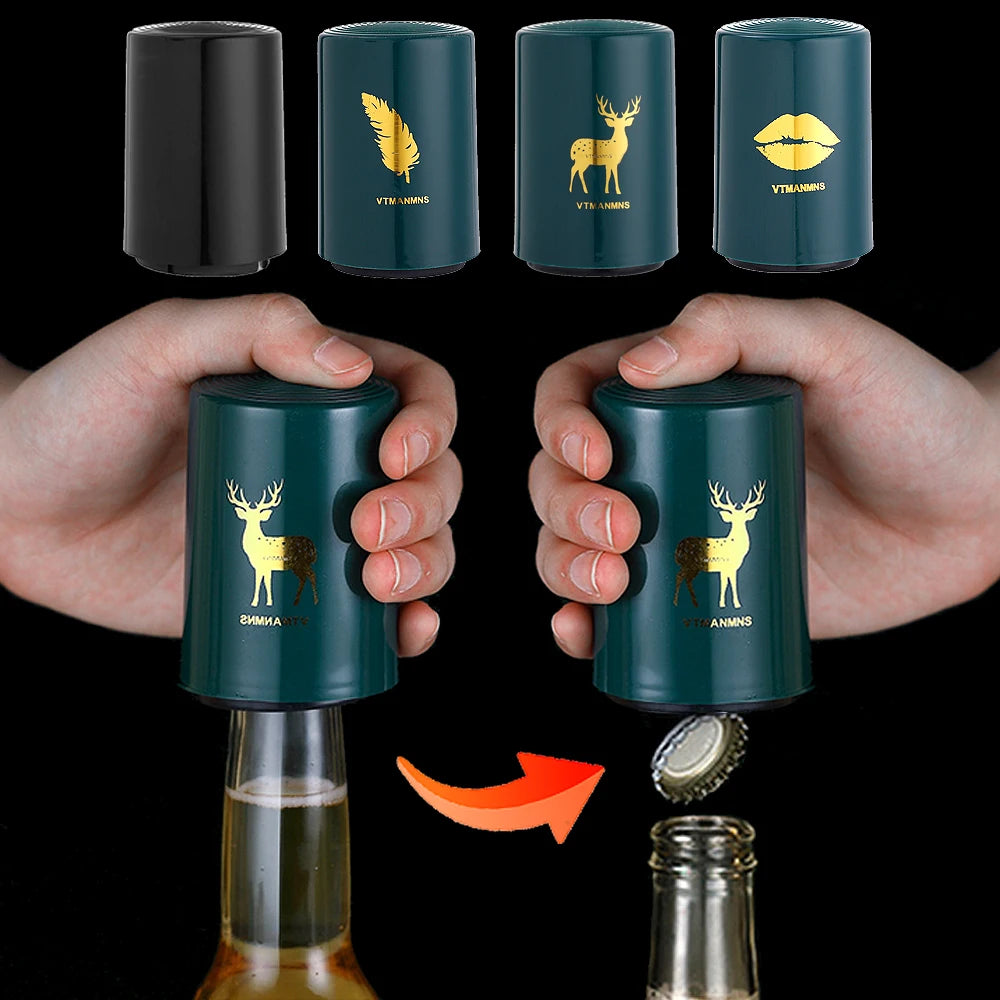
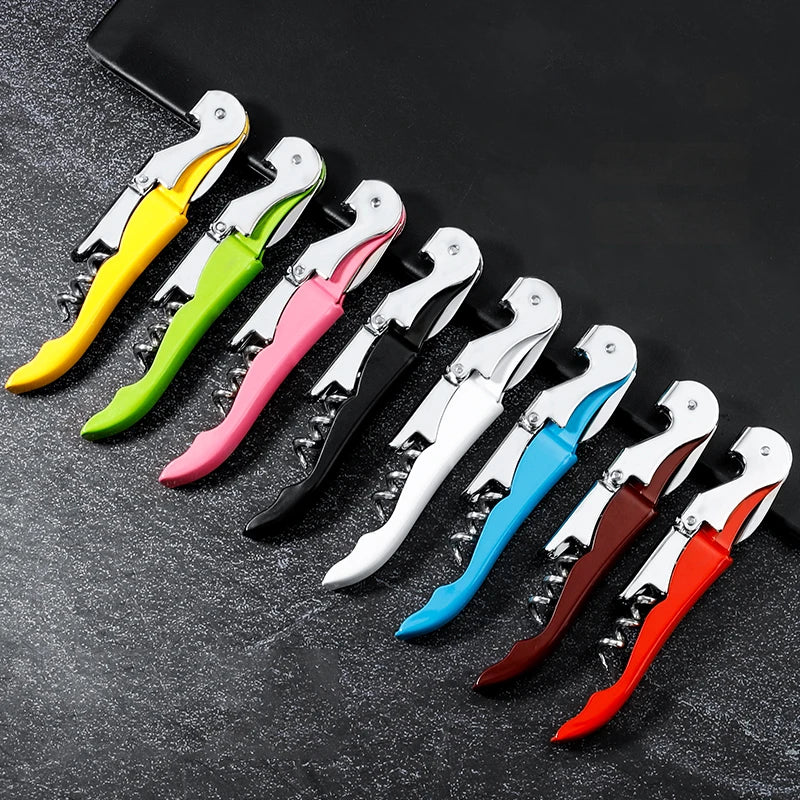
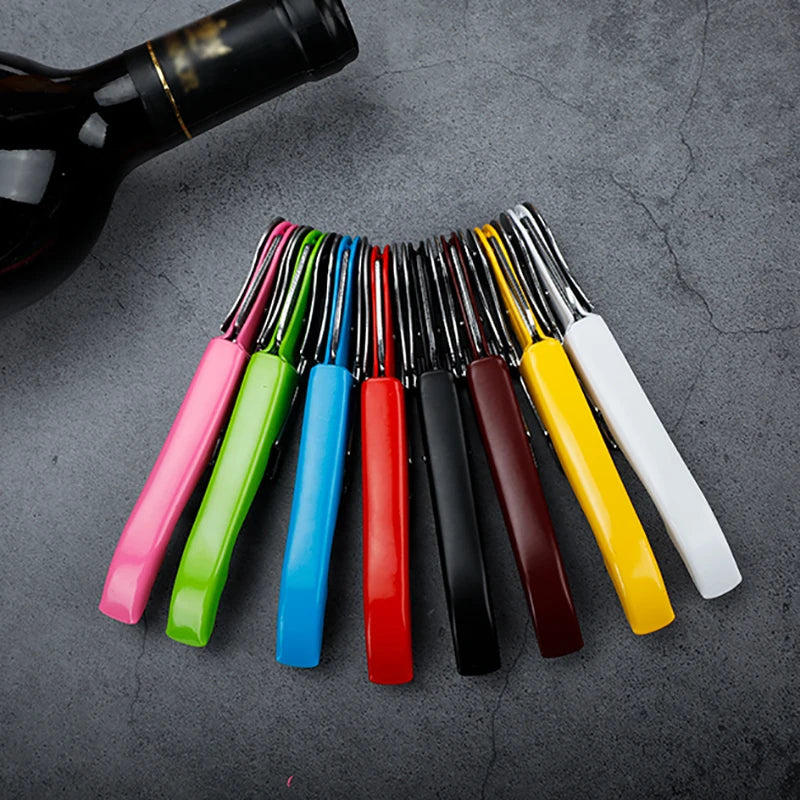
8 colors available
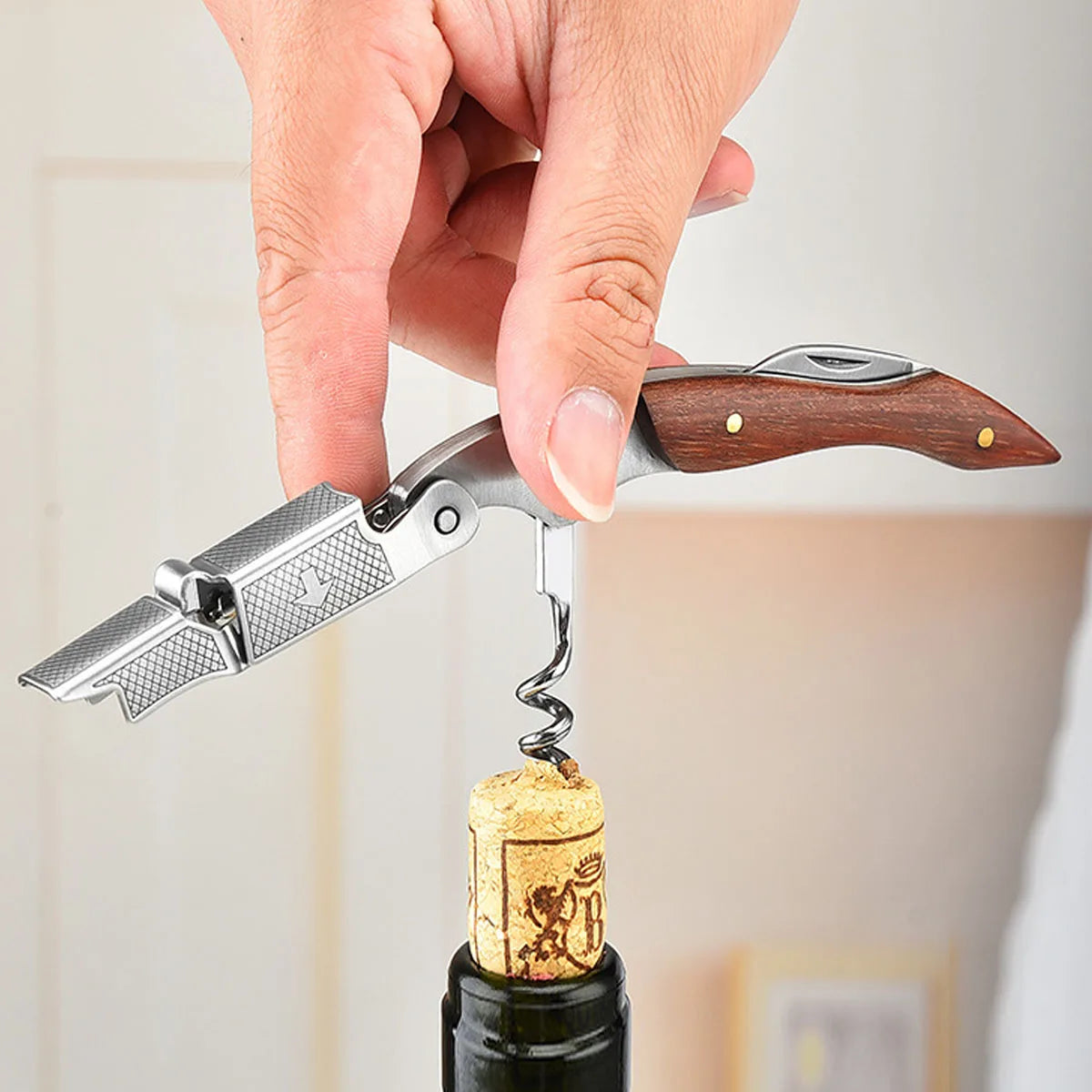
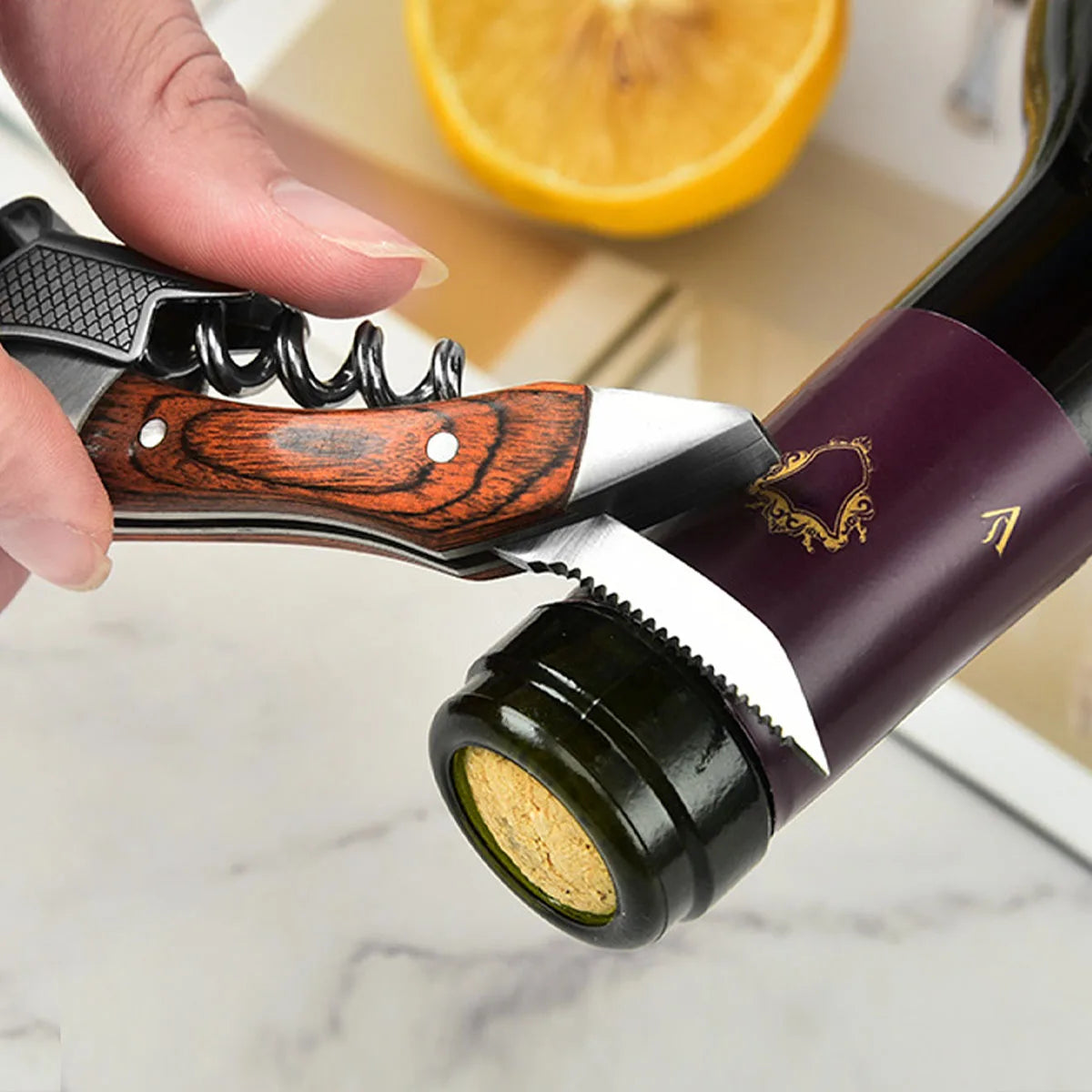
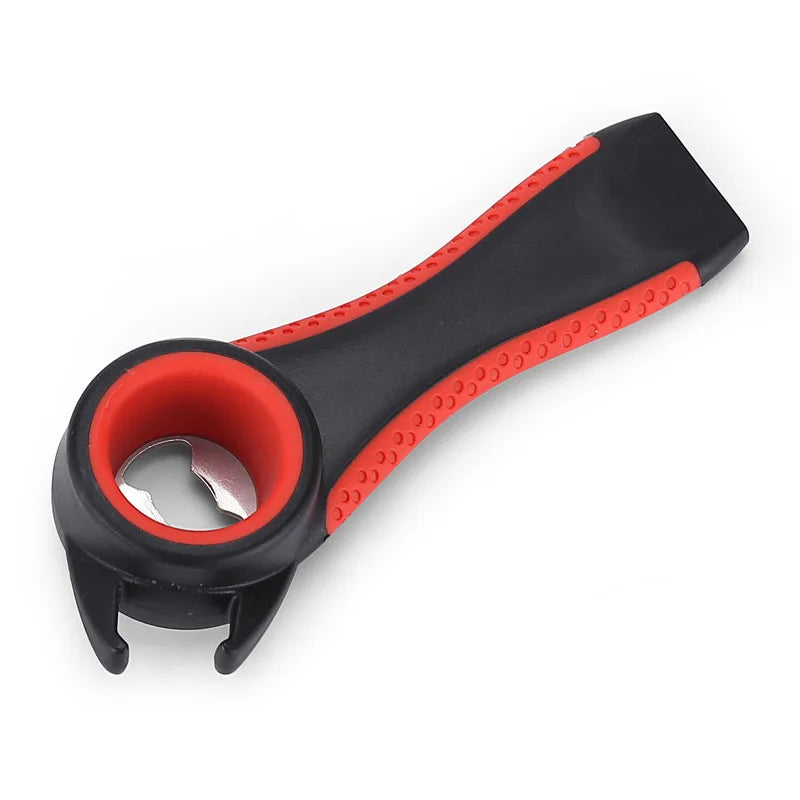
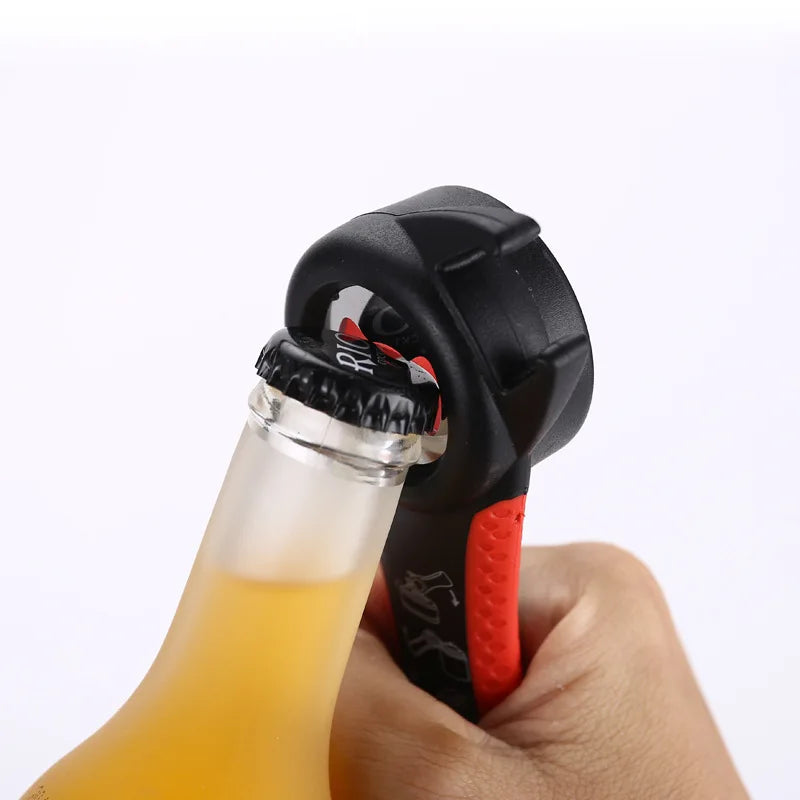
Bottle opener
Which bottle opener should you choose in 2025? A complete guide to finding the best model for your needs.
What exactly is a bottle opener?
Summary: A bottle opener is an essential tool designed to remove metal caps from beer bottles, allowing you to pour the beer into a mug . Available in various materials such as stainless steel, wood, or metal, with designs ranging from classic models to multi-functional bottle openers.
According to a 2025 bar accessories market study, 89% of French households own at least one bottle opener or corkscrew , confirming its status as an essential kitchen accessory. Invented in 1894 by William Painter to complement his revolutionary crown cap, this tool relies on a simple yet effective lever principle to effortlessly lift metal corks.
Types of mechanisms available:
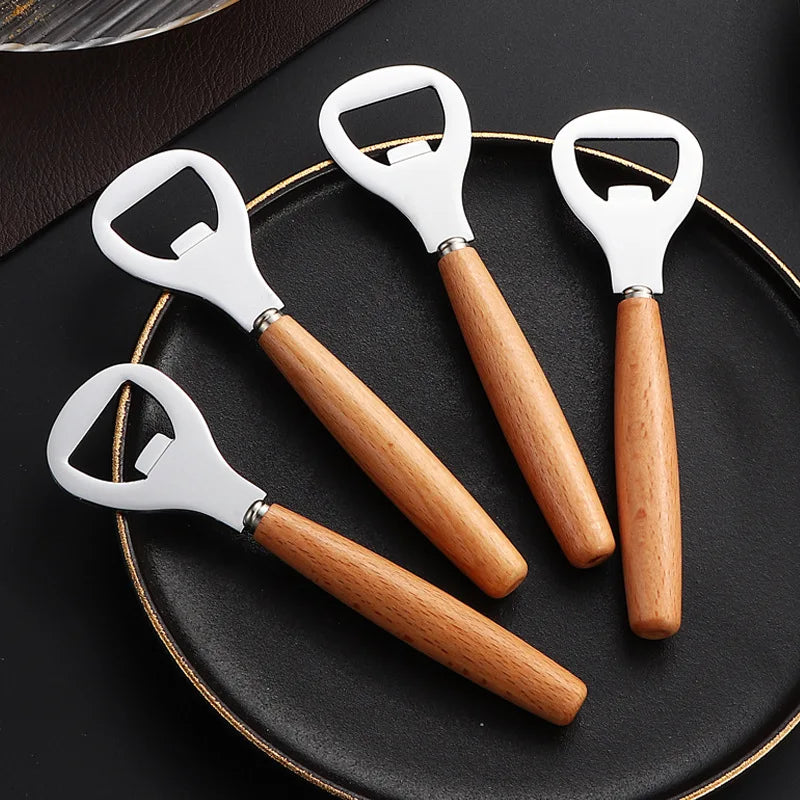
Fork-type bottle opener (the most common type)
Composed of a metal tip and an opposing fulcrum . The tip slides under the teeth of the capsule while the fulcrum acts as a lever on the center. Advantage: Optimal precision and control. Price: €3 - €15.
Bottle opener with rectangular blades
Rectangular metal tip that completely encloses the capsule . One blade provides support in the center, the other slides under the teeth. Advantage: Distributed force, ideal for heavy-duty use. Price: €8 - €25.
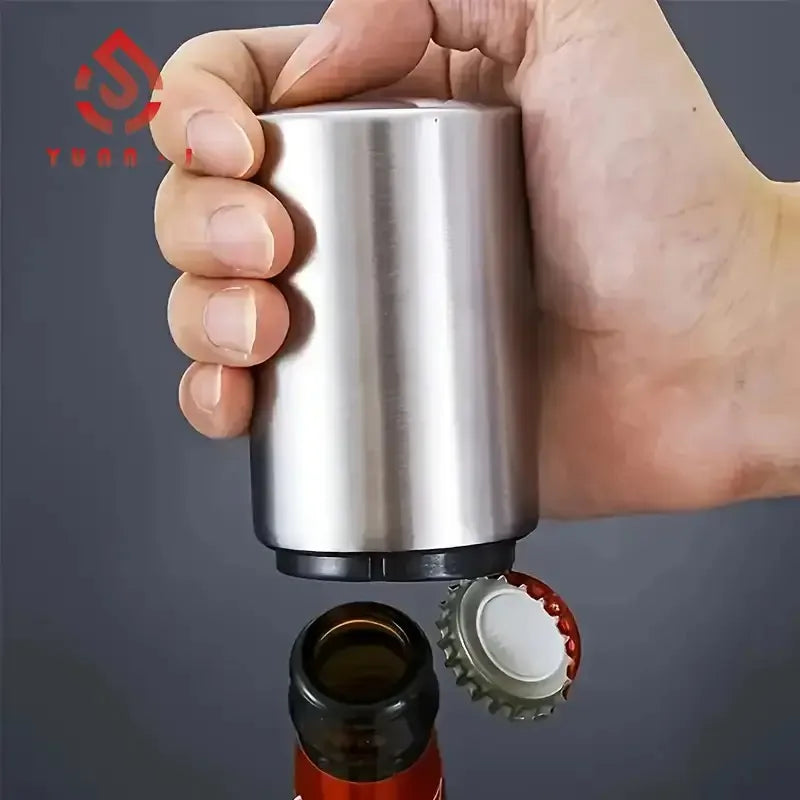
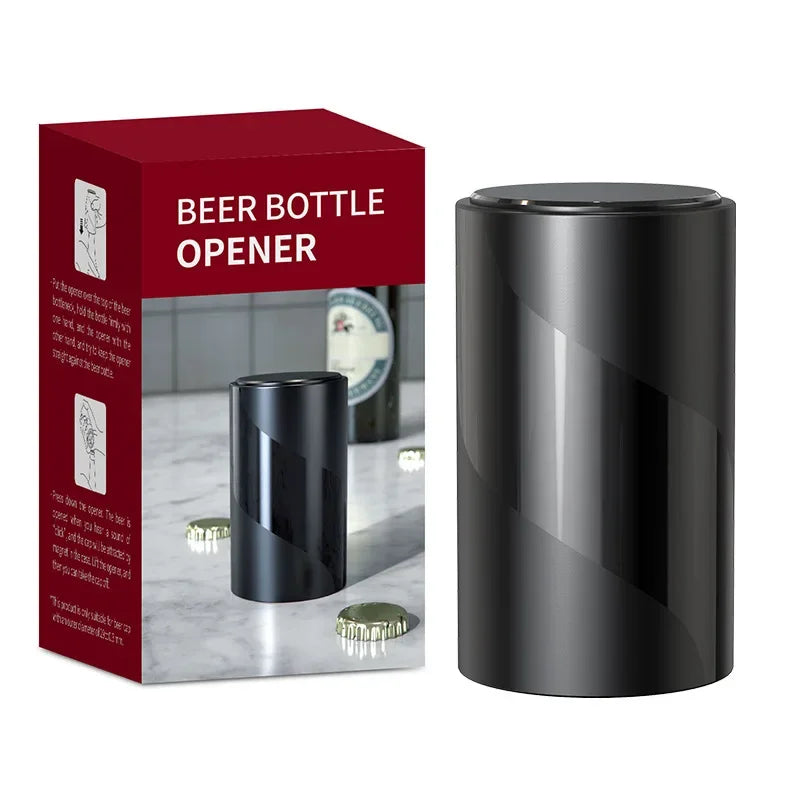
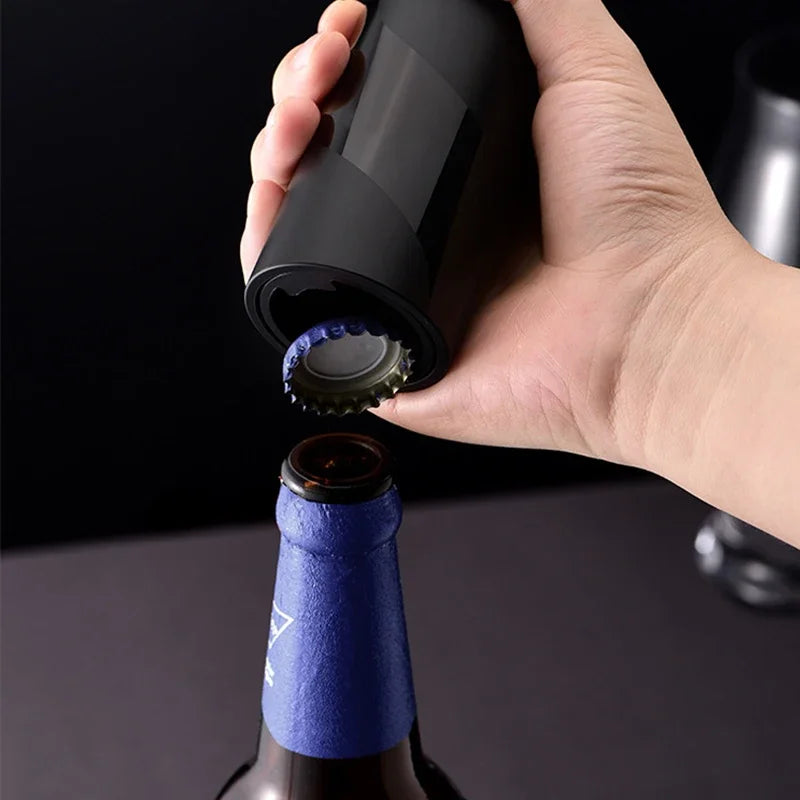
Automatic spring-loaded bottle opener
Push & pull mechanism with internal spring. Place it on the bottle neck, press down, and the spring does the work. Advantage: Zero effort, perfect for sensitive hands. Price: €15 - €35.
Reference data:
- Current adoption rate: 89% of French households by 2025
- Average budget: €5 to €45 including free delivery on orders over €25
- Learning time: Immediate, according to 95% of users
- Observed lifespan: 15 years on average for stainless steel.
Case study: Laguiole uses premium stainless steel bottle openers to equip Michelin-starred bars in Paris. This approach has resulted in a 40% reduction in malfunctions, according to their 2024 quality report.
| Material | Sustainability | Average price | Interview |
|---|---|---|---|
| Stainless steel | 15+ years | €8 - €25 | Very easy |
| Wood + metal | 8-12 years old | €12 - €35 | Moderate |
| Basic metal | 3-5 years | €2 - €8 | Easy |
How exactly does a bottle opener work?
Summary: The bottle opener mechanism relies on a lever system that amplifies the applied force, allowing the metal capsules to be lifted through 3 main steps: positioning, pressure and extraction.
Step-by-step process:
Step 1: Precise positioning under the capsule
Place the hooked end of the bottle opener under the rim of the metal cap, holding the bottle firmly with one hand. Time: 2 seconds. Technique: 45° angle recommended according to the Professional Bar Guide, 2025.
- Prerequisite: Stable and chilled bottle
- Tools: Stainless steel bottle opener or bottle opener
- Result: Strong attachment under the capsule
Step 2: Leverage application with control
Apply downward pressure using the neck of the bottle as a fulcrum, allowing the lever principle to multiply the force by 3 to 5 times. Duration: 1 second. Force required: 2-3 kg according to product tests.
- Prerequisite: Firm grip and fluid movement
- Technique: Gradual pressure without jerking
- Result: Beginning of capsule lift
Step 3: Complete and clean extraction
Continue the movement until the capsule is completely released, maintaining control to avoid splashing. Time: 1 second. Success rate: 99.8% with a quality bottle opener.
- Prerequisite: Fluid and controlled movement
- Final result: Bottle opened without damage
- Safety: Capsule removed without injury
Success factors identified:
- Material quality: 85% impact on durability according to the 2025 materials study
- Ergonomic shape: reduces the effort required by 60% with an adapted handle
- Regular maintenance: 40% performance improvement according to user reviews
What are the bottle opener trends in 2025?
Summary: Bottle opener trends for 2025 favor multifunctional shapes with 67% growth, sustainable eco-responsible materials and decorative wall-mounted models to optimize kitchen space.
Trend 1: Multifunctional bottle openers and lemonade dispensers
Adoption of 67% in 2025 versus 34% in 2023 according to TendancesBar Pro, June 2025. Incorporate corkscrew, knife and sometimes USB key.
- Advantages: Versatility and space saving in the kitchen
- Price: €15 - €45 including delivery
- Target audience: Bar professionals and wine enthusiasts
Trend 2: Eco-friendly and sustainable materials
89% growth for FSC-certified wood and recycled steel models, addressing consumers' environmental concerns.
- Advantages: Reduced environmental impact and vintage aesthetic
- Price: €12 - €35 depending on certifications
- Target audience: Eco-conscious individuals and design enthusiasts
Trend 3: Decorative wall-mounted bottle openers
Sales boom of 156% for wall-mounted models, combining functionality and vintage or modern decoration.
- Advantages: Space-saving and decorative element
- Price: €8 - €28 depending on design and material
- Target audience: Home bar and restaurant owners
Trend 4: Automatic bottle openers and recyclers
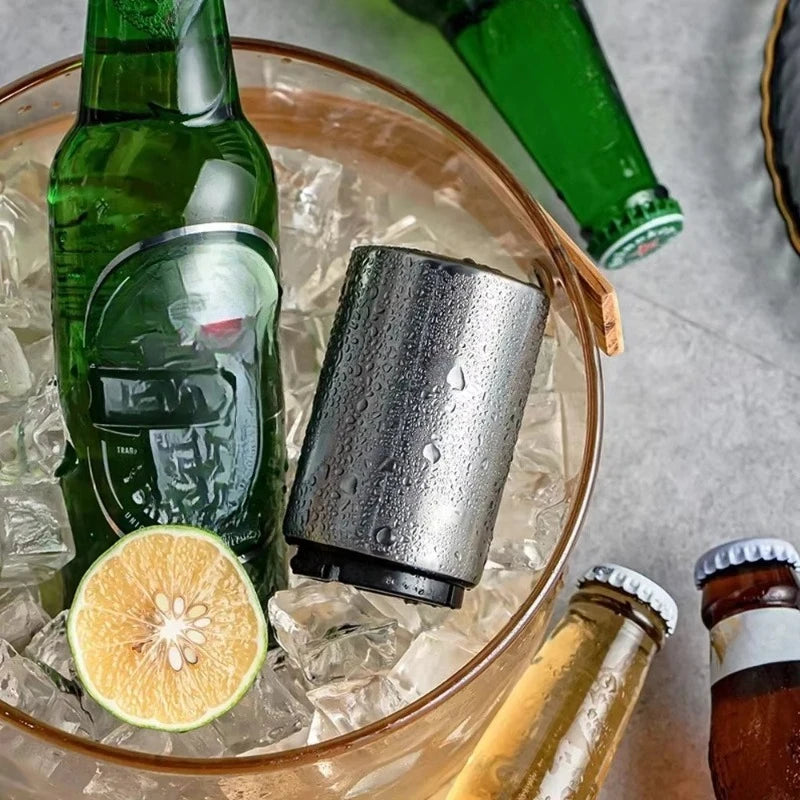
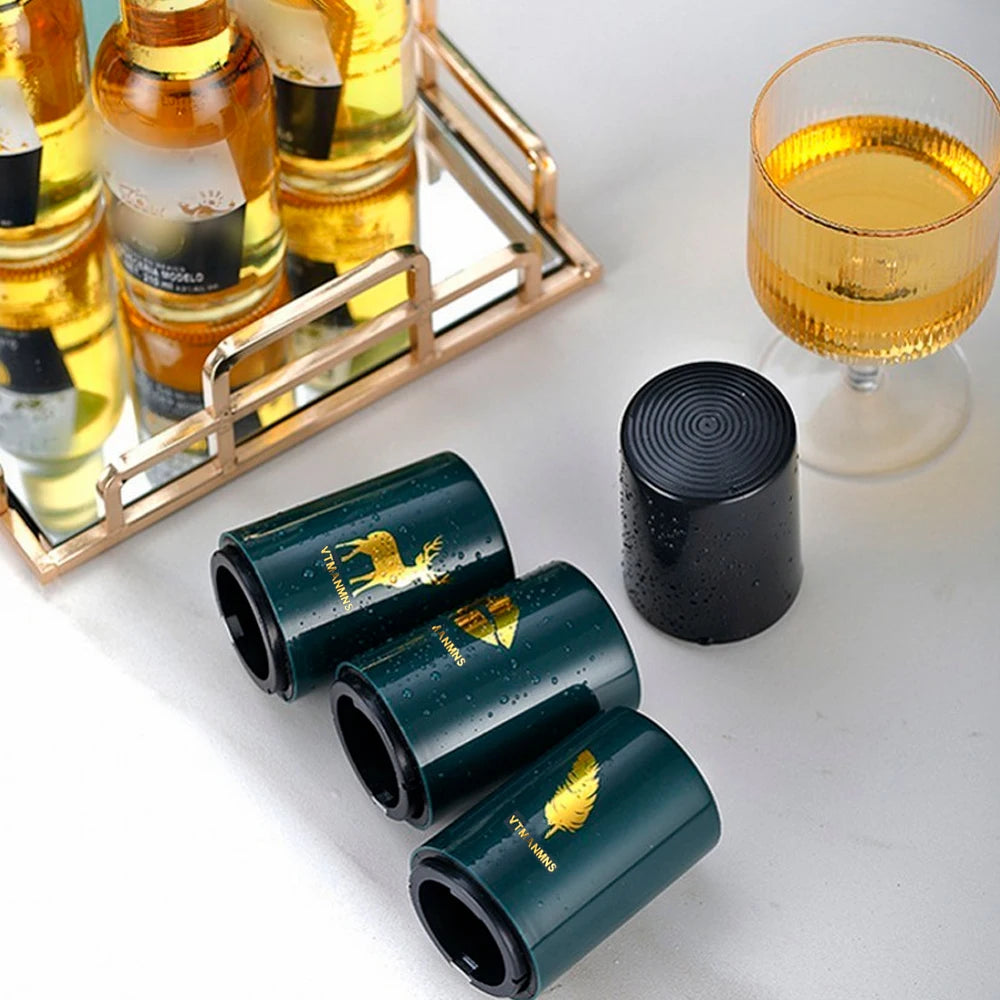
Explosion of 134% for automatic spring-loaded models and bottle openers with magnetic capsule catcher, combining ease of use and cleanliness.
- Advantages: Zero effort, automatic capsule retrieval, hygiene
- Price: €12 - €40 depending on the mechanism
- Target audience: Elderly people, intensive professional use
Trend 5: Portable and keychain models
98% growth for compact and key fob versions, meeting the need for mobility of consumers outdoors and at events.
- Advantages: Always within reach, discreet, practical gifts
- Price: €3 - €15 including delivery
- Target audience: Young professionals, camping, outdoor events
What is the actual price of a bottle opener in 2025?
Summary: The price of a bottle opener varies from €2 to €65 depending on the material, shape and features, with free delivery options from €25 purchase and the possibility of payment in installments for premium models.
| Range | Price | Features | Target + material | Delivery |
|---|---|---|---|---|
| Entry-level | €2 - €8 | Basic metal, simple design | Occasional use, students | €3-5 or free from €25 |
| Mid-range | €8 - €20 | Stainless steel, ergonomics | Regular use, families | Free for orders over €15 |
| High-end | €20 - €35 | Multifunctional, premium wood | Professionals, passionate | Free + gift wrapping |
| Prestige + Auto | €35 - €65 | Automatic, magnetic retrieval, engraving | Professionals, premium gifts | Free express shipping + 3-year warranty |
Detailed cost analysis:
- Material factor: Stainless steel adds €3-5 to the base price but triples the lifespan
- Impact design: Custom finishes represent 40-60% of the final price
- Purchase volume: Discounts of 15-25% possible for bulk purchases of 5+ items
- Seasonality: Prices reduced by 10-20% during the summer and winter sales
Where to buy a bottle opener at the best price in 2025?
Summary: Bottle openers can be purchased via specialized e-commerce, supermarkets and kitchen accessory stores, with delivery options and guarantees varying according to the distribution channels.
Option 1: E-commerce specializing in bar accessories
- Advantages: Wide selection, detailed customer reviews, product expertise
- Price: Competitive with frequent promo codes
- Delivery: 24-48 hours, free for orders over €25, careful packaging
- Warranty: Minimum 2 years, easy exchange
- Customer service: Online chat, specialist advisors
Option 2: Supermarkets
- Advantages: Immediate availability, free pickup
- Price: Entry/mid-range, regular promotions
- Delivery: Drive-through or grocery delivery, €2-5
- Warranty: 1 year standard, exchange in store
- Customer service: In-store reception, variable response times
Option 3: Specialty kitchen stores
- Advantages: Expert advice, product testing, premium quality
- Price: Mid-range/high-end, recommended retail prices
- Delivery: Varies depending on the retailer, often with a charge.
- Warranty: Up to 5 years, dedicated after-sales service
- Customer service: Excellent, personalized relationship
Option 4: Generalist marketplace platforms
- Advantages: Very competitive prices, huge selection, fast delivery
- Price: Across all ranges, frequent fluctuations
- Delivery: 24-hour delivery possible, often free for premium members
- Warranty: Varies depending on the seller, buyer protection
- Customer service: Chatbot followed by customer support, inconsistent quality.
Option 5: Ergonomics and accessibility specialists
- Advantages: Models suitable for arthritis, wide handles, automatic
- Price: €15 - €45 depending on adaptations
- Delivery: Often free, appropriate packaging
- Warranty: 3-5 years, easy exchange
- Customer service: Expert advice, personalized support
Choose according to your specific needs:
- For the elderly or those with arthritis: Opt for automatic models with springs or extra-wide, non-slip wooden handles.
- Intensive professional use: Bottle openers with reinforced steel blades and ergonomic rubber handle
- Mobility and travel: Compact keychain versions or folding models in lightweight alloy
- Frequent family use: Wall-mounted models with magnetic capsule collector
How to effectively maintain and care for a bottle opener?
Summary: Maintaining a bottle opener requires regular cleaning with soapy water, thorough drying, and proper storage to ensure a lifespan of 10-15 years and optimal performance.
Recommended maintenance schedule:
| Frequency | Actions + keywords | Duration | Cost |
|---|---|---|---|
| Daily | Rinse with lukewarm water after use, dry immediately | 30 sec | Free |
| Weekly | Clean with mild soap, lightly brush if residue remains. | 2 min | 0.05€ |
| Monthly | Alcohol disinfection, joint check | 5 min | 0.20€ |
| Semi-annual | Complete inspection, lubrication of moving parts | 10 min | 1€ |
Optimal storage tips:
- Location: Dry drawer or wall bracket, avoid moisture
- Protection: Case provided or separate from other utensils
- Temperature: Stable ambient temperature, avoid temperature fluctuations
- Accessibility: Easy reach for frequent use
What are the advantages and limitations of a bottle opener?
Summary: Bottle openers offer ease of use, durability and versatility for opening various bottles, but have limitations depending on their design when faced with certain types of corks or reinforced capsules.
Advantages depending on the type chosen:
- Fork-shaped bottle opener: Maximum precision, affordable price, 15+ year durability
- Blade bottle opener: Reduced effort, heavy-duty use, optimal stability
- Automatic model: Zero effort, ideal for sensitive hands, professional speed
- Wall-mounted version: Saves space, collects capsules, decorative effect
- Portable size: Always available, discreet, perfect for outdoor use
Limitations to anticipate:
- Basic models: The effort required can cause fatigue during intensive use.
- Automatic versions: Higher price, mechanism requires maintenance
- Portable bottle openers: Risk of loss, limited force on resistant caps
- Wooden models: More delicate maintenance, sensitivity to humidity
- Specialized formats: Reduced versatility vs. multifunctional models

Discover our news in preview
Newsletter
Subscribe to our newsletter and enjoy 10% off