Sort by
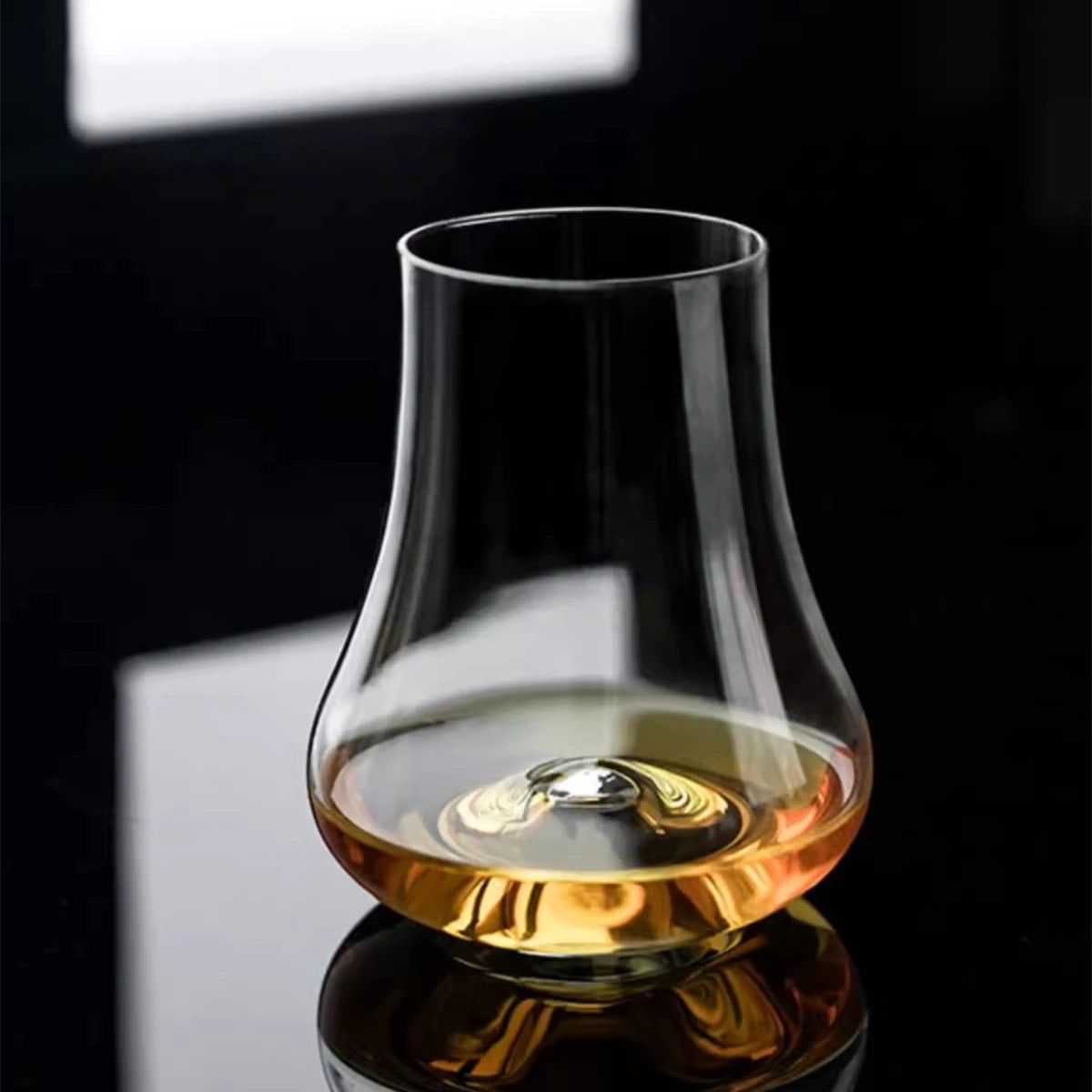
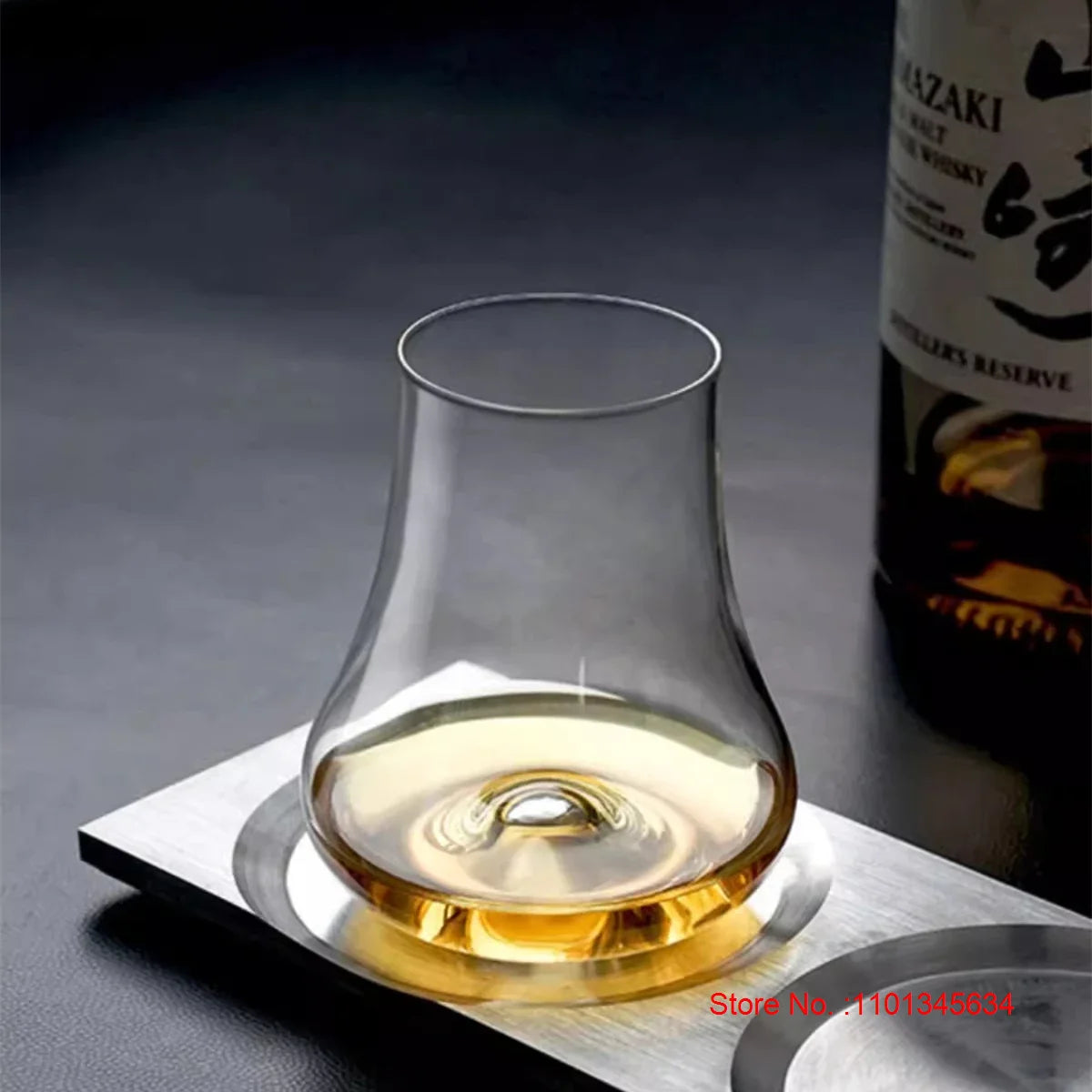
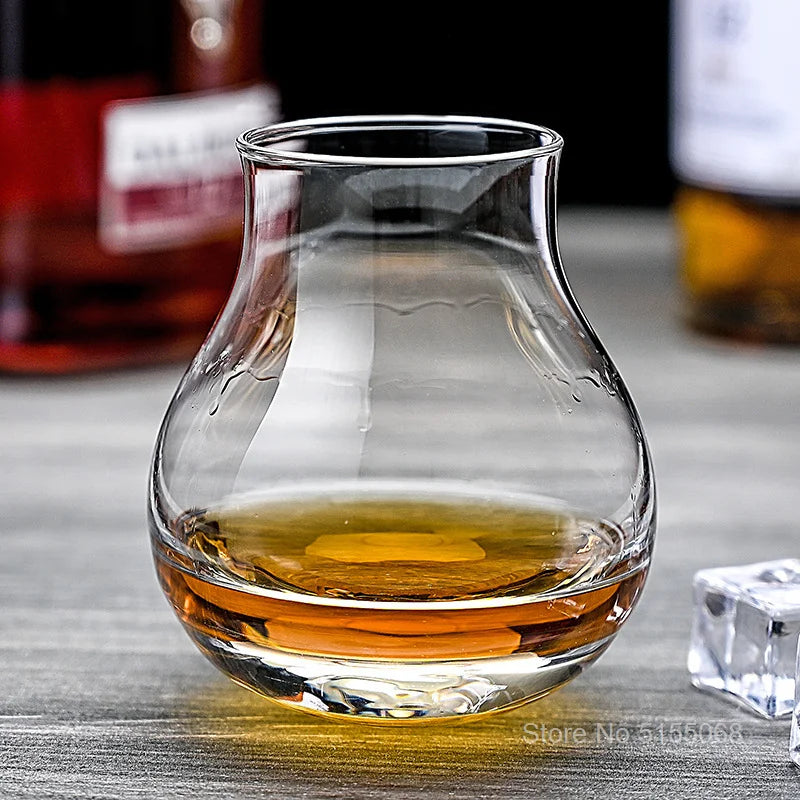
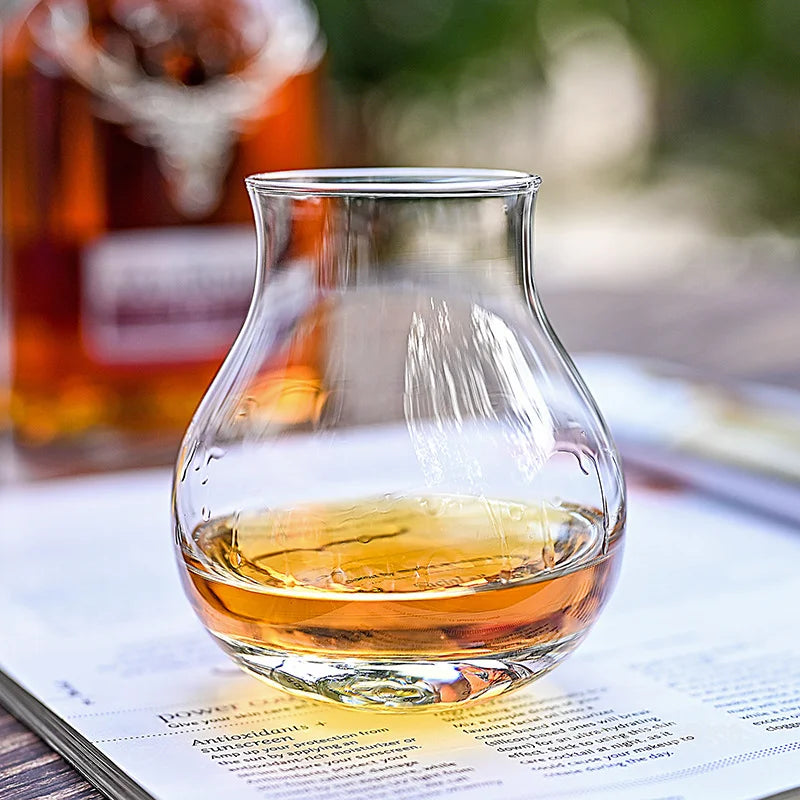
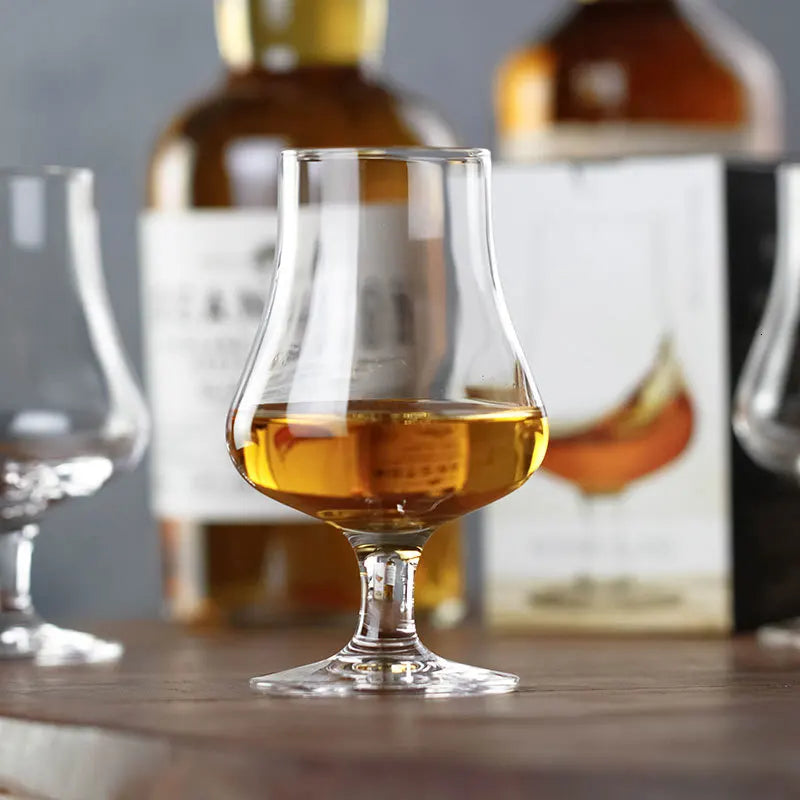
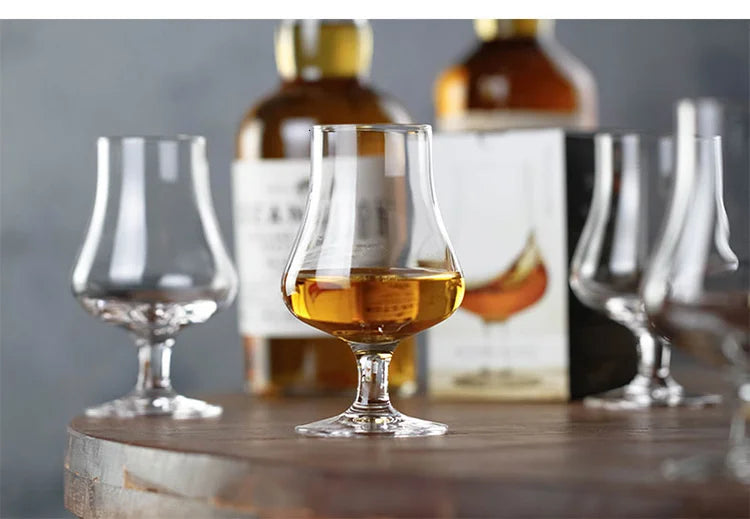
Rum glass
Why does the right rum glass make all the difference?
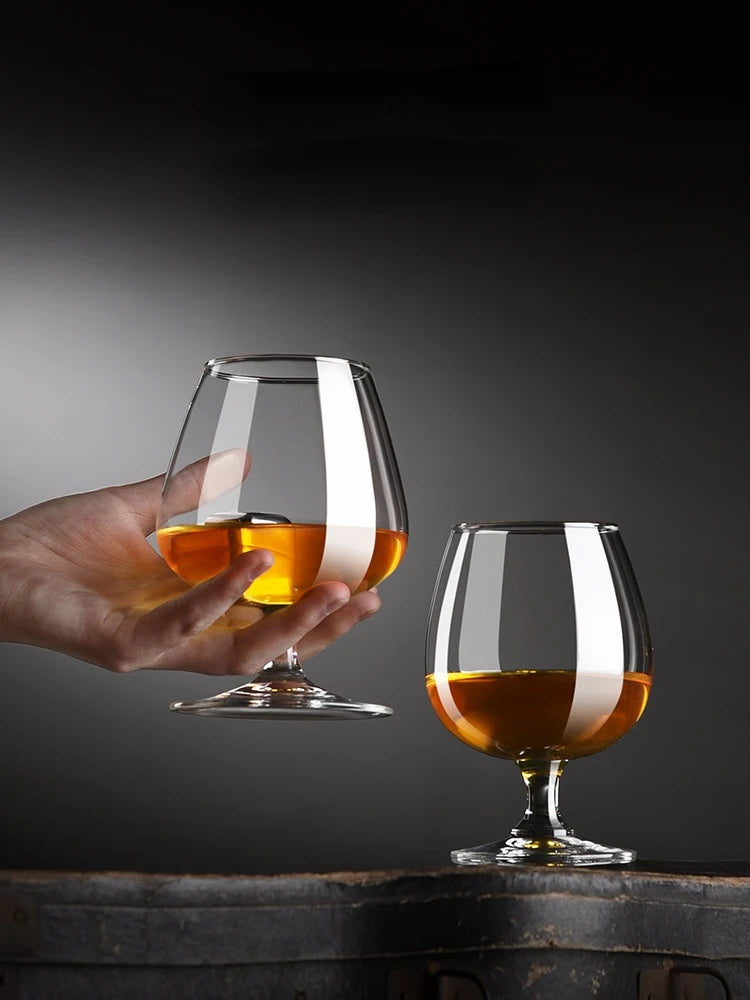
Try this. Pour the same aged rum into a straight-sided glass, then into a tulip-shaped glass . In the straight-sided glass, the alcohol burns your nose before you smell anything else. In the tulip glass, you first detect the wood, the vanilla, sometimes candied fruit. The ethanol fades into the background.
It's not magic. It's physics. The flared base of the glass (the bowl) exposes the liquid to the air over a wide surface area: the aromatic compounds evaporate. The narrower upper part (the chimney) channels these vapors towards the nose while slowing down the heavier ethanol. The result: you smell the rum before the alcohol. That's the whole point of a good rum glass.
How to choose your rum glass
Each type of rum deserves a suitable rum glass:
- Aged or extra-aged rum → tulip-shaped chimney (Ambient). The chimney concentrates the flavors and filters the alcohol.
- Cask strength or powerful Jamaican rum → long-necked tulip. The higher the proof, the longer the chimney should be.
- White agricultural rum → grappa glass (9 cl) or Ambient glass. The narrow neck captures the herbaceous notes of fresh sugarcane.
- Ti-punch → low glass, 15 to 25 cl. Wide enough for the lime, no need for technical glassware.
- Spiced rum → 6 cl shot glass for tasting, or classic cup for individual serving.
- Cocktails (mojito, planter's punch, Cuba Libre) → long drinks of 30 to 40 cl. The height accommodates ice cubes, juice and garnish.
If you were to buy only one rum glass, get the Warm. It works with almost everything, from aged rum to a Sunday ti' punch.
Adapt the glass to your habits
Beyond the type of rum, your habits matter as much as what you serve. If you enjoy rum regularly, the Warm glass is dishwasher-safe and easy to store (no fragile stem, it stacks easily). For a special occasion or when opening an exceptional bottle, the stemmed tulip glass allows for a more detailed analysis: the stem keeps the liquid at the right temperature and the color remains visible through the glass.
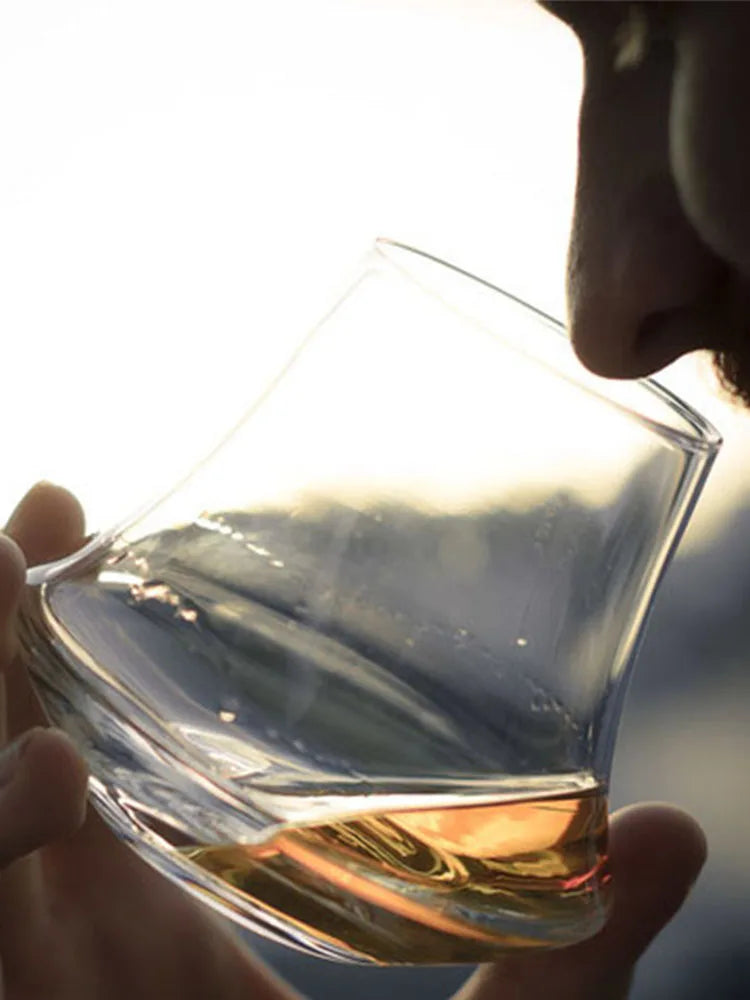
If you entertain often, think practically. Serving 6 or 8 people in tulip glasses requires space and attention (the stems break when rinsing). The stemless model is easier to hold and won't tip over. For a solo or couples' tasting, a stemmed glass encourages you to take your time: tilt it, observe the film on the side, and slowly bring your nose to the glass. However, don't swirl the rum like wine: the agitation releases the ethanol all at once and masks the aromas.
The best rum glasses on the market
Open Up — Chef & Sommelier
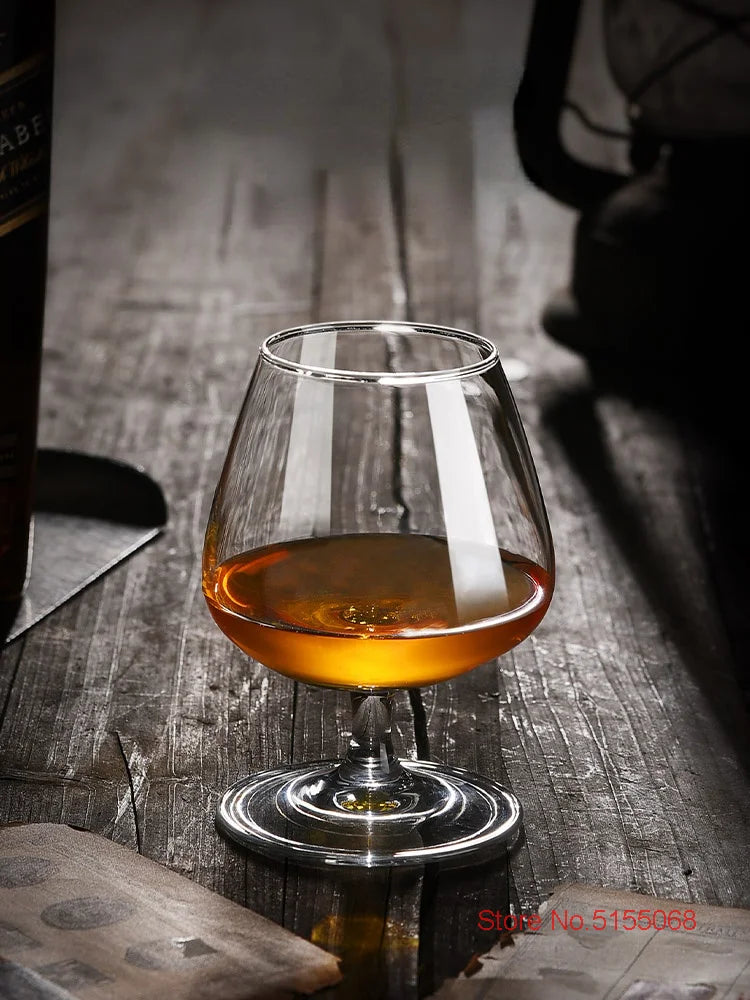
The classic rum glass found in most wine shops and liquor stores. Tulip-shaped with a stem, it holds 16.5 cl (6 cl at the break). Made of Kwarx in Arques (Pas-de-Calais), a lead-free crystal that retains its transparency even after 2,000 industrial washing cycles. The rim is cold-cut and ultra-thin: the contact in the mouth is smooth, without a thick edge to hinder tasting. The stem prevents warming the contents with your palm and allows you to observe the color of the rum.
Our opinion: the best choice for analytical tasting. We recommend it for Martinique AOC agricultural rums, aged 8 years and older, and exceptional vintages such as Clément VSOP or Neisson Réserve Spéciale.
Warm — Chef & Sommelier
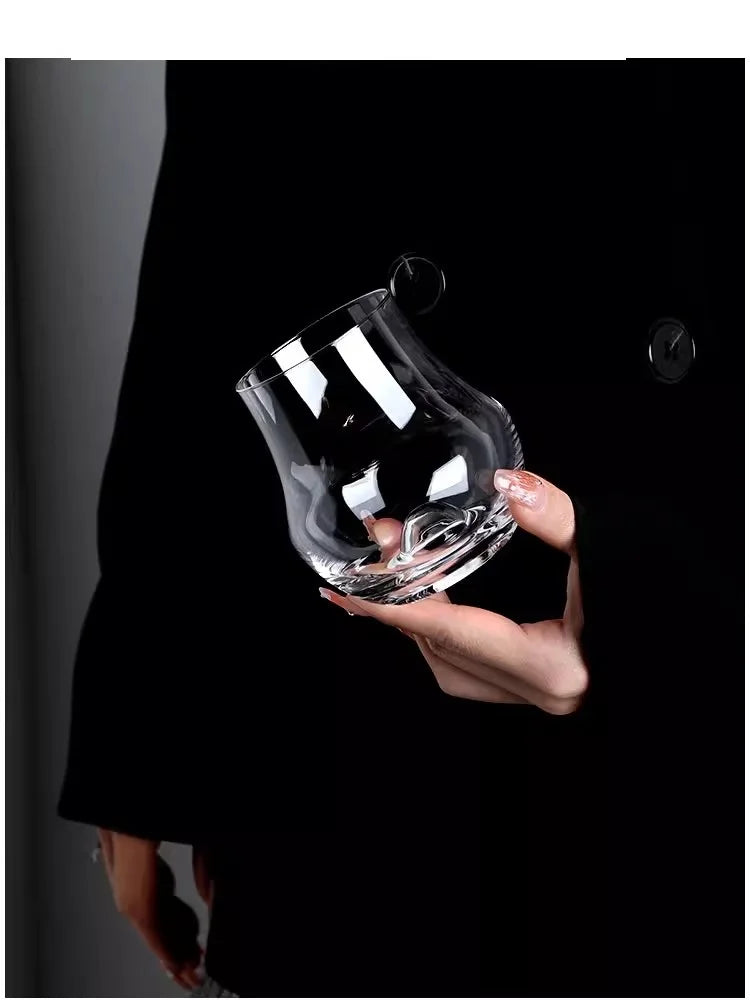
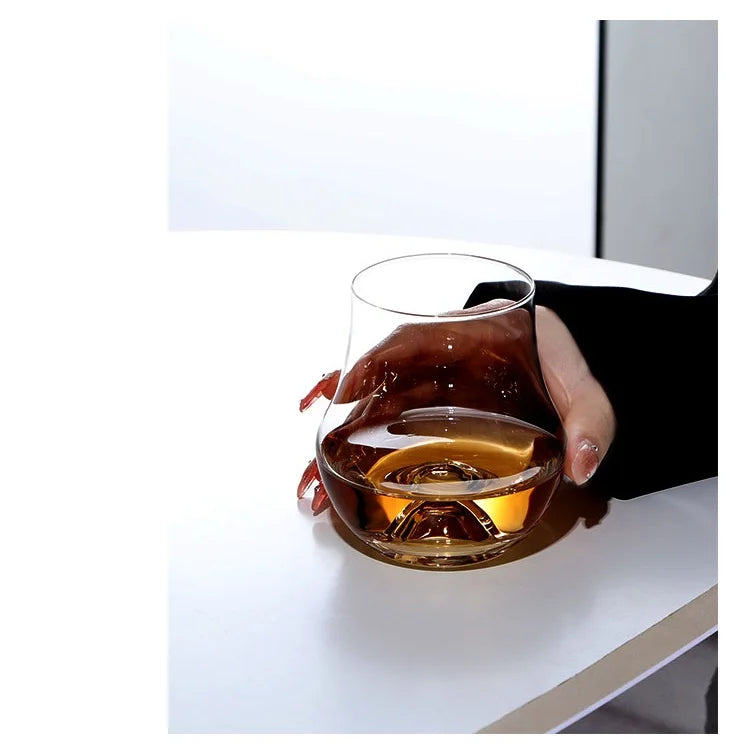
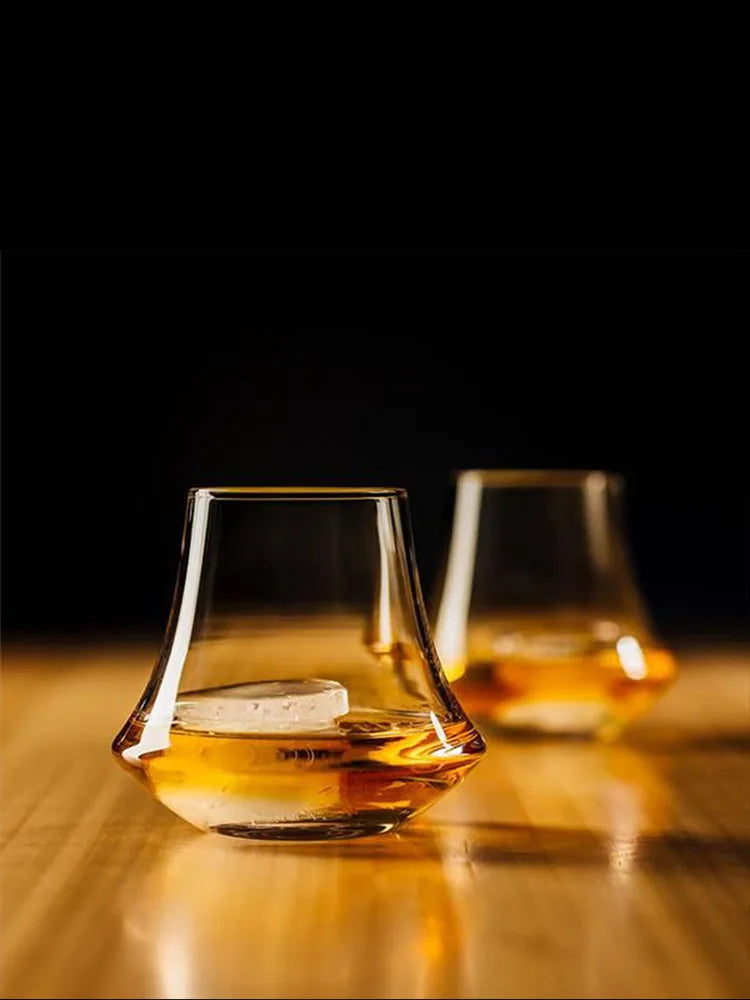
Without a stem, with a rounded base, it holds 29 cl in total and 7 cl when broken. This is the model you'll find in Martinique distilleries: Clément, JM, Neisson, and La Favorite. It fits in the palm of your hand and gently warms the liquid to around 18°C, the ideal temperature for dark spirits. Its crystal-clear glass makes it dishwasher-safe, simplifying maintenance.
Our opinion: the all-purpose rum glass. Equally at home with a vintage Damoiseau rum or a ti' punch on a terrace. If you're hesitating between the two, this is the one to choose.
Other options to know about
The Glencairn (the benchmark for whisky glasses ) and the Copita (from the world of port) share the same characteristics: a flared base, a narrow neck, and a thin rim. The criteria for a good tasting glass are identical for rum, whisky, cognac, and Armagnac. Many enthusiasts share their glassware between these spirits. The Arcoroc cognac glass (9 cl) is well-suited to white rums served in small quantities. For cocktails, the Lima or Primary tumblers from Chef & Sommelier offer the necessary capacity for ice cubes and garnish.
Material: Kwarx, crystal, or ordinary glass
Kwarx (lead-free crystal) offers the best compromise for a rum glass at home. Transparent and durable, it's dishwasher safe. This is the material used in the Chef & Sommelier ranges, manufactured by Arc International in France. Lead crystal sounds better when toasting and sparkles more in the light, but it requires hand washing. For most enthusiasts, the difference in taste doesn't justify the extra effort. Standard glass (like Arcoroc) is the most economical: less transparent, slightly thicker at the rim, but very durable. Perfectly adequate for ti' punch and cocktails.
Caring for and cleaning a rum glass
Kwarx and standard glass: dishwasher safe, delicate cycle, top rack, spaced apart to prevent impact. Avoid intensive programs, which can leave a film on the glass over time. This material can withstand more than 2,000 washes without dulling. To restore the shine to a rum glass that has lost its transparency, rub it with a cloth dampened with white vinegar, then rinse with clean water.
Crystal: hand wash only. Warm water (30-35°C), a few drops of mild dish soap, rinse thoroughly with clean water. Air dry upright on a clean towel. Do not wipe with a cloth: the fibers create invisible micro-scratches that dull the transparency over time. A splash of white vinegar in the rinse water removes limescale.
Storage: Store upright in a closed cupboard, away from dust. Do not turn them upside down (moisture collects on the rim) and do not stack them (friction will scratch the sides). Models with a stand should be handled by the base, not the stem, as this is the most common point of breakage.
Give a gift set
Martinique distilleries release limited-edition screen-printed series: HSE, Depaz, Trois Rivières, Damoiseau. The designs change regularly and are not available for long. A gift set including a bottle and two rum glasses can be found for between €40 and €70 at specialist wine and spirits shops. A sure bet for a gift for a rum enthusiast.
Frequently asked questions about rum glasses
Why serve until it breaks?
The break is the point where the bottle narrows. Below this point, the liquid aerates. Above it, the aromas accumulate in the remaining space. If you fill it beyond this point, this effect disappears and you lose the purpose of the shape.
Ice cubes in aged rum, good idea?
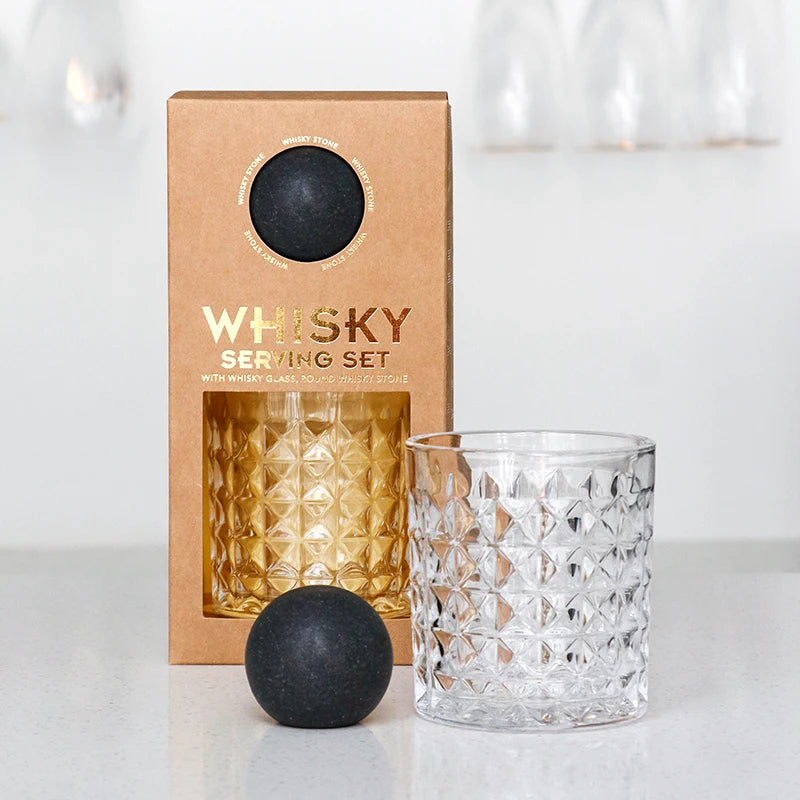
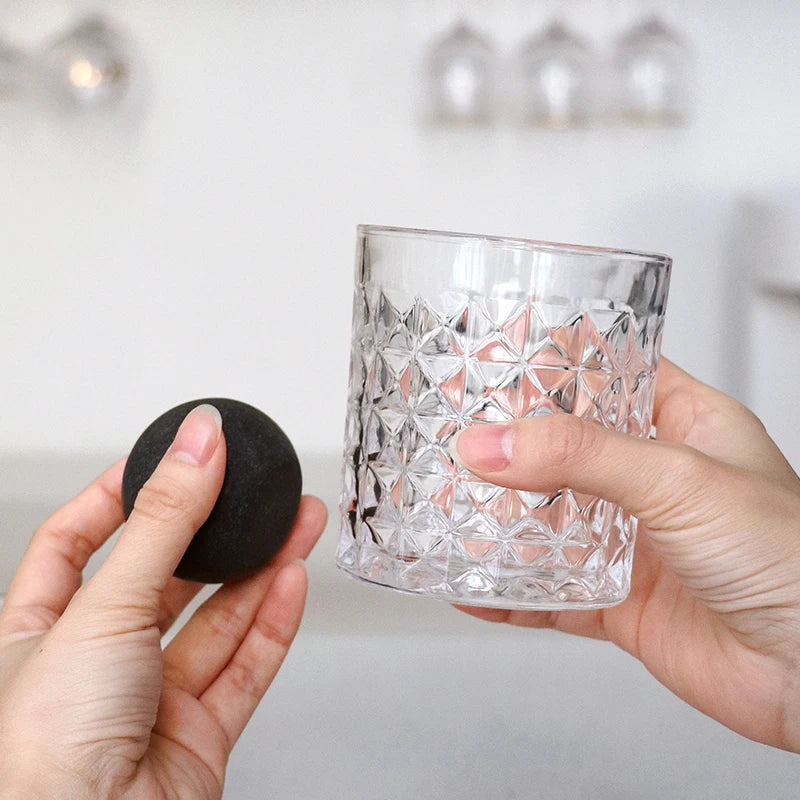
No. Melting dilutes and cools the drink, and the flavors become muted. Use whiskey stones if you want it chilled. Ice cubes are still perfect in a long drink or a cocktail tumbler.
Which rum glass should you choose: Warm or Ambient?
The Ambient is designed for analysis: its base prevents the contents from warming up, and its stem allows you to observe the wine's color. The Warm is more user-friendly, stable, and easy to store. The Ambient shines at tasting events. For everyday use, the Warm is simpler.
Can a Glencairn be used for rum?
Yes. Flared base, narrow neck, thin lip: same criteria. Whisky and rum enthusiasts often use the same models.
How do you remove limescale from a rum glass?
Add white vinegar to the rinse water. For stubborn stains, soak for 10 minutes. It works on all materials.
What budget should I plan for rum glasses?
A Warm glass costs €8 to €10 each, often sold in sets of 6 for between €51 and €58. The second option is a step up: around €77 for 6. Screen-printed distillery glasses (Clément, JM, Saint James) can be found for between €18 and €49 for 6, depending on the brand.

Discover our news in preview
Newsletter
Subscribe to our newsletter and enjoy 10% off