Sort by
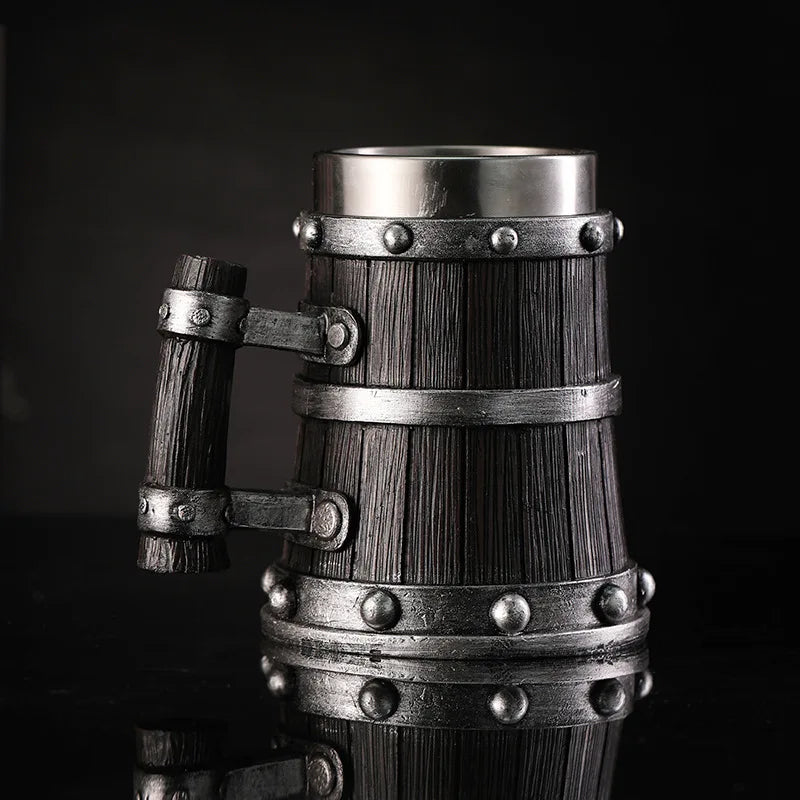
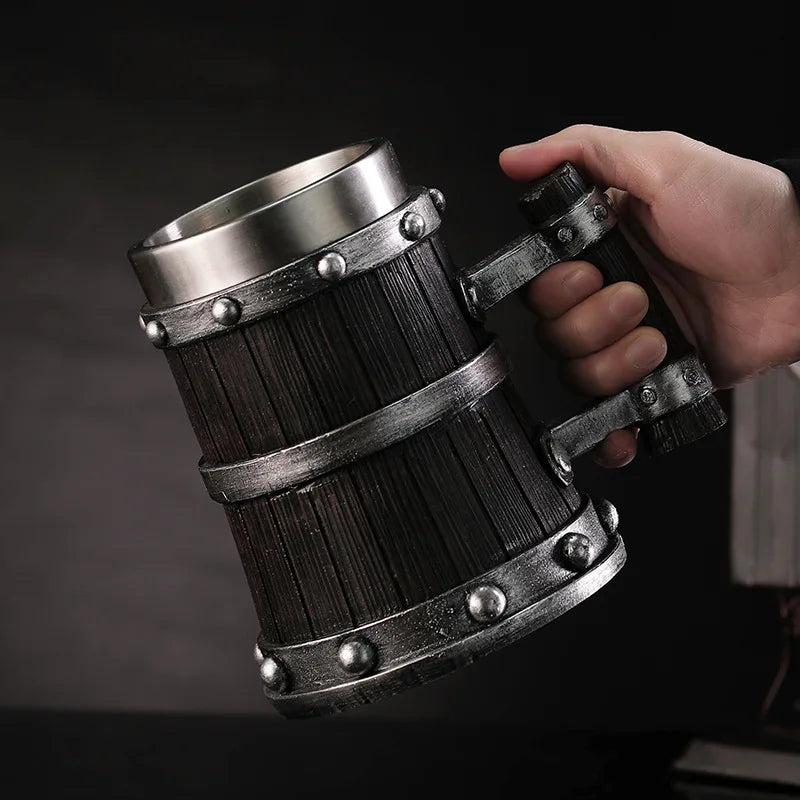
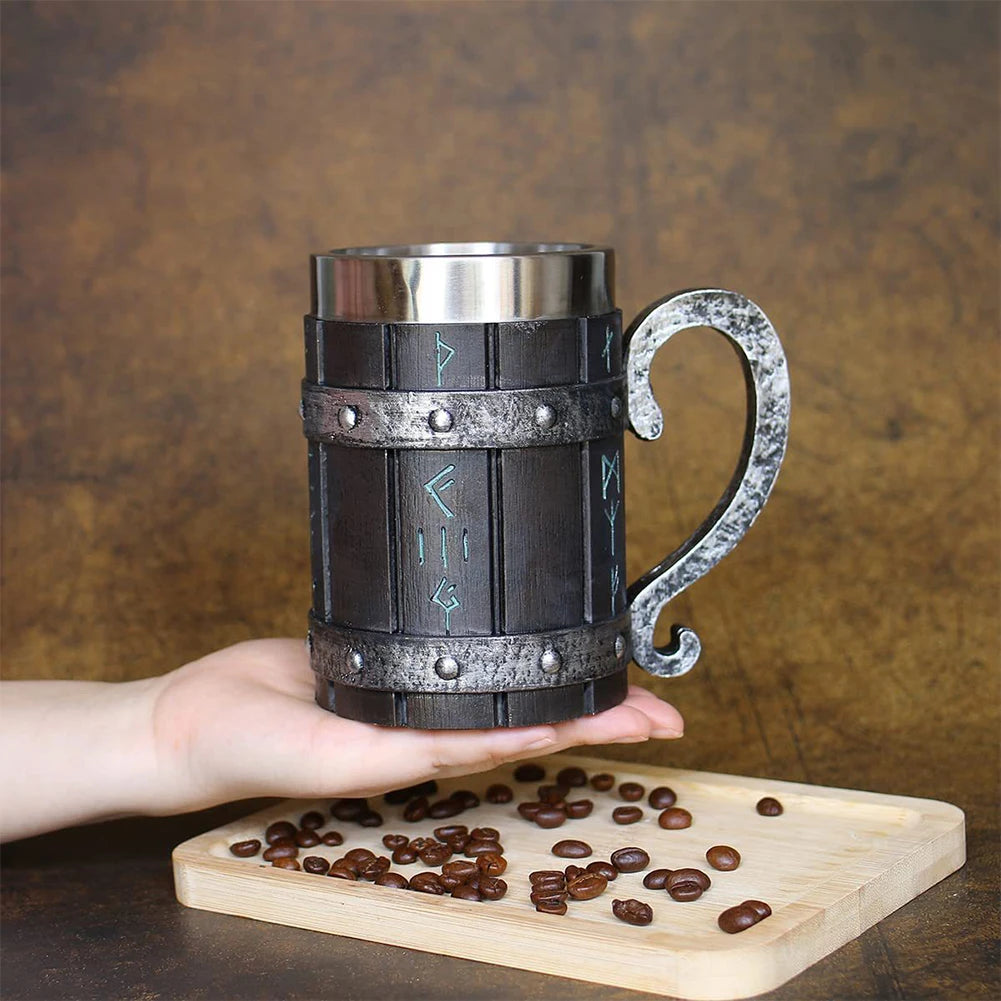
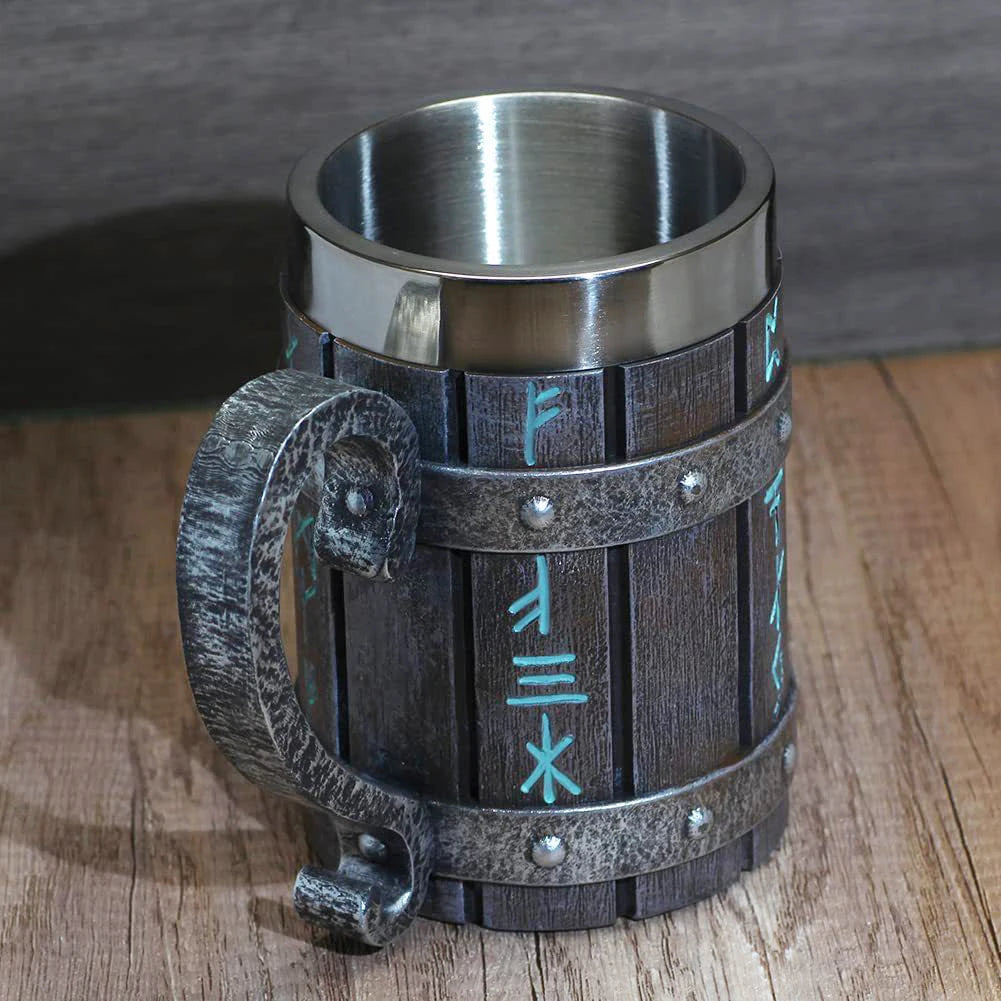
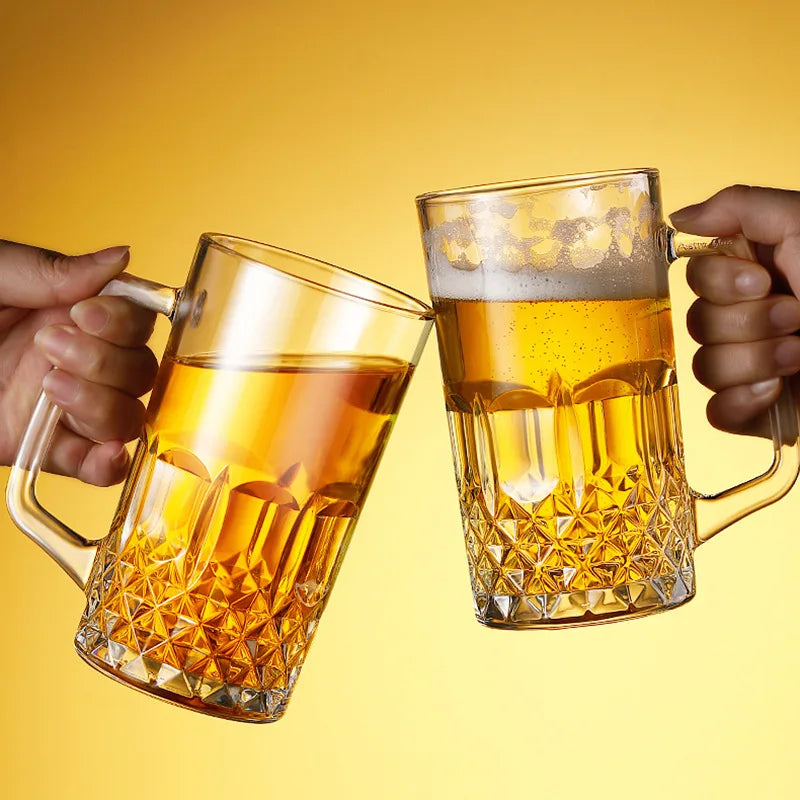
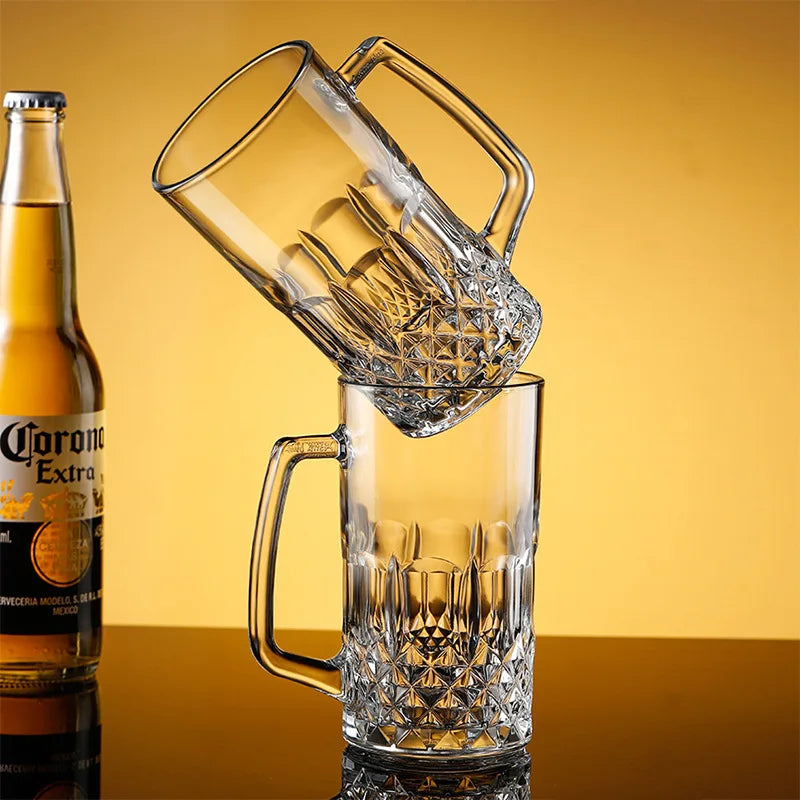
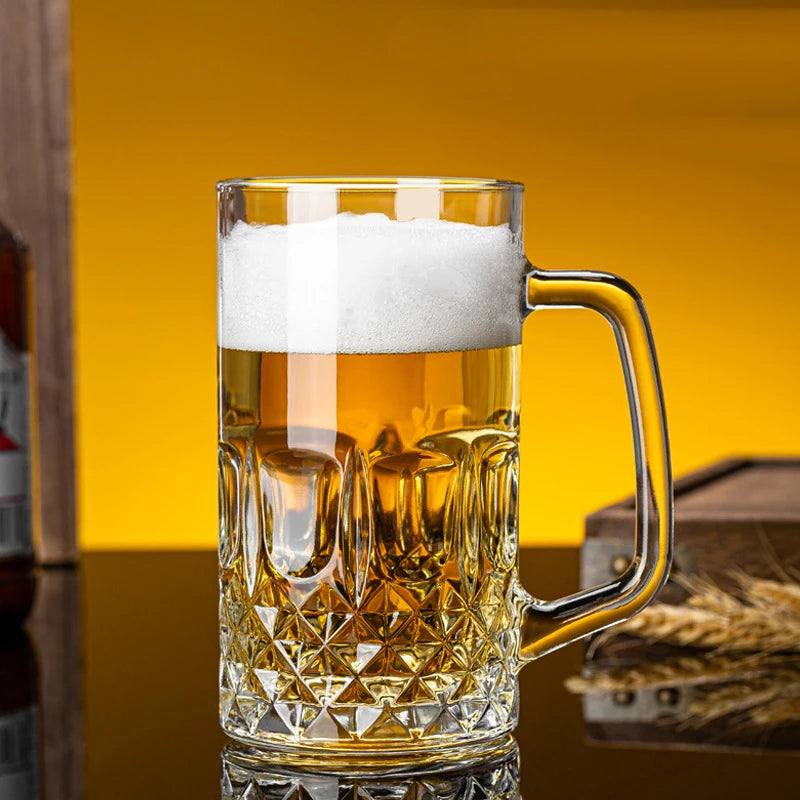
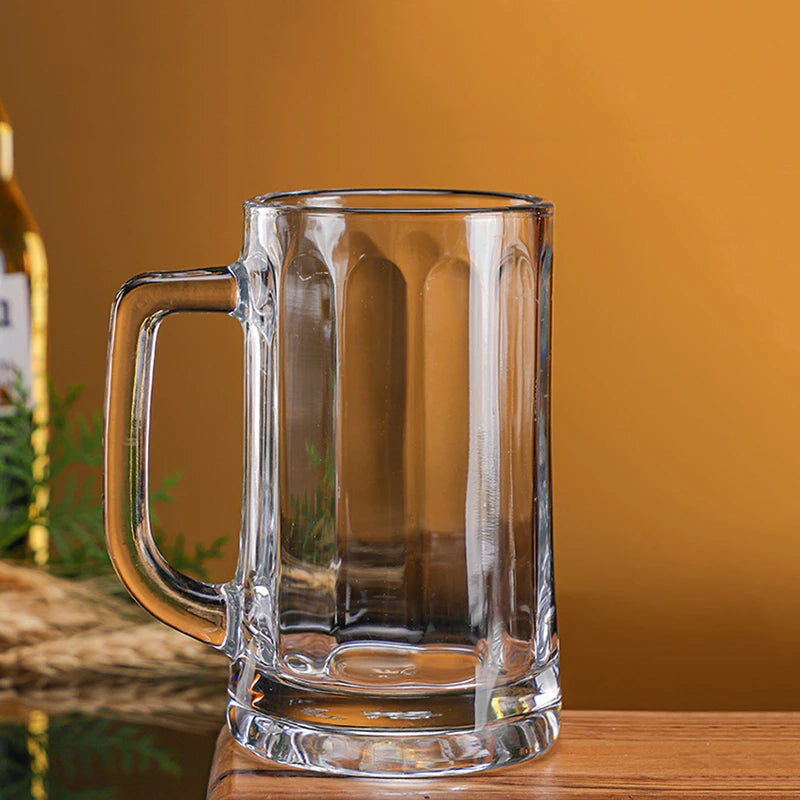

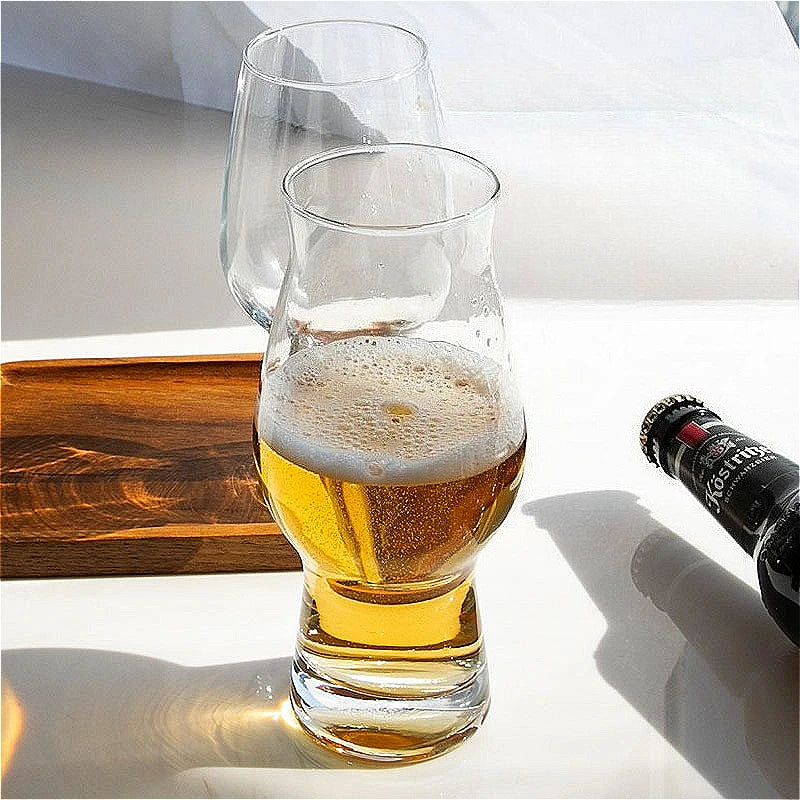
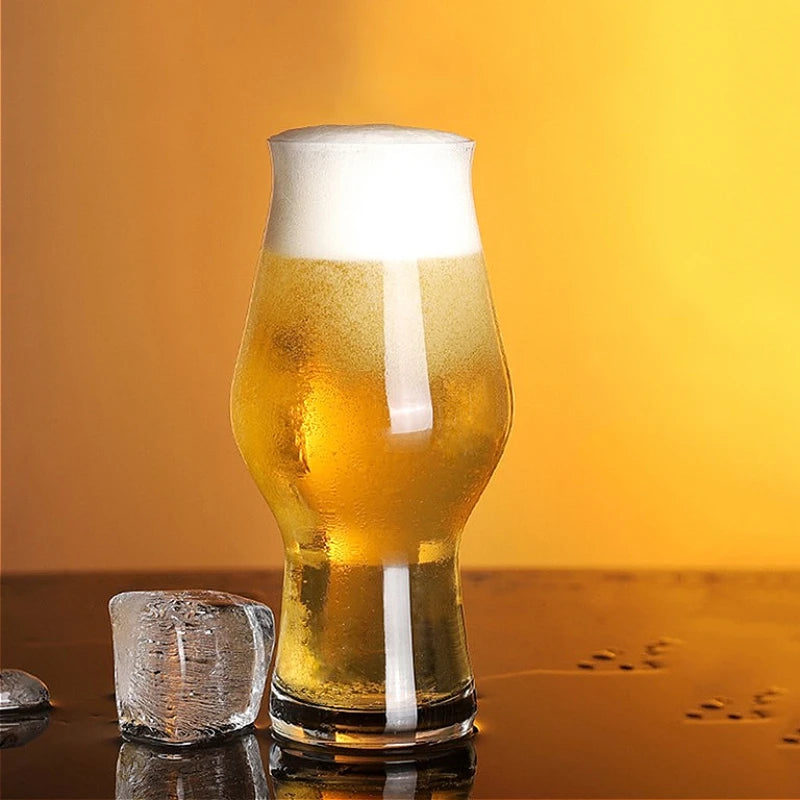



Beer mug
Beer mug: history, types and a guide to choosing the right one
The beer mug is that sturdy beer glass with a handle found in bars and breweries all over the world. Behind this familiar object lies a seven-century-old history and dozens of different materials. It also changes the taste of your beers, more than you might think.
Whether you're looking for a beer mug for drinks with friends, an original gift for a beer lover (man, woman, dad), or a vintage collector's item: this guide from Limonadier covers everything you need to know before buying.
What is a beer mug?
The word "choppe" comes from the Alsatian word "schoppe ," meaning "large beer glass." In Germany, it's called a Krug (related to "jug"), Humpen , or Seidel, depending on the region. In English, it's a beer stein (or simply a beer mug ), from the German word "Stein," which refers to stoneware.
What distinguishes the beer mug from other beer glasses is its handle. The pint glass doesn't have one. Neither does the bock. The handle prevents the heat from your hand from warming the beer. Its thick walls provide the same insulation, something that thin glasses or standard bottles don't offer.
In France, the French Academy defines a chope as a 50 cl glass. In French bars, this capacity has other names depending on the region: "baron", "distinguished", "serious", or "pint" (even though the real English pint is 56.8 cl).
The history of the beer mug: from the plague to the present day
The 14th century: the plague and the tin lid
In the 14th century, the Black Death decimated Europe. The Holy Roman Emperor ordered that all containers intended for food or drink be covered. Beer jugs were given tin lids. The tankard was born.
It is also said that the lid prevented insects from drowning in the beverage. Whatever the reason, this utilitarian object has become a cultural symbol, from Germany to the rest of the world.
From wood to glass: the evolution of materials
Before the 19th century, there were no glass beer steins. Beer was drunk from containers made of wood, terracotta, stoneware, metal (zinc, tin), porcelain, or enamel. Stoneware was predominant in German and Czech breweries. Artisanal production resulted in hand-decorated pieces.
The arrival of the glass changed everything. For the first time, you could see the beer's appearance, its color, and its head. Breweries quickly grasped the potential. They supplied bars with mugs bearing their logo. This practice continues today in France and Germany.
Traditions surrounding the beer mug
In German beer halls, each regular had their own assigned beer stein. Forget to put the lid down after drinking? A round was mandatory. Soldiers finishing their service were also given a metal stein adorned with their regiment's crest. Some bore motifs of knights or heraldic symbols.
These customs have disappeared, but thousands of old beer steins still exist. Their shapes and illustrations fascinate tegestophiles (collectors of beer-related objects).
The different types of beer mugs
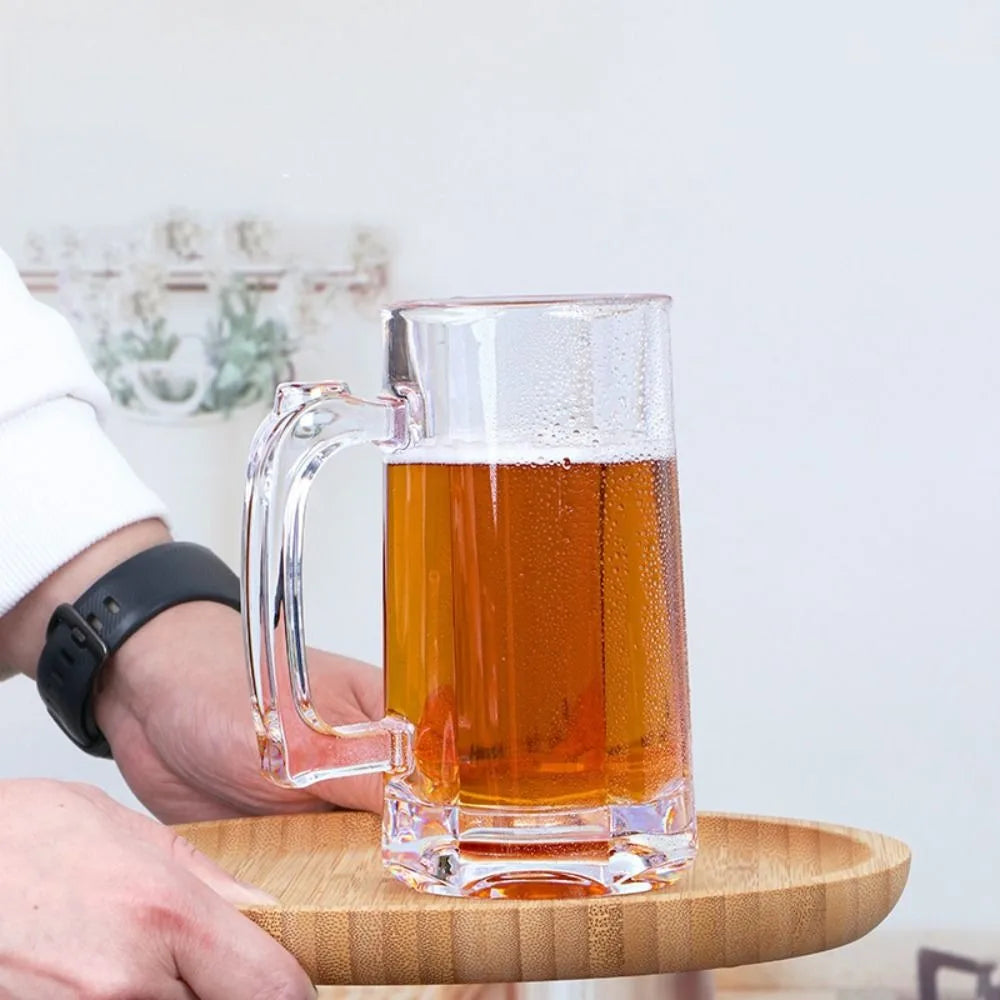
The glass mug
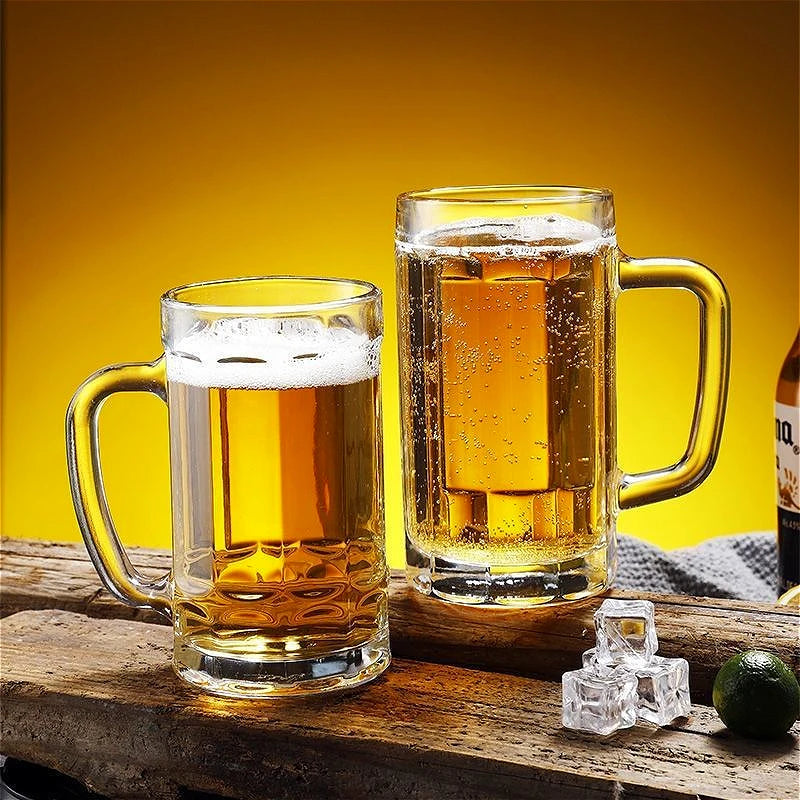
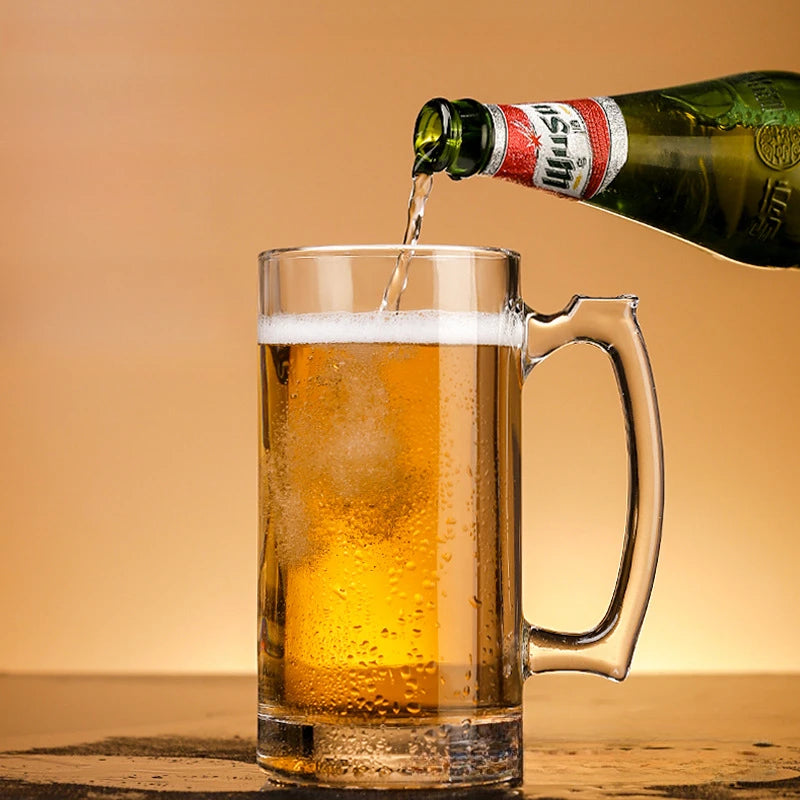
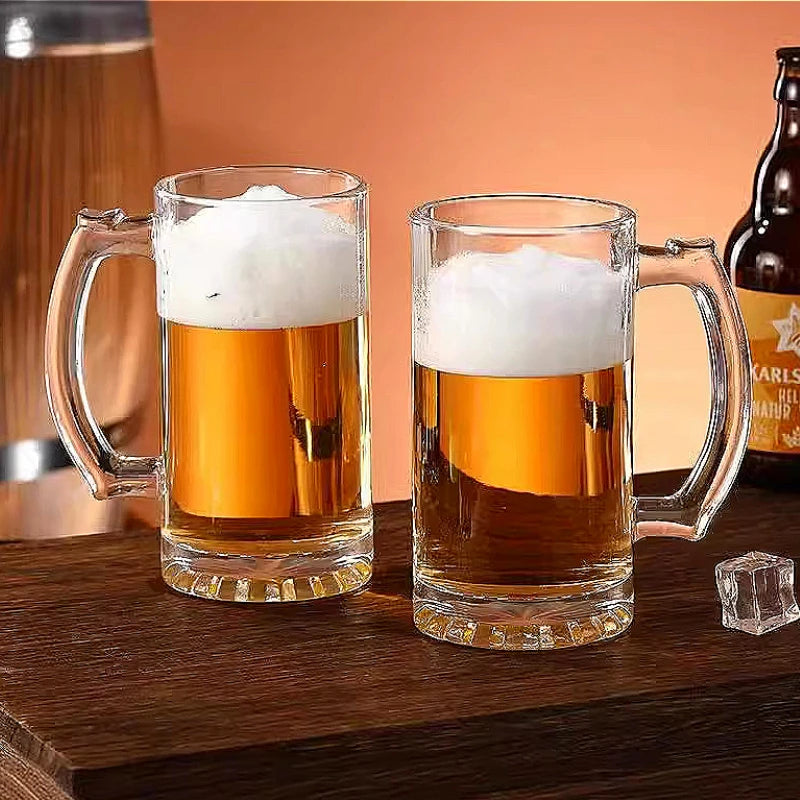
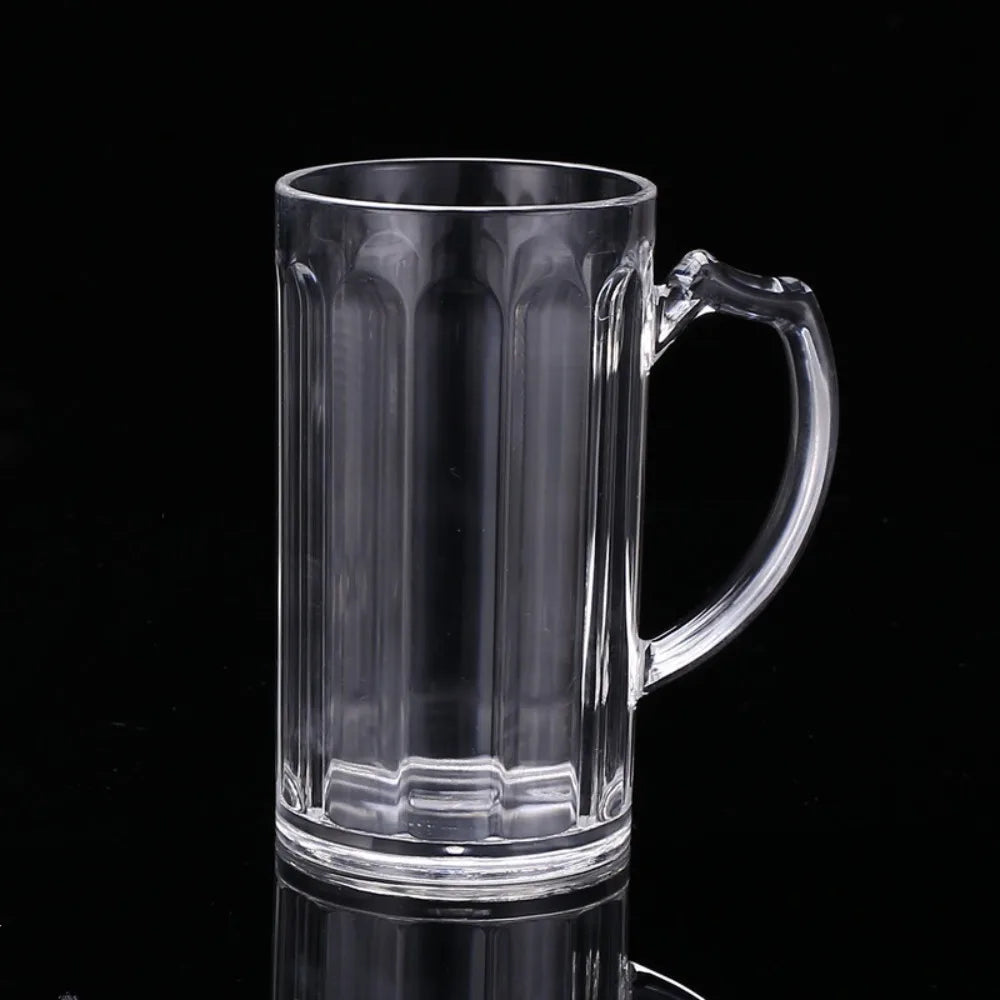
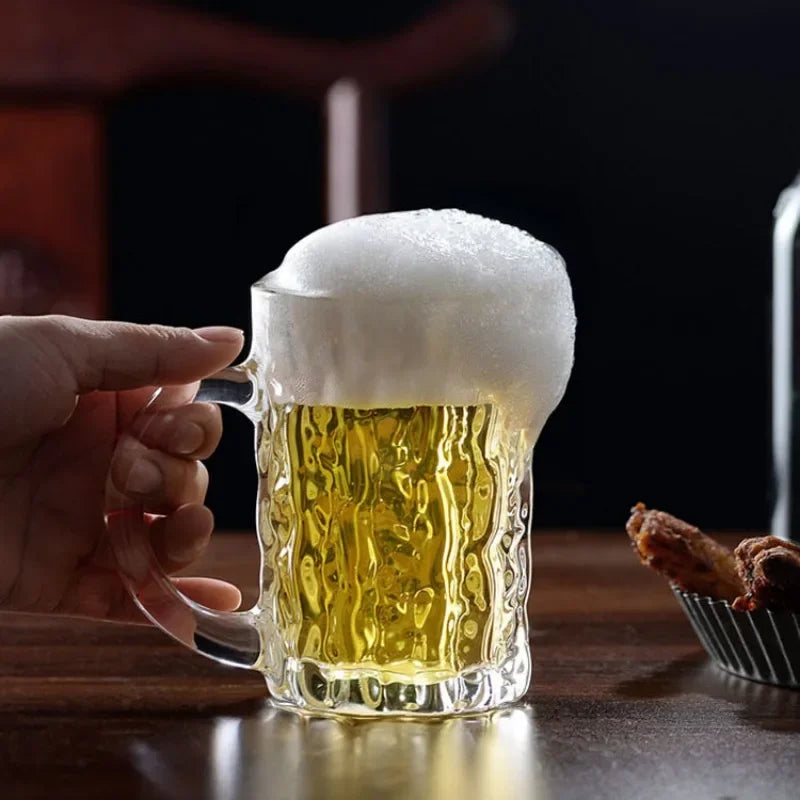
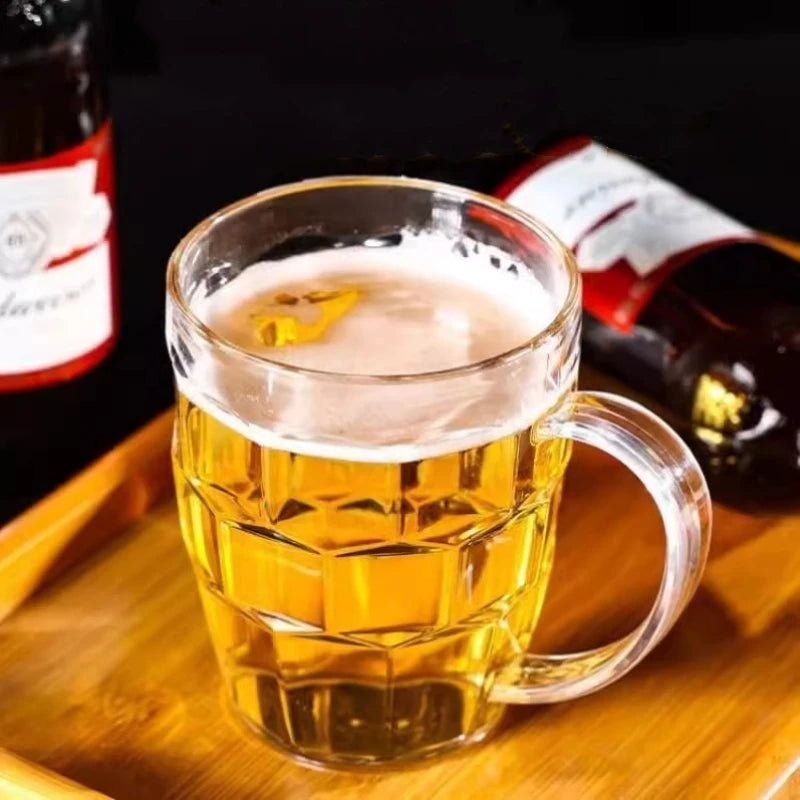
The most common type found in bars and brasseries in France. Thick glass, sturdy handle, capacity from 25 cl to 1 liter. The glass doesn't alter the taste and allows you to see the color and head of your beers. Expect to pay €5-15 depending on the size.
Faceted glass mugs, bistro classics, remain the best-selling items. They are dishwasher-safe and easy to replace. They are also available with gold handles or sandblasted designs, sold in sets of 2, 4, or 6 glasses.
The stoneware or ceramic mug
The original material. Stoneware keeps drinks colder longer than glass thanks to its thick walls. These tankards are often decorated with hand-painted motifs: hunting scenes, coats of arms, Bavarian landscapes. Traditional German models have a hinged pewter lid. A handcrafted product, made using time-honored methods. Between €15 and €35.
The tin or metal mug
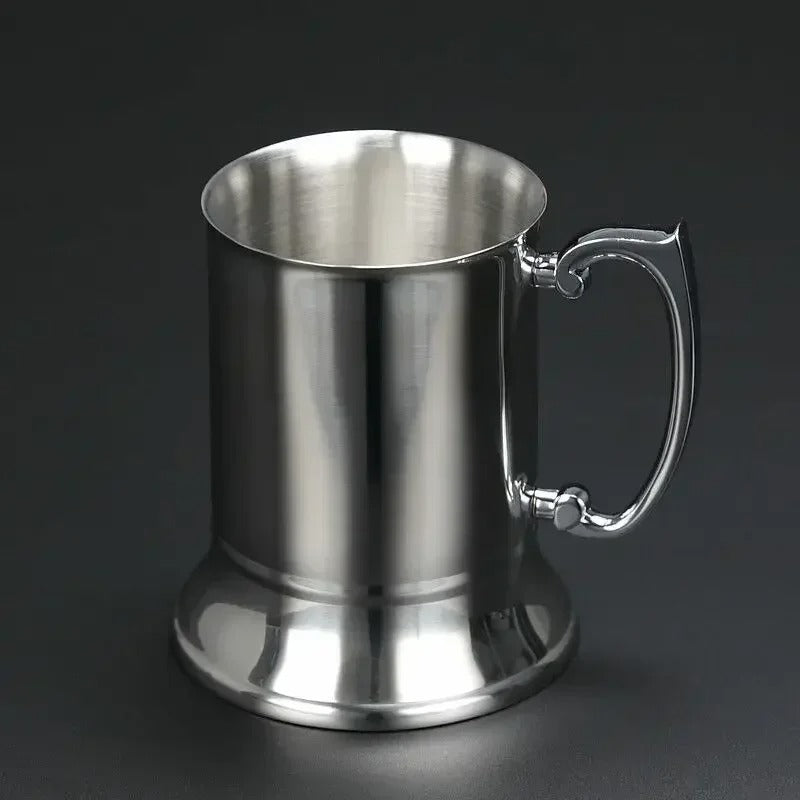
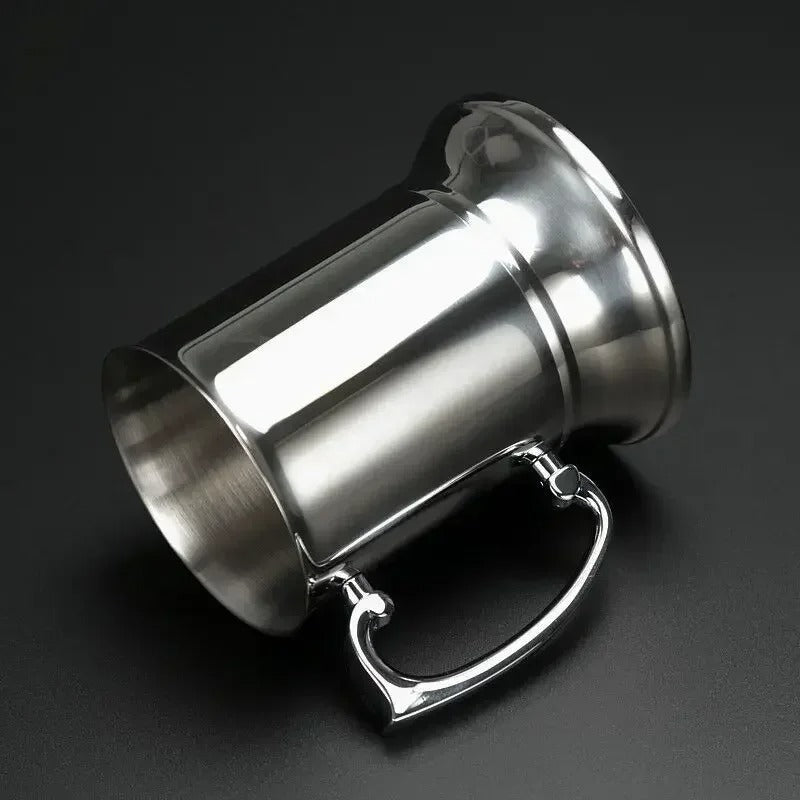
The material of taverns. Heavy, solid, with a cold feel. Tin and metal tankards have a vintage charm, but require specific care to prevent oxidation.
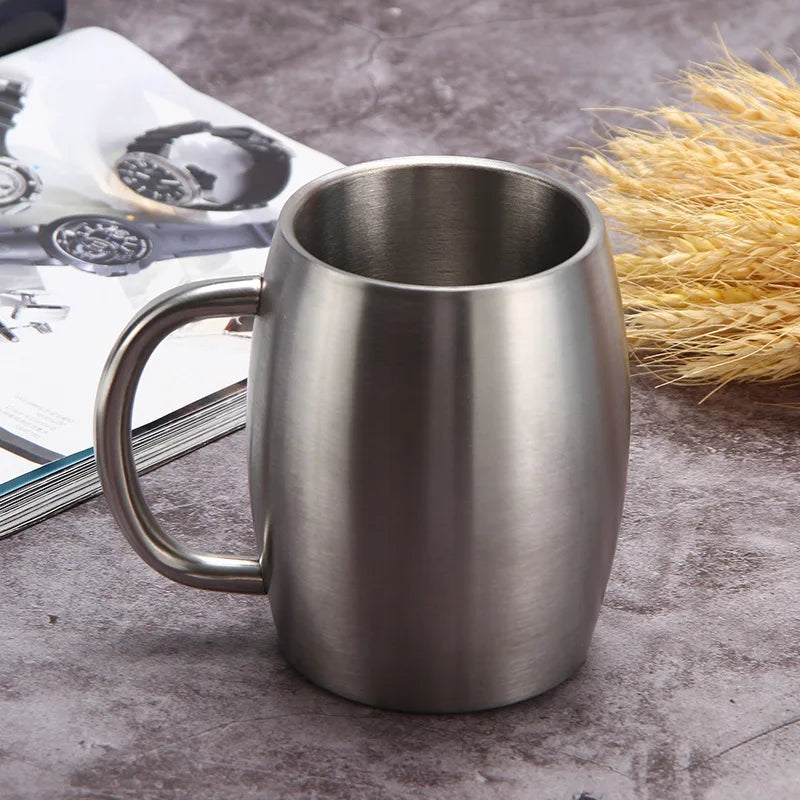
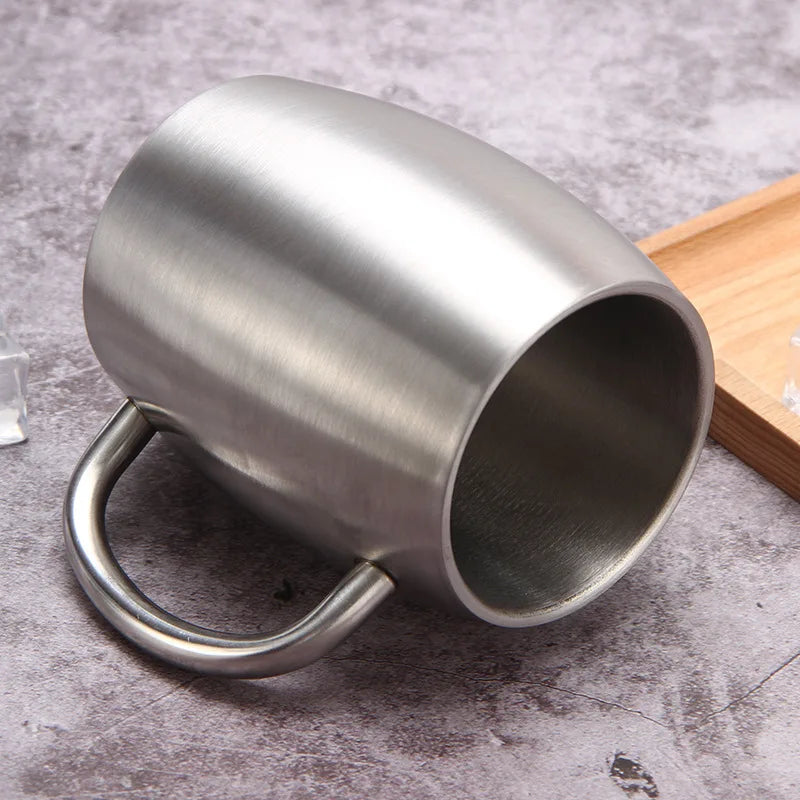
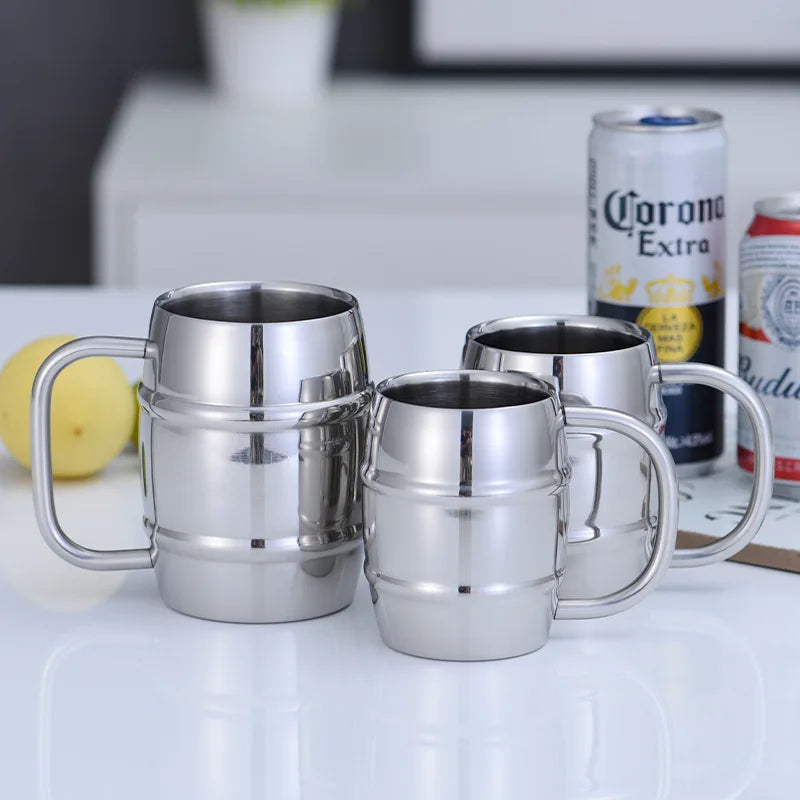
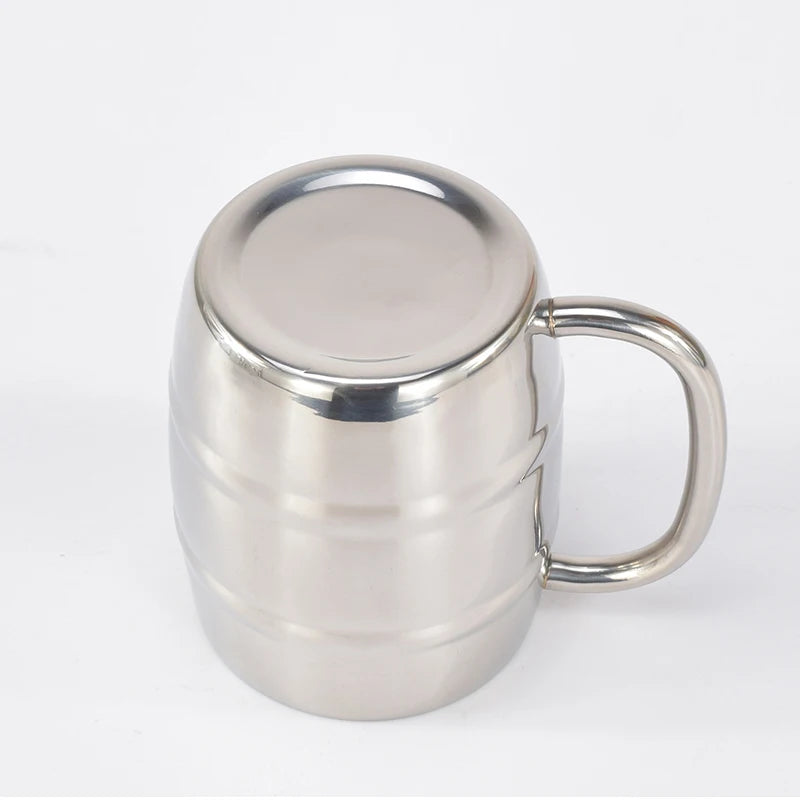
You can also find stainless steel mugs, sometimes double-walled. Unbreakable, they keep drinks hot for a long time. Practical for barbecues, camping, or garden parties. Around €15-30.
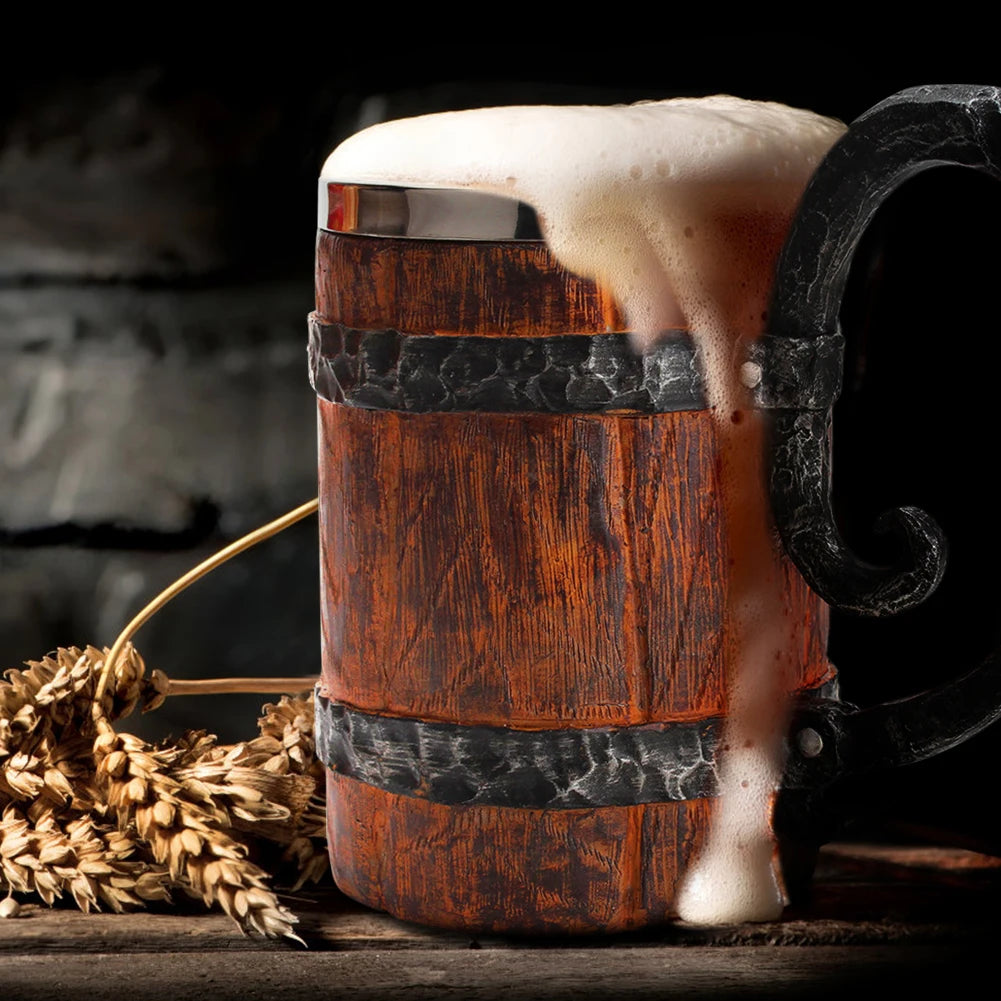
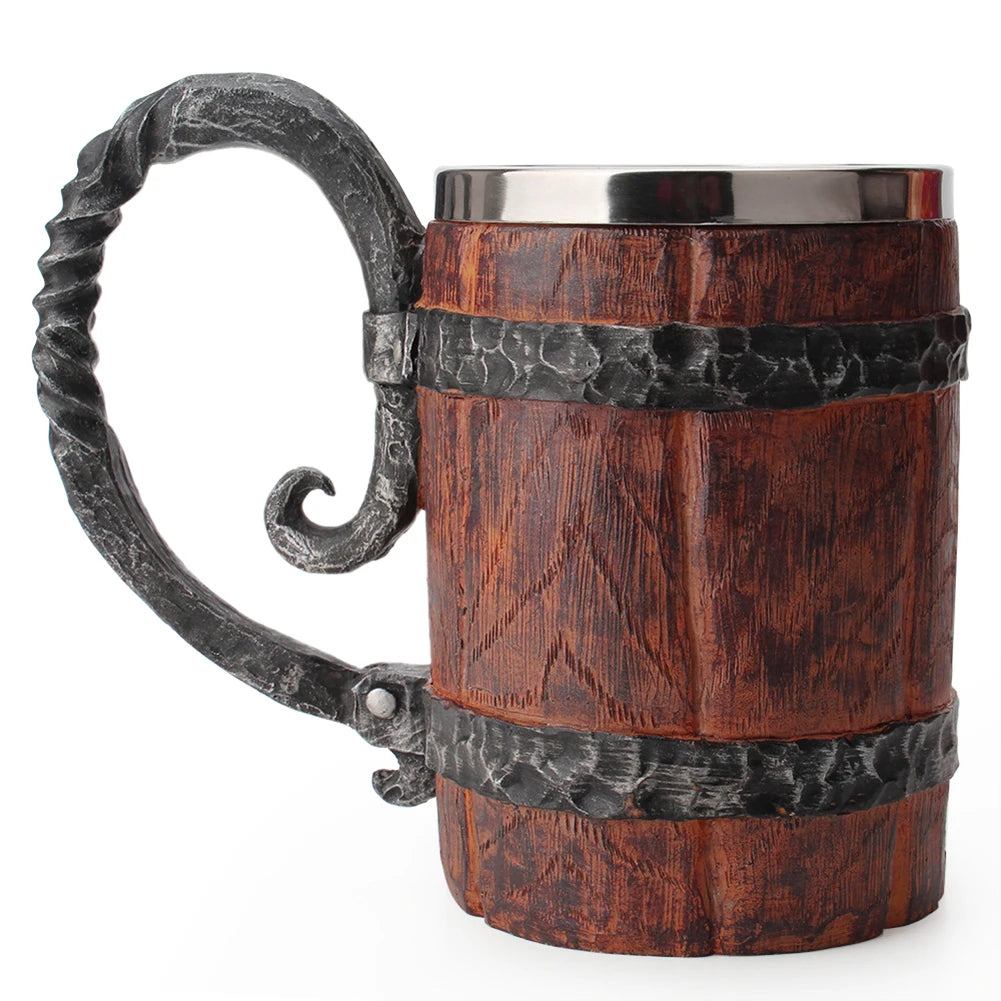
The wooden mug
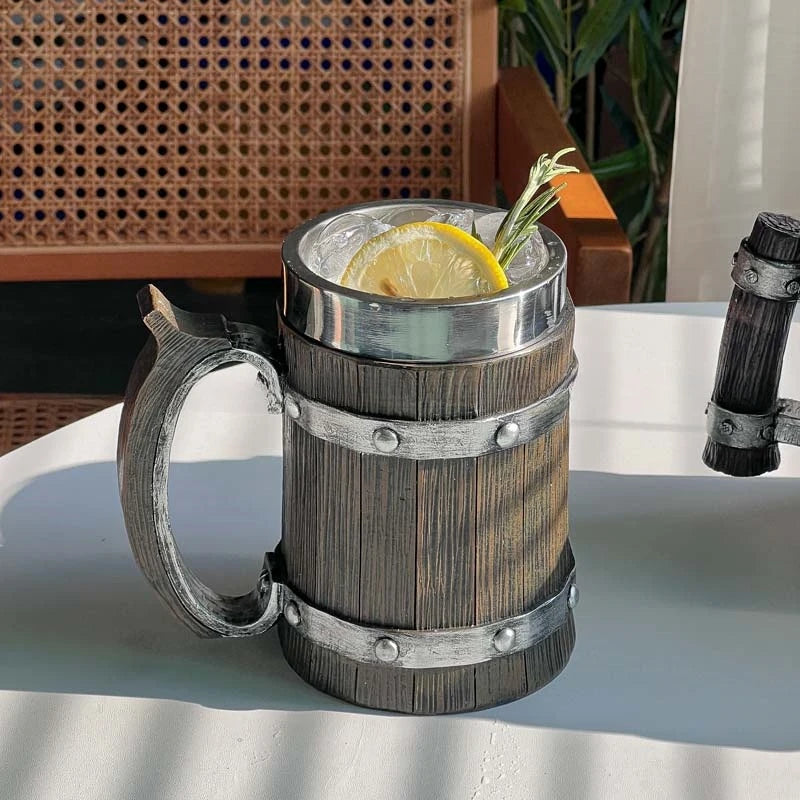
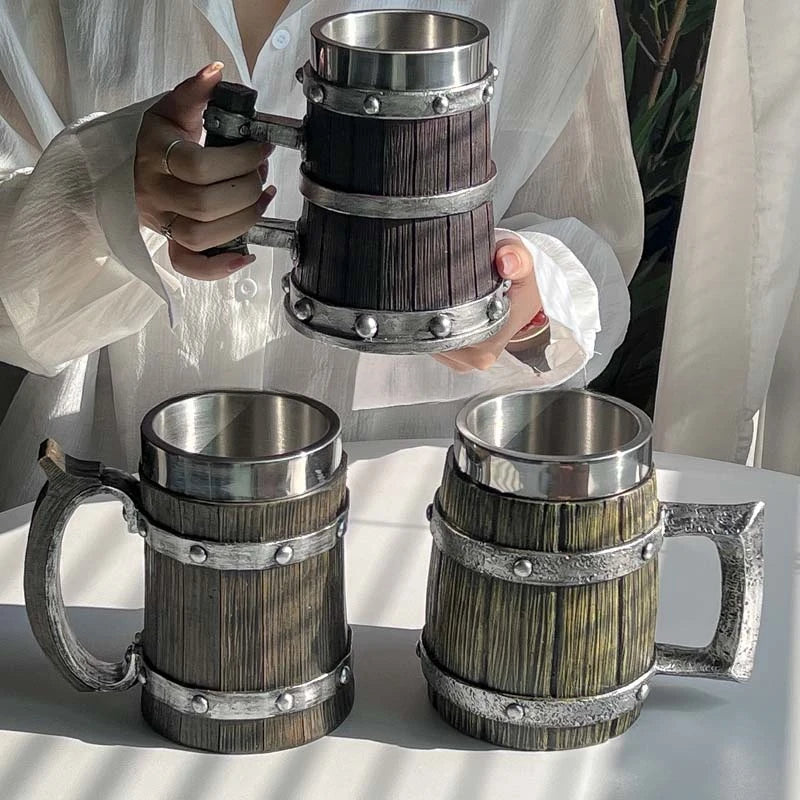
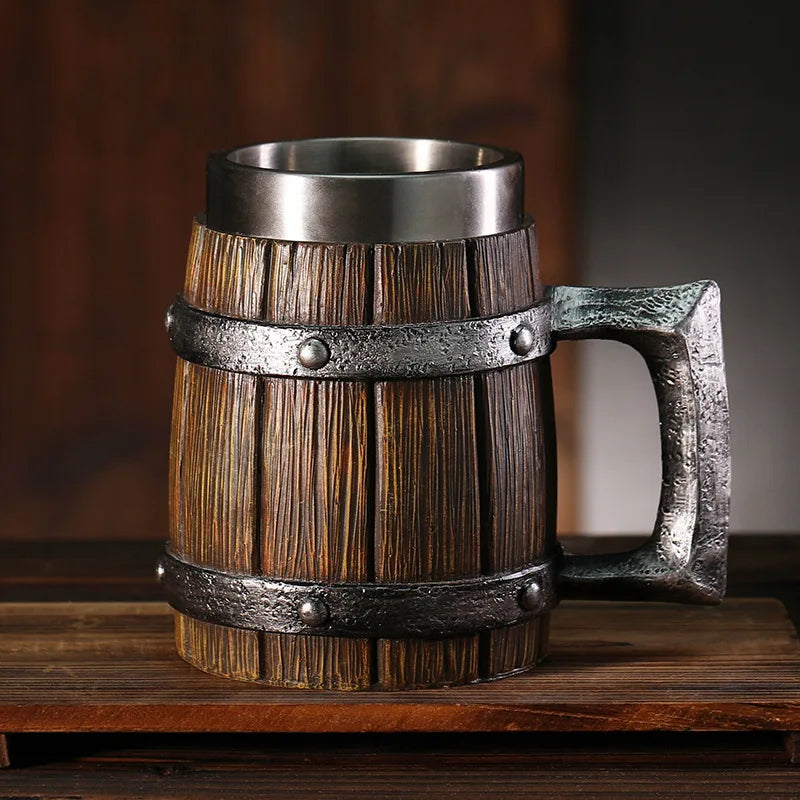
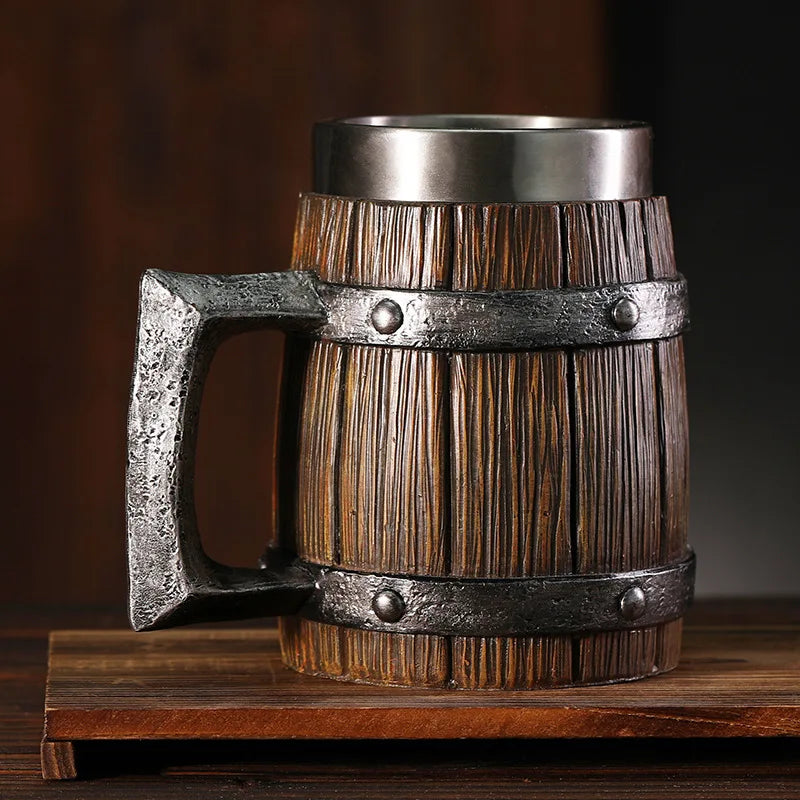
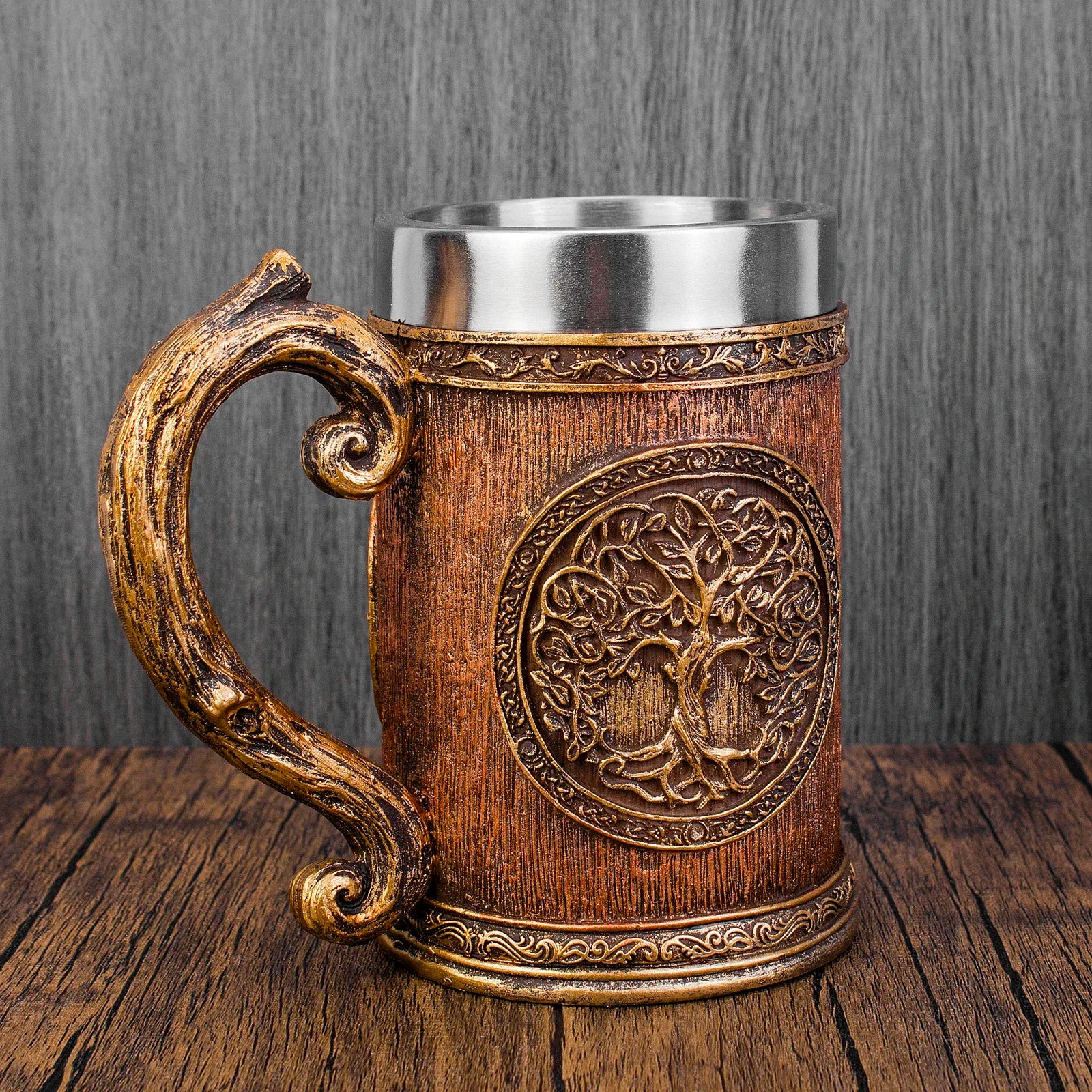
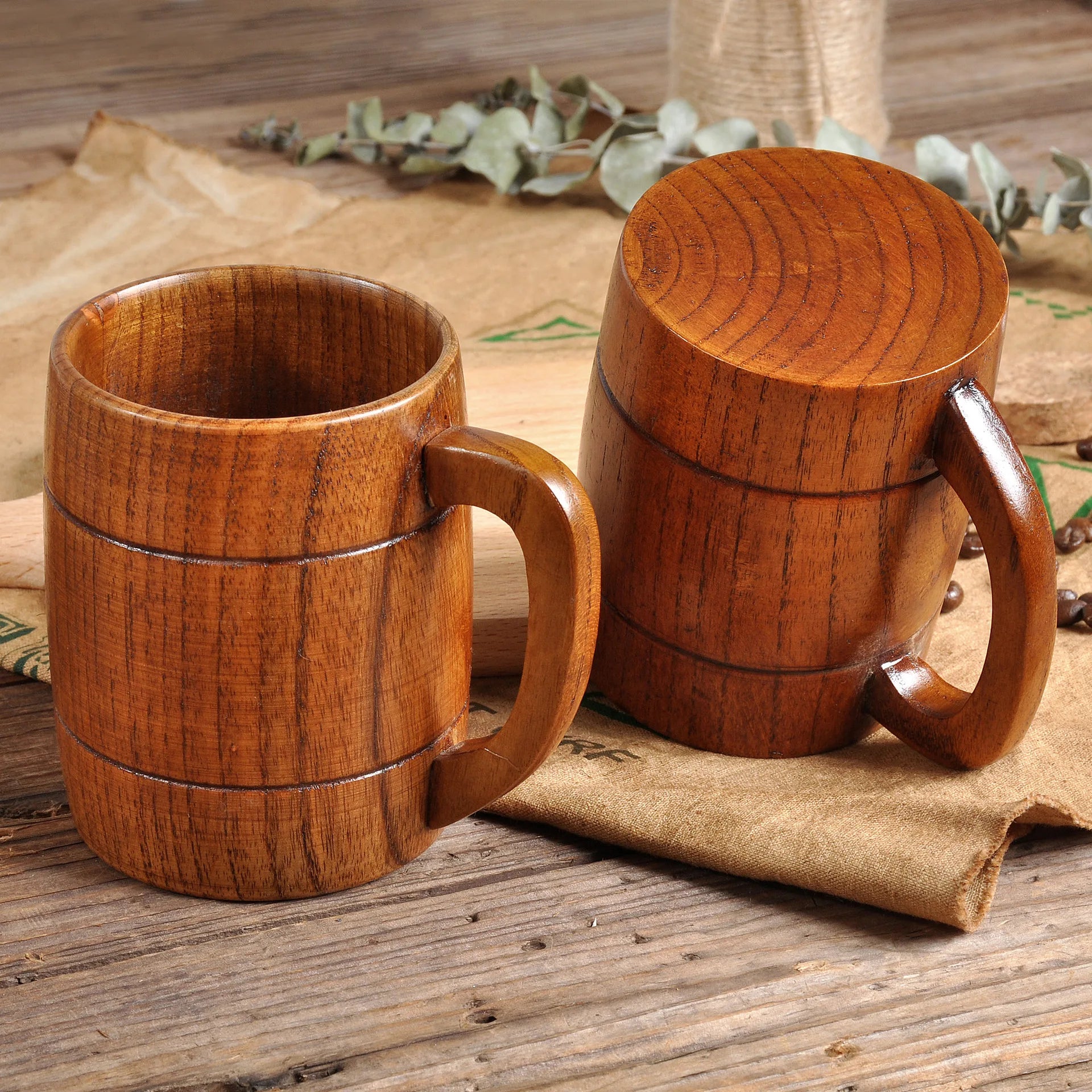
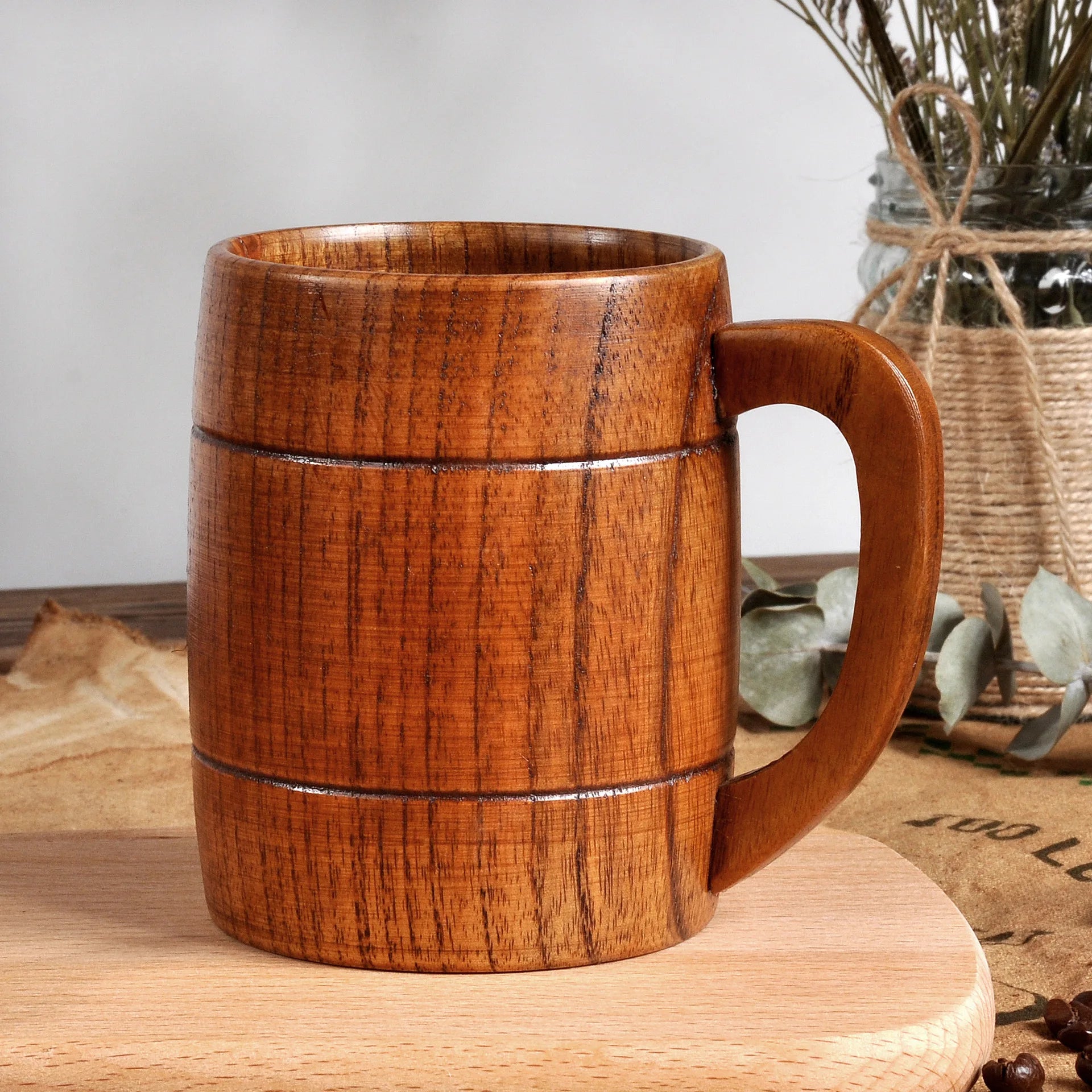
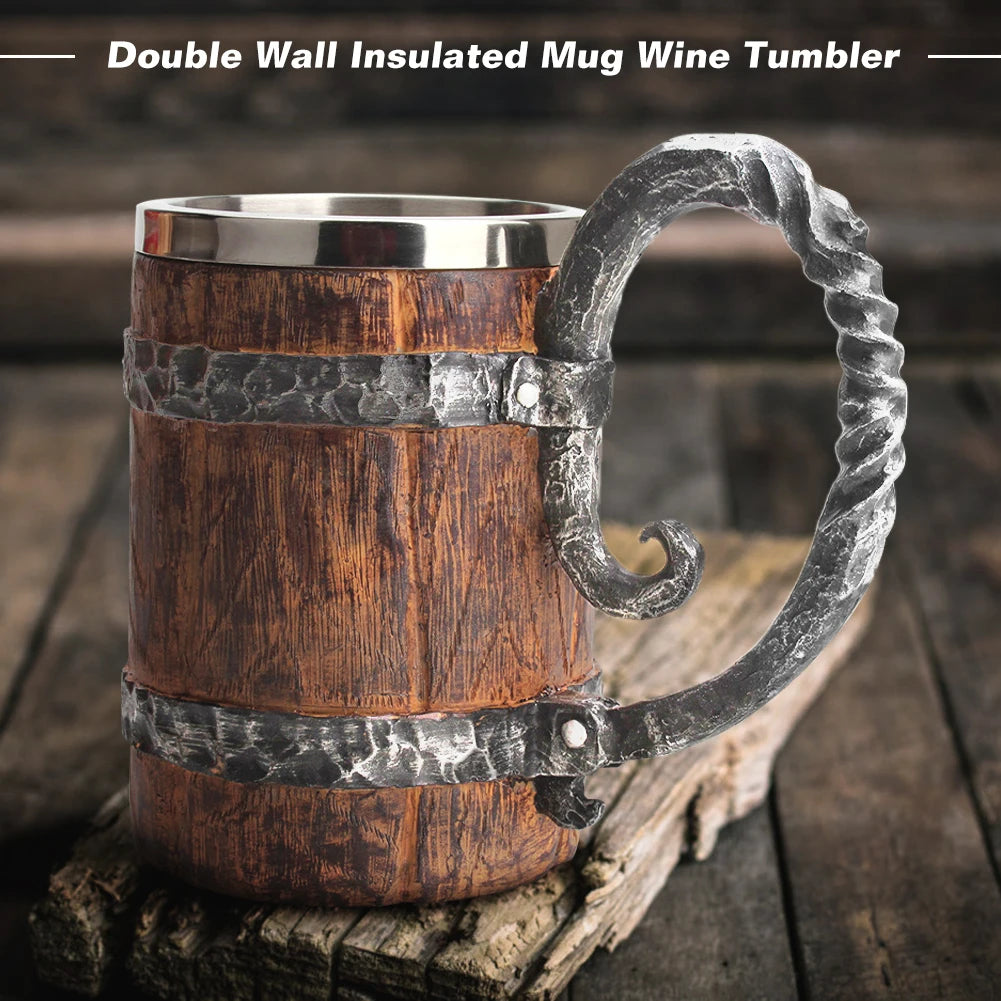
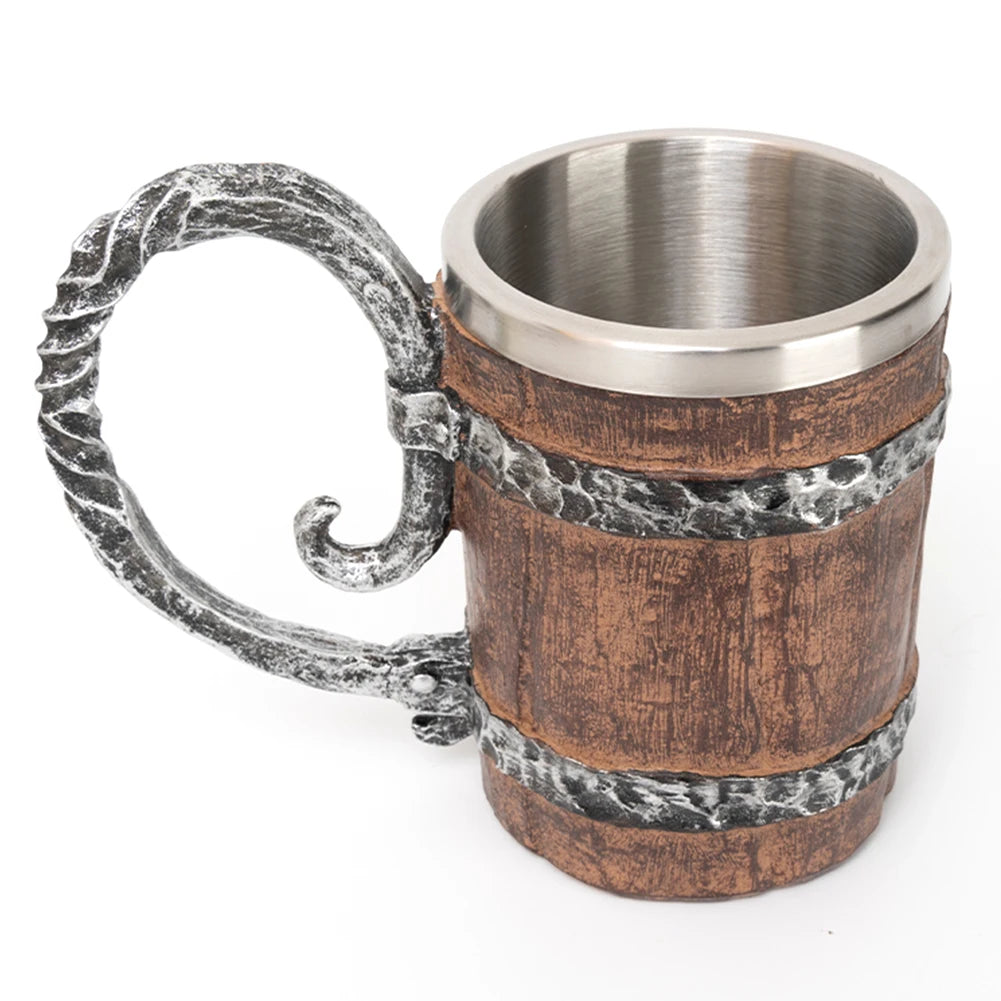
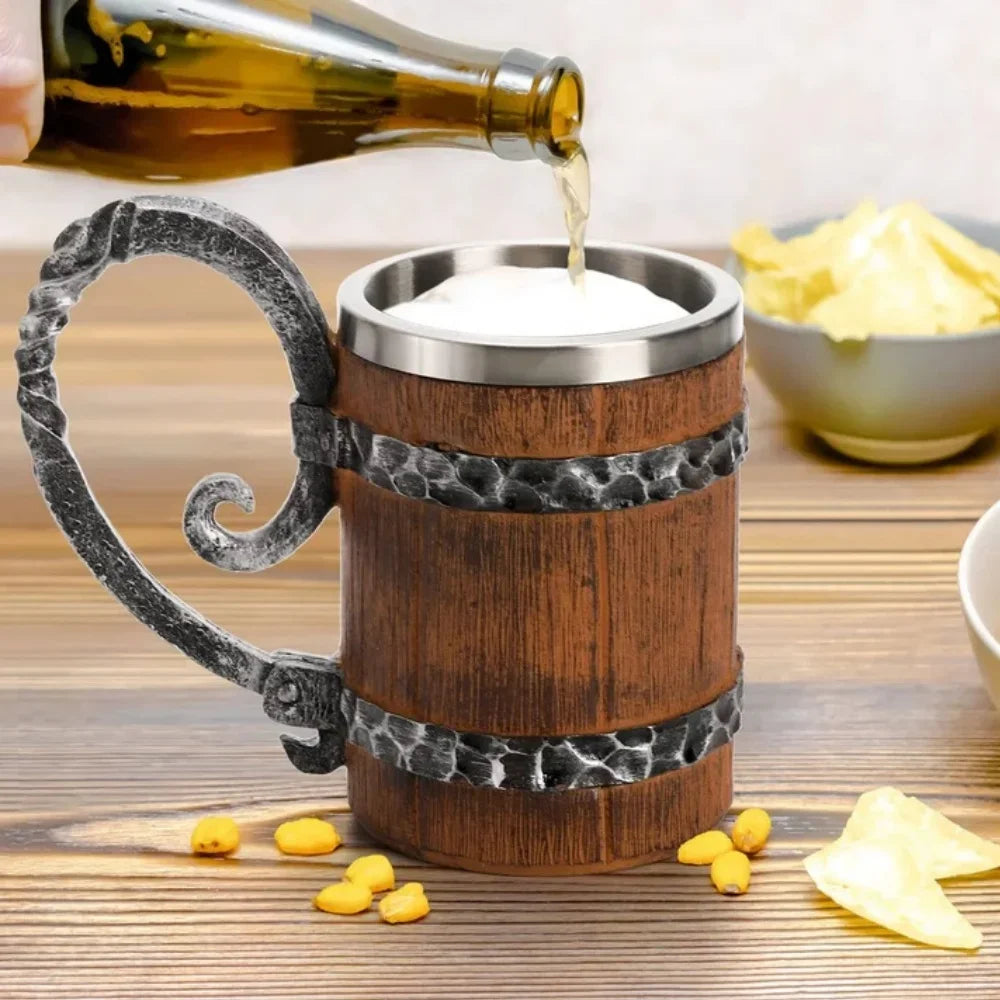
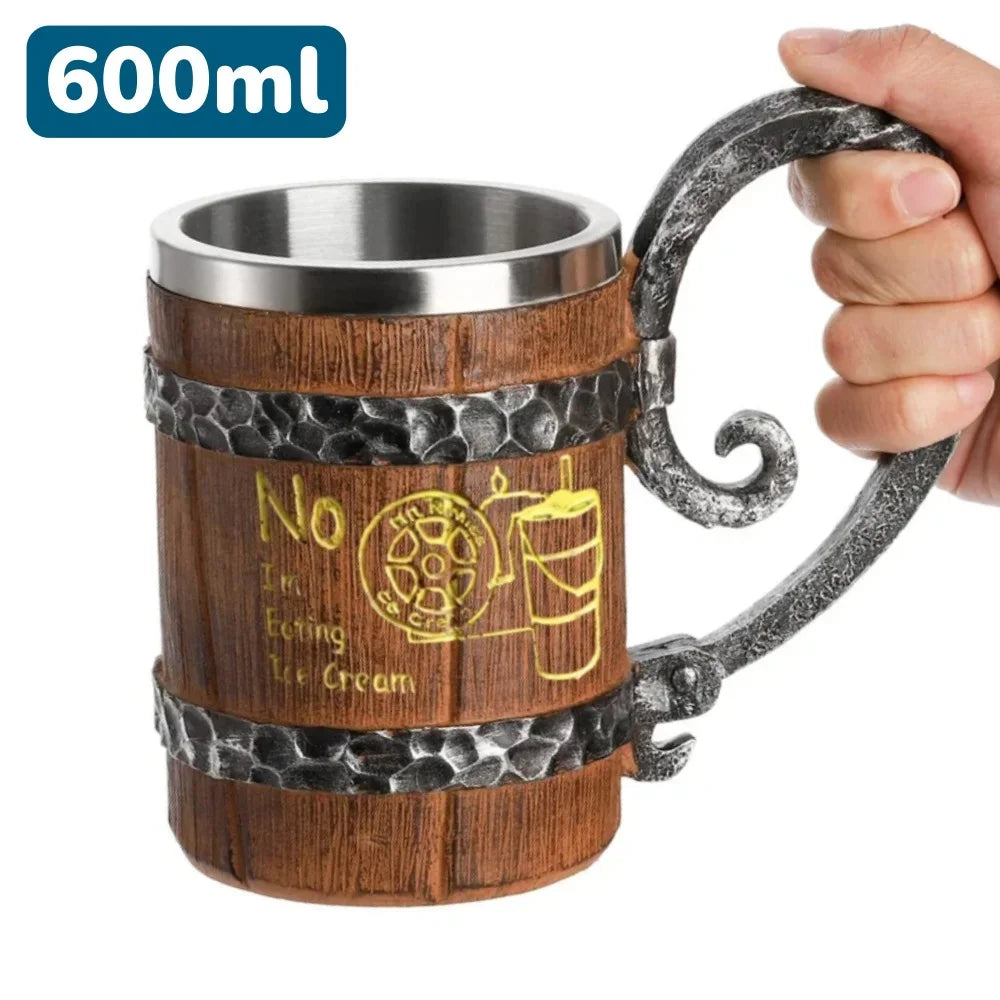
Among the first containers used for beer, long before glass. Today, you can find them lined with stainless steel. The wood gives it a rustic look, appreciated by craft beer enthusiasts. Budget: €25-40.
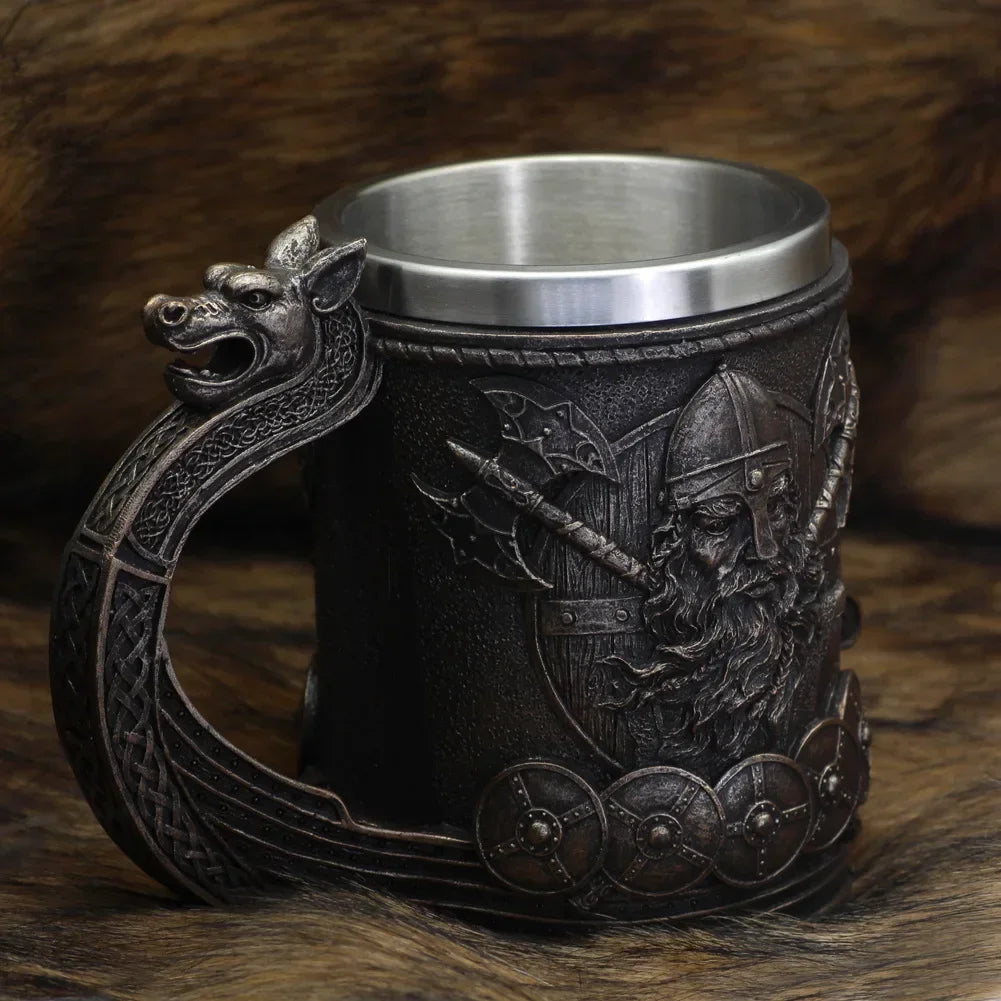
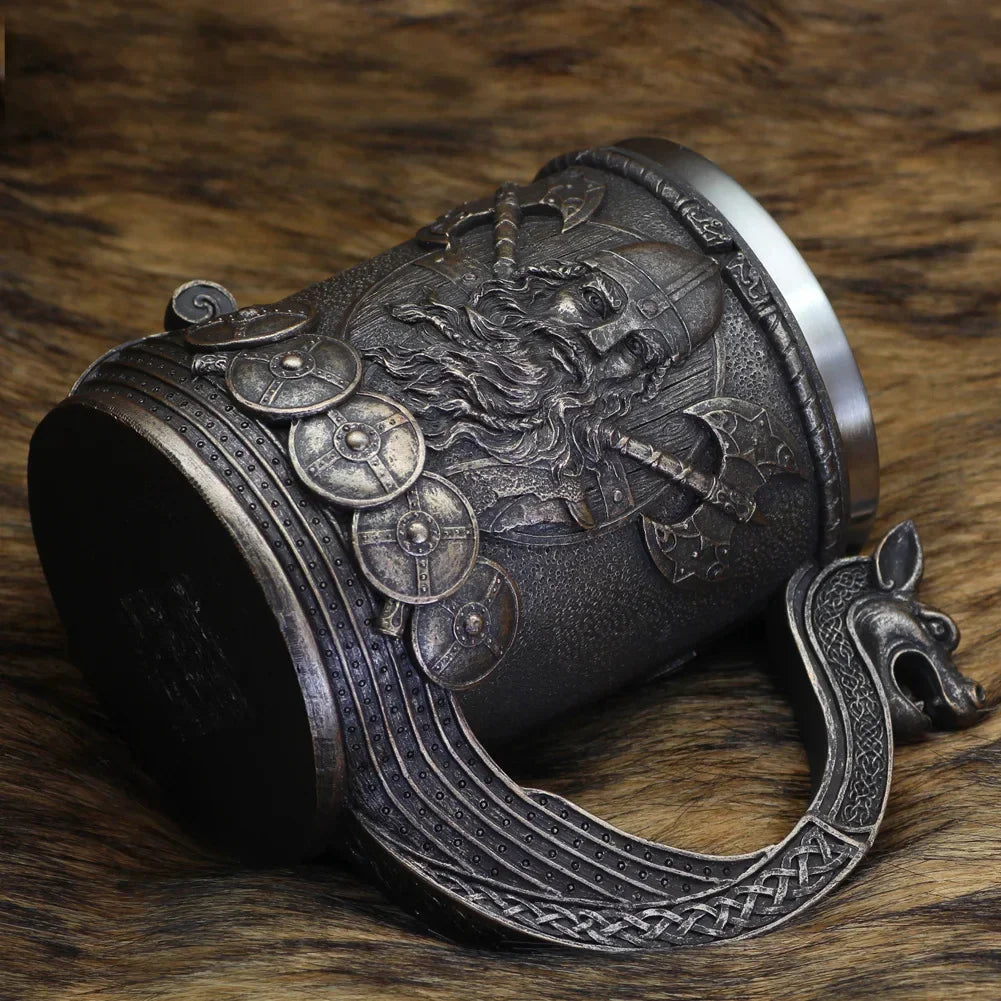
The Viking tankard
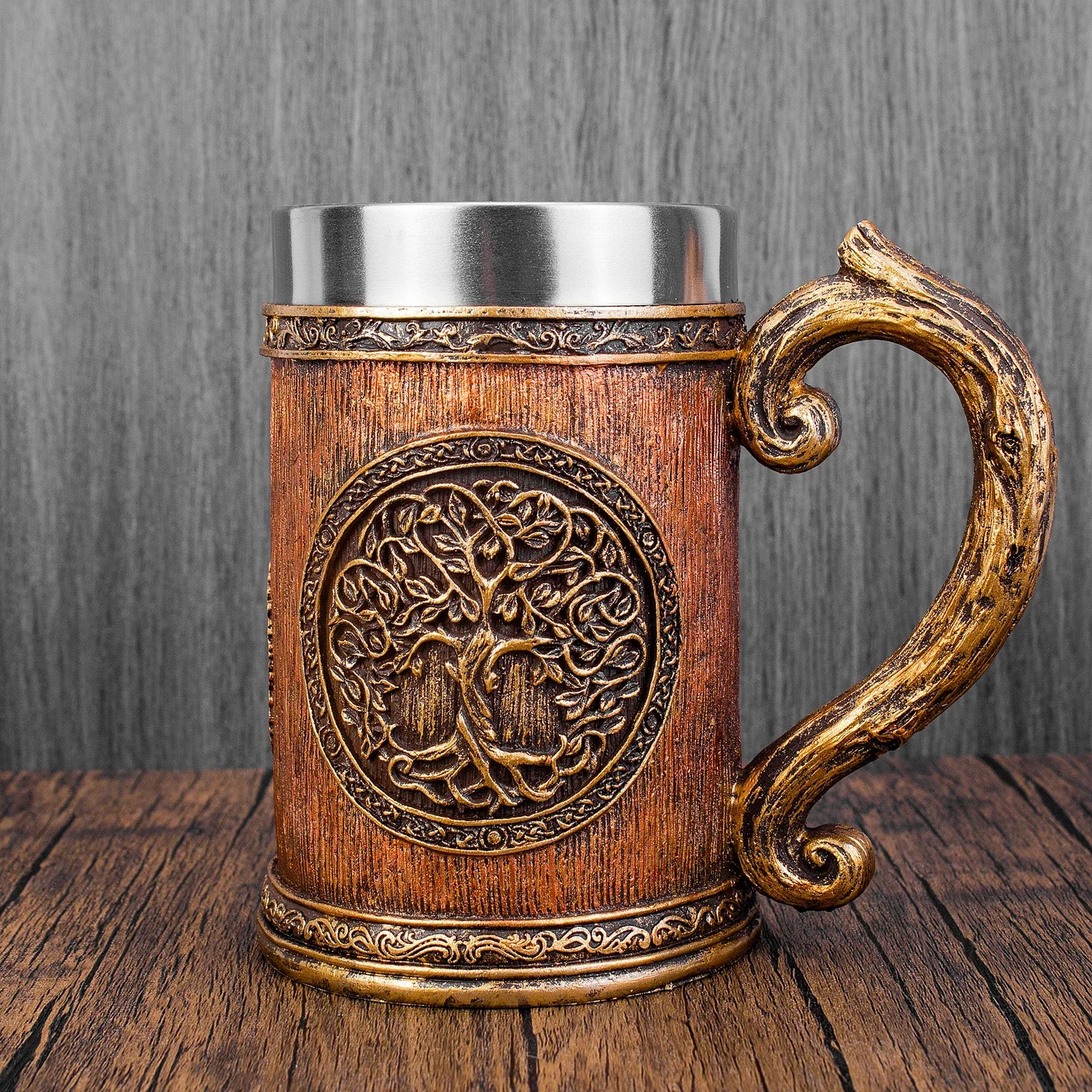
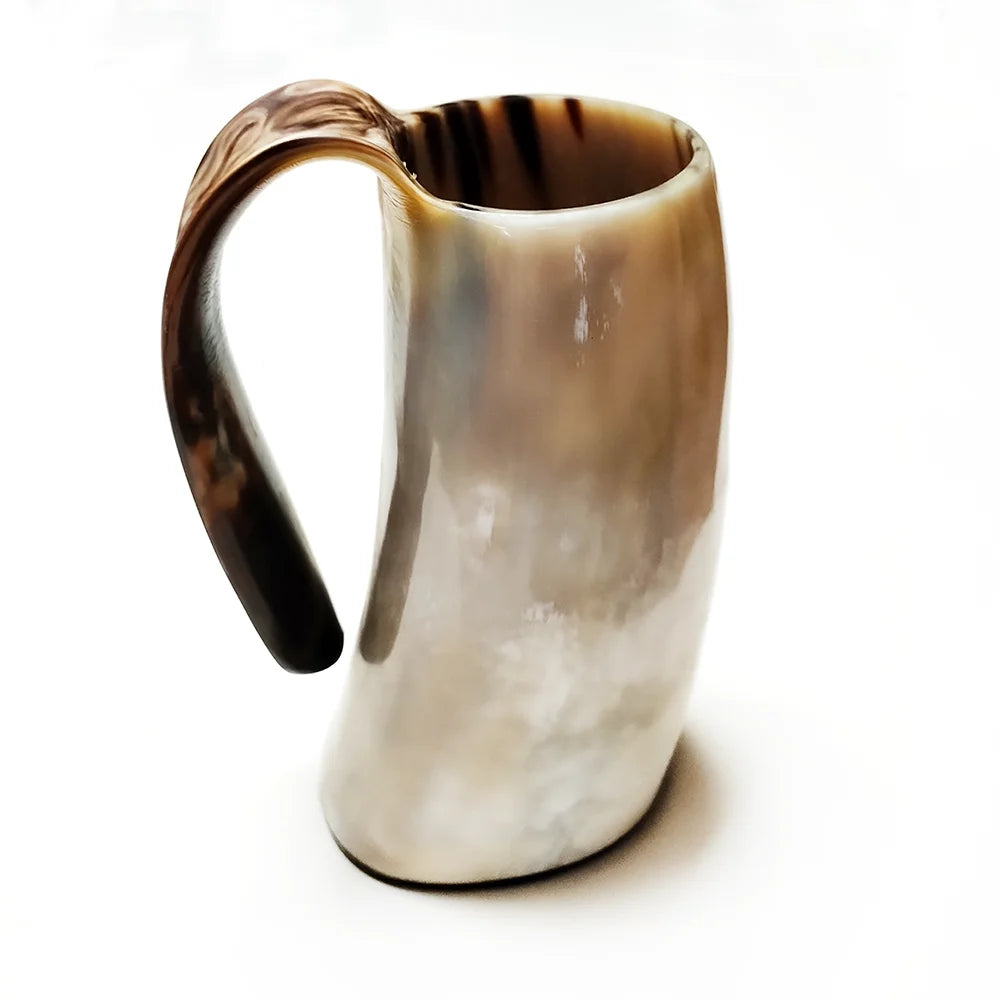
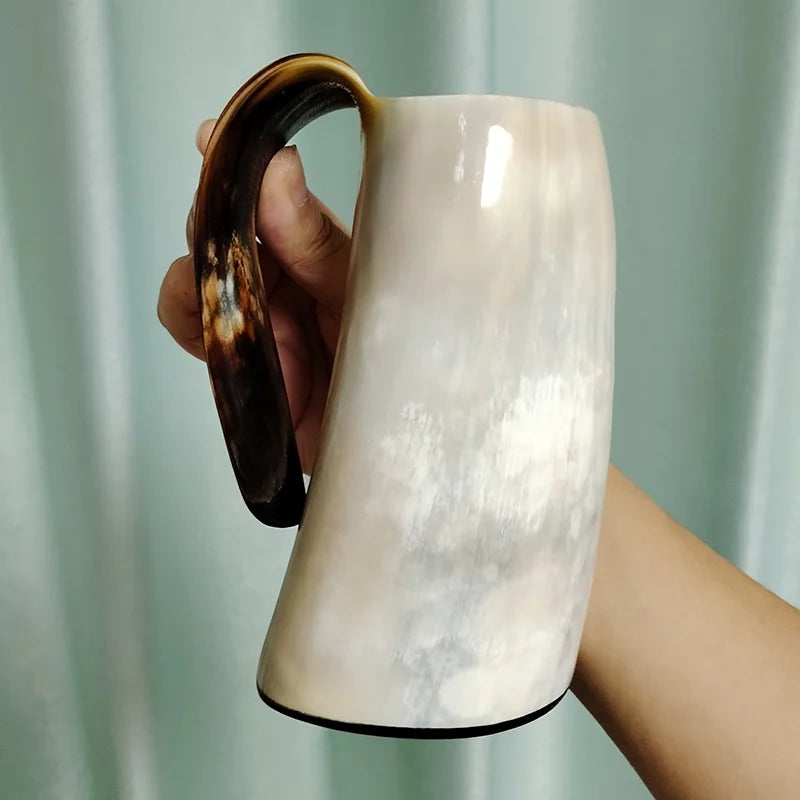
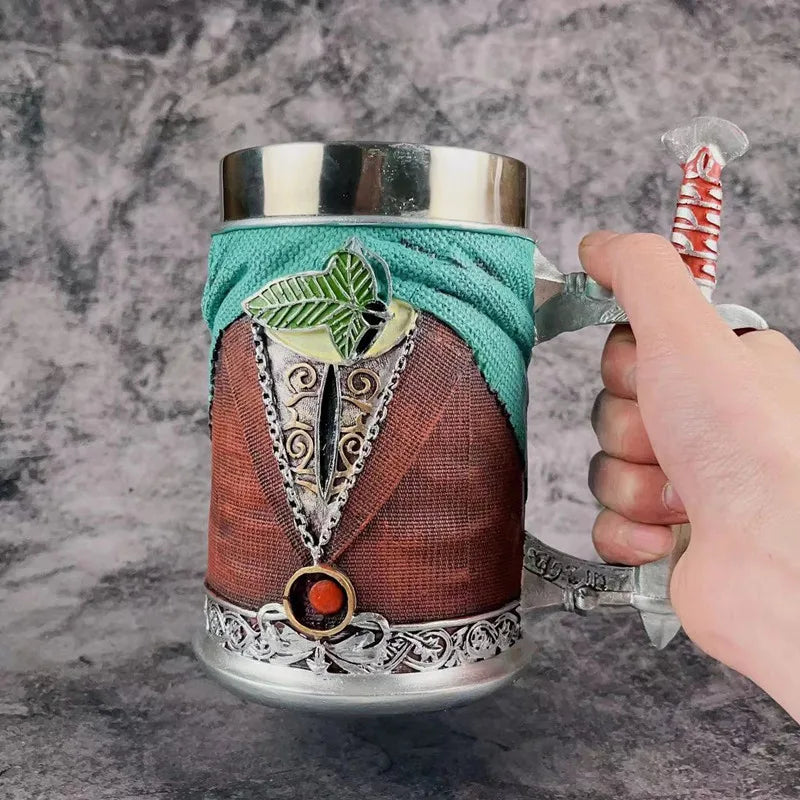
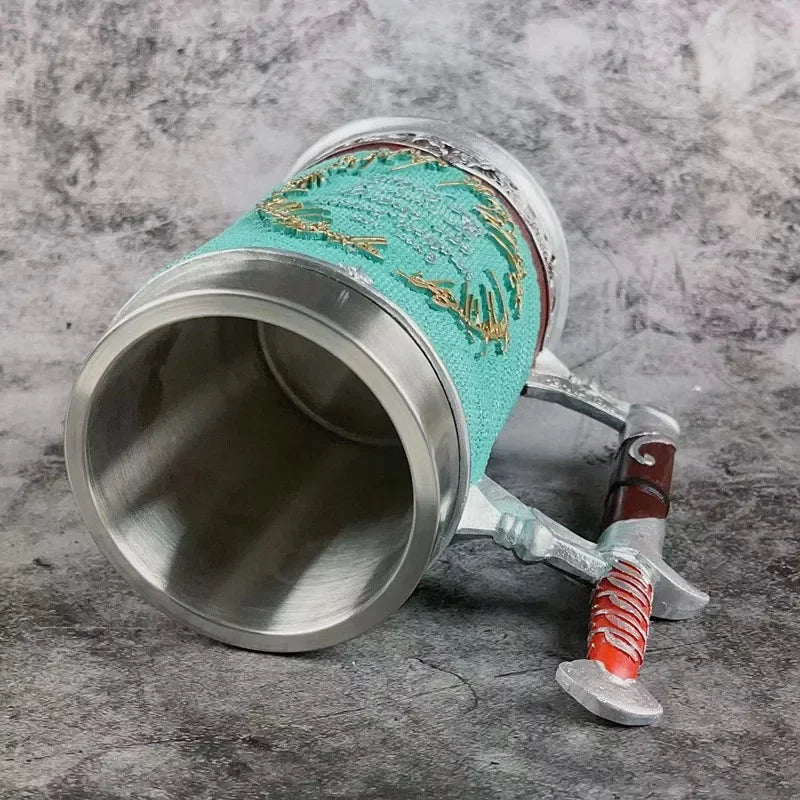
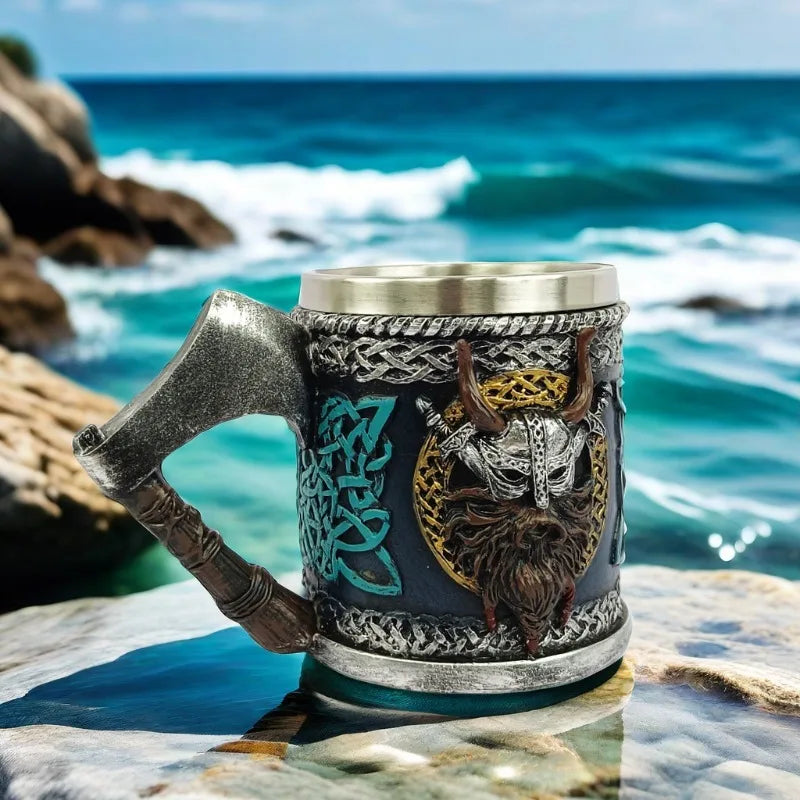
A style that's a hit. The Vikings drank a lot of beer (the water was often contaminated). Their wooden and pewter tankards, adorned with runes and engravings, have inspired a whole range of products: tankards made of cow horn, resin with Nordic motifs, and steel decorated with knights or warriors. The drinking horns don't stand upright (you have to finish them!). A gift that's sure to please, especially for a man passionate about history or fantasy. From €25 to €45.
The mug with a lid
A direct legacy of the plague. Still made in Germany and Austria, with a tin lid that opens with your thumb. On a terrace, it protects the beer from insects and dust. Expect to pay €30-60.
Source: https://limonadier.co/blogs/la-revue-de-la-biere/types-chope-de-biere
Does the shape of the beer mug influence the taste of the beer?
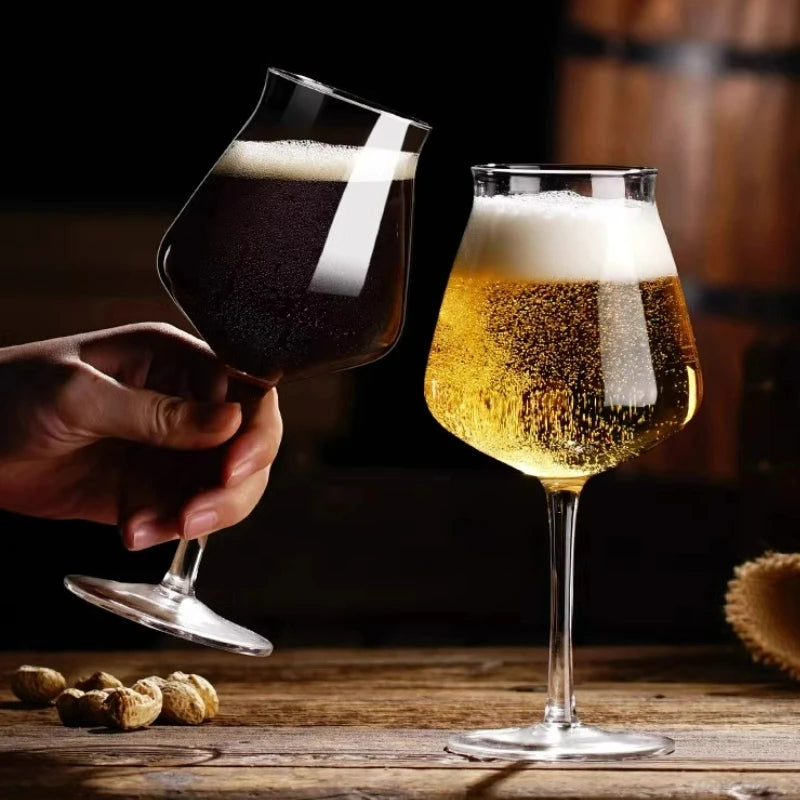
Yes, and then some. The classic beer mug has a wide opening and straight sides. The beer releases its CO2 quickly, the head settles, and the aromas disperse instead of concentrating under your nose. It's perfect for light pale ales, Helles, or lagers that are served chilled. Exactly what's served at Oktoberfest.
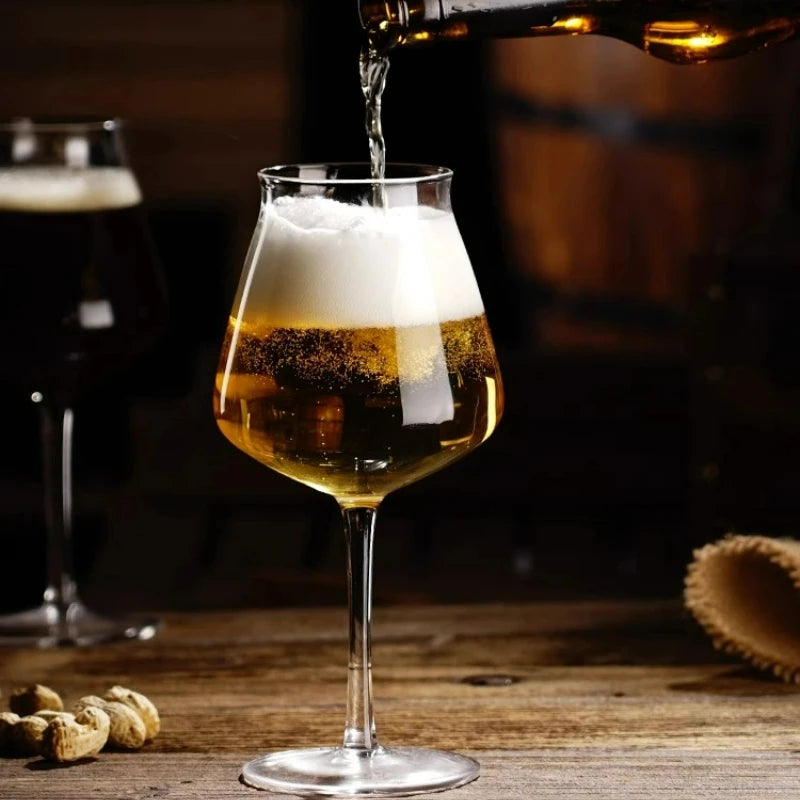
But for aromatic beers (IPAs, abbey beers, Tripels), the flared shape of the beer mug works against you. The hop and spice aromas evaporate before reaching your nose. For these beers, a tulip-shaped beer glass with a narrower neck will make a real difference to the tasting experience.
The other major advantage of the beer mug is its glass mass. Thick walls and a metal or glass handle keep the beer colder for longer. This is a definite plus for a 50cl Weizen on a summer terrace. Less so for a stout served at 12°C and sipped slowly.
The beer mug is the glass for cold, thirst-quenching beers served in large sizes. For aromatic styles and tasting beers, other glasses (tulip, chalice, balloon) will better bring out the flavors.
Mug or pint: what are the differences?
The two are often confused in bars.
The beer stein comes from German tradition. It has a handle, thick walls, and holds 50 cl to 1 liter. It's the glass of choice for Oktoberfest, Helles (a German wine festival), and Weizen (a type of wheat beer). You'll find it in breweries in Germany and Alsace, and in beer bars throughout France.
The pint glass comes from the English-speaking world. No handle, a thinner glass, slightly curved in the middle. 56.8 cl exactly. It's the pub glass, the one used to serve Guinness or IPAs.
In France, a "pinte" refers to a 50 cl glass in bars, the same size as a beer mug. A "demi" is 25 cl (half a pint, hence the name). This should not be confused with the 33 cl bottle.
| Mug | Pint | |
|---|---|---|
| Origin | Germany / Alsace | England / Ireland |
| Anse | Yes | No |
| Capacity | 50 cl to 1 L | 56.8 cl (imperial) |
| Material | Stoneware, tin, thick glass | Thin glass |
| Associated Beers | Helles, Weizen, Märzen | Stout, Ale, IPA |
| iconic festival | Oktoberfest | Saint Patrick |
The beer mug at Oktoberfest
Munich's Oktoberfest, held every September-October: six million visitors, approximately seven million liters of beer. All served in a single format, the Maß .
The Maß is a 1-liter glass mug. It weighs about 1.3 kg empty and over 2 kg full. Waitresses sometimes carry ten at a time. This size is also found in German beer gardens (biergarten) outside of festival periods.
Munich's breweries release commemorative beer steins every year, highly sought after by collectors. An official Maß costs €35-50 at the festival. For an Oktoberfest-themed party, 1-liter plastic steins are also available (€3-5 each). Perfect for beer pong or beer festivals in France. To complete the atmosphere, consider brewery posters and a wall-mounted bottle opener.
How to choose your beer mug
The material
The choice depends on the intended use. For drinks at home or in the kitchen, glass does the job: inexpensive, neutral in taste, and dishwasher-safe. For a bar or outdoor party, stainless steel or other metals prevent breakage. For a decorative or unique piece, stoneware or pewter adds character. Wood and horn are original items, not everyday mugs.
The capacity
- 25 cl : tasting, strong beers, aperitif
- 33 cl : for everyday use, corresponds to a standard bottle
- 50 cl : the classic beer mug size, for light beers and evenings
-
1 litre : parties, Oktoberfest, theme nights. Not for everyday use.
Check out our guide on how to choose the right size mug to help you with your purchase!
The budget
Prices range from €3 for a plastic model to over €80 for a German handcrafted piece with a pewter lid. The average price of a beer mug is between €10 and €25.
For regular use, €10-20 per mug is reasonable. Sets of 4 or 6 glasses lower the price per glass. For a gift, personalized or original mugs (Viking, humorous, with a message) cost €20-40. A good idea for a man, a dad, a woman who loves craft beer, or a colleague who enjoys happy hour.
With or without a lid?
The lid protects the beer from insects on the patio and keeps the foam fresh a little longer. But it makes the mug heavier and adds €10-20 to the price. Best reserved for fans of German tradition or for outdoor evenings.
Personalization: engraving, printing, events
A personalized beer mug is a classic gift in France. Birthdays, weddings, retirements, bachelor parties: there are plenty of occasions.
Laser engraving creates the design directly into the glass or metal. Permanent and resistant to all washes. An additional €8-15 per mug. Ideal for a name, date, or personal message.
Printing (screen printing or sublimation) allows for full-color visuals: photos, company logos, humorous illustrations. Less durable than engraving, but more creative. An additional €5-10 applies. The most popular designs include barroom messages, beer jokes, and names with Viking or vintage motifs.
For bulk orders (weddings, seminars, corporate events), prices drop significantly starting at 20 pieces. Most suppliers offer volume discounts for larger orders. As for delivery time, allow 2-3 weeks between ordering and receiving a personalized mug, slightly longer during the holiday season. Plan ahead.
Care and preservation
| Material | Dishwasher | Precaution |
|---|---|---|
| Glass | Yes | Avoid excessively hot cycles if printed |
| Stoneware / ceramic | Yes | Hand washing is recommended to preserve the painted decorations. |
| Tin / metal | No | Warm soapy water, no abrasive products |
| Drink | No | Hand wash, dry immediately, use cooking oil occasionally |
| Stainless steel | Yes | No special precautions |
Pewter develops a gray patina over time. Some people appreciate this. Otherwise, a special pewter polish will restore its shine. Proper care will extend the life of your beer mug by several years. Regardless of the material, store your mugs in a dry place: a kitchen cupboard or a wall shelf. If you'd like to learn more about caring for your beer mug, you can check out our blog post on the subject !
The beer mug, a collector's item
Collectors of beer-related objects are called tegestophiles. Antique German stoneware tankards with ornate pewter lids can be worth several hundred euros. The most sought-after date from the 18th and 19th centuries and are decorated with hunting scenes, knights, or coats of arms.
But the collection isn't limited to antique pieces. Wooden steins with logos, Oktoberfest commemorative steins, vintage models, Viking or medieval themes, limited editions—enthusiasts also collect related accessories: bottle openers, bottle caps, coasters, enamel signs, vintage brewery posters. These can be found in flea markets, specialty shops, and online.
Our selection
The beer mug represents seven centuries of history and dozens of materials. For everyday use, a 33cl or 50cl glass mug is perfectly adequate. For a gift for a man or woman, a Viking mug, personalized or with a pewter lid, will make a great impression.

Discover our news in preview
Newsletter
Subscribe to our newsletter and enjoy 10% off