Sort by
Filters
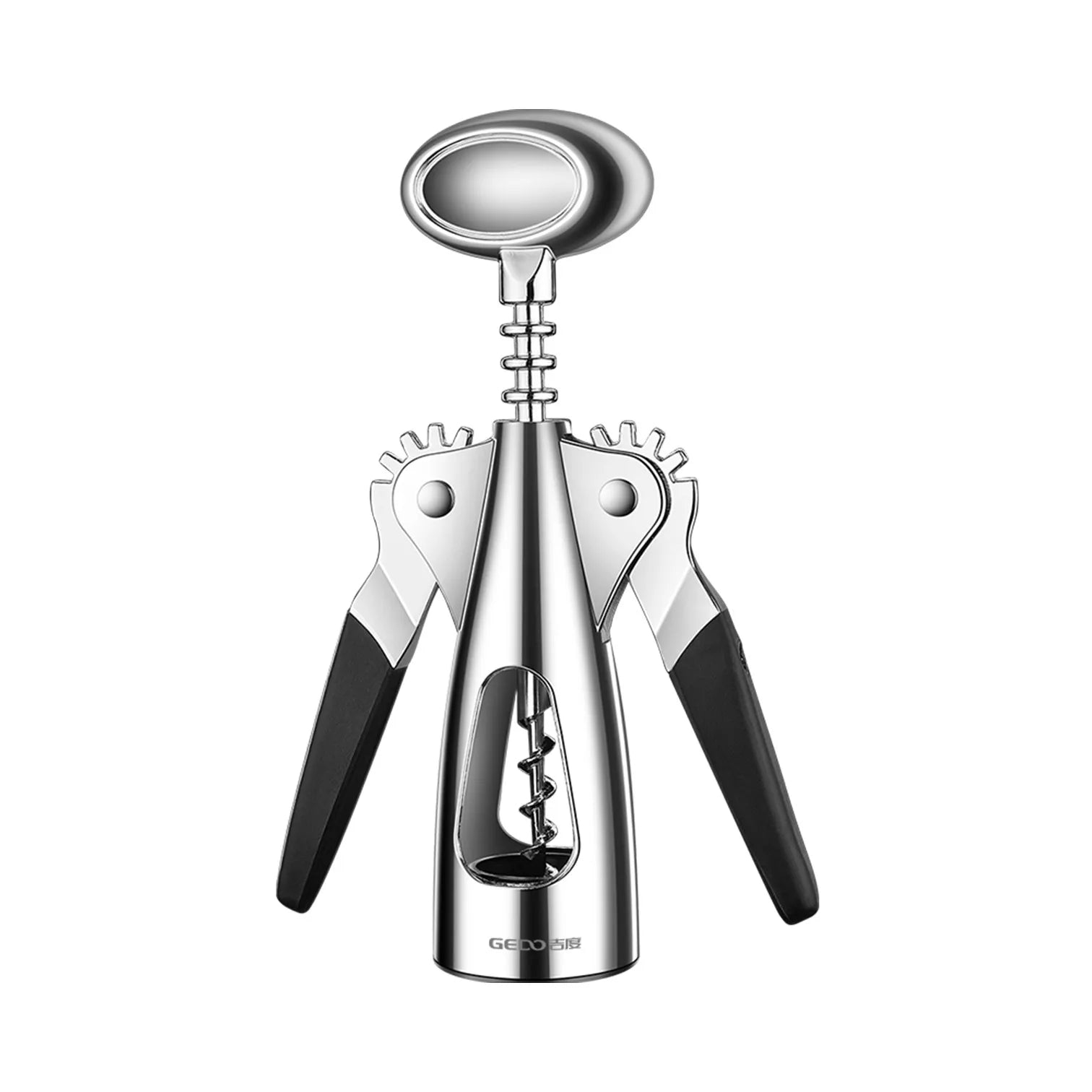
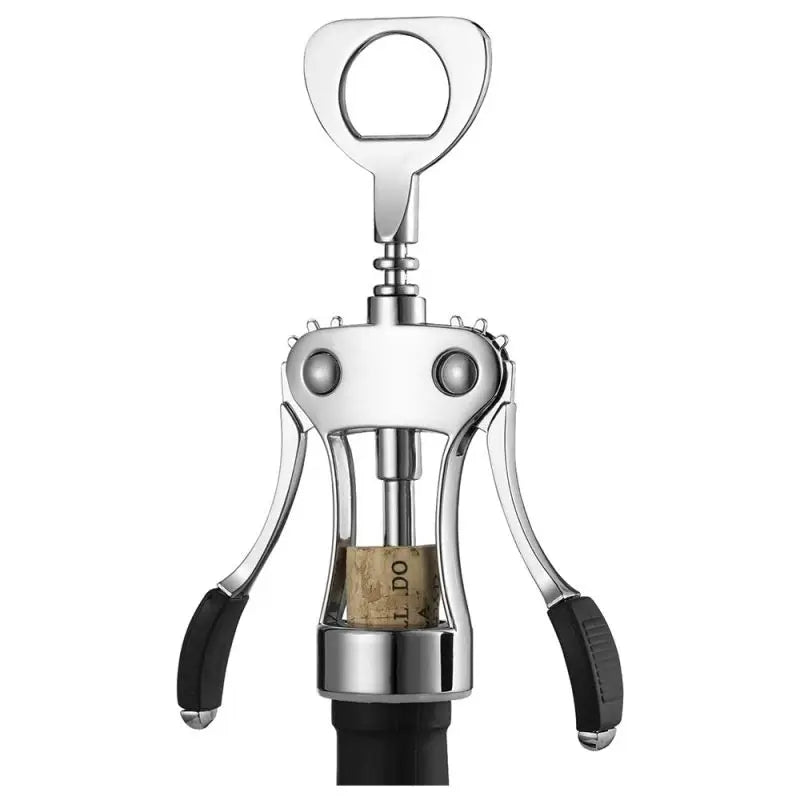
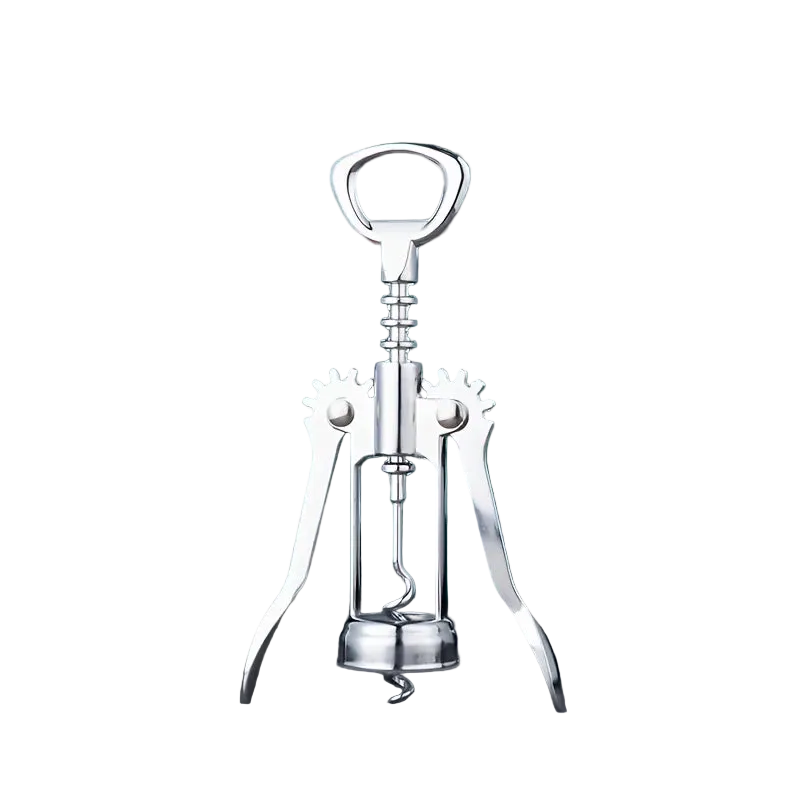
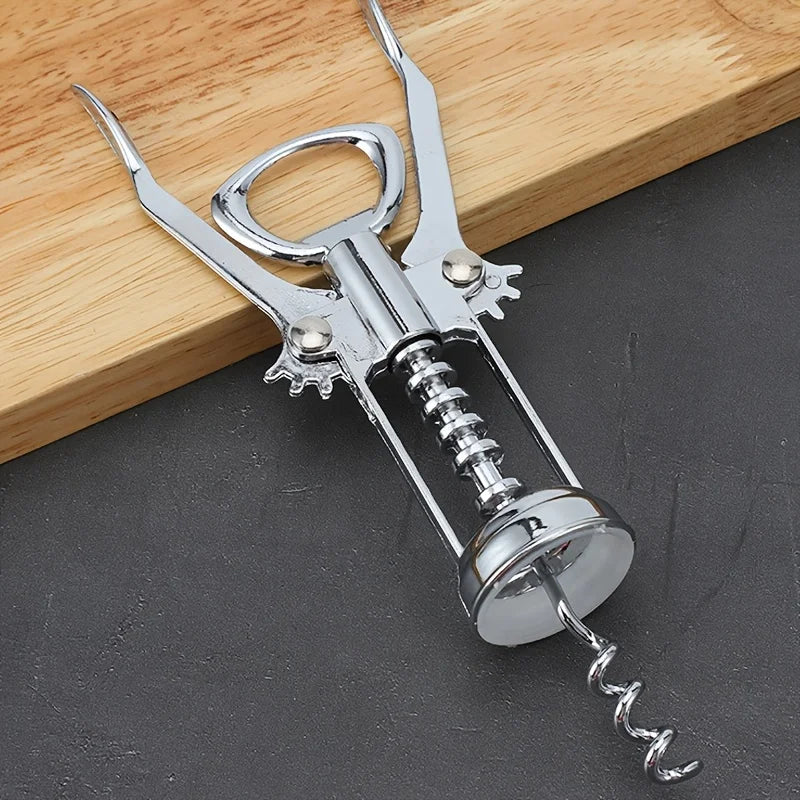
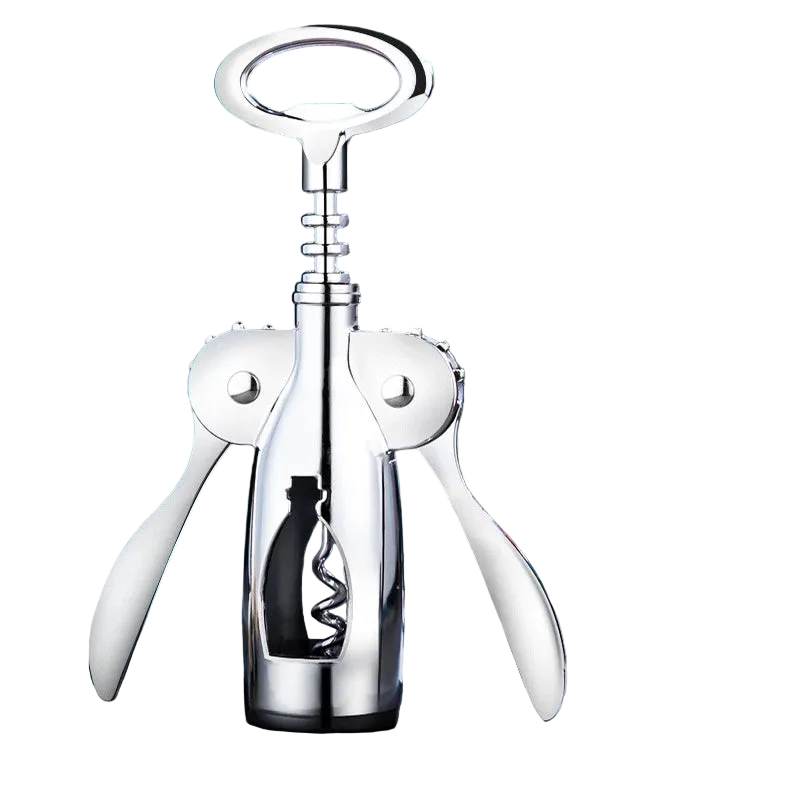
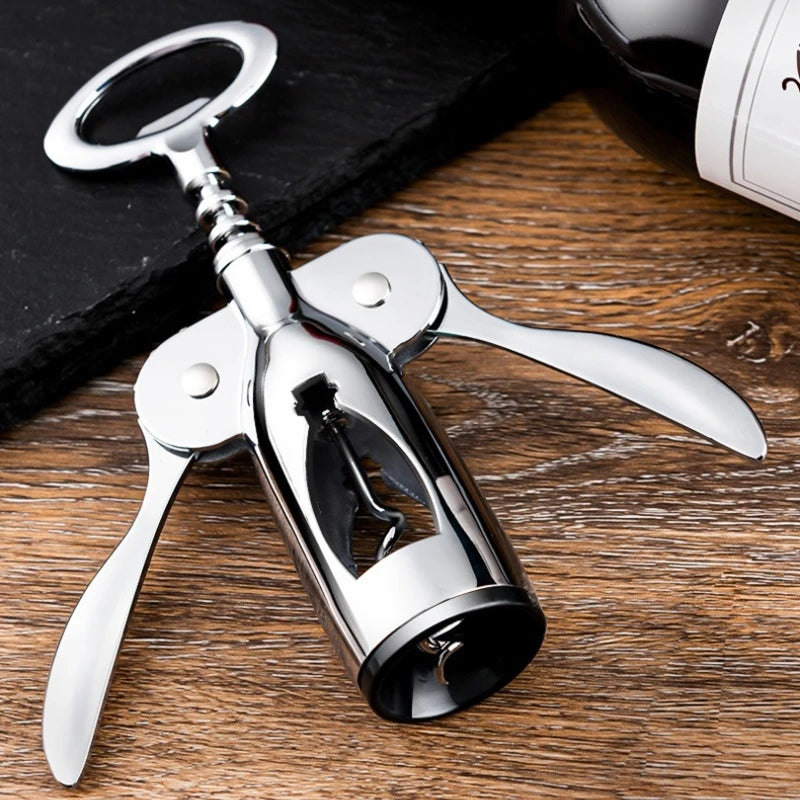
De Gaulle corkscrew
De Gaulle Corkscrew — The winged bottle opener
The De Gaulle corkscrew is the one everyone recognizes. Two wings that rise on either side of the handle when you screw the worm into the cork. A base that fits snugly on the neck of the bottle. A cork that pops out cleanly, without any force. This double-lever mechanism has been around since 1930. It's a staple in French kitchens; nothing has replaced it. That's why Limonadier is keen to offer it for sale in its shop.
Its name comes directly from General Charles de Gaulle. When the screw is driven into the cork, the two arms rise on either side of the handle—exactly as the General greeted the crowds during his speeches, his arms raised to the sky. The image caught on. The nickname stuck, even though now the wooden corkscrew is much more common.
History of the double-lever bottle opener
It all began in England in 1880. William Burton Baker filed a patent for the first two-lever tool of its kind, manufactured by James Heeley & Sons in Birmingham. The mechanism was there, but the two arms still operated independently—a flaw that complicated the everyday task of opening wine bottles.
In 1888, Neville Heeley improved the system. He connected the two arms with a guide collar that slid along the central handle: the levers now moved together in a single, symmetrical motion. This model remained the standard in European kitchens for nearly 60 years.
In 1930, the Italian Dominick Rosati replaced the collar with a central rack and pinion mechanism with gears at the lever joints. This geared mechanism is still found on all De Gaulle models today. The system is smoother, the opening gentler. After the war, when the General's silhouette became a popular image, the nickname became firmly established in everyday language.
How does the De Gaulle mechanism work?
The tool's base rests on the neck of the bottle. Turn the handle clockwise: the corkscrew penetrates the cork, the ratchet mechanism moves up the handle, and the two levers gradually rise. When they are in the raised position, lower them simultaneously with both hands. The cork pops out in one swift motion, without any force.
Two practical points: center the tip of the drill bit in the middle of the cap before starting. Screw it in all the way without touching the levers during rotation — lowering them too soon will only remove half the cap and risks breaking it.
Full lock of hair or pigtail?
This is what distinguishes a mediocre tool from a good De Gaulle model. The solid drill bit resembles a classic wood screw. It goes into the cork easily, but compresses it from the inside when you pull. On an old, fragile cork, this can crack it or break it in two.
The corkscrew's spiral is hollow in the center. It distributes pressure along the entire length of the cork, grips it better, and extracts it without damaging it. It's the choice of high-end models and professional sommeliers. For synthetic corks or older vintages, the spiral is always the best choice.
The best models have a forged 5-turn auger, sometimes coated with Teflon. It enters the cork effortlessly and doesn't damage it when opening.
The different types of bottle openers
The De Gaulle is one type among many. Here's how it compares to the main models on the market.
The De Gaulle corkscrew
Also called a winged, double-lever, or rack-and-pinion bottle opener, it's a staple in the family kitchen. Easy to use, reliable, and requiring no special skills to learn, it simply rests on the bottle neck and does the work itself.
The lemonade maker or sommelier's knife
The gold standard in the restaurant industry. Compact, discreet, and efficient once you master the technique. The wine bartender can open a bottle of wine in seconds, but it requires practice.
The screw-type bottle opener (Screwpull)
Dual-action system where the wick moves down and up effortlessly. Ideal for quickly opening a large number of wines. Bulkier, less practical for everyday use.
The electric bottle opener
Operates on batteries or a rechargeable battery. Simply place the nozzle on the bottle neck and press a button. Zero physical effort. Useful for people with joint problems or professionals who open many bottles per service.
The bimetallic strip
Two thin blades that slide between the cork and the neck of the bottle. No worm. Ideal for damaged or very old corks, as the double-bladed corkscrew doesn't damage them. Less intuitive to use.
For home use, the De Gaulle remains the best starting point. It requires no learning and works right out of the box.
Materials and finishes
Zamak
This is the alloy found on high-quality models: zinc, aluminum, magnesium, and copper. Lightweight and durable, it won't rust and lasts for years. A raw body without chrome or paint—just a clear varnish. This is often what you find on models made in France.
Stainless steel
The drill bit and gears are standard. Forged is better—the auger stays straight after hundreds of uses. The brushed stainless steel levers give a matte finish, ranging from light gray to black depending on the chosen finish.
The wood
Some models incorporate wood on the handle or grip—beech, walnut, rosewood. The feel is different, warmer. These versions are often found in gift sets.
The color finishes
Beyond classic chrome, there are models in matte black, rose gold, lacquered red, or two-tone. The black version is currently the most popular—understated and simple.
Made in France
Some models come from French workshops, particularly in the Champagne region, which have been manufacturing sommelier tools since the beginning of the 20th century. The precision of the gears and the quality of the materials reflect this over time.
The weight of the fins
Heavy levers amplify the force required to open the bottle—you barely need to press and the cap pops out. Lightweight plastic levers have the opposite effect: they force the opening, bend, and break on tight caps.
Choosing your De Gaulle model
For regular use
A zamak body, forged pigtail drill bit, solid metal levers. This is the configuration where quality is consistent. Price: between €20 and €40.
To give
Gift sets, with integrated foil cutters or special finishes (black, gold, wood), make a real impression. A complete sommelier set with a De Gaulle bottle opener and vacuum stopper—it's the wine gift that always finds its place at the table. Price: between €30 and €60 for a beautiful set. Free shipping on all items in the shop. Limonadier also recommends the air-powered corkscrew as a gift for a young person; the effect is guaranteed thanks to the air pressure, which makes the cork pop out on its own.
For enthusiasts
Some designer models echo the style of the De Gaulle, using premium materials such as rosewood, polished brass, and black forged steel levers. A tool and an object to place on a bar or display in a kitchen.
What to avoid
Plastic models under €5. The levers bend from the first uses, the wick twists, and you end up with a broken cork halfway through extraction in the wine.

Discover our news in preview
Newsletter
Subscribe to our newsletter and enjoy 10% off