Sort by

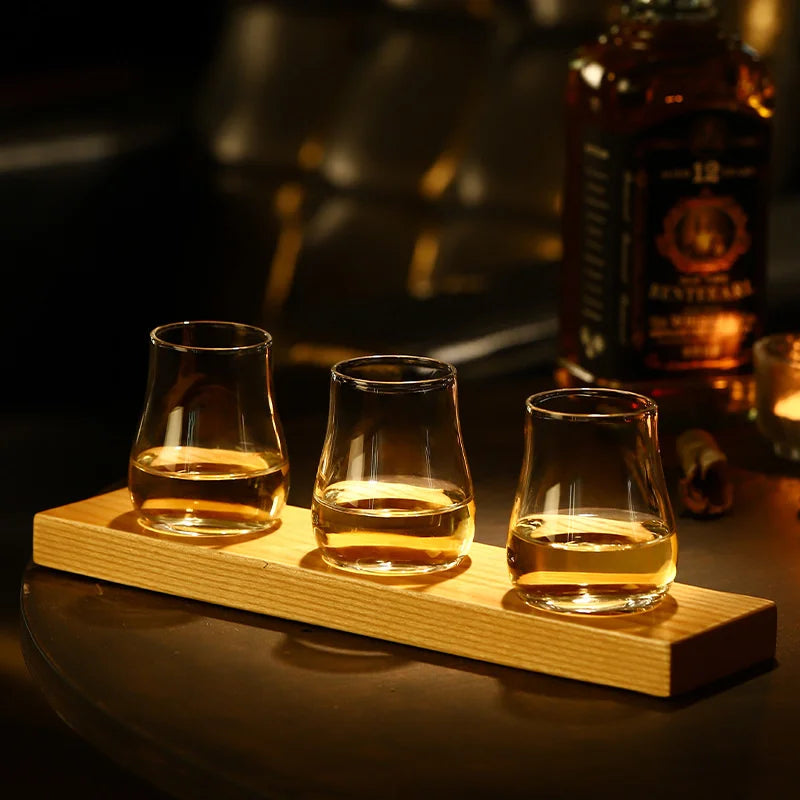
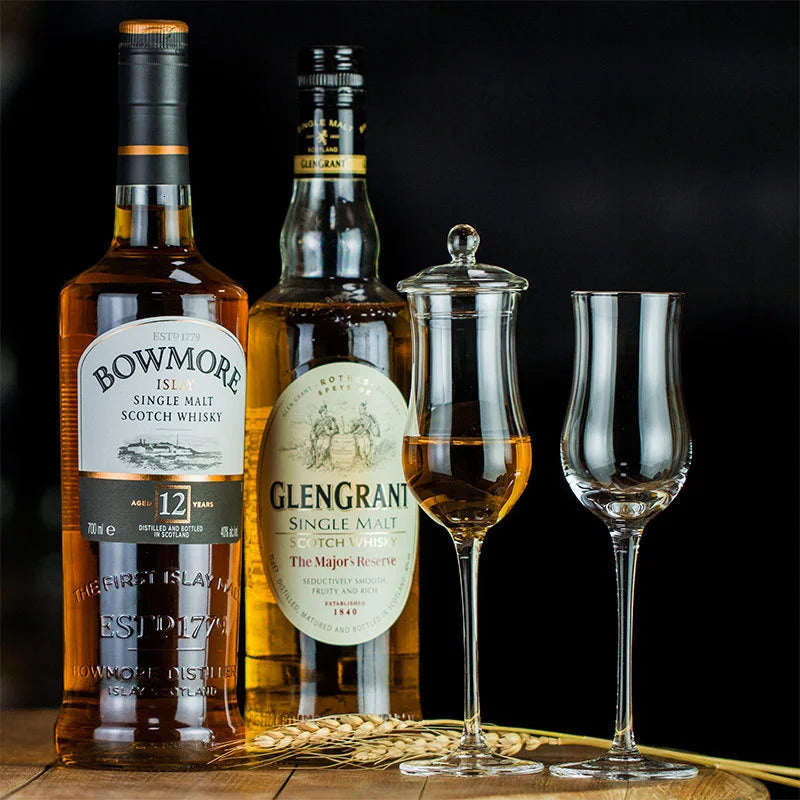
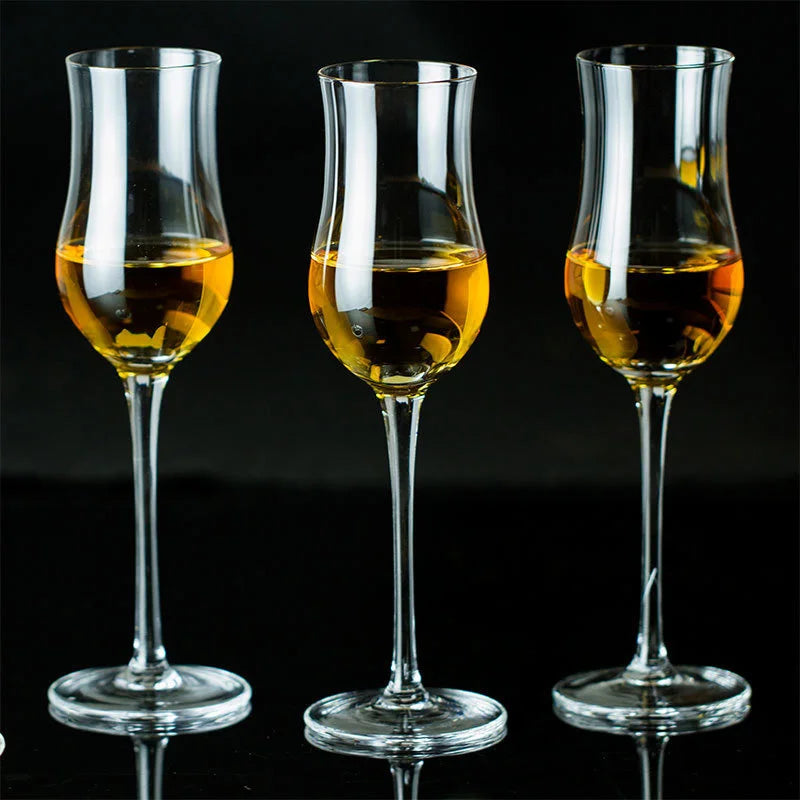
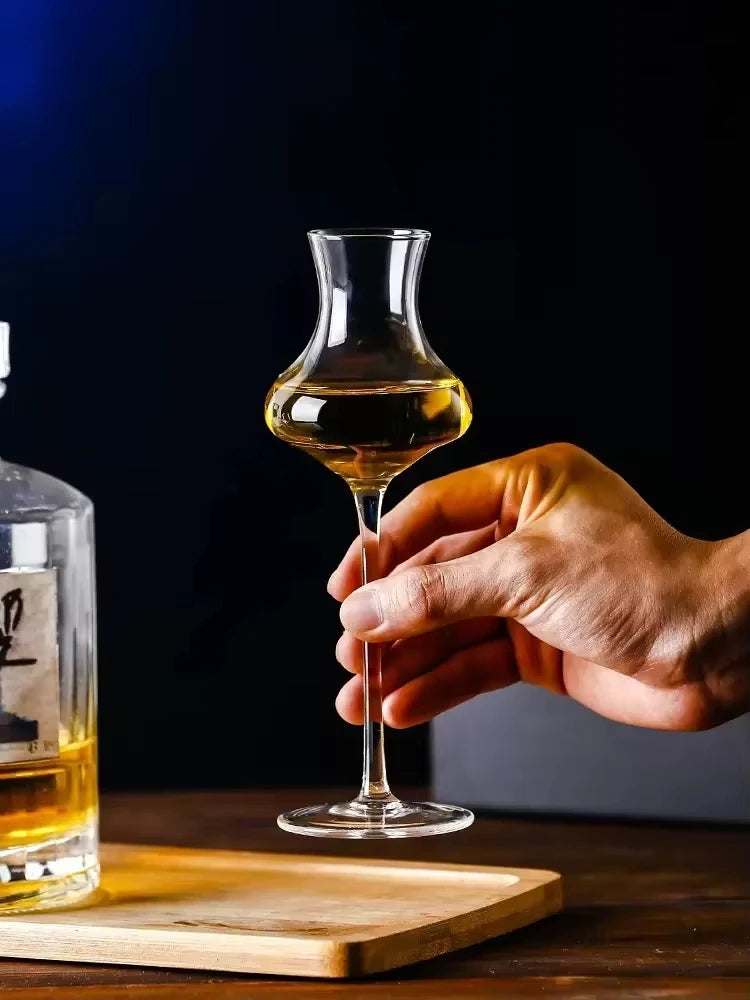
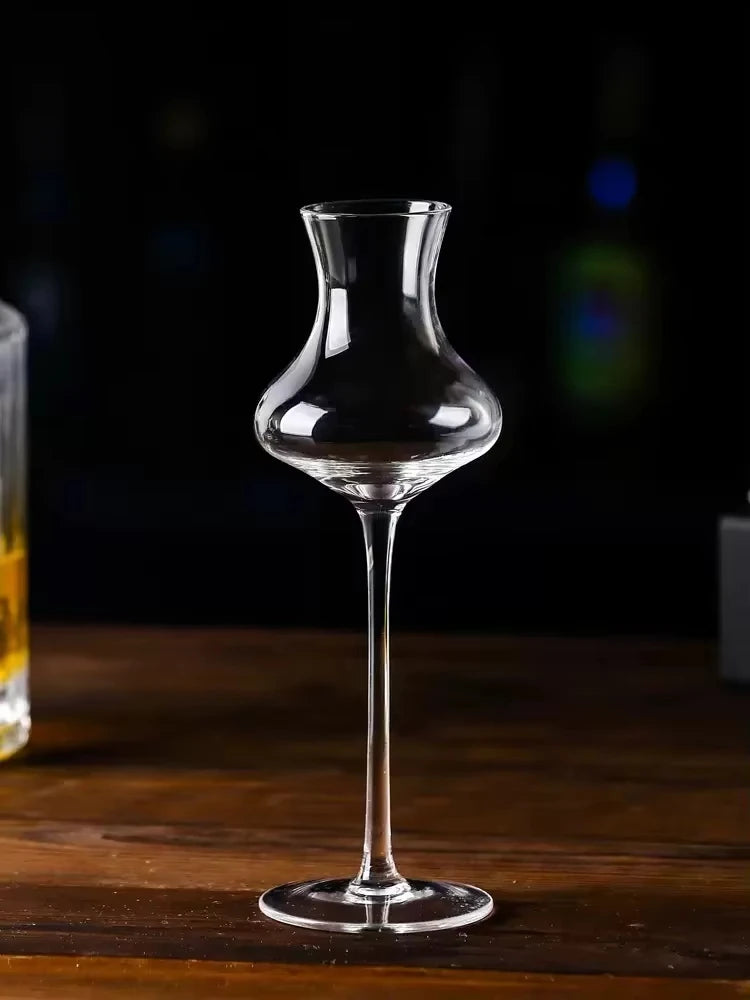

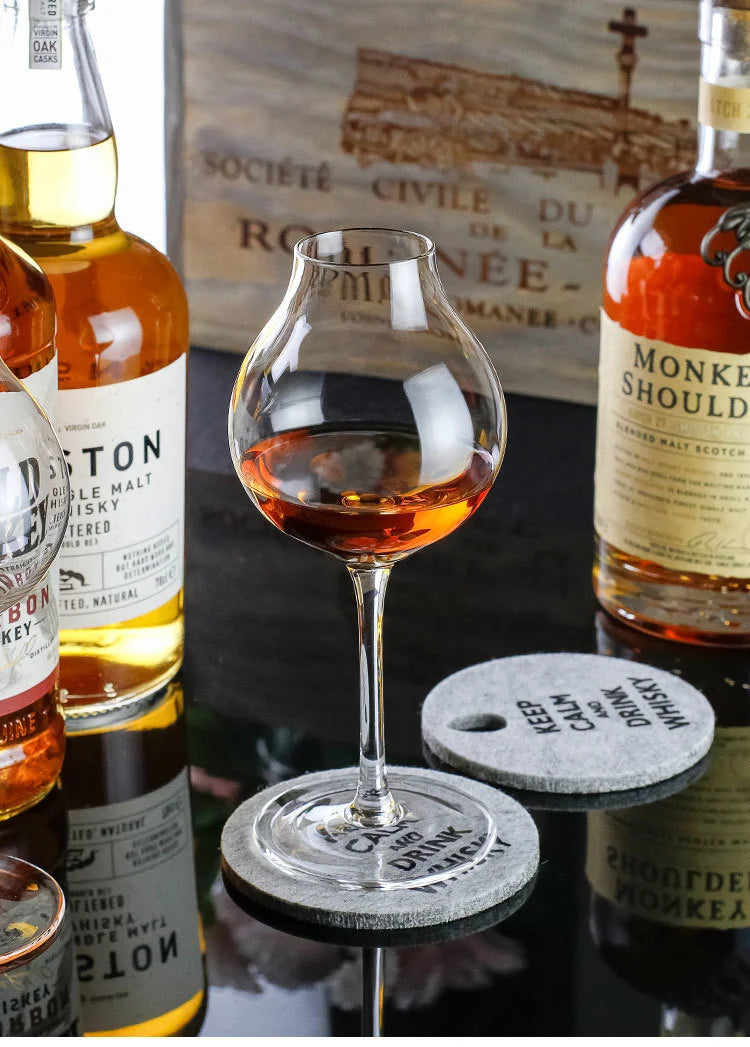
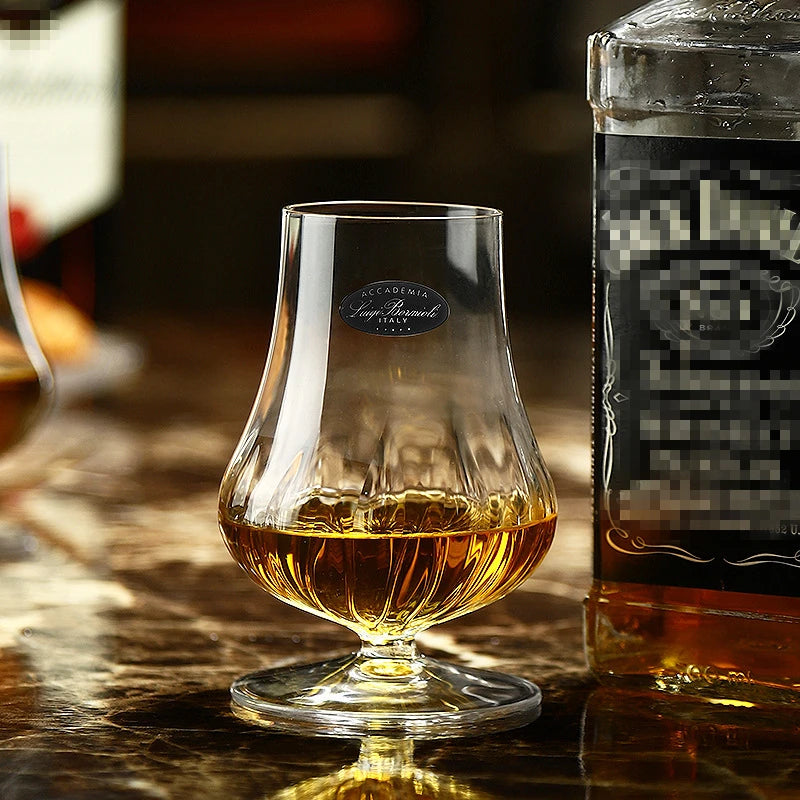
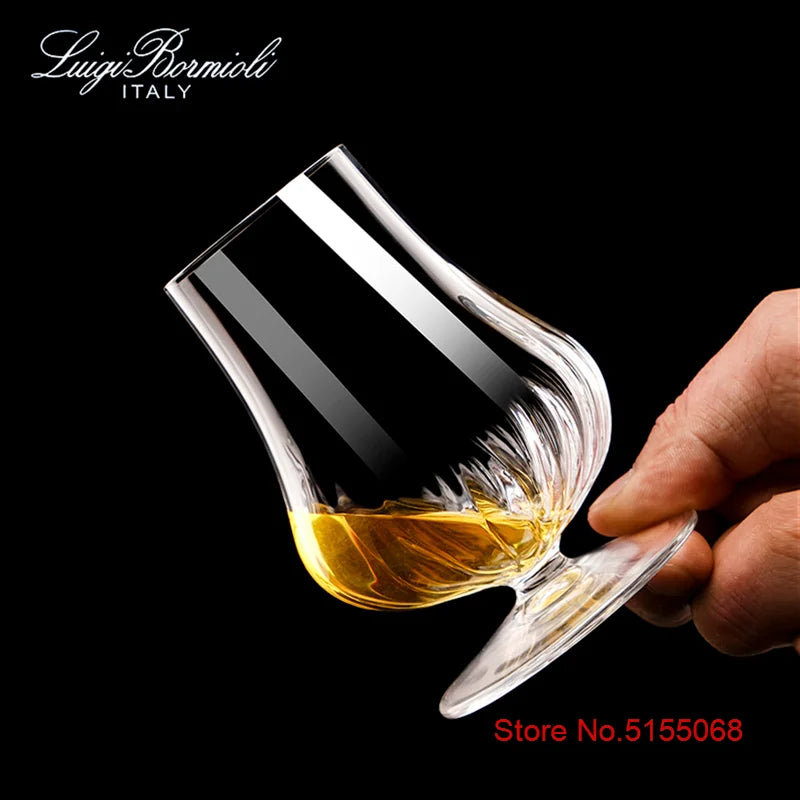
Tulip glass whisky
Tulip glass for whisky: choosing the right one for a better tasting experience
You open a peated Islay single malt and pour it into a tumbler. It smells of alcohol, a little smoke, not much else. You pour the same whisky into a tulip glass. The peat is there, but also honey, iodine, and a hint of licorice you'd never noticed before. It's the same whisky. Only the glass has changed.
The tulip glass is the standard tasting format for whisky. Most Scottish distilleries use it for blending and quality control. But with options ranging from a €6 Glencairn to a €13 copita and a €50 crystal glass, there are many choices. This guide will help you choose the right glass for your needs.
Why the tulip shape changes the whisky tasting experience
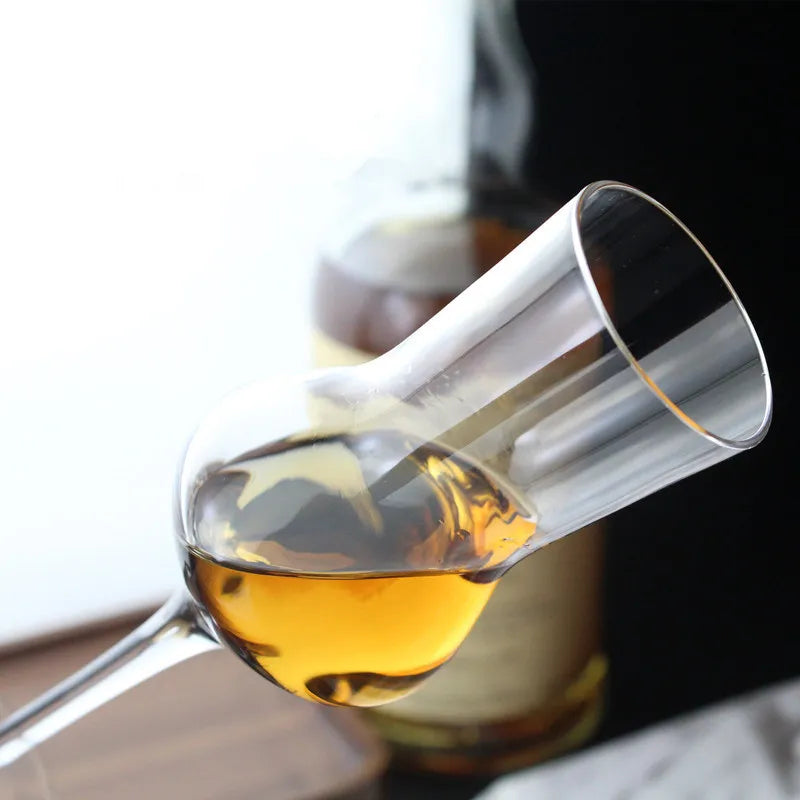
The principle is mechanical. The flared base allows the whisky to spread over a wide surface. Volatile compounds are released. The narrower neck channels them towards the nose instead of letting them disperse. The result: you detect the aromas before the ethanol.
In a tumbler, everything arrives at once. The open surface allows the delicate notes to escape and rise first. With a standard blend drunk over ice, this isn't a problem. But with a 46% ABV single malt drunk neat, you're missing out on half the aromatic profile.
Glen Turner, on its website, sums up the principle well: "A wide base and a tulip neck are the two essential elements." This is the rule master blenders have been applying for decades. The Glencairn Glass was actually created in 2001 by Raymond Davidson, directly inspired by the Copita and INAO glasses already used by professionals. For your information, there are as many tulip shapes as there are drinks, for example, the tulip glass for rum or the tulip glass for beer !
Tulip, Glencairn, Copita or Tumbler: a whisky comparison
The Glencairn has become the global standard. Sturdy, stemless, with a solid base that fits comfortably in the hand. It's the container I use every day. Sturdy, between €6 and €10 depending on the retailer.
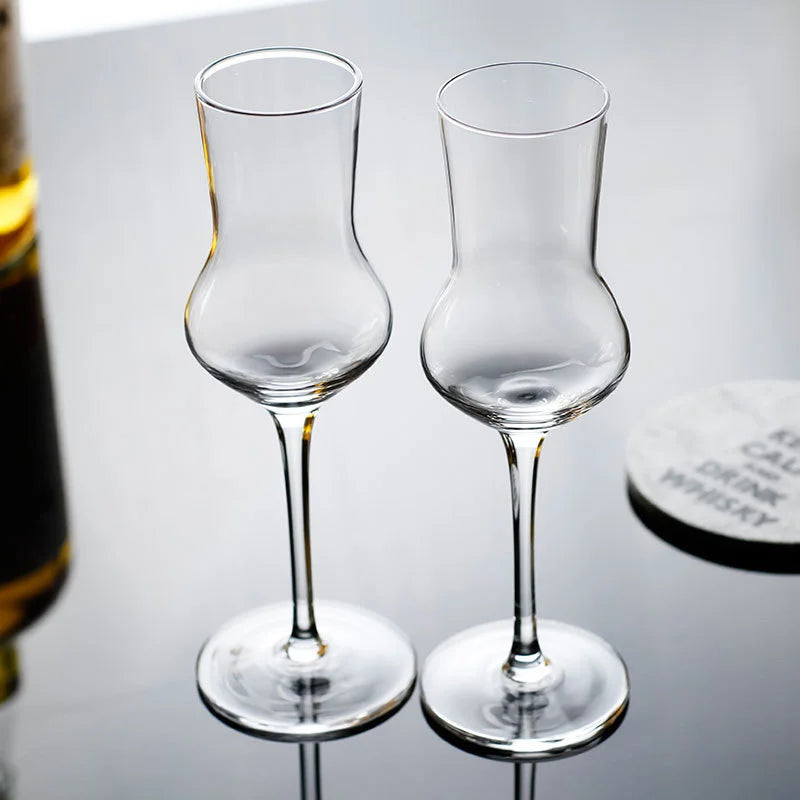
The copita is the professional whisky glass used for analysis. Stemmed, it has a very narrow opening. Glencairn produces an official version for around €13. The long base prevents the hand from warming the contents. Aromatic precision is superior to the classic Glencairn, but handling is more delicate. It's an analytical tool, not a party glass.
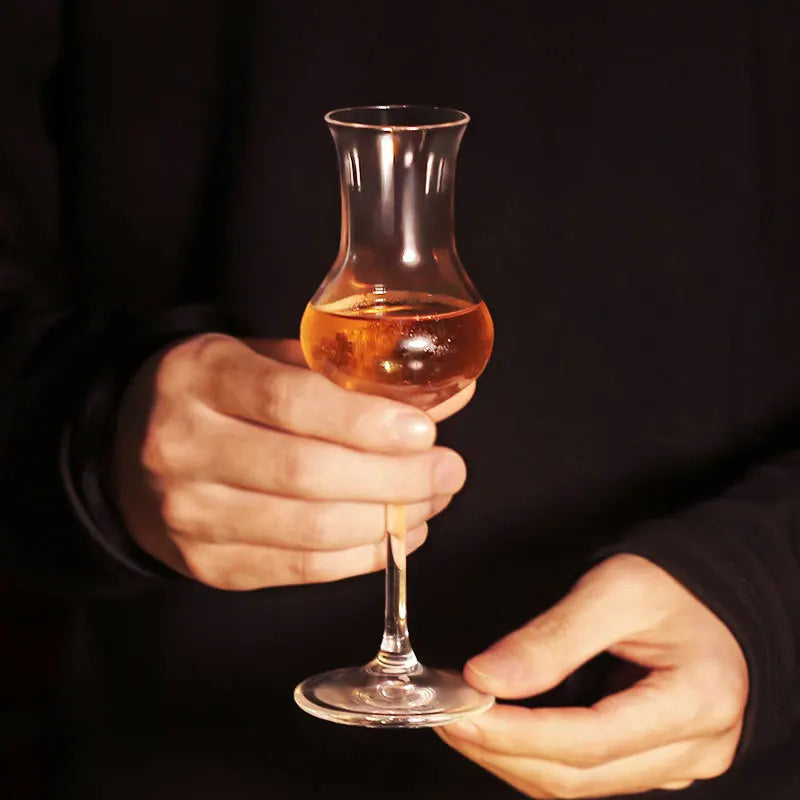
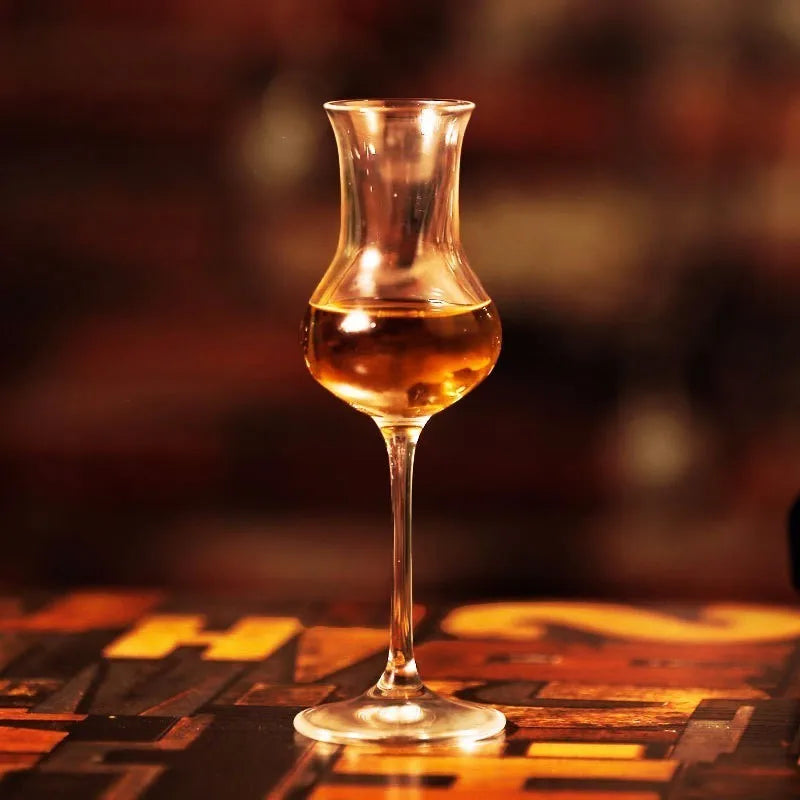
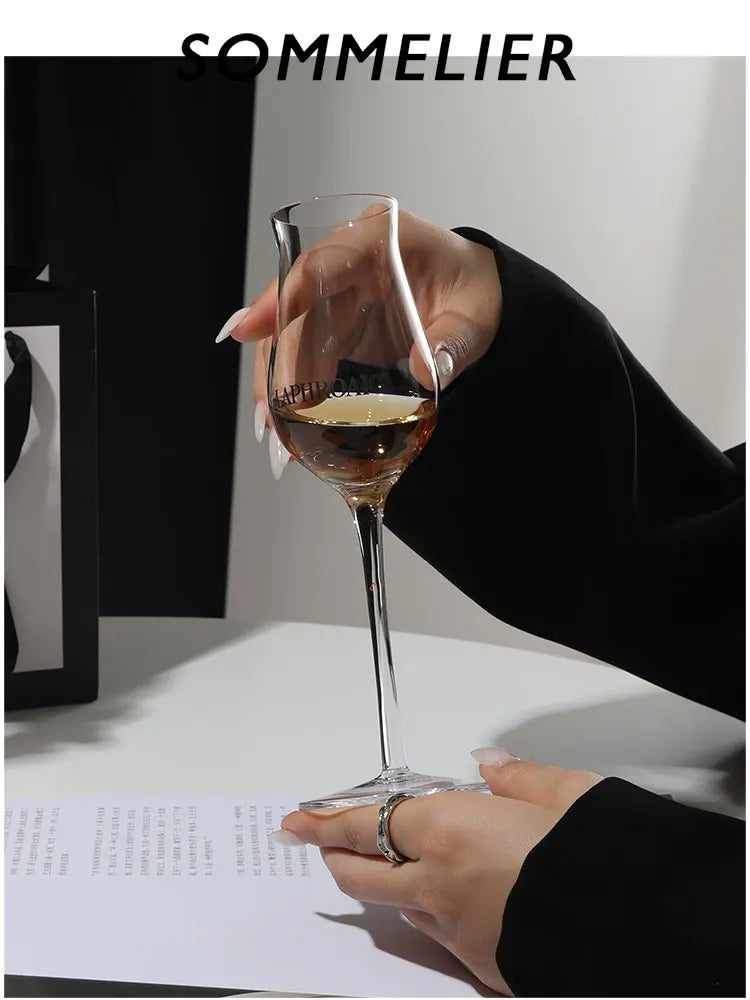
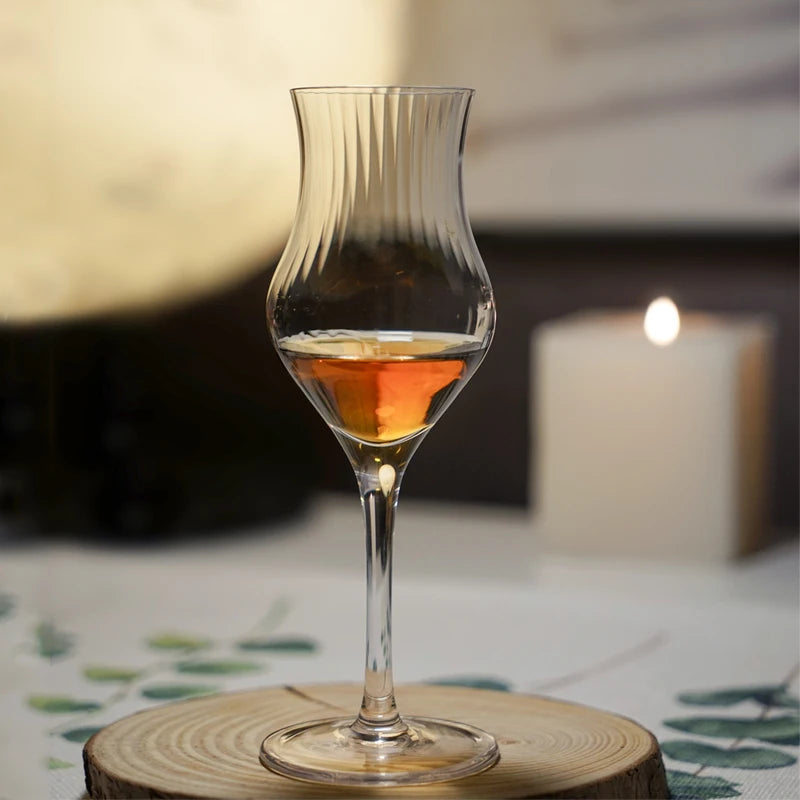
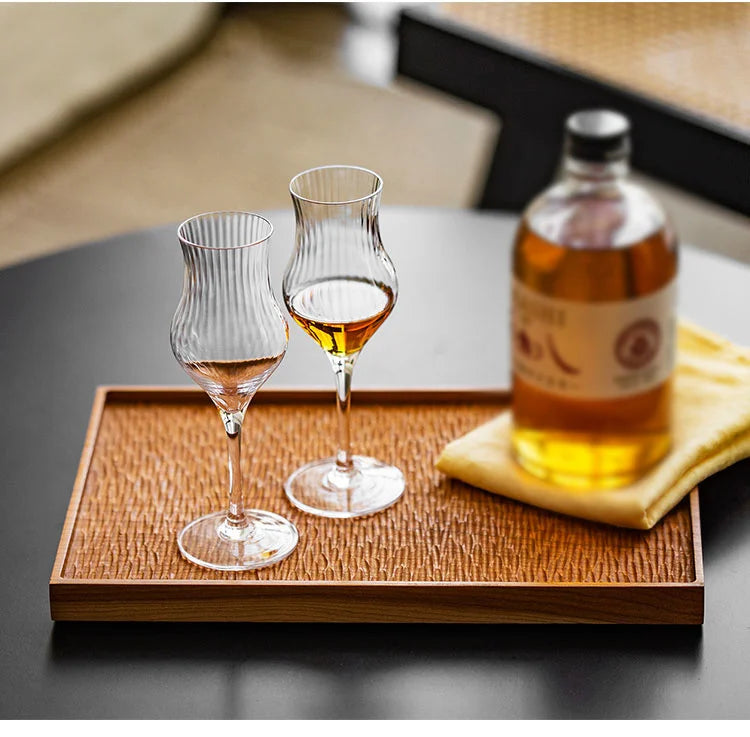
The long-stemmed tulip-shaped glass falls somewhere in between. It has the same concentric shape, but with an 8-12 cm stem that insulates the calyx from body heat. It can be found in brands like Spiegelau (Authentis range) or Stölzle. This is my choice for comparative tastings where the temperature needs to remain consistent from one glass to the next.
The tumbler (Old Fashioned) is the glass everyone knows. Straight sides, thick base, wide opening. It's perfect for cocktails, whiskey and cola, and drams on the rocks. But for a pure tasting, the wide opening allows the delicate aromas to escape before they reach the nose. If you're looking for a tumbler or an Old Fashioned glass, that's a different use.
| Format | Capacity | Unit price | Aromatic concentration | Dishwasher |
|---|---|---|---|---|
| Glencairn | 17-19 cl | 6-10 € | ★★★★ | Yes |
| Copita | 11-15 cl | 10-15 € | ★★★★★ | According to the model |
| Long-stemmed tulip | 15-20 cl | 8-20 € | ★★★★ | According to the model |
| Tumbler | 20-35 cl | 5-25 € | ★★ | Yes |
If you don't have a tulip glass handy, a wine glass makes a good substitute. Wide base, narrow neck: the same principle. Cognac Painturaud and Glen Turner confirm this in their guides. Less precise than a Glencairn, but better than a tumbler. For capacity, aim for between 15 and 20 cl. Below 12 cl, there isn't enough room to swirl the whisky. Above 25 cl, it loses its concentrating effect.
Which tulip glass for which type of whisky?
Unpeated single malt (Speyside, Highlands): the classic Glencairn glass works perfectly. These whiskies have fruity and honeyed profiles that are best appreciated when opened with a moderately restricted pour. A Glenfiddich 12 or a Balvenie Caribbean Cask doesn't require a special glass.
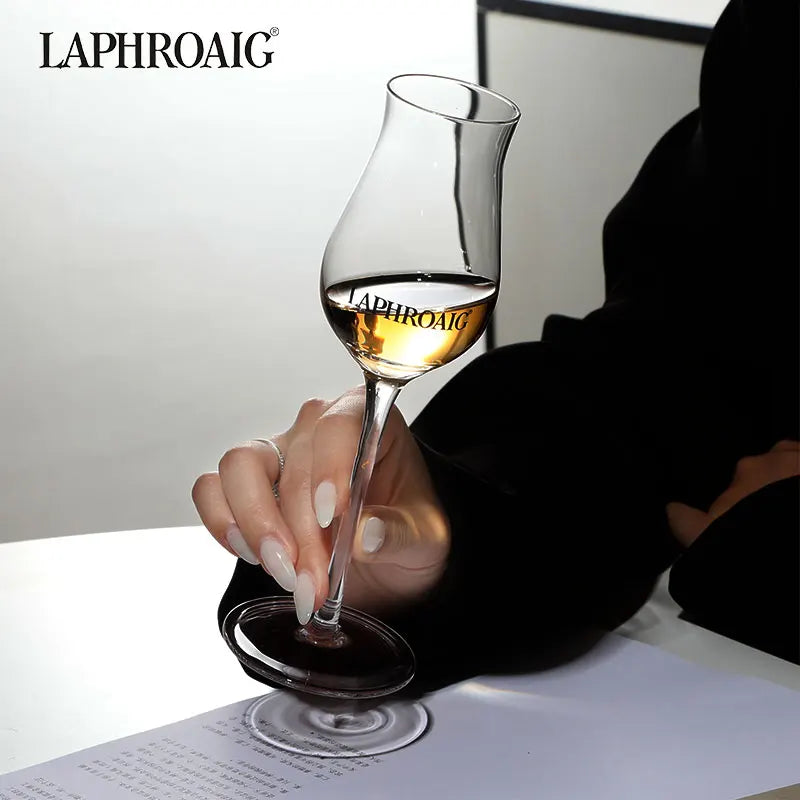
Peated single malt (Islay, some Highlands): a copita or tulip-shaped glass with a pedestal gives the best results. The peat is powerful and can mask secondary notes in a glass that's too open. In a Laphroaig or Ardbeg, the iodine, salt, and dried fruit hidden behind the smoke come through better in a more focused glass.
Blended Scotch: Glencairn or even a tumbler. Blends are designed to be approachable. The glass has less impact than with a complex single malt. If you add water or ice, a tumbler is more practical.
Cask strength (cask strength, 50% ABV and above): the copita or long-stemmed tulip glass. Its narrow shape slows the ethanol rush and allows you to appreciate the aromatic profile before the alcohol content. A trick I always do with cask strength whiskies: cover the glass with my palm for a few seconds, then smell. The tulip glass amplifies the effect.
Crystal, crystalline or standard glass: which to choose
The standard (soda-lime) model does the job for most uses. It can withstand everyday bumps and knocks and costs between €5 and €15. The official Glencairn model is made of lead-free crystal—technically a crystalline material—and costs €6. Proof that price isn't the only indicator of quality.
The crystal provides a thinner wall and greater transparency. The difference is most noticeable when drinking: the lip encounters a more delicate rim, and the taste of the first sip is more pronounced. The impact on the perception of aromas is subtle. The visual appeal, however, is undeniable. An amber whisky in a fine crystal glass—that's something special.
Lead crystal (containing over 24% lead oxide) offers the best brilliance and sound. However, it is sensitive to detergents and requires hand washing at a maximum of 40°C. High-end brands like Riedel and Schott Zwiesel work with this material. Expect to pay between €30 and €80 per instrument. It's a choice for collectors or serious enthusiasts.
The most sensible approach: Buy a set of 4 Glencairn glasses for everyday use (€25-40 for the set), and possibly two crystal glasses with long bases for large bottles.
Nosing: how to smell whisky in a tulip
Pour 2 to 3 cl. No more. The whisky should fill the bottom of the glass without exceeding one-third of its capacity. The space above is the aromatic space—this is where the notes develop.
First nose: bring the glass close, mouth slightly open. You'll pick up the most volatile notes. Don't plunge your nose into the glass—that's the classic mistake. With a 40% ABV whisky, the ethanol will saturate your mucous membranes in seconds.
Second nose: Gently swirl the whisky in the bowl. It spreads along the sides, increasing the surface area for evaporation. Bring the glass closer. The underlying notes emerge: wood, spices, dried fruit, and peat, depending on the whisky's profile.
Adding water is a step many overlook, yet it transforms the experience. A few drops (really just a few drops, not a dash) in a single malt at 46% ABV or higher literally unlocks the bouquet. The aromatic compounds trapped by the alcohol are released. Use a pipette or pour from the bottle's cork. The tulip shape makes this effect visible: the whisky's oils create swirls on the surface.
Care instructions for tulip-shaped whisky glasses
Glencairn and standard whisky glasses are dishwasher safe. Use a short cycle at a moderate temperature (50-55°C). High-quality crystal glasses are best hand-washed with a mild dish soap. Rinse thoroughly—detergent residue can impair the aromas the next time you drink. Dry upright and air dry.
Store them upright, never upside down on their rims. The neck of a tulip glass is the thinnest and most fragile part. A blow to the rim can create an invisible micro-crack that will eventually break.
Additional accessories for tasting
The dropper pipette allows for precise water addition. With cask strength whisky, the difference between three drops and ten drops completely changes the profile. Glen Turner mentions its use in his professional tasting guides.
Whiskey stones (soapstone or granite cubes) cool the whisky without diluting it. These stone ice cubes are placed in the freezer and lower the temperature by a few degrees. They're useful in summer or if you find your whisky too warm. However, they are not a substitute for ice cubes for an Old Fashioned or a Highball.
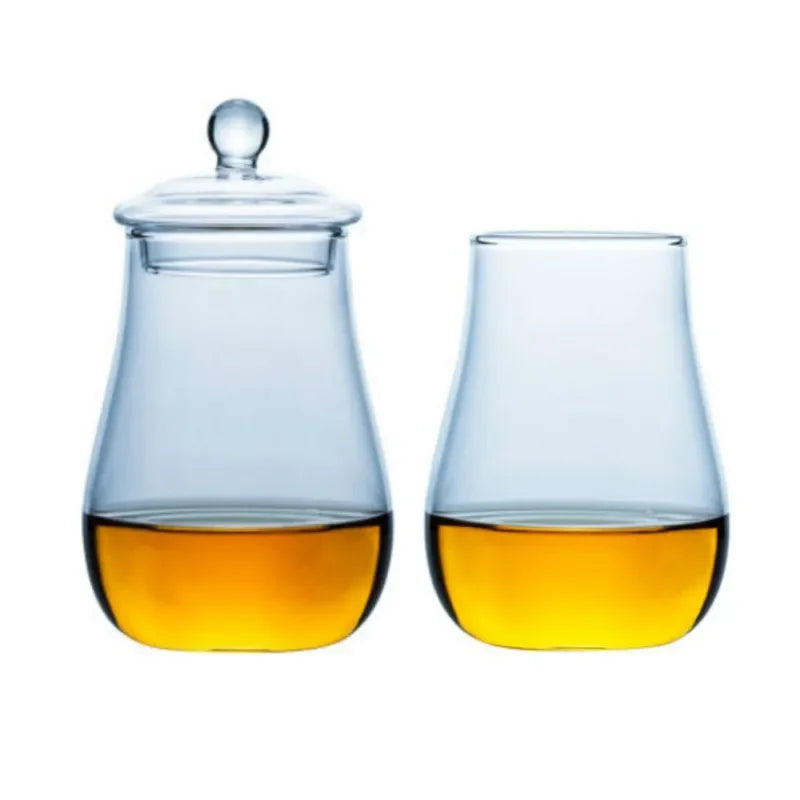
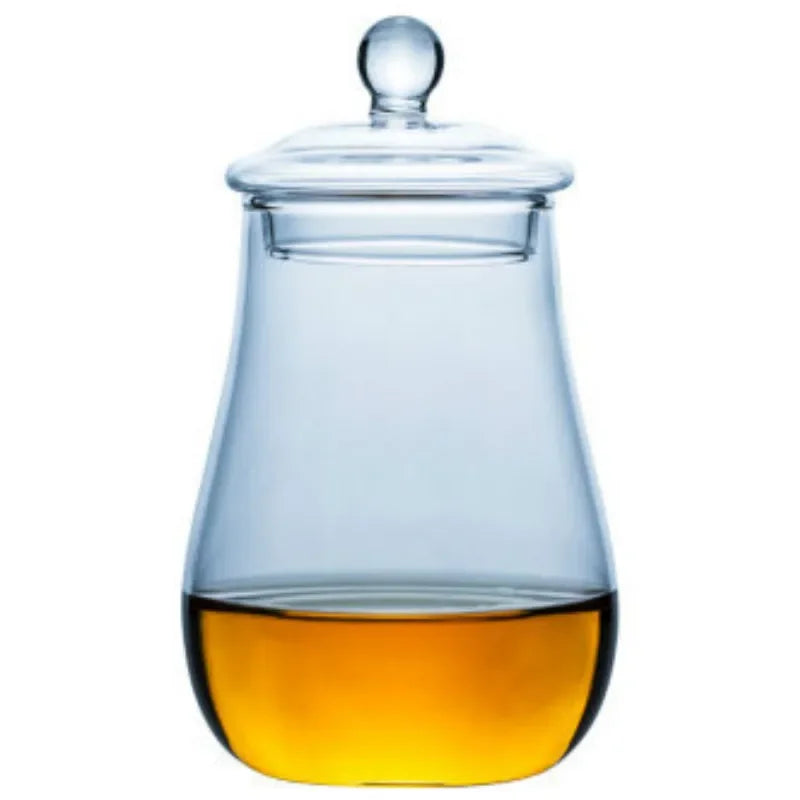
A glass cover (watch glass) protects the Glencairn between sips. This prevents aromas from escaping while you enjoy another whisky simultaneously. Glencairn offers an official model. It's ideal for comparative tastings of three or four malts.

Discover our news in preview
Newsletter
Subscribe to our newsletter and enjoy 10% off