Sort by
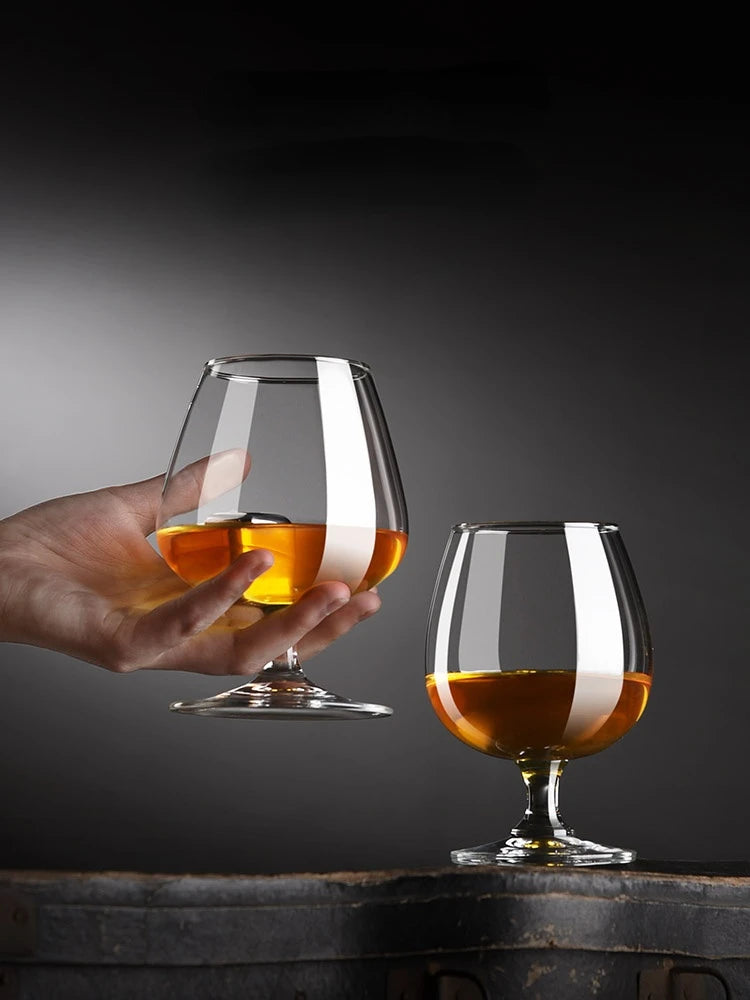
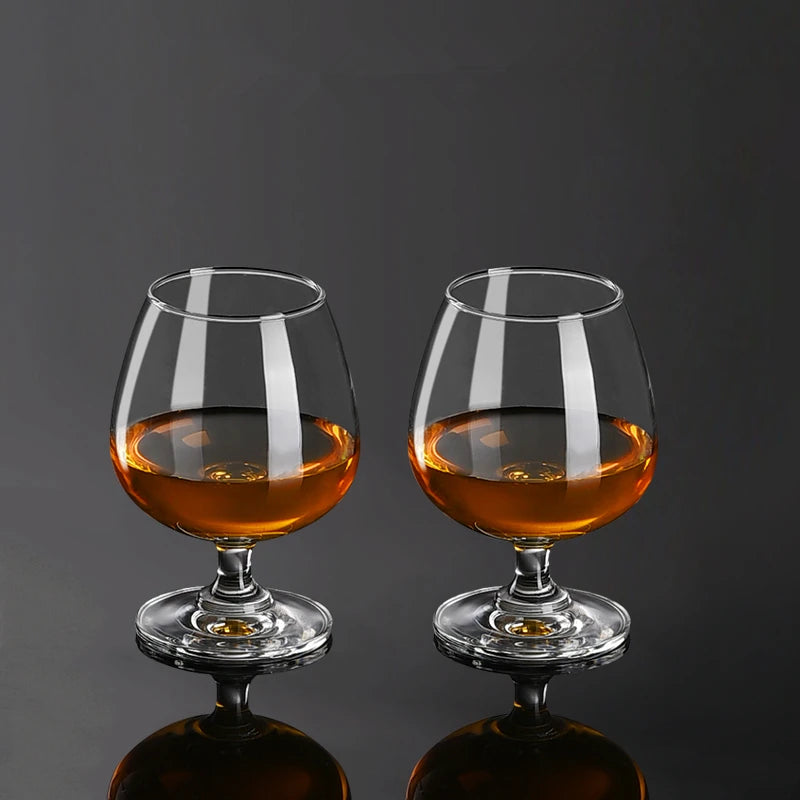
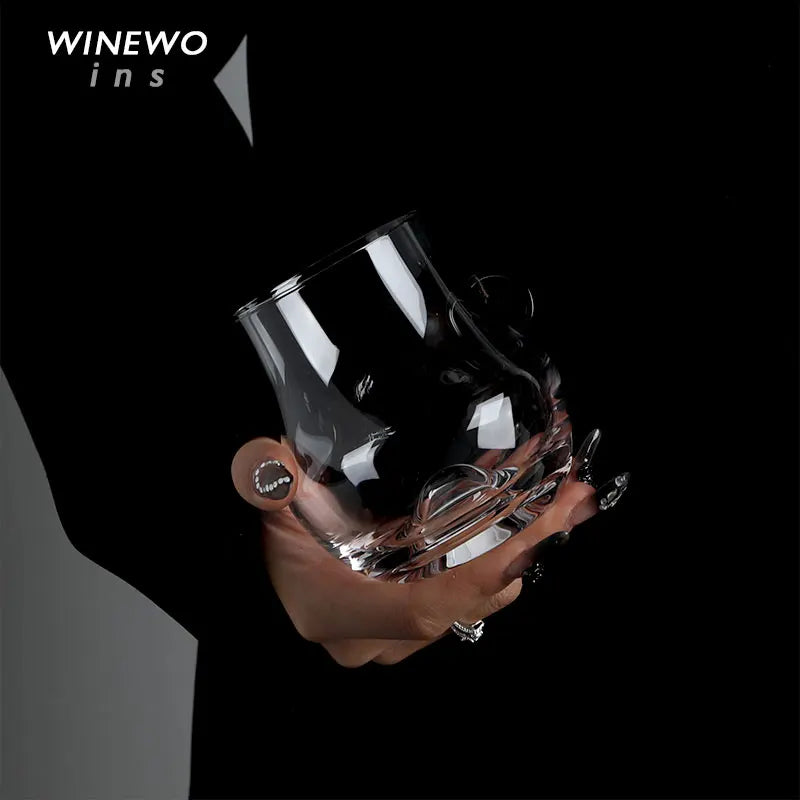
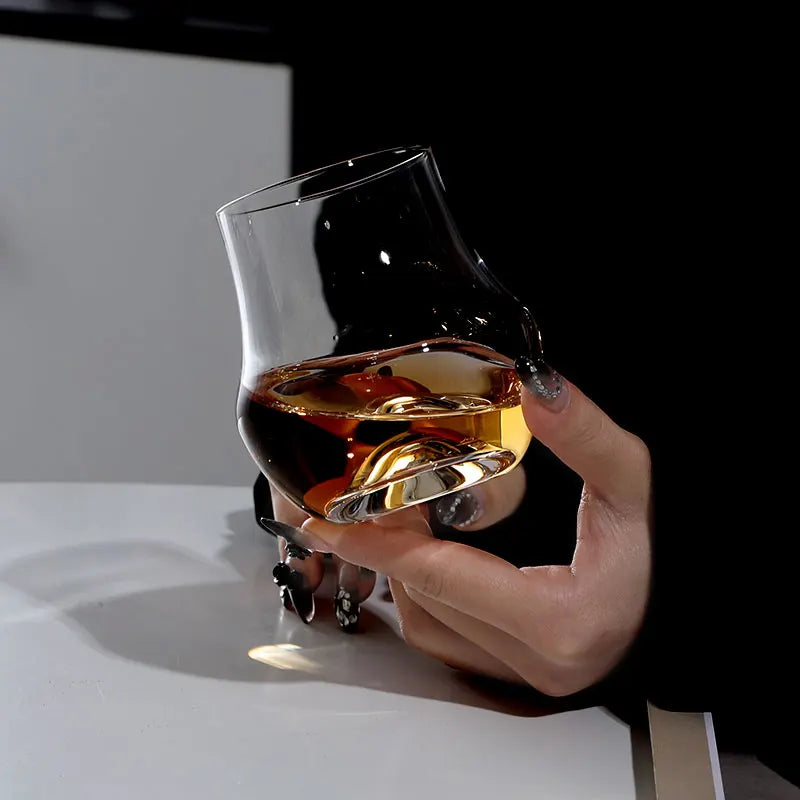
3 colors available
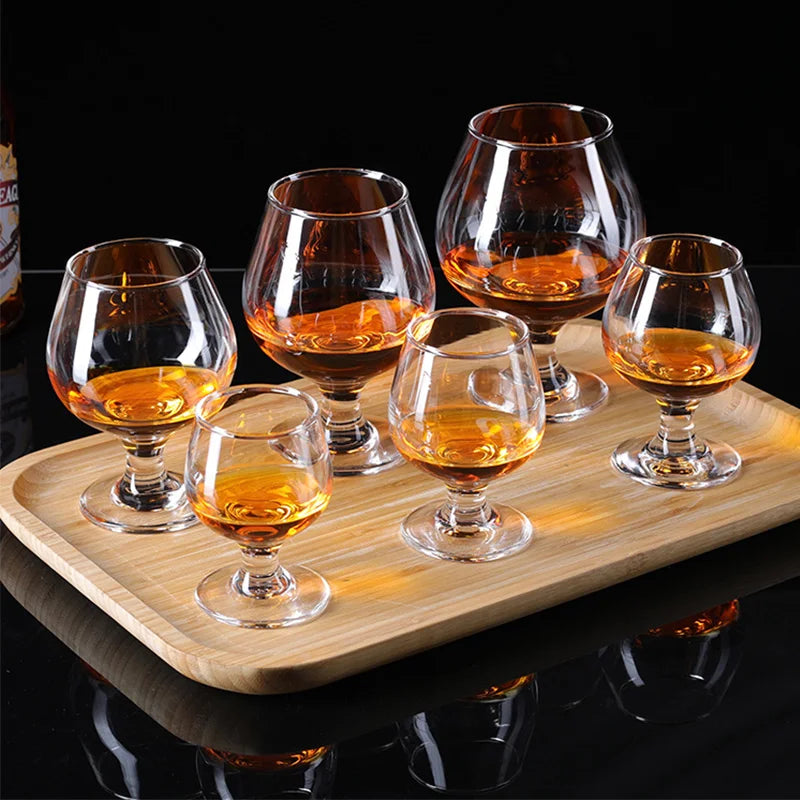
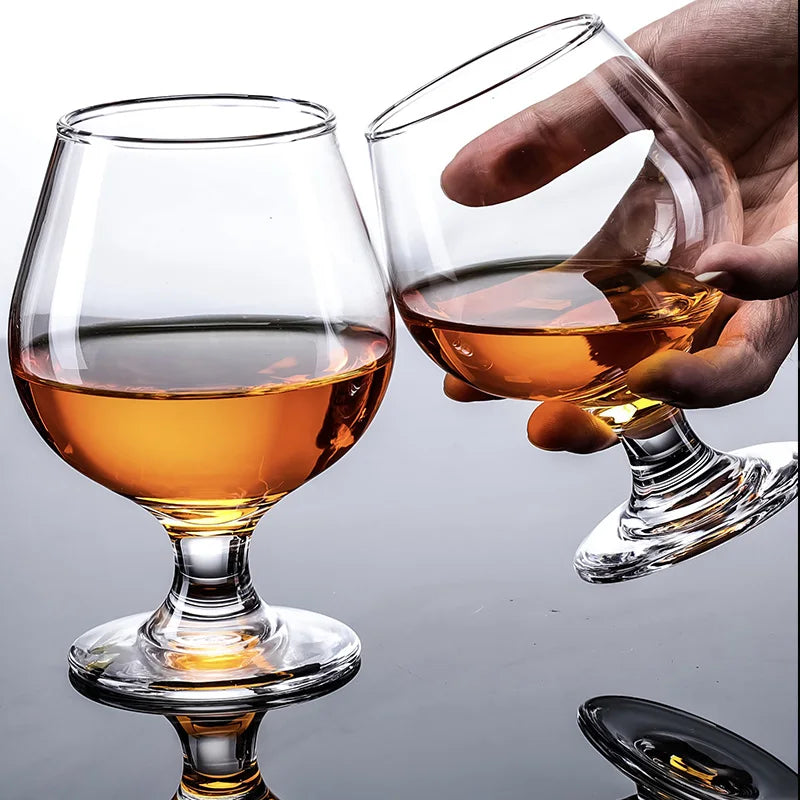
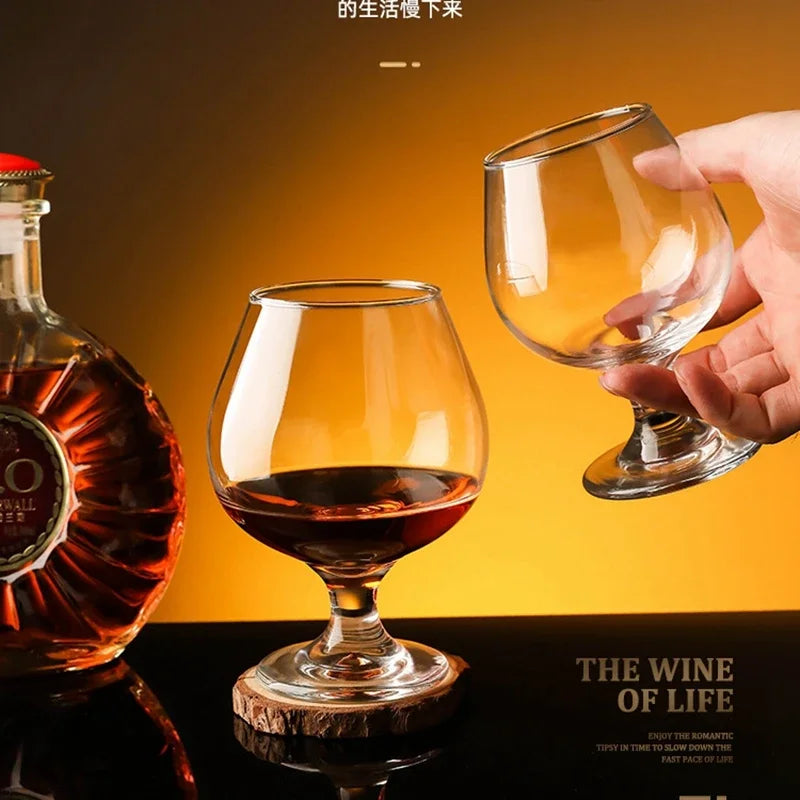
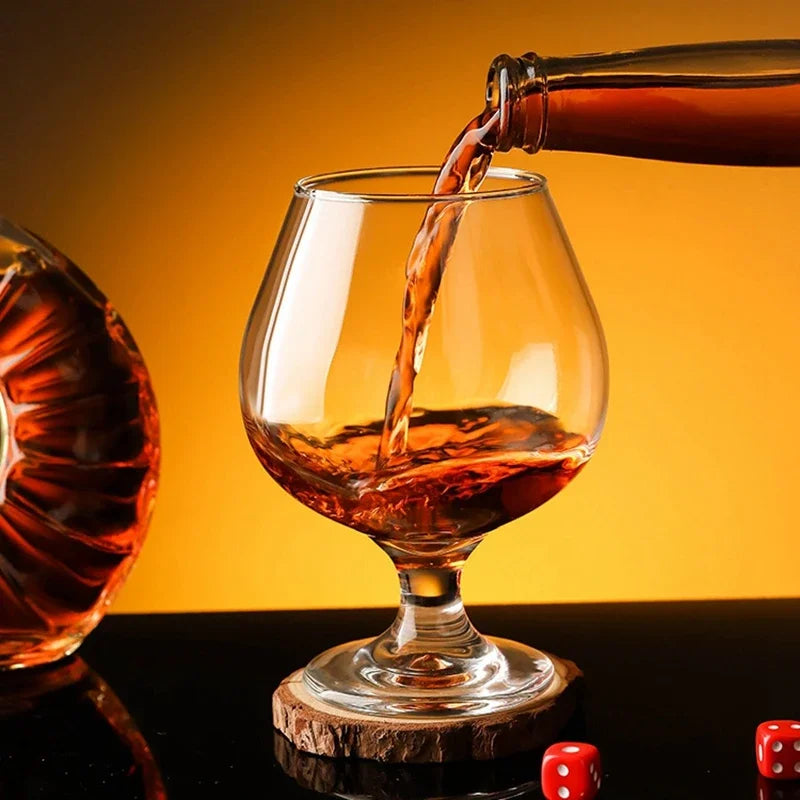
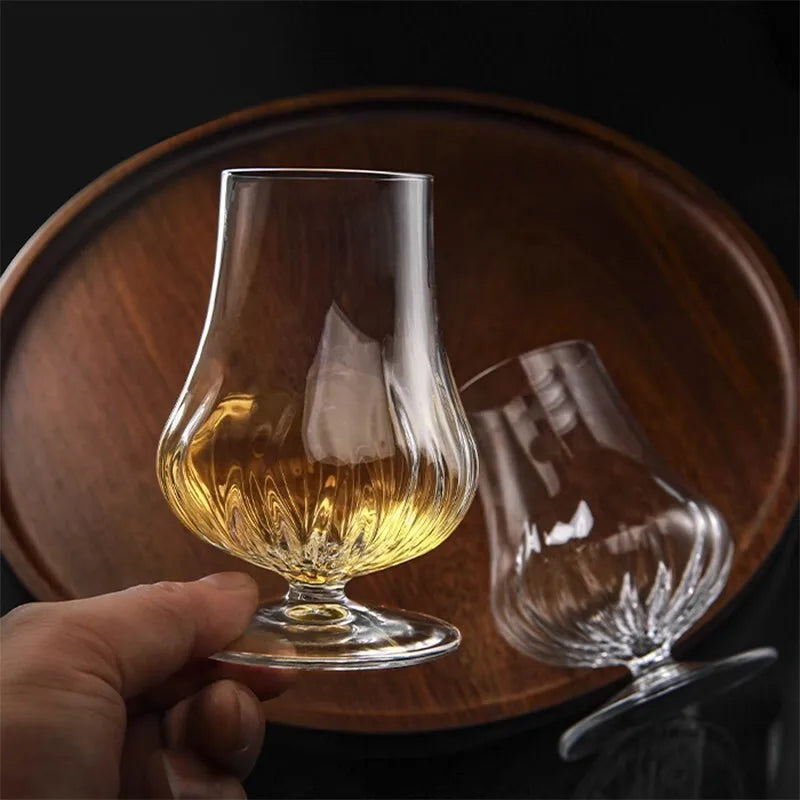

cognac tulip glass
Tulip glass for cognac: How to buy it correctly in 2026
I spent five years selling wine and spirits (before launching Limonadier.co ). I've held hundreds of tulip-shaped cognac glasses in my hands—crystal, machine-blown glass, Kwarx. And the difference between a good tasting glass and a bad one is noticeable from the very first sip of brandy.
This guide helps you choose the right tulip glass for your needs. Facts, prices, and my opinion as a certified sommelier on what's worth considering.
Why the tulip shape for cognac?
The narrow neck of the tulip glass traps the aromas in the upper part. This is a mechanical process: the evaporation surface is large at the bottom (where the cognac rests), but the narrow opening prevents the volatile compounds from escaping too quickly. When you bring your nose to it, you perceive the delicate notes—candied fruit, vanilla, rancio—instead of being hit by a burst of alcohol.
This was confirmed by the Bureau National Interprofessionnel du Cognac (BNIC) during a test organized in 2009. The best sommeliers and bartenders in France tasted cognacs blind in several types of glasses. The EDV No. 1 tulip glass from Verreries de la Marne won the vote based on four criteria: aromatic concentration, comfort in the hand, aesthetics, and versatility.
This stemmed glass became the standard in professional circles as early as 1946, promoted by the BNIC itself. Before that, everyone used the balloon glass. Cellar masters gradually abandoned it because it overly enhanced the spirit without allowing for a more nuanced analysis. Today, the tulip shape is the standard in all reputable houses, whether for cognac, armagnac, or other eaux-de-vie.
The stem is important: it prevents the heat from your hand from warming the cognac. You hold the glass by the stem or foot, never by the bowl. A professional tasting technique.
Comparison of types of cognac glasses
| Criteria | Classic Tulip | Balloon glass | INAO | Hurricane Tulip |
|---|---|---|---|---|
| Capacity | 150 – 200 ml | 200 – 250 ml | 215 ml (standard) | 350 – 750 ml |
| Opening | 4-5 cm | 6-7 cm | 4.6 cm | 7–9 cm |
| Aromas | ★★★★★ | ★★★☆☆ | ★★★★★ | ★★☆☆☆ |
| Ideal use | Cognac XO, extra old | Young Cognacs VS, VSOP | Professional tasting | Cognac cocktails |
| Average price | 15 – 50 € | €20–40 | 5 – 15 € | 10 – 25 € |
The classic tulip glass
This is the standard cognac glass for tasting. It has a narrow neck of around 4 to 5 cm, a capacity of 150 to 200 ml, and a stem of 8 to 10 cm. This is the model you'll find in all the Charente houses.
Expect to pay €15 to €25 each for standard glass, and €35 to €50 for crystal. Schott Zwiesel and Chef & Sommelier make excellent models. This is my choice for an enthusiast who enjoys a drink once or twice a week: delicate enough to appreciate the aromas of an aged brandy, yet sturdy enough to be dishwasher safe (50°C max, short cycle).
The balloon glass (snifter)
The balloon glass is the kind your grandfather used for his Sunday after-dinner drink. It has a wider opening (6 to 7 cm) and a bulbous shape. My honest opinion: it's outdated for pure tasting. The wide opening releases the aromas too quickly, and tradition dictates warming it in the palm of your hand—which brings out the alcohol at the expense of the subtle notes. The BNIC (Bureau National Interprofessionnel du Cognac) rejected it in favor of the tulip glass in 2009.
It remains suitable for young cognacs (VS, VSOP) that need aeration. Price: €20 to €40.
INAO glass
The standard professional glass. 215 ml, 4.6 cm neck. This is the one used in competitions, sommelier exams, and distillery tastings. When I took my certification exam in Suze-la-Rousse, this was the tasting glass we used.
Its advantage: standardization. Between €5 and €15 each. A bit austere for entertaining, but for analyzing a cognac, it's the ideal tool.
The Hurricane Tulip Glass
Less well-known. Wide at the base, it narrows in the middle and then widens again. It has a generous capacity, between 350 and 750 ml. This isn't a tasting glass. It's a cocktail glass for cognac—long drinks, like a Sidecar. Expect to pay €10 to €25.
Crystal, glass, Kwarx: which material to choose
The crystal
The thin walls (1 to 2 mm), the brilliance, the "ting" when you clink glasses. Baccarat, Saint-Louis, Riedel—these names speak for themselves. Expect to pay €40 to €80 per glass. The thinness changes the perception: the cognac glides more smoothly onto the lip, and the golden reflections of a very old vintage stand out more. But hand washing only, and it breaks. I recommend crystal as an accessory, not for everyday use.
Lead-free lens
This is the compromise I most often recommend. Schott Zwiesel (Tritan technology) and Spiegelau offer crystal brilliance, lead-free, and significantly more durable. Dishwasher safe. Price range: €25 to €50. Schott Zwiesel offers a manufacturer's warranty against breakage—and their customer service is reliable in case of return.
The Kwarx (International Archery)
A material that few people know about. Developed in 2004 by Arc International (parent company of Chef & Sommelier), Kwarx is a lead-free, recyclable technical glass with a transparency index of 90 — higher than crystal (89).
It withstands industrial dishwashers and thermal shock. The Cabernet Tulipe collection uses this material. Price: €12 to €25. For heavy-duty use, it's unbeatable.
Soda-calcium glass
Standard glass. 2-3 mm thick walls, sturdy, dishwasher safe. Libbey dominates this range, priced between €8 and €20. Perfect for getting started without any hassle.
What budget should I plan for?
A good tulip glass costing €20 will give you essentially the same concentration of aromas as an €80 glass. The difference lies in the thinness of the glass and the pleasure of holding the glass.
Just starting out? A set of four Libbey or Chef & Sommelier glasses will cost between €40 and €80. They're sturdy, dishwasher-safe, and do the job. Save your budget for good cognacs rather than overpriced glasses.
Do you enjoy a tasting every week? Crystal-clear Schott Zwiesel or Spiegelau glasses cost between €30 and €50 each. The difference compared to a standard glass is noticeable with XO and vintage wines.
Passionate about wine? Consider Riedel Vinum, between €60 and €90. But also keep some standard glasses for everyday use.
Sets of 6 offer savings of 15 to 20% compared to buying them individually. A set of tulip glasses also makes an excellent gift for a cognac lover—keep this in mind before the holidays, as major brands often offer 20 to 30% discounts on gift sets at the end of the year.
Brands of cognac glasses you should know
Riedel (Austria) remains the high-end benchmark. Their Vinum and Sommelier ranges are priced between €60 and €90. When you hold a Riedel in your hand, you understand why professionals swear by them.
Schott Zwiesel (Germany) is my favorite. Lead-free Tritan crystal, manufacturer's guarantee. Between €25 and €45. Good to know: They also offer a tulip glass for beer !
On the French side, Chef & Sommelier (Arc International) is worth a look. Their Cabernet Tulipe collection in Kwarx glass is designed for spirits. When I was advising customers in the shop, I often directed those looking for a durable and elegant stemmed glass to this brand. Prices range from €15 to €35.
Spiegelau (Riedel group) offers glasses priced between €30 and €50, while Libbey is the entry-level brand: their 13cl tulip-shaped glasses are used for tastings at many cognac houses. Prices range from €8 to €20. Some glassmakers offer engraving to personalize these models—a real plus for a gift.
Before making any online purchase, consult customer reviews and check the delivery conditions: a good seller ships the glasses in reinforced boxes with individual padding.
Caring for your tulip-shaped cognac glass
As with a standard Port glass and Kwarx glass: dishwasher, short cycle, 50°C max. Crystal: hand wash, lukewarm water, dry immediately. If your glasses lose their shine, a few drops of white vinegar work wonders.
Always handle by the base, store upright in a closed cupboard. A chipped glass? Throw it away.
Frequently Asked Questions (FAQ)
Why a tulip glass rather than a balloon glass for cognac?
The narrow neck concentrates the aromas. The BNIC confirmed this superiority in 2009 during a blind taste test. The balloon disperses volatile compounds too quickly due to its wide opening.
What size container should I choose?
Between 150 and 200 ml. The INAO standard glass holds 215 ml, a good reference.
Crystal or glass: what's the difference?
Crystal offers thinner walls and superior brilliance. But for aromas, it's the shape that counts. A €20 Kwarx tulip glass performs just as well as a €70 crystal one.
What is Kwarx?
A material from Arc International (2004). Lead-free, recyclable, with superior transparency to crystal. Chef & Sommelier uses it in its Cabernet Tulipe collection.
Is a tulip glass suitable for Armagnac?
Yes. Professionals also use it for Calvados, single malt whisky and some aged rums.
How to care for your tulip glasses?
Standard glass and Kwarx: dishwasher safe at 50°C. Crystal: hand wash in lukewarm water. Handle by the base, store upright.
My choice of sommelier
If I had to recommend just one tulip-shaped cognac glass , it would be a Schott Zwiesel crystal glass between €30 and €40. Durable, beautiful, and suitable for all eaux-de-vie, from vintage to very old. For a tighter budget, a Chef & Sommelier glass in Kwarx for €15-€20. For special occasions, a pair of Riedel Vinum glasses for €60.
The glass isn't everything. But a good tulip glass can transform the experience of tasting a cognac. And once you've tasted it, you won't go back to a balloon glass.

Discover our news in preview
Newsletter
Subscribe to our newsletter and enjoy 10% off