Sort by
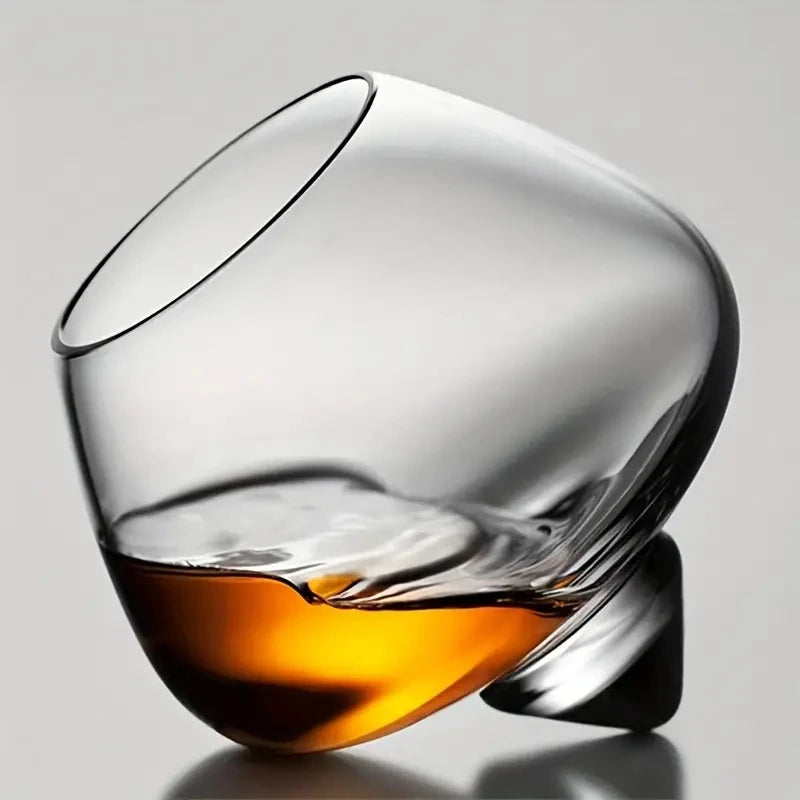
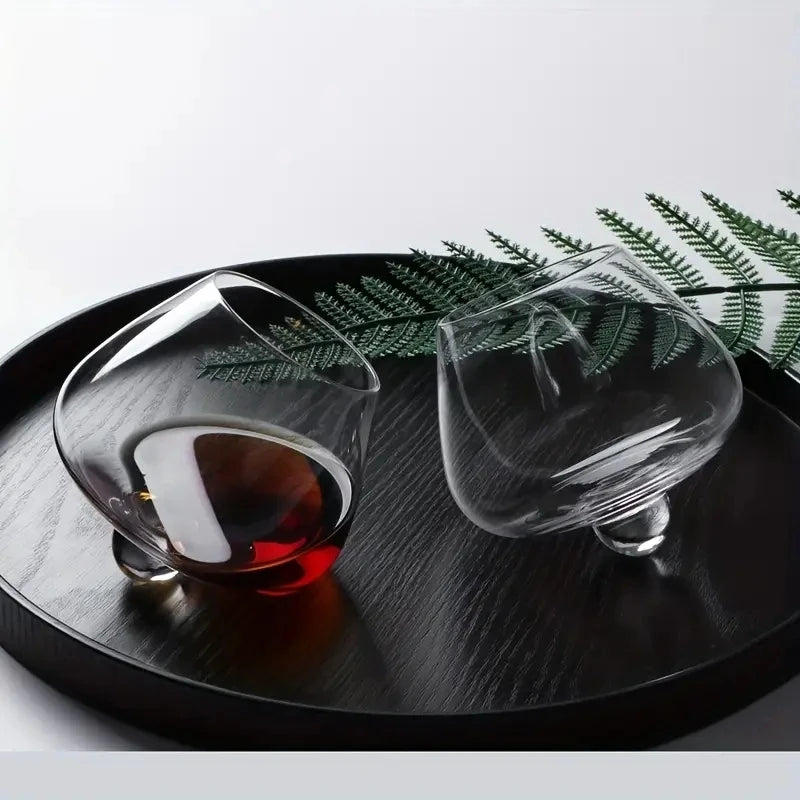

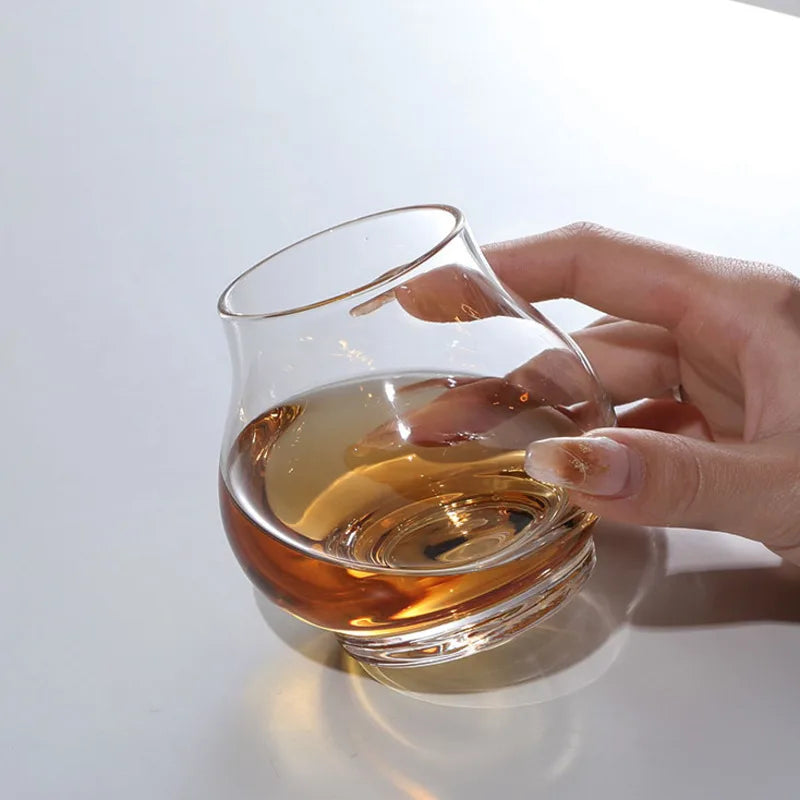
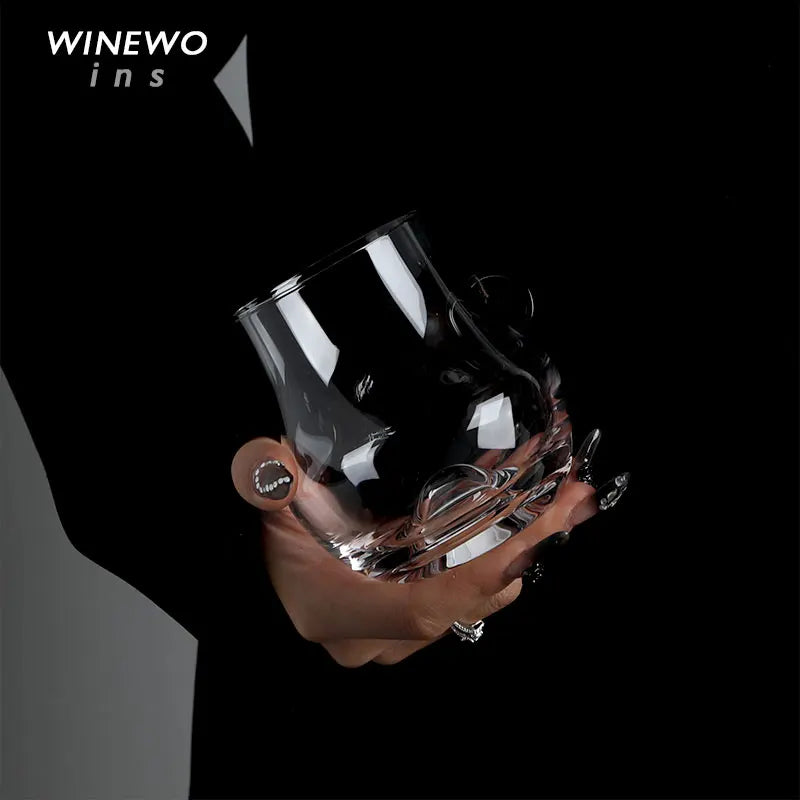
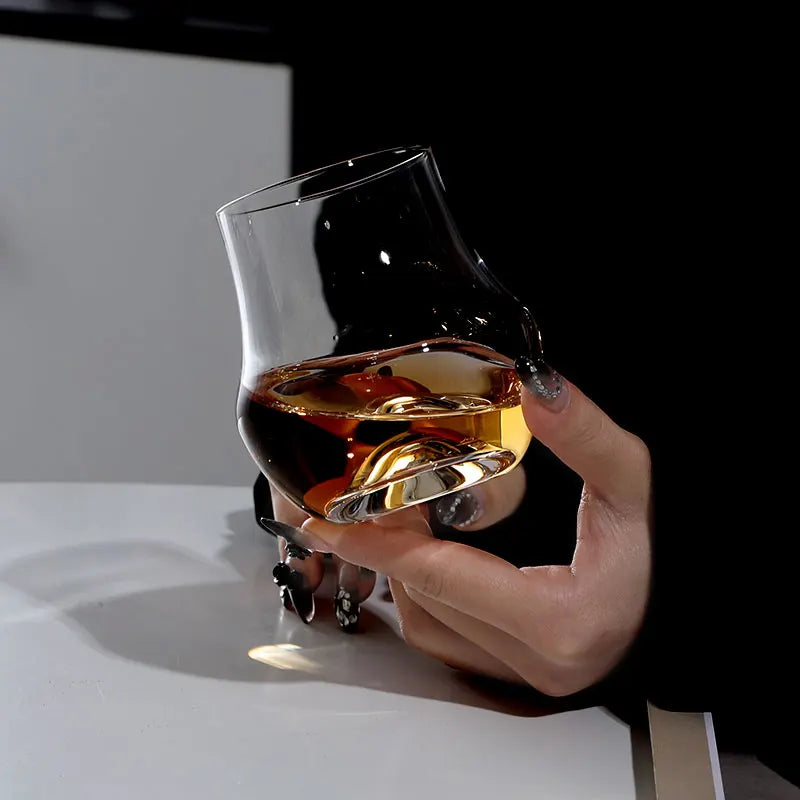
3 colors available
Cognac glass
Cognac glass: balloon, tulip, or tumbler? A guide to choosing the right one
A cognac glass concentrates the aromas of a spirit with a minimum alcohol content of 40%. Without the proper shape, only the ethanol is perceived. With the right glass, the fruity, woody, and spicy nuances emerge.
Balloon, tulip, tumbler, ISO glass: each shape has its purpose and transforms the tasting experience. This guide from Limonadier reviews glass shapes, materials, ranges, and leading brands. Whether you're looking for the perfect glass to enjoy an XO as an after-dinner drink, a tumbler for your cognac cocktails, or a gift set, you'll find everything you need here.
The four shapes of cognac glasses
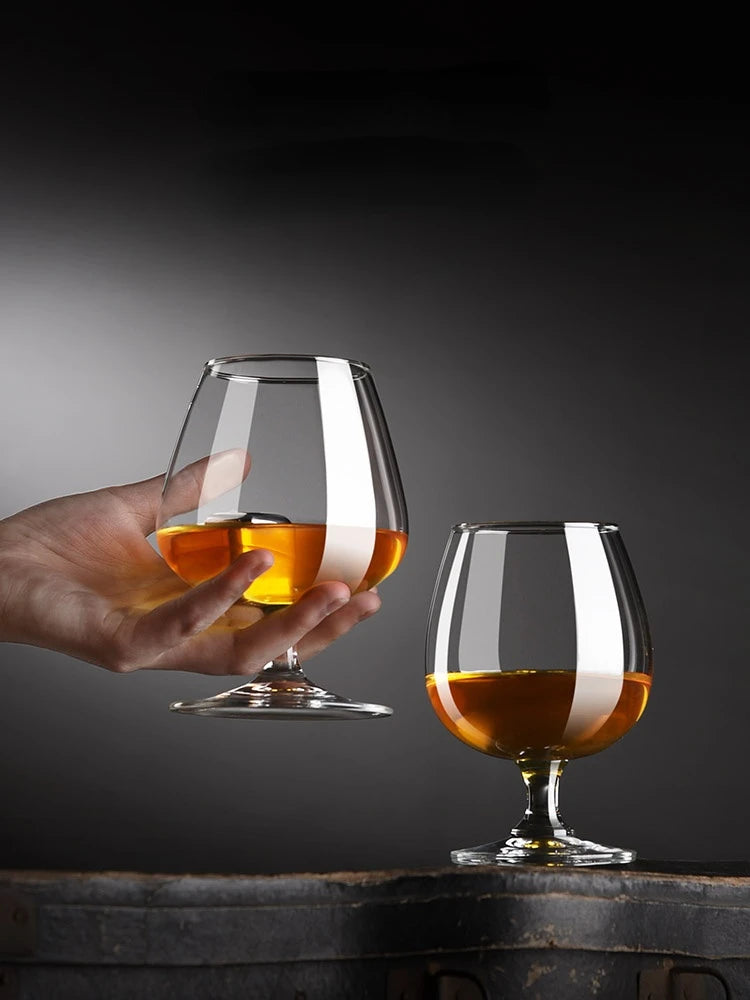
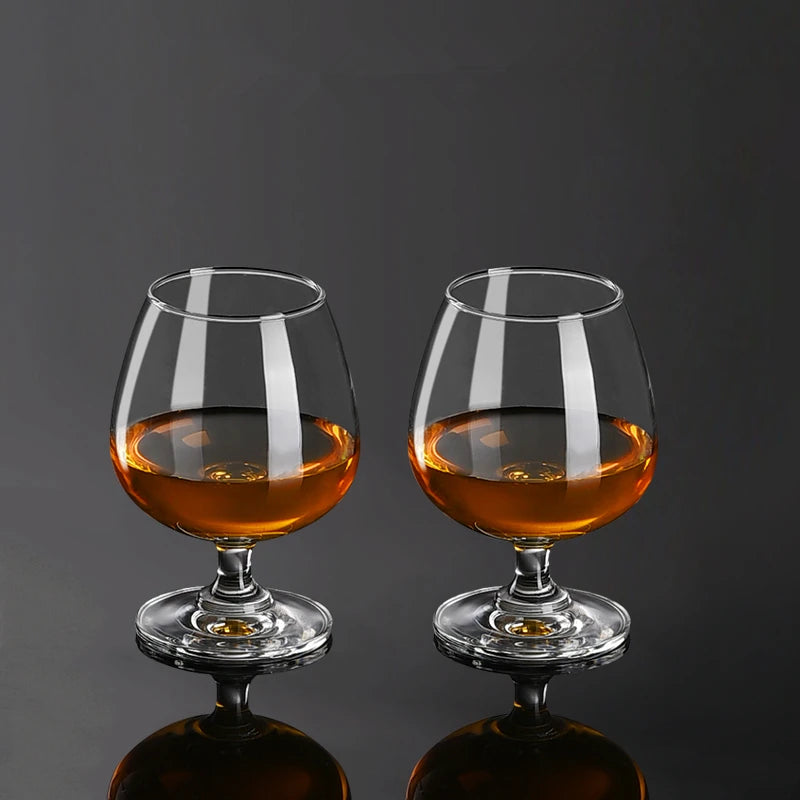
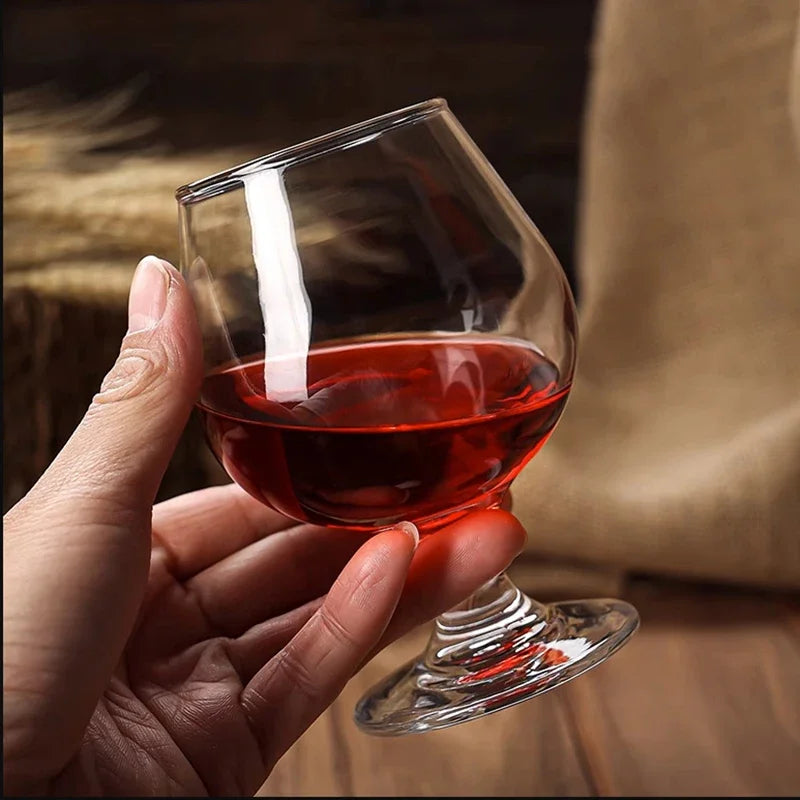
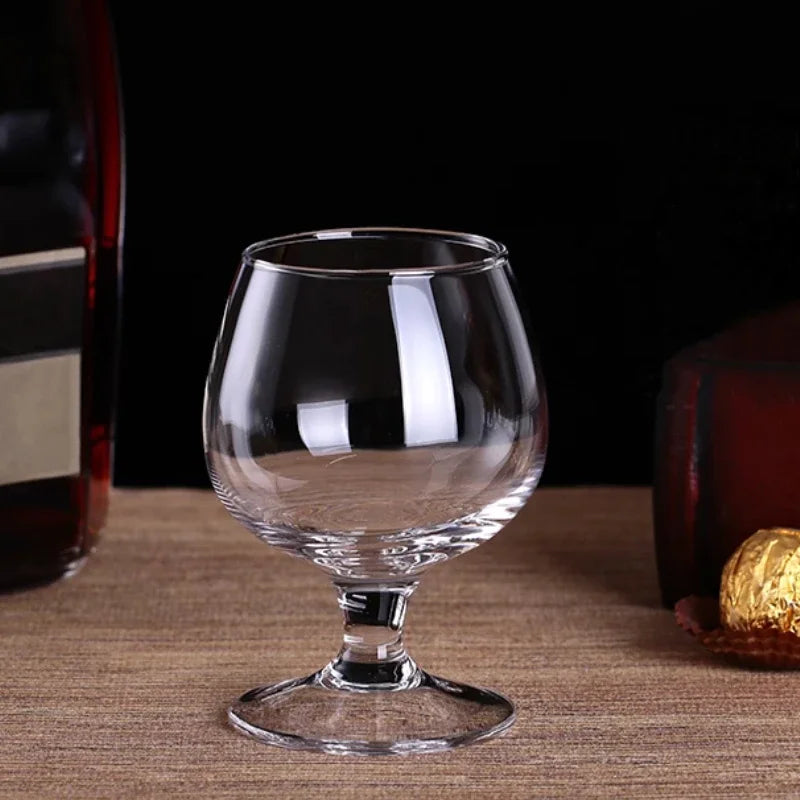
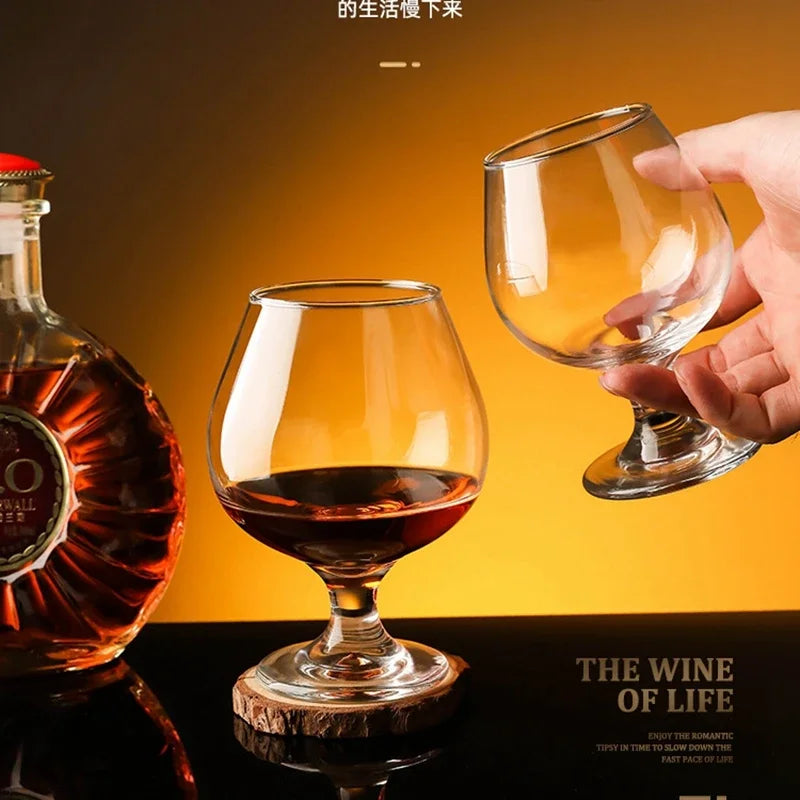
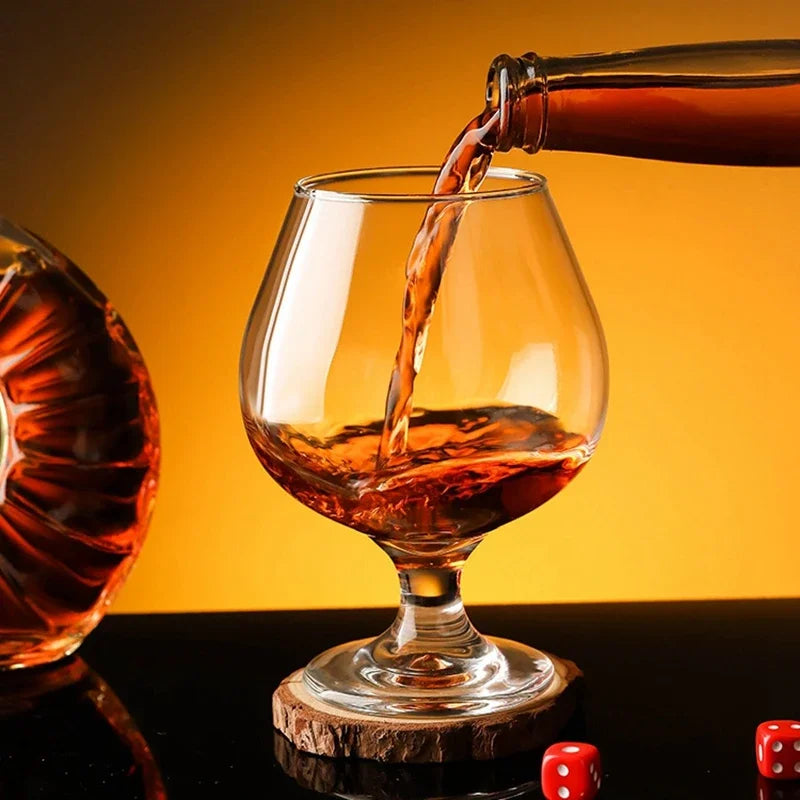
The ball
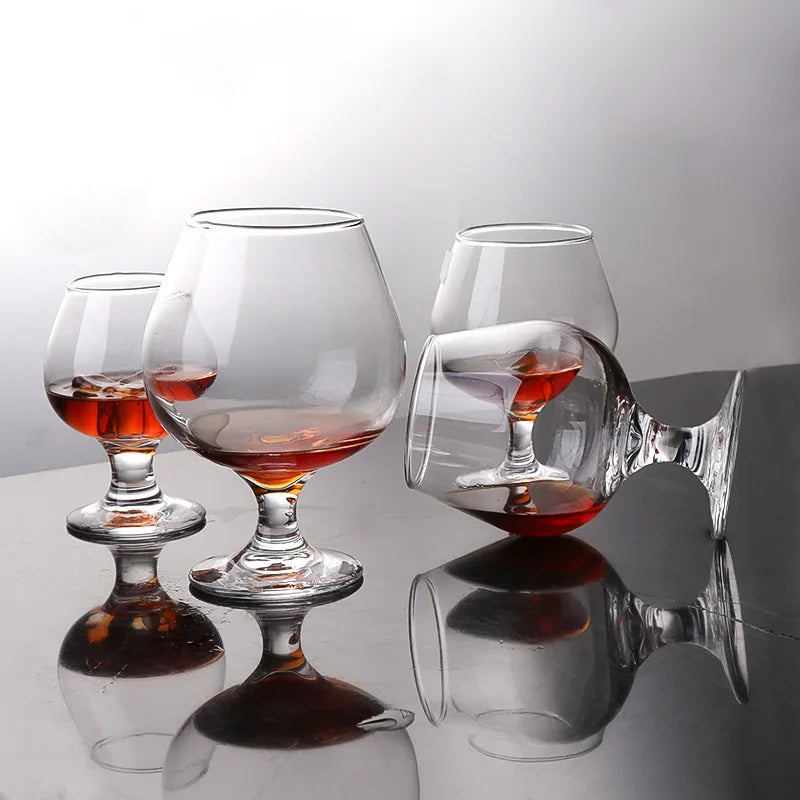
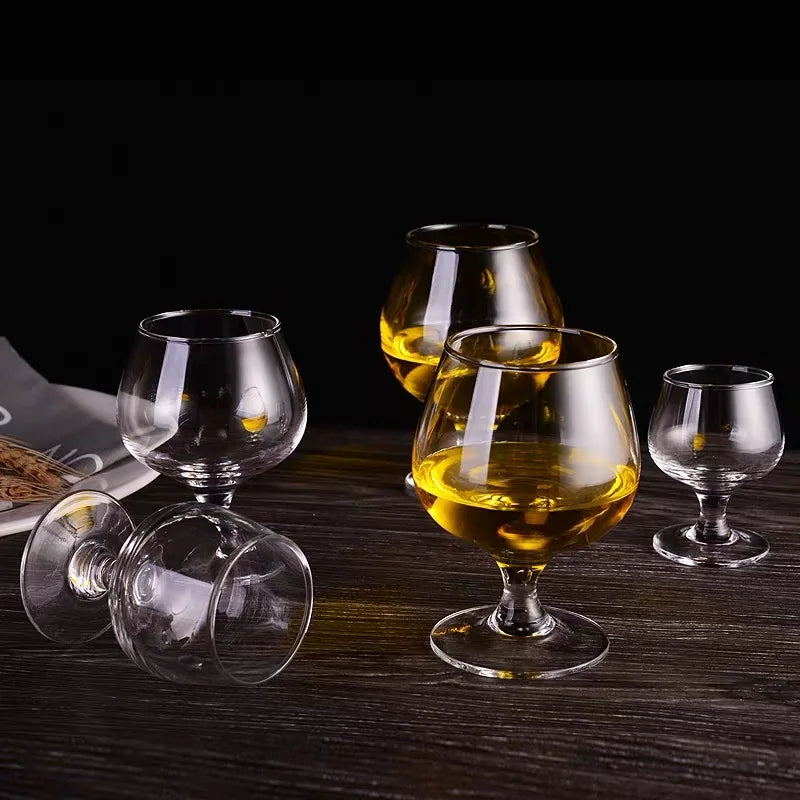
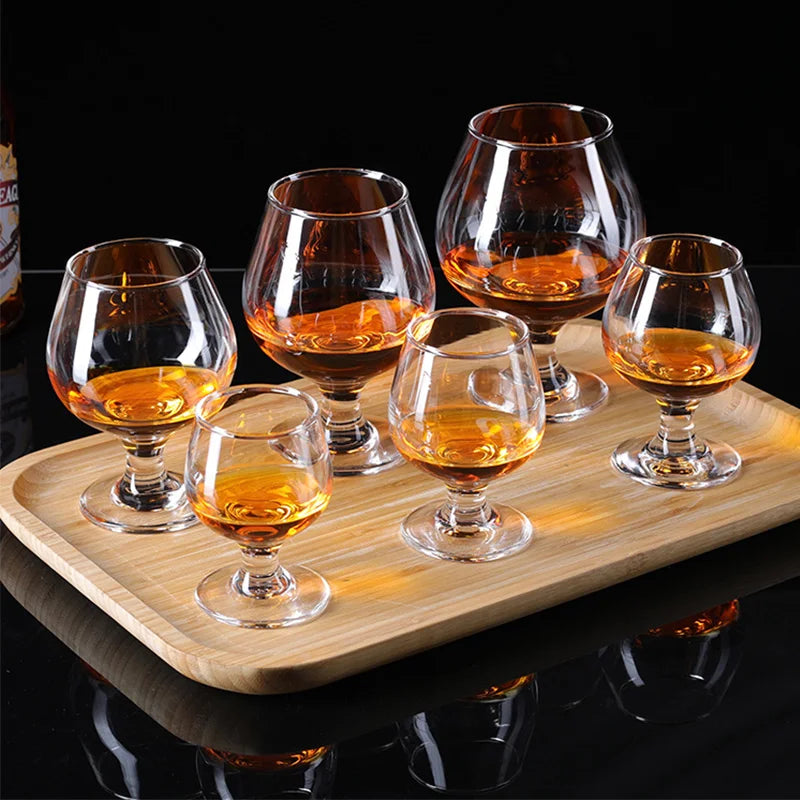
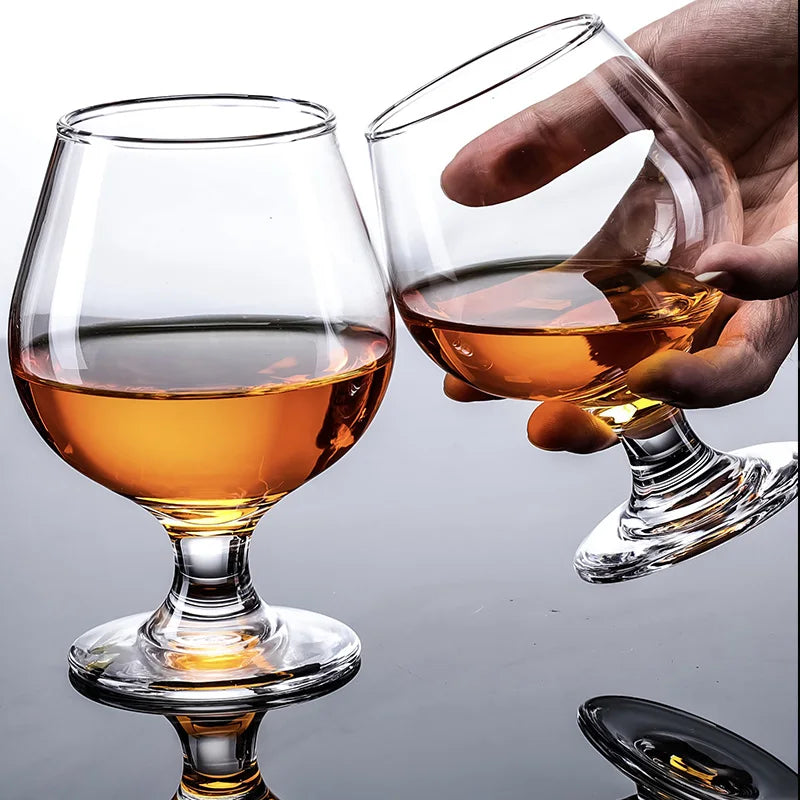
The classic. A short stem, a wide, rounded bowl, narrowing at the neck. You hold it in the palm of your hand: the warmth of your palms gently warms the cognac and releases its aromas. This is the shape associated with cognac worldwide. Movies, hotel bars, cigar clubs: the balloon is everywhere.
Its capacity ranges from 25 to 40 cl, but only 3 to 5 cl are poured. It needs space to oxygenate.
The problem with the balloon: its wide opening allows the aromas to dissipate too quickly. And holding it by the chalice warms the spirit beyond the ideal temperature, bringing out the ethanol vapors instead of the delicate flavors. The cellar masters at Martell and Rémy Martin say it's a legacy, not the best tasting tool. Expect to pay €15-45.
The tulip
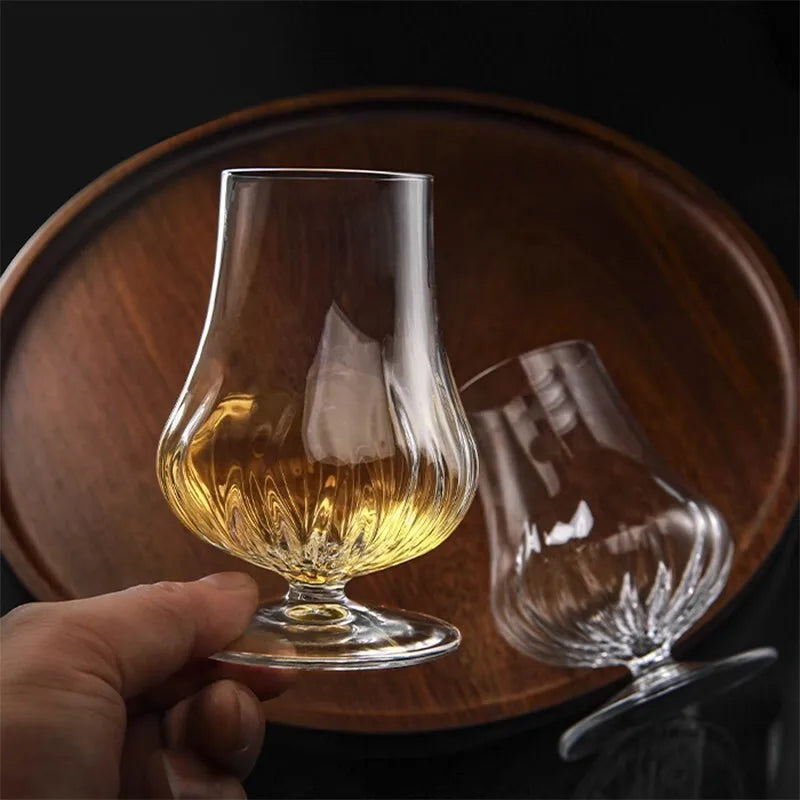
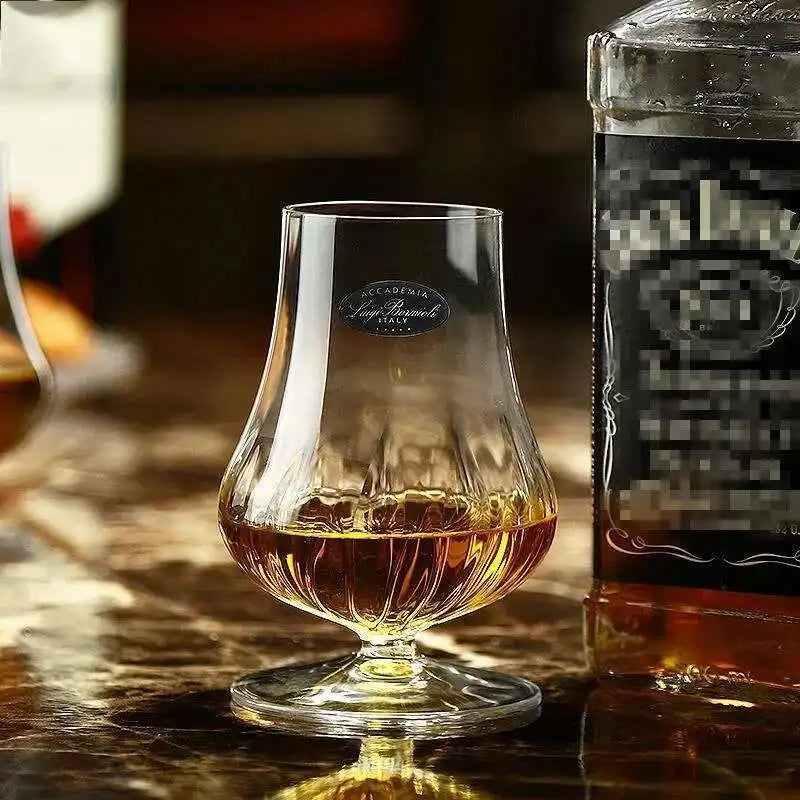
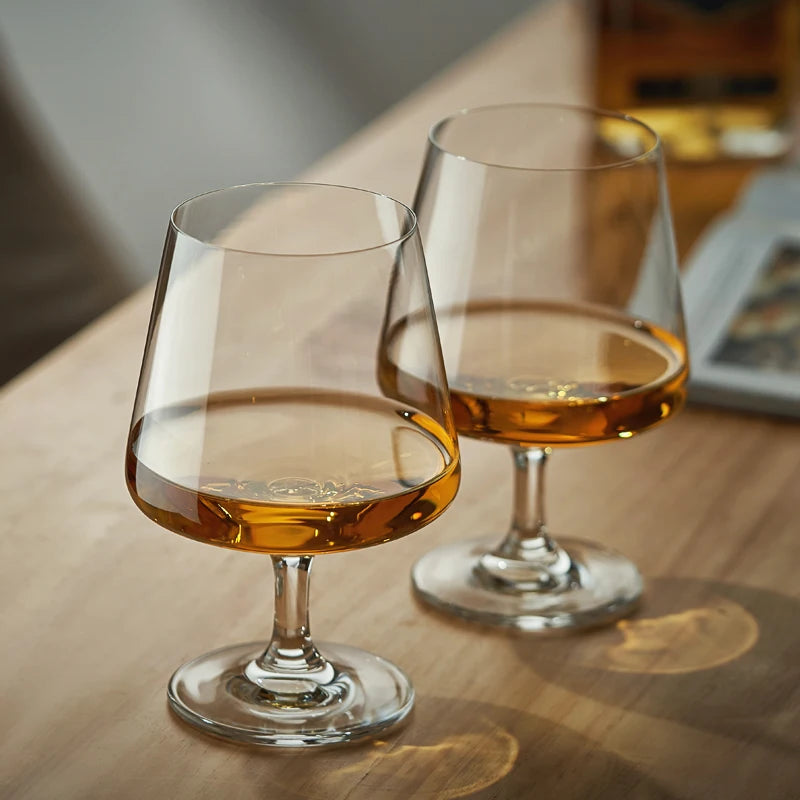
The professional's choice. Wide base to oxygenate the cognac, narrow neck to concentrate the aromas towards the nose. It's held by the stem, not the bowl.
Cellar masters use it daily. Baptiste Loiseau at Rémy Martin and Christophe Valtaud at Martell both work with tulip-shaped bottles. This shape channels the fruity and floral nuances, while the ethanol vapors remain trapped in the center of the calyx.
The tulip-shaped cognac glass is available in a standard version and a hurricane version (wider, for younger cognacs). Capacity: 15 to 25 cl. This is the glass Limonadier recommends. Between €20 and €60 depending on the material.
The tumbler
Short, thick-bottomed, footless. Designed for cocktails and cognac on the rocks. Its wide opening and capacity (18 to 30 cl) allow for the addition of ice cubes, crushed ice, or a splash of tonic.
You can prepare an Old Fashioned, a Cognac Tonic, or a French Connection in it. The thick walls keep things cold for a long time.
For an analytical tasting of an old cognac, a tumbler isn't suitable: too much openness, not enough aromatic concentration. Around €10-30.
ISO glass (INAO)
The international standard. Created in the 1970s by the International Organization for Standardization, it is used by wine and spirits professionals worldwide. Small in size (21 cl), elongated and tapering at the neck.
Its shape was designed for neutral sensory analysis: it neither enhances nor masks any aroma. It's the tool used in competitions, sommelier exams, and technical tastings at the BNIC (Bureau National Interprofessionnel du Cognac). Unassuming on a table, but remarkably effective for comparing two cognacs. Between €5 and €15 each, available in sets of 6.
Which glass for which cognac?
Not all cognacs are tasted in the same way. Age changes everything.
A VS (at least 2 years old) is lively, with pronounced fruit notes and a marked alcohol presence. It stands up well to chilling and ice cubes. A tumbler or a chilled tulip glass is suitable.
A VSOP (4 to 8 years old) gains in roundness. Vanilla, dried fruit, and spices develop. The single tulip-shaped label concentrates these nuances without letting the ethanol dominate.
An XO (aged over 10 years) is complex and subtle. Each sip reveals new layers. A thin-walled bottle, held by the stem, is ideal. Its transparency also allows you to observe the amber color, the tears, and the reflections.
An XXO (over 14 years old) or Hors d'Âge requires even greater finesse. Martell's cellar master recommends a Sauvignon Blanc-style white wine glass for these exceptional cognacs. Its tall, narrow shape enhances the most delicate nuances.
| Classification | Minimum age | Recommended glass | Temperature |
|---|---|---|---|
| VS | 2 years | Tumbler or tulip | Cool (14-16 °C) |
| VSOP | 4 years | Simple Tulip | Room temperature (18-20 °C) |
| XO | 10 years | Tulip made of thin material | Room temperature (18-20 °C) |
| XXO / Out of Age | 14 years old | White wine glass | Room temperature (18-20 °C) |
Cognac, Armagnac, Brandy: all the same glass?
Cognac is a brandy (a grape-based spirit), but not all brandies are cognac. It comes from the Cognac region in the Charentes, distilled twice in a Charentais still. Armagnac comes from Gascony, distilled only once. Both are aged in oak barrels.
For serving, the tulip glass is suitable for both. It is also used for calvados, grappa, and whisky .
The difference lies in the context. A young, rustic Armagnac can be served with a wide neck. A Fine Champagne Cognac (a blend of Grande and Petite Champagne, the first and second crus of the vineyard) deserves a narrower neck to capture its floral nuances.
What material?
The standard glass (soda-lime glass) is the most common. Sturdy and affordable, it's the staple of bar glassware in France. For everyday use or in restaurants, it does the job.
Lead-free lenses combine clarity and strength. They are more transparent than standard lenses and feel thinner to the touch. The current trend: buyers prefer them to lead lenses for their practicality and health benefits.
Lead crystal offers the best transparency and the purest sound. However, it is fragile, and lead can leach into alcohol stored for extended periods in a decanter. For occasional use, where the decanter is filled and emptied within an hour, the risk is negligible.
How to taste a cognac
The tasting follows four stages.
- The eye. Hold the glass up to a light source. The color ranges from straw yellow (young) to deep mahogany (old). Swirl it: the "tears" that run slowly indicate a rich and concentrated product.
- The first sniff. Bring it within 10 cm of your nose, without putting it directly in. The top aromas will appear: fresh fruit, flowers, citrus. If you only smell ethanol, move it away or let it rest for a few minutes.
- The second nose. Bring it closer. The heart is revealed: vanilla, dried fruit, spices, wood. This is where the shape makes all the difference. A well-defined flared bowl concentrates these nuances, a too-wide balloon disperses them.
- The mouth. A small sip. Let the cognac coat the tongue. The flavors unfold in layers: first the sweetness, then the spices, and finally the lingering finish. A grand cru from Grande Champagne can remain on the palate for several minutes.
Ideal temperature: 18-20°C. Do not warm the chalice in your hands unless it has just come from a cold room. Too much heat releases the vapors and masks the flavors.
Before enjoying it, you need to know how much Cognac to pour into a glass. Our study , "How Much Cognac Should You Pour into a Glass?", explains it all!
Care of cognac glasses
| Material | Dishwasher | Precaution |
|---|---|---|
| Standard glass | Yes | Normal program |
| Crystalline (Tritan, Krysta) | Yes | Delicate program recommended |
| Lead crystal | No | Hand wash only |
Hand washing is preferred, using warm water and mild soap. Dishwashers can leave limescale deposits that make the surface cloudy. Dry immediately with a microfiber cloth: dried streaks are the enemy of transparency.
Tip: Once a quarter, rinse your glasses with a few drops of white vinegar while they're still warm. The vinegar dissolves limescale and restores their shine. For storage, keep them in their original box or on a shelf away from cooking odors. The material absorbs ambient smells, which can affect the next time you drink them.
What budget?
| Range | Price | Brands | For whom |
|---|---|---|---|
| Entry-level | 5-15 € | Arcoroc, Luminarc | Everyday use, bars |
| Mid-range | 15-35 € | Chef & Sommelier, Spiegelau, Cristal d’Arques | Amateurs, gifts |
| High-end | €35-70 | Riedel Vinum, Lehmann Glass, Luigi Bormioli | Connoisseurs |
| Prestige | €70-150+ | Zalto, Riedel Sommeliers, Baccarat | Collectors |
Sets of 4 or 6 pieces reduce the unit price. For a gift, a set of 2 crystal tulips between €25 and €40 is a sure bet: the experience is completely transformed. Delivery is often free for orders over €50 from specialist shops.
Brands to know
Arcoroc : entry-level, French-made (Arc group, glassworks founded in 1825 in Arques). The staple product of breweries in France. Sturdy and neutral.
Chef & Sommelier : mid-range from the same Arc group. Cristallin Krysta, good value for money.
Riedel Vinum Cognac : the premium benchmark. Tulip shape developed with cellar masters. The mouth-blown Sommelier Collection takes it to the next level.
Lehmann Glass : French glassmaker acclaimed by wine professionals.
Luigi Bormioli : Made in Italy, shock resistant (Son.hyx technology).
In summary
For everyday use and cocktails, a thick tumbler will do the job. For enjoying a VSOP or XO cognac, a crystal tulip glass is the best choice. For a gift or a beautiful collector's item, a high-end gift set will make a statement.

Discover our news in preview
Newsletter
Subscribe to our newsletter and enjoy 10% off