
Tulip glass: Answers to all your questions
Discover the tulip glass: its shape, capacity, and use for beer and spirits. Learn pouring techniques, differences from other glasses, care, and engraving. A guide from Limonadier to optimize your tastings.
What is a tulip glass?
A short-stemmed glass with a rounded, balloon-like body that narrows towards the top. This narrow opening traps the aromas of cognac, whisky, or aged spirits and directs them towards the nose. Depending on the occasion, allow 15 to 25 cl for spirits and 25 to 50 cl for beer.
The principle is simple. The wide body of the glass allows room for the liquid to swirl and release its aromatic compounds. The narrow neck prevents these aromas from escaping too quickly. In practice, this allows you to perceive notes that a straight glass never reveals.
For cognac, aim for a tulip-shaped glass of 140 to 170 ml. This leaves enough space above the glass for the aromas to circulate. The short stem also has its purpose: it keeps the glass stable without your hand warming the contents.

What is the capacity of a tulip glass?
From 15 cl to 50 cl depending on the use. For beer: 25 cl (half-pint) or 50 cl (pint). For spirits: between 15 and 19 cl. The air/liquid ratio matters: never fill beyond two-thirds full, otherwise the aromas won't have room to develop.
The Cabernet Tulipe range from Chef & Sommelier perfectly illustrates this diversity: 19 cl and 25 cl for whites and rosés, 35 cl in a versatile format, 47 cl for reds, and 58 cl for grand cru wines that require aeration. Each size is designed for a specific use.
The air-to-liquid ratio is key. In a 19 cl glass, don't exceed 12 cl of spirits. In a 50 cl glass for beer, pour up to 40 cl to maintain 2-3 cm of head. The empty space above the liquid is where the aromas concentrate before reaching your nose.

What are the three types of glass?
Soda-lime glass (90% of global production, including most entry-level tulip glasses), Krysta-type crystal (used by Chef & Sommelier for its high-end tulip glasses), and tempered glass (five times stronger). The choice of material affects the glass's shape and the perception of aromas.
Soda-lime glass is the everyday glass. Composed of silica (72%), soda ash (13%), and lime (5%), it is easy to work with and inexpensive. Most tulip-shaped glasses under €5 each are made from this material. Its limitation: it doesn't withstand temperature variations above 80-90°C well.
Crystalline lenses (like the Krysta from Chef & Sommelier) incorporate metallic oxides that refine the rim and increase transparency. A thinner rim provides a more delicate contact with the lips, altering the tasting experience. Tempered lenses, on the other hand, undergo a heat treatment that makes them four to six times more resistant. If broken, they shatter into small, blunt pieces rather than sharp shards.
Is a tulip glass better than a flute?
For enjoying champagne, yes. The tulip glass allows the aromas to develop thanks to its wider opening, whereas the flute confines them. The Union of Champagne Houses recommends it, and most sommeliers have adopted it for tasting.
Let's be honest, the flute is primarily a visual experience. The rising column of bubbles is spectacular, but the aroma is underwhelming. The narrow opening prevents the complex aromas of the champagne from fully expressing themselves.
The tulip-shaped champagne glass retains the effervescence while allowing the wine to breathe. The bubbles rise, the aromas circulate, and you perceive floral or brioche notes that a flute would never reveal. When I served champagne in the cellar, I would invite customers to compare the two glasses side by side. Same vintage, same temperature. The difference in aromas surprised everyone. For a quick toast, the flute does the job. To appreciate a good vintage, use the tulip glass.

What wine goes in a tulip glass?
First, champagne and sparkling wines; this is where the tulip glass makes the biggest difference compared to the flute. Then, young reds with firm tannins (Bordeaux, Madiran). And aromatic whites like Sauvignon Blanc, for which the dedicated glass is precisely tulip-shaped.
With champagne, the tulip glass makes all the difference. The larger surface area in contact with the air reveals the brioche or floral notes that the flute masks. The bubbles rise more slowly, and the perlage is finer. This is why prestige cuvées are increasingly enjoyed in a tulip glass rather than a flute.
With a young red wine with firm tannins (a 3-year-old Saint-Émilion, a Madiran), the tulip-shaped glass's flared bowl allows oxygen to soften the structure, then the neck focuses the dark fruit aromas towards the nose. The Sauvignon Blanc glass adopts this same tapered tulip shape to concentrate the citrus and boxwood aromas. The same principle applies: trapping volatile compounds where the nose can detect them.

What is the ideal glass for drinking rosé wine?
A stemmed glass holding 350 to 400 ml with a slightly wider opening. A 35 cl tulip glass, like the one used for Chef & Sommelier's Cabernet Tulip, works very well (it's actually designed for white and rosé wines). The key is to have enough space for aeration, but not so much that the fruity aromas are lost.
Rosé is best served between 8 and 12°C. The stem of a tulip-shaped wine glass insulates the wine from the heat of your hand; a stemless glass will warm it up in just a few minutes. Serve 12 to 15 cl in a 35 cl glass: the liquid needs space above it to breathe, but not too much to preserve its aromatic concentration.
A 6-7 cm diameter opening works well. Wide enough to capture the floral notes of a rosé from Provence, yet narrow enough to prevent them from dispersing. If you're looking for a versatile glass that also works for white wines and champagnes, the tulip shape is the best compromise. One shape for three uses.
What type of beer is served in a tulip glass?
Aromatic blonde beers: IPAs, abbey beers, Belgian ales. The rounded body allows complex aromas to develop, and the narrow neck retains the foam while directing the aromas towards the nose.
In practical terms, any beer rich in hops or spices benefits from being served in a tulip glass. The wide bulb allows air to come into contact with the liquid, which releases the fruity esters of an American IPA or the coriander notes of a Belgian Witbier.
Beers with an alcohol content between 6 and 10% benefit the most. The raised base serves a practical purpose: it insulates the glass from your hand to maintain a temperature between 8 and 12°C. A beer that warms up too quickly loses its aromas in just a few minutes.

What are tulip-shaped beer glasses used for?
It serves two purposes: trapping volatile compounds in the narrow neck (chimney effect) and forming a dense head that protects the beer from oxidation. The flared body creates a wide aeration surface at the bottom, while the neck acts as an aromatic lid at the top.
The narrow neck creates a chimney effect. Volatile compounds (floral hops, caramelized malts) remain trapped between the liquid and the opening instead of escaping into the air. In direct comparison with a straight glass, the difference in aroma is clear from the very first sip.
The other often-overlooked function: the head. The rounded shape creates a denser head, which acts as a natural lid. It blocks oxidation, retains carbonation, and preserves the hop oils. When I organized tastings in my cellar, I would demonstrate this in front of the customers: same beer, straight glass versus tulip glass. The result spoke for itself.

Why a tulip glass for beer?
Because the narrow neck directs aromas towards the nose, the bulb allows the liquid to aerate, and the flared rim maintains a stable head. Three functions in a single glass, designed for tasting beers.
The bottom bulb acts like an aerator. The beer comes into contact with the air, the aromatic compounds are released, and everything rises towards the narrow neck. That's where the magic happens: instead of smelling "like beer," you perceive notes of grapefruit in an IPA, banana in a Hefeweizen, or caramel in a Scotch Ale.
The tulip-shaped glass makes a difference in the way you drink beer . The flared rim directs the liquid towards the middle of your tongue, where your taste buds best perceive bitterness and complex flavors. A straight glass sends the beer anywhere. The tulip glass, on the other hand, hits the mark every time.

What is the best glass for drinking beer?
It depends on what you're drinking. The tulip glass is for aromatic beers (IPAs, Belgian ales, bières de garde). The Weizen glass is for wheat beers. The Nonic glass is for bar service. The Teku glass is for a universal glass. If you could only have one, choose the tulip glass.
The Teku was designed in Italy by craft beer specialists. Its wide base aerates hoppy beers, and its narrow neck concentrates everything towards the nose. It's the glass you use when you really want to analyze what you're drinking.
The Nonic is the classic English pub glass with the slight bulge halfway up. It's slip-resistant, withstands the demands of fast-paced service, and its 0.5L capacity is standard European sizes. As for serving temperatures: serve lagers between 6-8°C and ales between 10-12°C. It makes all the difference.
At Limonadier, our teams prefer to drink only from a wooden beer mug to stay true to the Viking spirit.

How do you pour beer into a tulip glass?
Tilt the glass at a 45° angle and pour slowly down the inside to minimize foaming. When the glass is two-thirds full, gradually straighten it. Finish with a vertical stream down the center to create a smooth, even neck of foam 2 to 3 cm high.
Hold the glass by the stem, not the body. The 45° angle allows the beer to slide down the curved side without creating turbulence. Pour two-thirds of it this way, gently, maintaining a steady flow.
Next, straighten the glass and pour the last third of the beer straight down into the center. This creates the head of foam. Aim for 2 to 3 cm: enough to protect the beer from oxidation, but not so much that it becomes undrinkable. A well-made head also keeps the beer at the right temperature for longer.

What is the difference between a tulip glass and a balloon glass?
The neck. The tulip-shaped bottle narrows towards the top to concentrate the aromas. The balloon-shaped bottle maintains a wide opening to allow the liquid to breathe. Tulip (25-35 cl) = champagne, aromatic white wines, tasting beers. Balloon (25-50 cl) = mature red wines, aged beers.
The tulip-shaped glass acts like a chimney. The body widens, then the neck narrows: the aromas rise and remain trapped near the opening. This is what gives it an intense aroma that you don't get in an open glass.
Conversely, a balloon glass allows the liquid to breathe fully. The wide opening accelerates the evaporation of strong alcohols, which softens aged spirits like cognac or armagnac. Choose based on what you're serving, not out of habit.

What is the best glass for enjoying a cognac?
The tulip glass. Its narrow neck channels aromas instead of dispersing them. Serve 15 to 40 ml maximum. The balloon glass, while still popular, is outdated: its wide opening allows subtle notes to escape.
With a tulip-shaped cognac glass holding 180 to 240 ml, you have enough room to swirl the cognac without spilling. The alcohol vapors are channeled through the narrow neck, allowing your nose to pick up the notes of vanilla, candied fruit, or wood that the balloon would have released.
Dosage: 15 to 25 ml for a VS or VSOP cognac, up to 40 ml for an XO, which has more developed aromas. No more. Cognac needs space above the liquid to fully express itself. It's advice I often repeated in the cellar: a customer who only half-fills their cognac glass misses half the aromas.

What is the difference between a Glencairn and a tulip glass?
The Glencairn is a variation of the tulip bottle, with a thick 3 cm base (instead of a slender stem) and a capacity of approximately 175 ml. The classic tulip bottle is more slender. Both have a narrower neck to concentrate the aromas; the main difference lies in the feel of the bottle.
The Glencairn whisky glass was designed specifically for whisky tasting. Its heavy base provides stability and insulates the liquid from the heat of your hand. The rim flares slightly at the opening to facilitate aroma analysis. It can now be found in almost every distillery in Scotland, Ireland, and Wales.
The traditional tulip whisky glass emphasizes elegance: a slender stem and a tall silhouette. It's suitable for a variety of drinks (beer, wine, spirits). Prices range from €8 to €20 depending on the crystal quality for both models.

What type of glass is best for enjoying aged rum?
The tulip or Warm glass (stemless, wide base). Both have a narrower rim to direct the aromas of vanilla, caramel, and spices towards the nose. Avoid straight-sided glasses: the aromas disperse and the woody notes go unnoticed.
The tulip glass remains the most reliable choice for rum . Its flared shape allows the rum to breathe, releasing the aromas developed during barrel aging. Vanilla, caramel, sweet spices—everything gradually emerges.
The Warm glass is an interesting alternative to a classic rum glass . Stemless, it fits in the palm of your hand. The warmth of your hand gently warms the rum, enhancing its aromas. Pour 2 to 3 cl, no more. Any more and the aroma will be overwhelmed, losing its nuances.

What is the difference between crystal and Kwarx?
Kwarx is a crystal technology developed by Chef & Sommelier (Arc Group). More resistant to impacts and scratches than traditional crystal, it ensures a uniform glass thickness to eliminate weak points. It has since evolved into Krysta, which is 30% more resistant.
Traditional crystal is fragile. Areas of uneven thickness create internal stresses, which is where the glass breaks. Kwarx solves this problem with a manufacturing process that ensures uniform thickness across the entire surface. Fewer points of breakage mean less breakage.
In practice, a Kwarx glass withstands repeated washing, contact with other glasses in the drainer, and temperature variations. It costs a little more, but it lasts for years, whereas a classic crystal glass often ends up chipped after a few months of daily use.
Can a tulip-shaped glass be put in the dishwasher?
Yes, provided you use the delicate cycle (45-50°C) and place the glasses in the top basket without them touching. However, for thin crystal or crystalline glasses, hand washing is still preferable. Do not use abrasive products.
The special glass program runs at 45-50°C with less powerful jets. Place the glasses in the upper basket and make sure they don't touch. The vibrations of the cycle are enough to cause them to bump against each other.
When handwashing, use lukewarm water (40°C max) and a mild dishwashing liquid. Be careful with high-end glassware with gold or silver finishes: the dishwasher will damage them after just a few washes. If you have invested in fine crystal, wash it by hand.

Tulip glass or INAO glass for a tasting?
The INAO bottle for technical tasting: standardized 46 mm opening, 22 cl capacity, calibrated shape for sommelier competitions and exams. The classic tulip bottle for enjoyable tasting, with a wider opening that facilitates aeration and makes the experience more convivial.
The INAO glass is standardized. It holds 22 cl, has a 46 mm opening, and a calibrated tulip shape. This is the glass used in competitions, sommelier exams, and professional tastings. Everyone tastes under the same conditions, making comparisons reliable.
The traditional tulip-shaped bottle is more flexible. With a capacity of 15 to 25 cl and a slightly wider opening, the wine breathes more, creating a more convivial experience. It's more suitable for a dinner party or a tasting with friends than the INAO bottle, which remains primarily a working tool.

Can a tulip-shaped glass be engraved?
Yes. 40-50 cl models (like the 47 cl Chef & Sommelier) are well-suited to laser engraving. Texts, logos, and custom designs produce a crisp and lasting result on crystal glass. Providers send a preview before starting production, with pricing that decreases with larger quantities.
Laser engraving provides millimeter-precise results. The glass retains its transparency; only the engraved areas become matte, creating an elegant contrast. It is the most widely used technique for personalization.
Place the engraving on the glass body, between 3 and 8 cm high. This is the most visible and stable area for the laser. Allow 5 to 15 days for delivery, depending on the complexity of the design and the order volume.
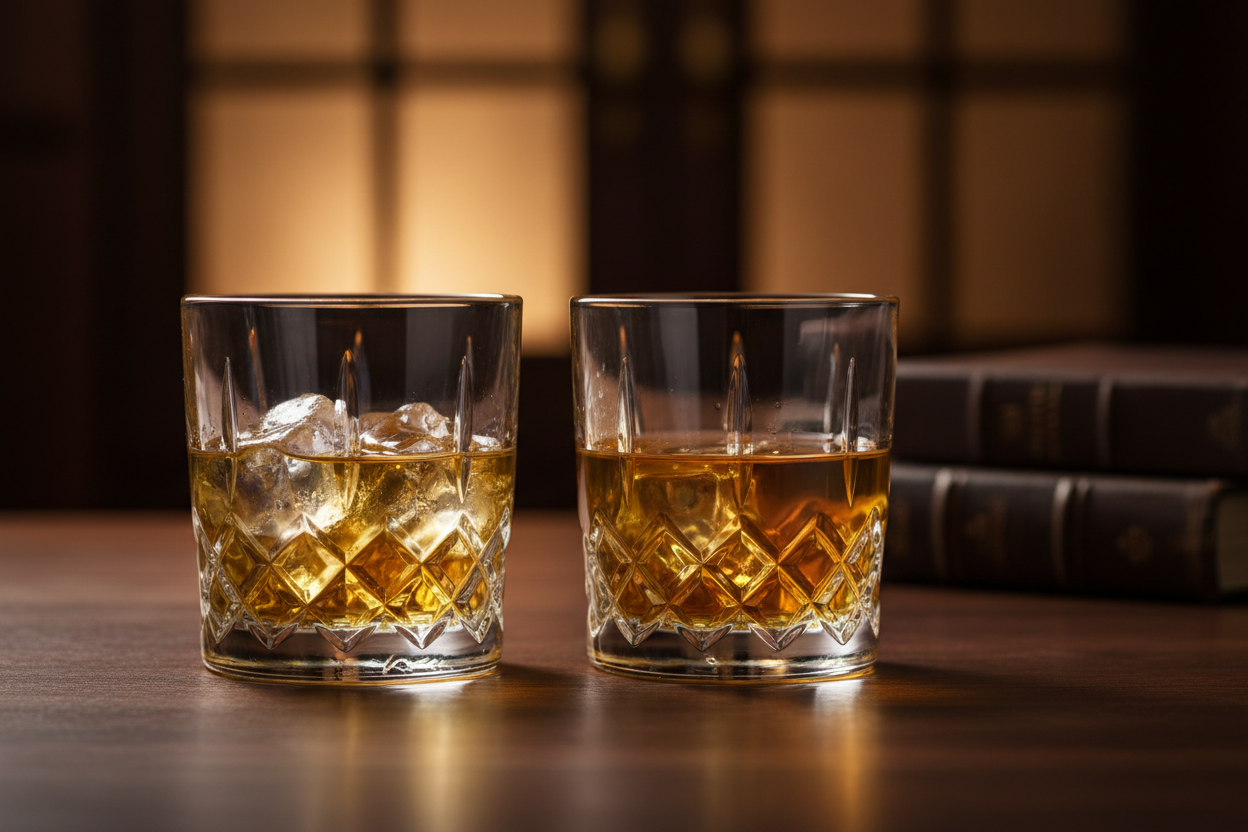
Example with this Macallan glass.

What is the difference between a tulip glass and a Teku glass?
The neck. The Teku opens wide (approximately 10 cm) to aerate complex beers. The tulip narrows (5-6 cm) to concentrate the aromas of light lagers. Two opposing approaches, two different results on the palate.
Both beer glasses share a rounded base that allows you to swirl the beer. But beyond that, they diverge. The Teku focuses on oxygenation: its wide opening releases the aromas of heavily hopped beers, such as IPAs or Double IPAs.
The tulip-shaped brew does the opposite. Its 5-6 cm neck creates a funnel that concentrates the aromas. This works well with blondes and light ales. For strong IPAs or heavily hopped Double IPAs, the Teku brew better releases the aromatic profile.
Key takeaways
The right glass makes all the difference. It's not marketing hype, it's physics. A tulip-shaped glass concentrates aromas, whereas a straight glass lets them escape. Find the right shape for what you're drinking, learn to pour properly, and take care of your glasses so they last. Quality glassware is a once-in-a-lifetime investment.
Benjamin, Sommelier-Consultant & Founder of Limonadier
Graduate sommelier-consultant and wine merchant, University of Wine of Suze-la-Rousse (2016). Over 5 years of experience in wine cellars advising clients and selecting wines. Founder of Limonadier since 2022, where every glass and accessory is chosen with a discerning eye.
Learn more: Click here


Leave a comment
This site is protected by hCaptcha and the hCaptcha Privacy Policy and Terms of Service apply.