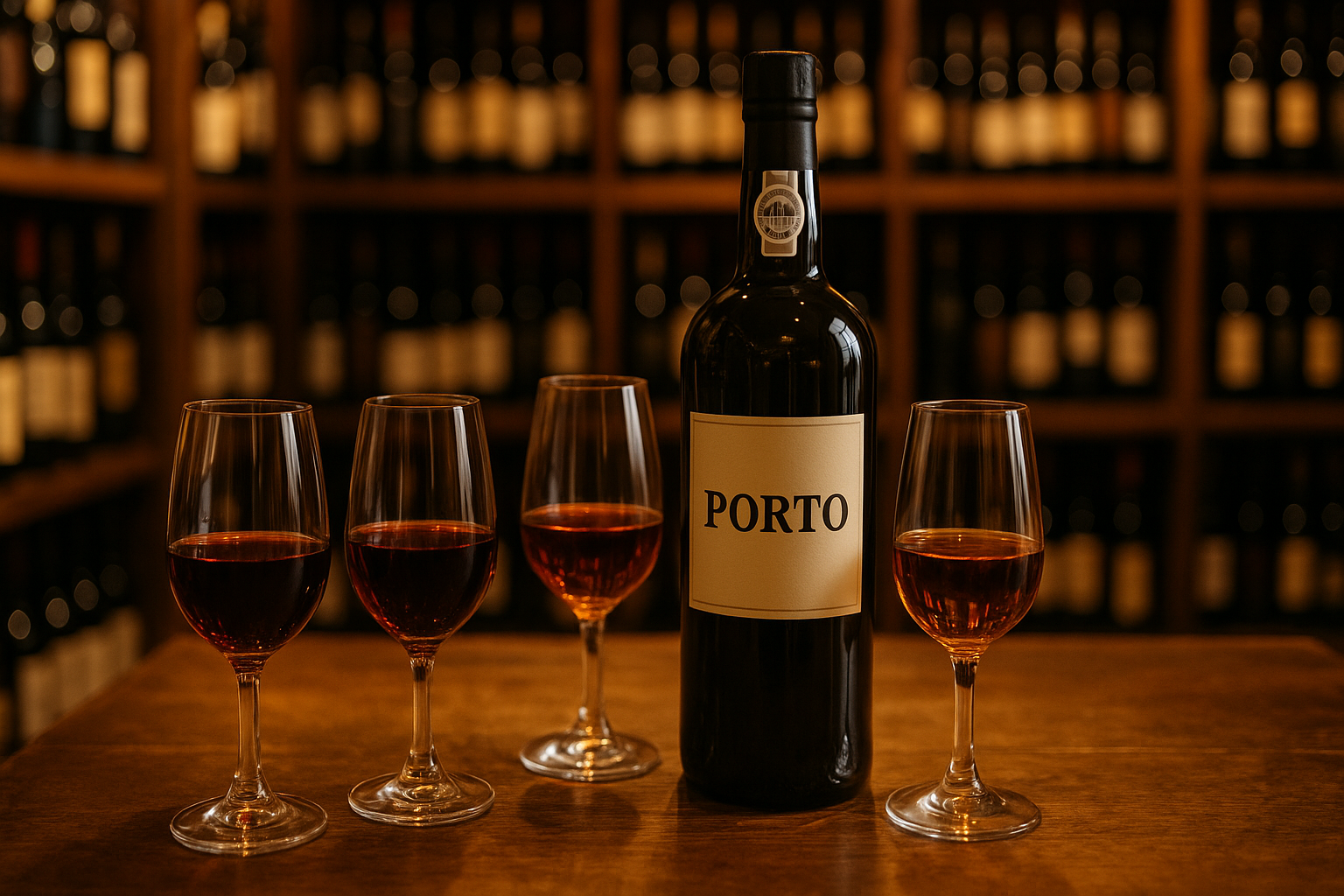
Why is the tulip glass ideal for enjoying port?

The use of a tulip glass for tasting port wine is nothing new. In fact, using a tulip-shaped glass to drink port wine amplifies each note and the richness of your port, enhancing your tasting experience. This glass shape is now the standard, used by sommeliers and oenologists alike for its ability to aid in the perception of port's aromas.
The tulip glass is certainly used by all professionals in the world of wines, whisky, spirits, but it is also a glass that is prized by amateurs for the same reasons.
What exactly is a tulip-shaped port glass?
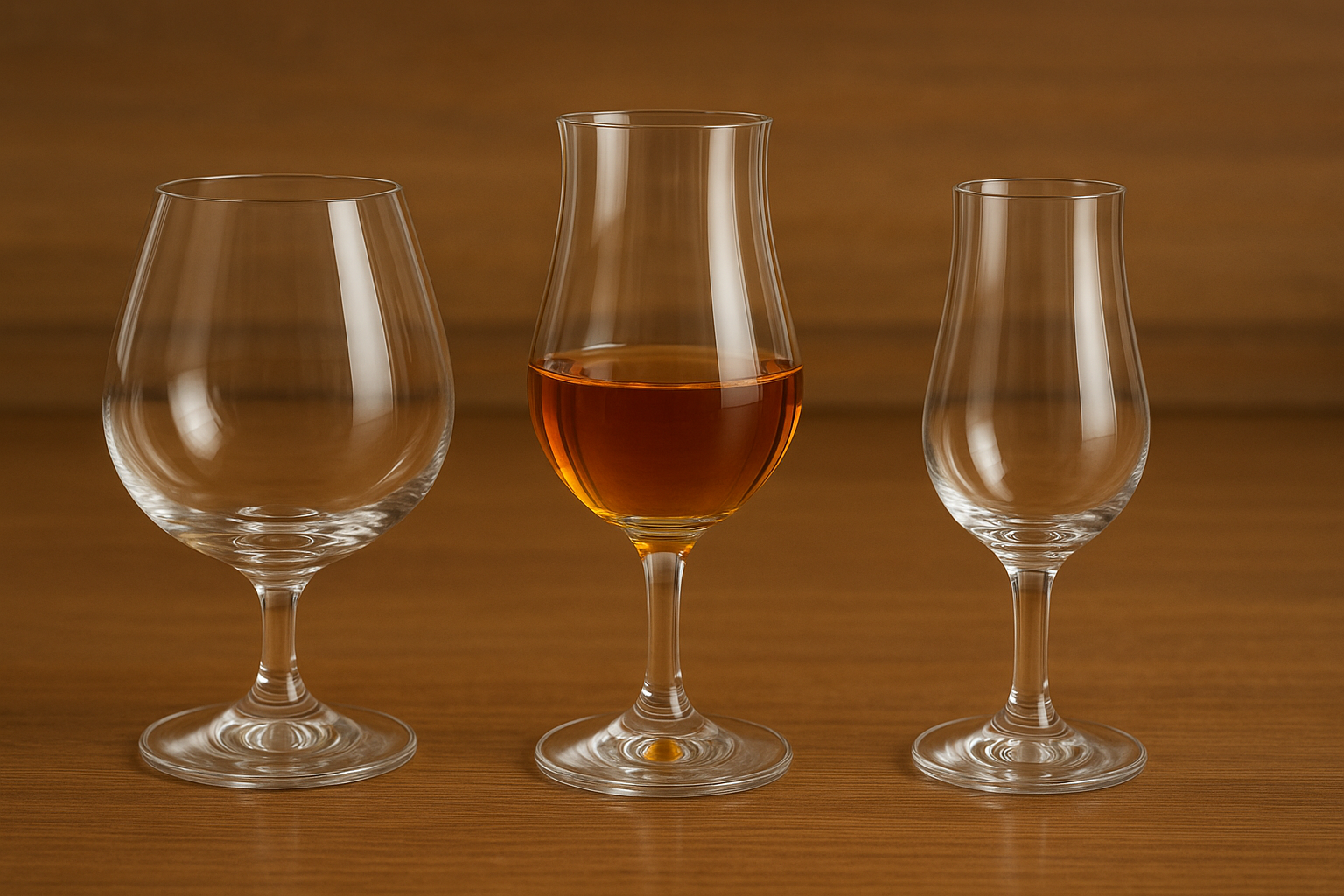
To enjoy port, you should use a tulip-shaped port glass . This tasting glass has a base that flares out about 6 to 7 cm in diameter. The bowl is rounded and tapers upwards. The neck gradually narrows to a small opening of 4 to 5 cm. This small opening allows the wine to fully express its rich aromas.
According to a study by the Wine Institute, the tulip glass increases the perception of aromas by 35% compared to a classic glass.
In the case of Port wine, the flared base allows the Port wine to breathe and oxygenate, while the small neck traps these aromas and directs them to the drinker's nose.

The essentials of the tulip glass
| Component | Standard size | Acceptable price range | Impact on tasting |
|---|---|---|---|
| Total height | 16 cm | 15-18 cm | Ergonomics and visual observation |
| Base diameter (calyx) | 6.5 cm | 6-7 cm | Optimal evaporation surface |
| Opening diameter | 4.5 cm | 4-5 cm | Maximum aromatic concentration |
| Usable capacity | 15 cl | 14-16 cl | Optimal serving size (6-8 cl poured) |
| Drinking thickness | 1 mm | 0.8-1.2 mm | Mouthfeel and elegance |
How a tulip glass captures the richness of your drink
Step 1: Evaporation of volatile compounds from the surface
When port is being poured into a tulip glass, the molecules containing the fruity, or light, aromas tend to evaporate easily at a temperature of 16 degrees Celsius. This evaporation occurs through the surface of the port wine, which is in contact with the air. This evaporation will continue as long as the port wine remains exposed to the air.
Step 2: Accumulation in the aromatic chamber
Once these aromas begin to evaporate, they will collect in the rounded chamber of the tulip glass. This rounded shape will keep them inside the glass and limit the dispersion of the aromas. According to a study by Limonadier, a tulip glass can hold 2.8 times more aromas than a classic whisky glass .
Step 4: Channeling to olfactory receptors
Once the glass's bowl contains all this aromatic richness, it will now direct it into the neck, which is shaped like a bottleneck. This opening will direct and orient all the notes of the aromatic palette to the drinker's nose when they bring the glass to their mouth.

Success factors identified:
The volume of port wine or other spirit poured into the tulip glass should be appropriate. If the glass is too full, it will only capture and concentrate a small amount of flavor.
What are the advantages of the tulip glass for tasting port?
Enhancement of primary aromas
Port wine typically boasts a rich aromatic profile, particularly fruity notes (cherry, raspberry, blackcurrant), especially in the case of Ruby Port. The tulip glass allows a small amount of Port wine to come into contact with the air, initially releasing these delicate, fruity aromas.
In-depth olfactory analysis
The tulip shape also helps in identifying the other components of a port wine's aromatic profile. Indeed, certain notes will rise more easily up the neck of the glass, making them easier to identify. These are the top notes, which are perceived first, followed by the middle notes. The more oxygenation develops, the more these notes will emerge and become readily identifiable.
Oxygenation control
Unlike glasses with a wide, open bowl, the tulip shape allows for controlled oxygenation. This prevents it from being too rapid and ensures it's just right. Indeed, a young Port shouldn't be overexposed to air. According to an American study, the tulip shape with a narrow neck allows for aeration 60% slower than with a classic rum glass .

optimal visual observation
To analyze a port wine, you must also examine its color, its appearance. This is done by observing the color, its intensity, and how it evolves while holding the glass slightly tilted. Streaks, called legs or tears, reveal the alcohol and sugar content of the port.
Ergonomics and temperature
The stem of a glass isn't just for decoration. In fact, its flared shape allows heat to dissipate towards the base of the glass, rather than into the beverage, which could alter its aromas. So, when enjoying your Port wine, remember to hold your glass by the base, not the bowl.
For which types of port is the tulip glass ideal?
Porto Ruby: the showcase of tulip glass
The Ruby port wine bottle contains explosive red fruit notes on the palate. It is typically the type of port best showcased in a tulip glass, as its aromas will fully develop upon contact with air and will be completely preserved within the glass.
Serving temperature: between 16 and 18 degrees.
LBV (Late Bottled Vintage) Port: Reveling Depth
LBV port wine is typically aged in tanks for six years. This allows its aromatic profile to develop. It is now very complex, containing notes of sweet spices and dark fruit. For a port of this profile, a tulip-shaped glass will best enhance its top notes.
Serving temperature: 18 degrees.
Summary
| Port bottle type | Serving temperature | Main benefit of tulip glasses | Adaptation score |
|---|---|---|---|
| Ruby / Ruby Reserve | 16-18°C | Concentration of fresh red berries | 95/100 |
| LBV | 16-18°C | Structured Complexity Revelation | 92/100 |
| Vintage young (<10 years old) | 16-18°C | Aromatic power piping | 88/100 |
| Pink | 6-10°C | Preserving delicate notes | 93/100 |
| dry white | 10-12°C | Exaltation of floral freshness | 90/100 |
| Tawny, 10-20 years old | 12-14°C | Limited (needs oxygenation) | 65/100 |
| Vintage item (over 20 years old) | 16-18°C | Not recommended (fragile aromas) | 45/100 |
What are the limitations of the tulip glass for certain port wines?

Oxidative ports: need for breathing space
Some Ports, aged from 10 to 40 years, require a large surface area of air in contact with the wine to fully develop their aromatic complexity. Tulip-shaped glasses, however, do not offer a sufficiently large surface area for aeration. In such cases, a balloon glass, also known as a cognac glass, is necessary, as it provides a greater surface area for aeration.
Alcohol concentration: sensation of heat
Port wines, which naturally contain an alcohol content of over 19%, are also unsuitable for tulip-shaped glasses. This is because the alcohol and ethanol vapors will develop and overpower the aromas.
Vintage old: aromatic fragility
Ports aged over 20 years possess a wonderful aromatic palette, composed of notes of leather, tobacco, undergrowth, and candied fruit. These are very fragile and sensitive notes. Temperature can cause them to disappear or be altered if the wine is too warm. Similarly, this collection of notes, confined within the tulip-shaped glass, can create a disharmonious and therefore undrinkable wine. This is rare, but unfortunately possible.
Practical constraints: height and storage
What we might forget when buying glasses, and which can quickly become a problem, is how to store them. Tulip-shaped glasses can be 18 cm tall and therefore take up a lot of space.
How to choose your tulip-shaped port glass in 2025?

| Range | Unit price | Features | Recommended use |
|---|---|---|---|
| Entry-level | 8-15€ price | Soda-lime glass, 1.5mm rim thickness, good transparency, dishwasher safe | Beginner, occasional use, large-scale events |
| Mid-range | €20-40 price | Lead-free crystal, 1-1.2mm rim diameter, superior brilliance, semi-handmade | Discerning amateur, regular use, serious tasting |
| High-end | €50-100 price | Mouth-blown crystal, rim <1mm, exceptional transparency, unique numbered piece | Collector, professional, premium services |
| Prestige | 100-250€+ price | Exceptional crystal (Baccarat, Saint-Louis), handcrafted engravings, limited editions | Collection, exceptional gifts, Michelin-starred establishments |
Conclusion: The tulip glass, a sustainable investment to enhance port wine.
Using tulip-shaped glasses to enjoy a bottle of port wine is essential to fully appreciate the aromatic richness that port wines offer. With 30 to 40% more flavor, all wine lovers and professionals should be talking about this.
Do you want to know more about Port wines?
Read our blog post on: Decanting or Just Letting Ports Breathe?


Leave a comment
This site is protected by hCaptcha and the hCaptcha Privacy Policy and Terms of Service apply.