The Lemonade Maker's Guide
A question that's rarely asked when buying a set of clear glassware. People will consider the price, the design, or the materials, but rarely the storage of the glasses. Should a port glass be stored upright on its stem or suspended? You might say this question also applies to champagne glasses, or even cocktail glasses.
Whether it's a crystal glass or a simple kitchen glass, it's important to carefully consider the protection and safety of your items to maximize their lifespan. Furthermore, improper storage can often mean a significant waste of space in your kitchen.
What are the two main methods for storing port glasses?

Standing: the traditional method
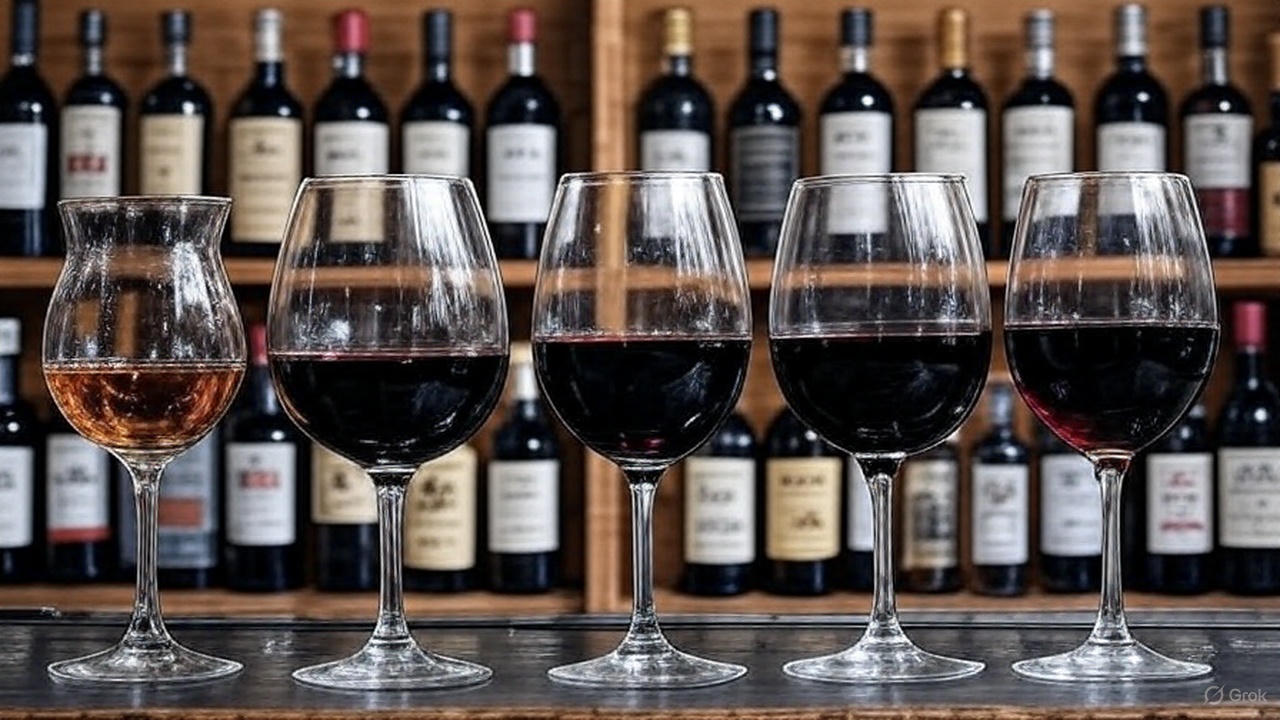
The classic method involves placing the clear glass on its stand or base; this is the normal position. Air easily penetrates the glass. Over time, a slight accumulation of dust may occur on the edges and inside of your product.
Advantages / disadvantages
- After washing your glasses, some moisture remains inside, even after drying. This can cause unpleasant musty odors. Storing them upright allows for better ventilation, preventing these problems.
- Your glass is available at any time for your use.
- This method is applicable to all glass formats (Champagne, wine, port, etc.), compatible with tulip glasses as well as cocktail glasses. And for all price ranges.
Suspended: the modern approach
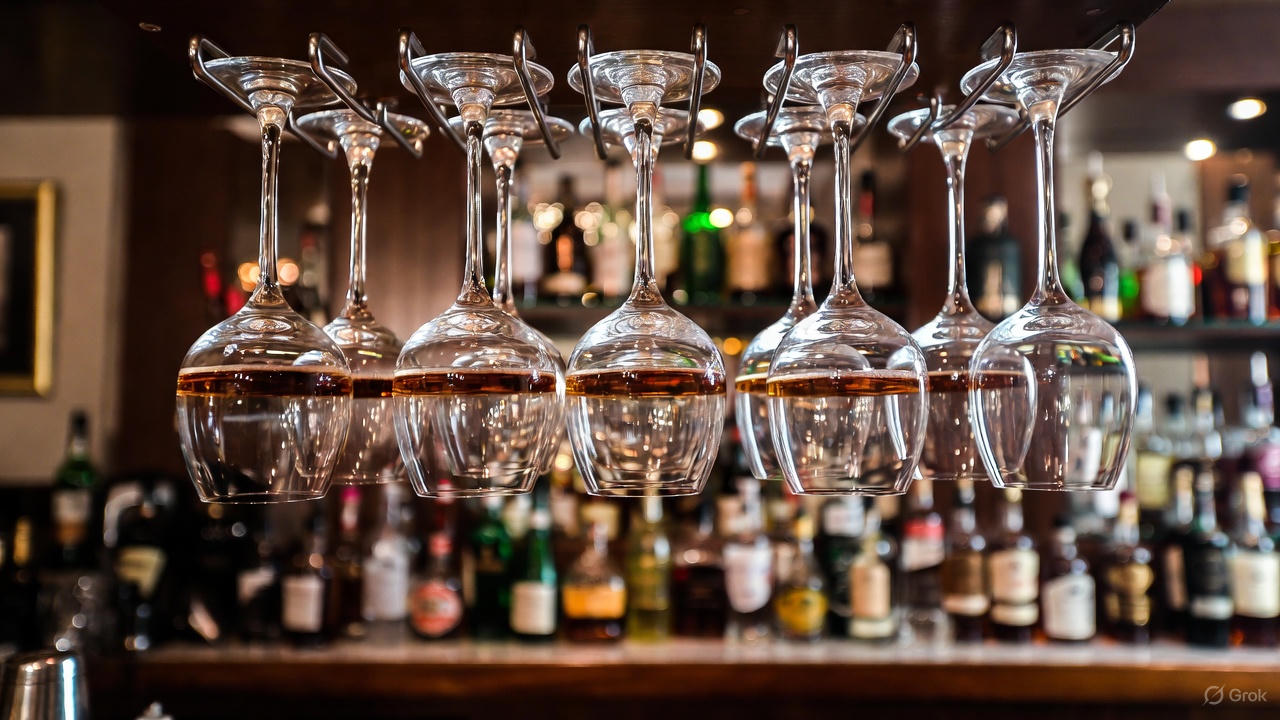
The most common method used by restaurant and bar professionals is to suspend the glass base in a rail or shelf designed for this purpose. With the inside of the glass facing downwards, air can easily circulate. The advantage of this method is that it is aesthetically pleasing and suitable for small spaces.
Advantages / disadvantages
- Space saving. Usually in a kitchen, only the bottom of a shelf is used. By using the top of the cabinet for the rail, 100% of the available space is utilized. ( Calculation: A 60 cm shelf can hold 6 glasses upright OR 10-12 hanging glasses. The horizontal surface area remains the same, but the capacity increases by 60-100%. An ideal solution for urban kitchens where every centimeter counts.)
- Your glasses are securely held in a rail, so you can reach out and grab them without risk of damaging the glassware. This is a very important advantage for a bar.
- One of the most important details is the easy visual organization. With this system, you can check your stock at a glance.
Which method should you choose based on your profile and lenses?

| Criteria | Stand up ⭐ | Suspended |
|---|---|---|
| Drinking bag protection | Excellent (no pressure) | Low (continuous pressure) |
| Cleanliness of the interior | Optimal (no deposit) | Mediocre (accumulation) |
| Space saving | Low (horizontal only) | Excellent (vertical +60-100%) |
| Accessibility | Average (depending on storage) | Excellent (fast setting) |
| Fine tableware (€30+) | ✅ Recommended | ❌ Not recommended |
| Standard robust glass | ✅ Perfect | ✅ Acceptable |
| daily (3+/week) | ✅ Good | ✅ Very good |
| occasional (1-2x/month) | ✅ Ideal | ⚠️ Problematic submission |
| Lens lifespan | Maximum (100%) | Reduced (-30 to -50%) |
| Installation cost | €0 (existing shelves) | €30-100 (quality rails) |
What are the myths?
Myth 1: "A suspended glass prevents dust from accumulating"
❌ False. It's exactly the opposite: dust accumulates IN the downward-facing calyx, directly exposed to descending airborne particles.
✅ Reality: The outside of the glass is less exposed, but the inside – the part in contact with the drink – is more contaminated.
Myth 2: "Standing deforms the foot"
❌ False. The base is specifically designed and sized to support the weight of the glass. No deformation is observed even after years.
✅ Reality: It is the suspension that deforms and weakens the drinking vessel.
Myth 3: "Professionals suspend play, so it's better that way"
⚠️ Nuanced. Bars and restaurants are suspending service for faster access during continuous service, not to optimize preservation.
Their high turnover (regular replacement of equipment) allows for accelerated wear and tear. Individuals who have invested in high-quality materials have different priorities: long-term preservation.
Common mistake: Hanging all the glasses indiscriminately
❌ Costly mistake. Applying the same method to Baccarat and cognac glasses compromises the investment in quality pieces.
✅ Solution: Sort according to value, fragility, and frequency of use. Adopt a mixed approach adapted to each type of lens.

Do you want to learn more about the world of Port wine?
Find a series of blog articles dedicated to Port wines:


Leave a comment
This site is protected by hCaptcha and the hCaptcha Privacy Policy and Terms of Service apply.