Sort by
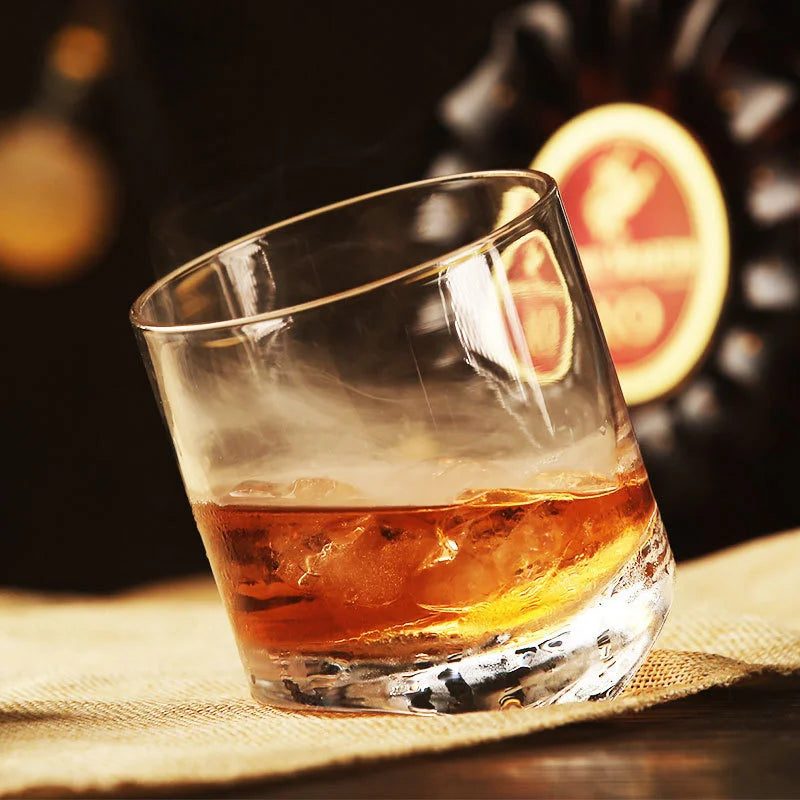
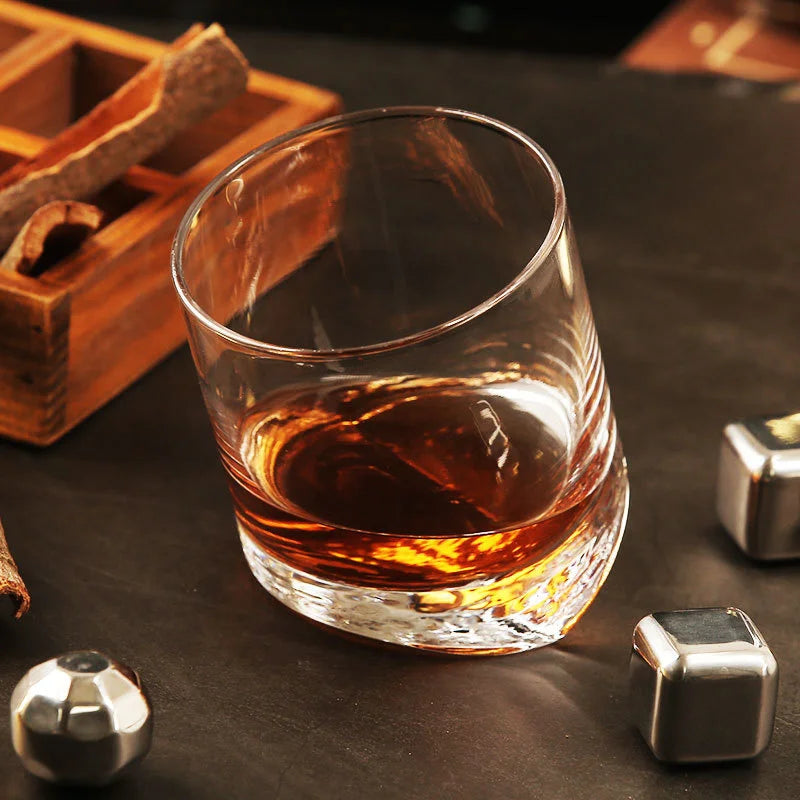
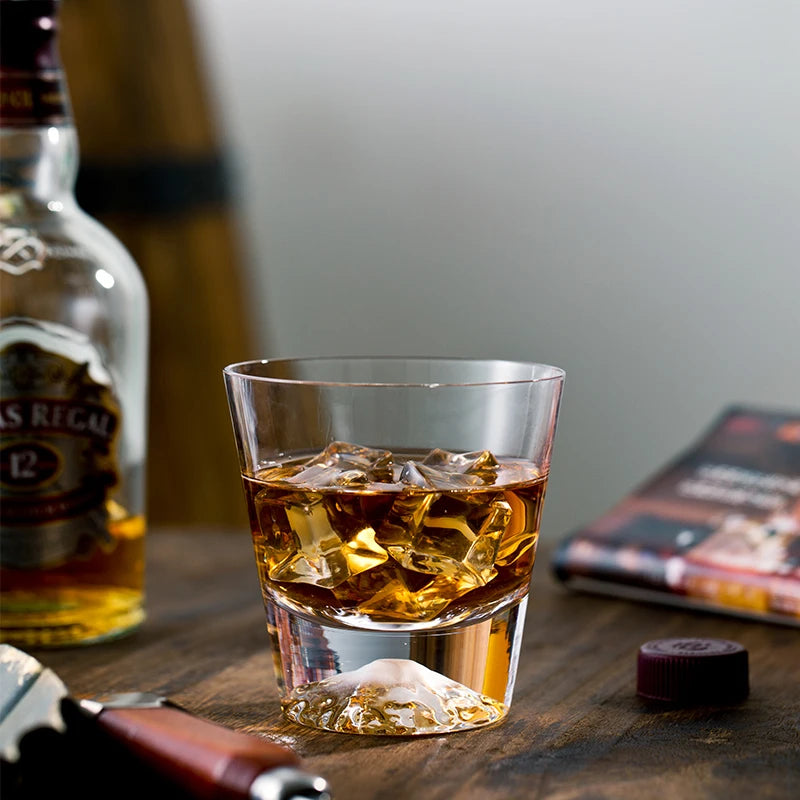
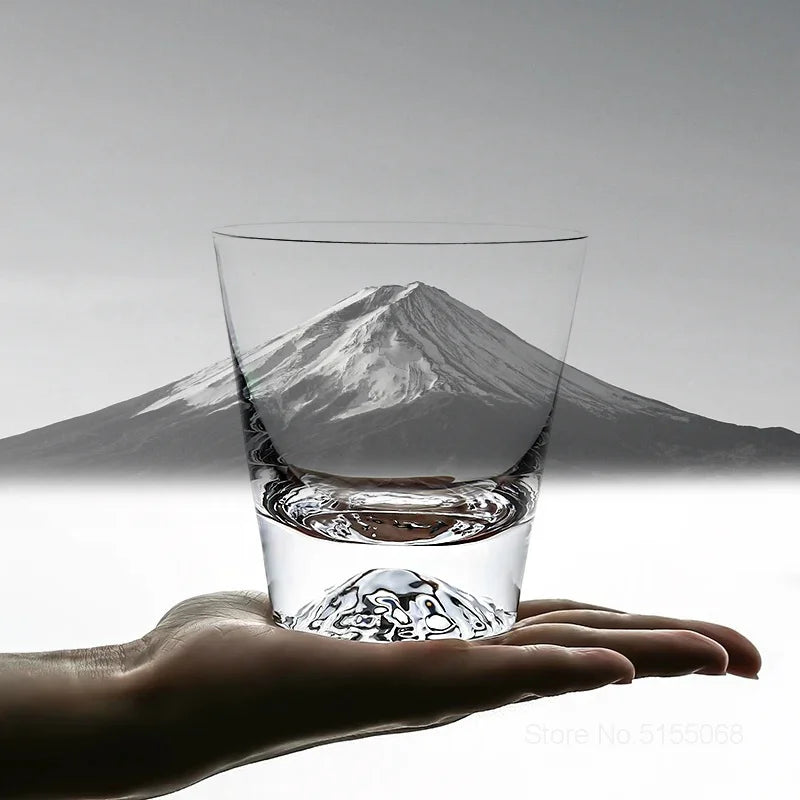
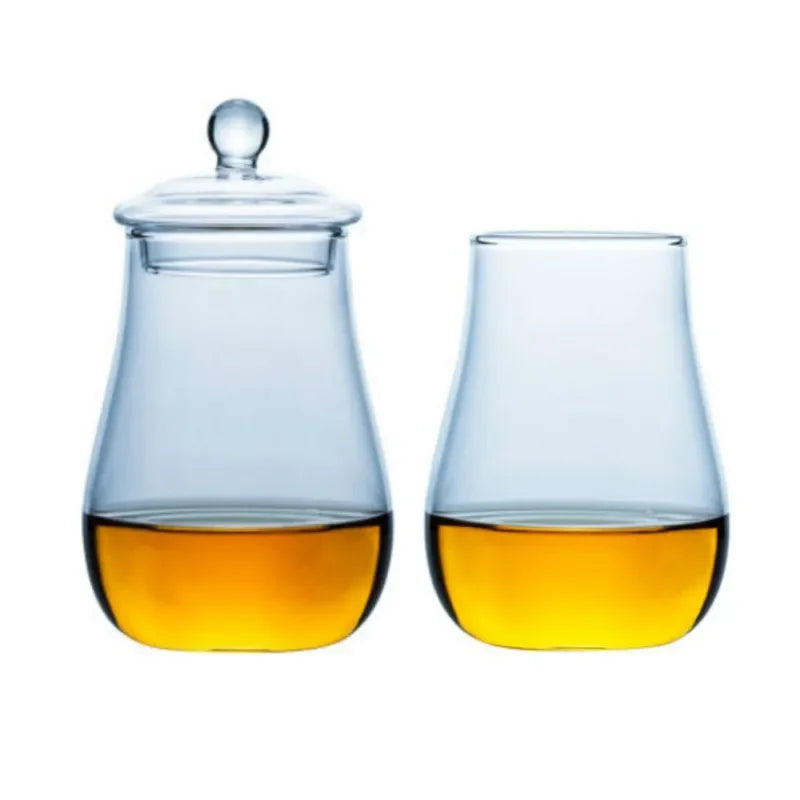
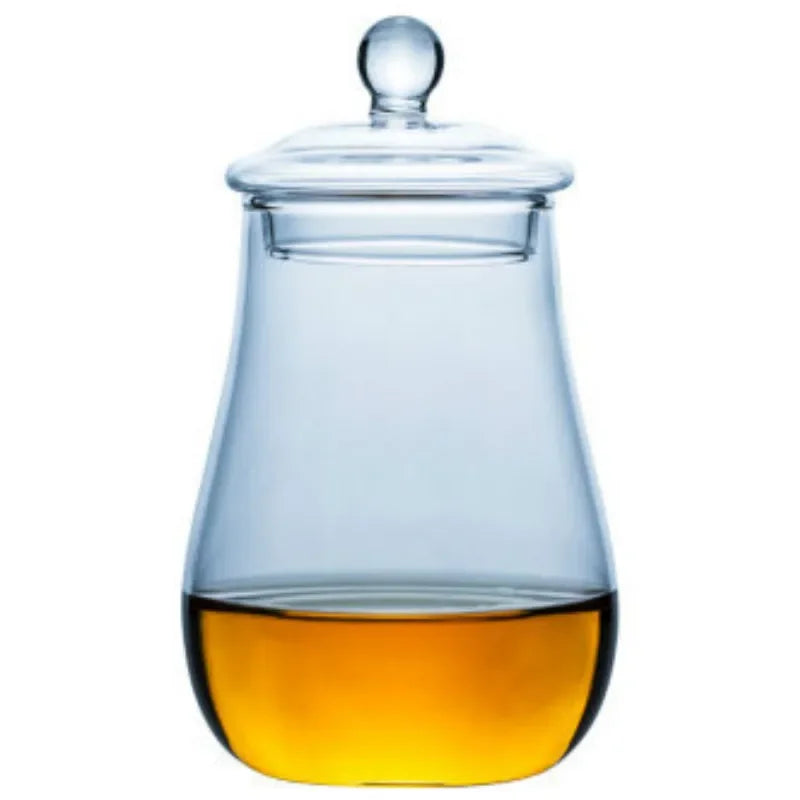
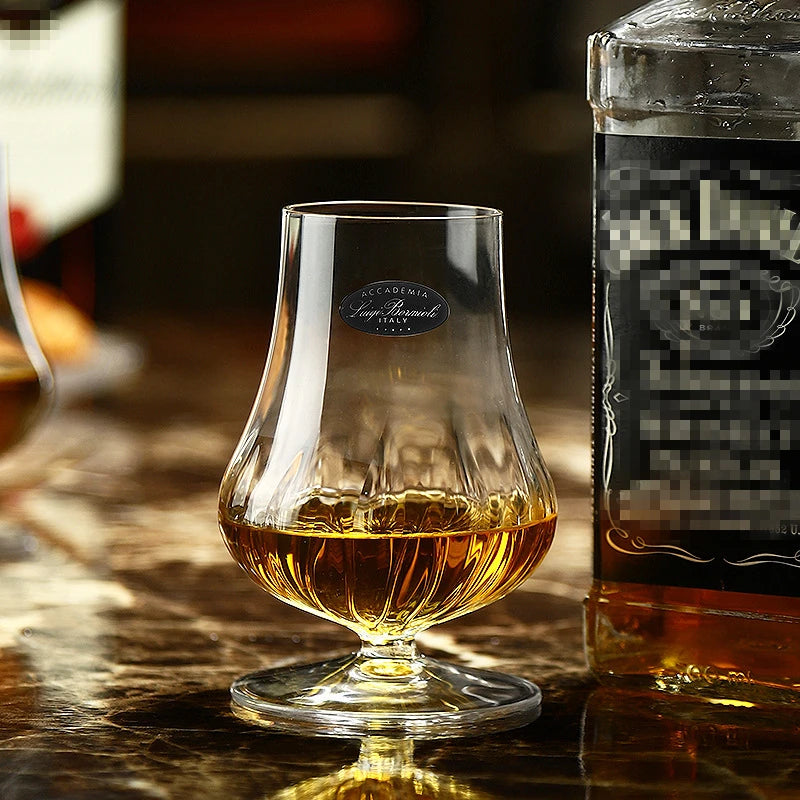
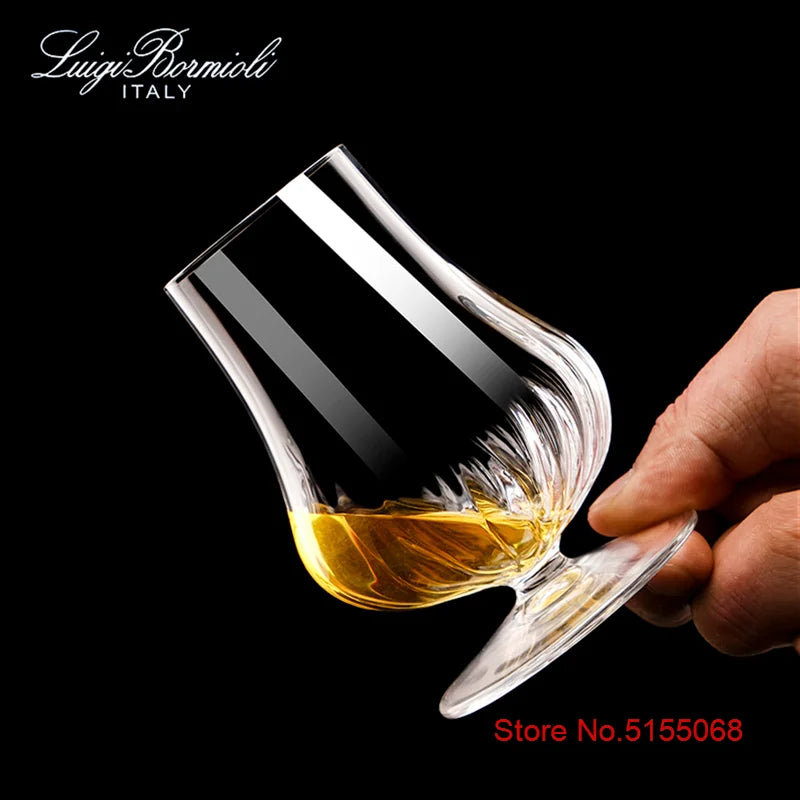
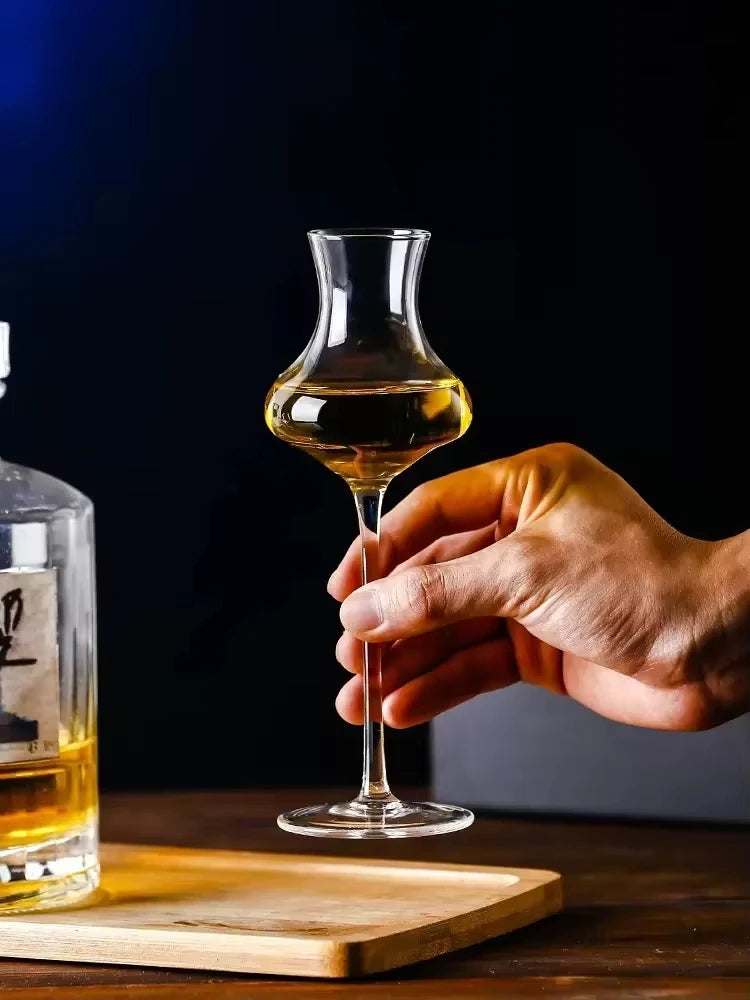
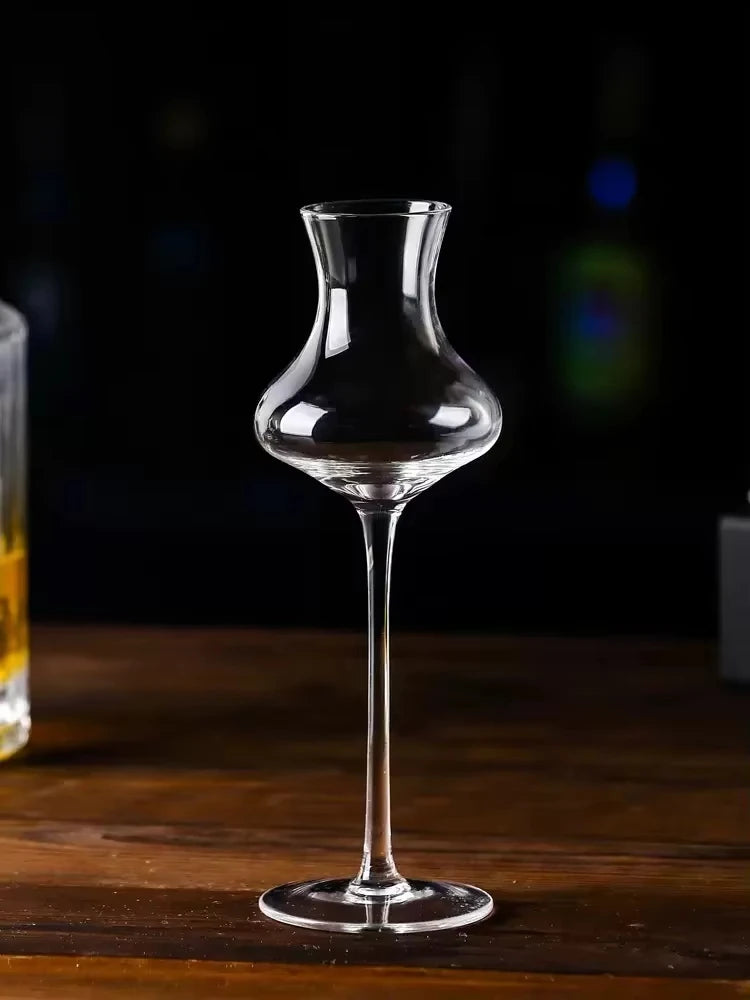
Whiskey glass
Whisky glass: choose wisely for a better tasting experience
Pour the same single malt into a tumbler and a tulip glass . Bring them to your nose, one after the other. The difference is striking: the tumbler allows the aromas to dissipate, while the tulip concentrates them. You perceive notes you'd never noticed before. It's a bit like listening to a song on headphones after hearing it on a phone speaker. The glass doesn't make the whisky, but it certainly changes what you perceive.
At Limonadier , we've been selecting whisky glasses for years. We've tested dozens, broken quite a few, and kept only the best. This guide will help you find the perfect glass for your needs: neat tasting, on the rocks, or cocktails. And if you see a glass you like, you'll find it in our collection just below, ready to order.
The different types of whisky glasses
The tumbler (Old Fashioned)
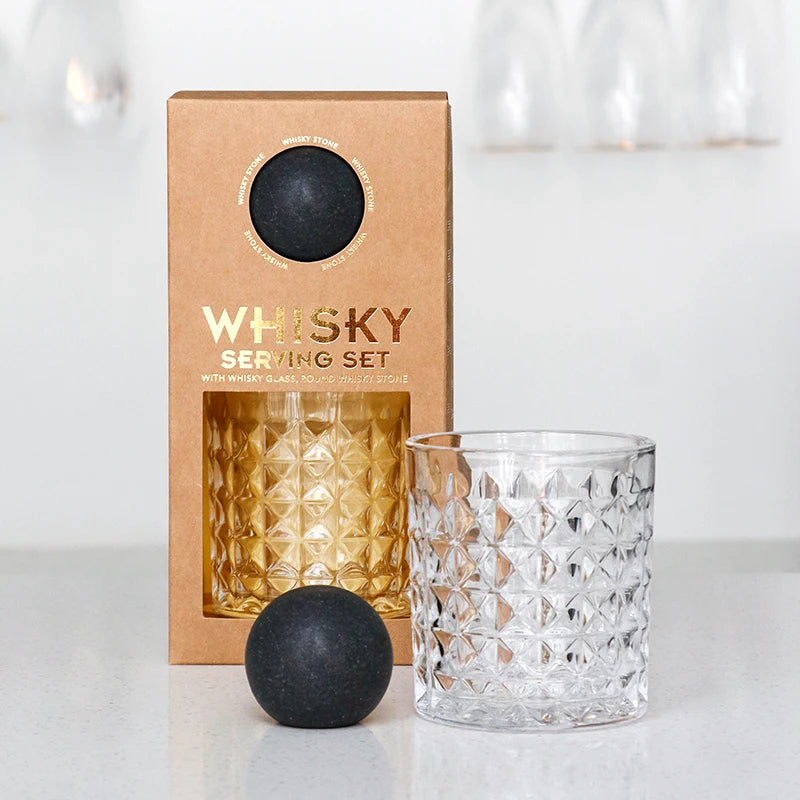
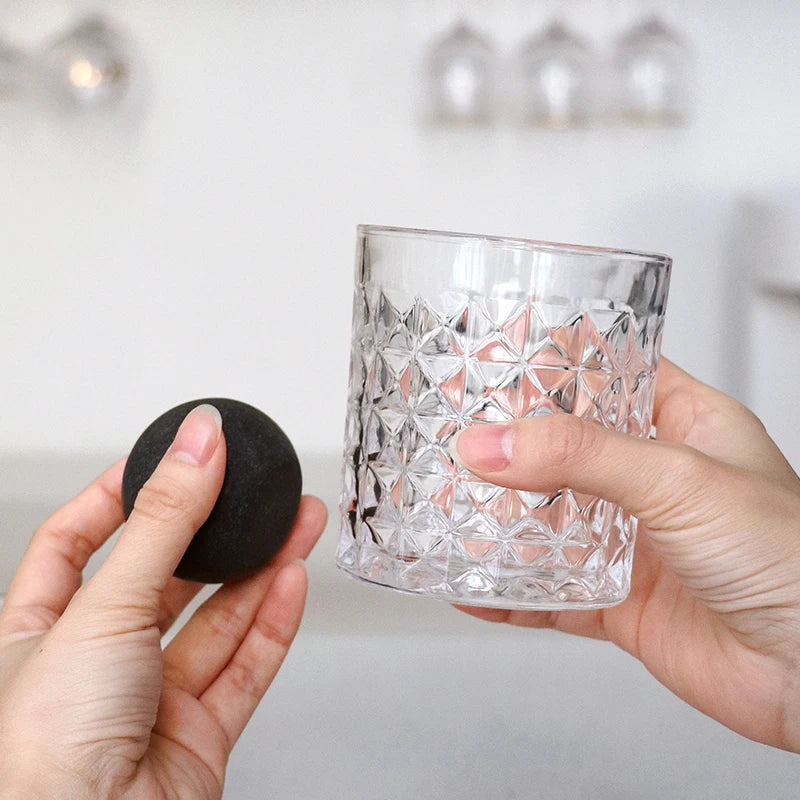
This is the classic whisky glass everyone knows. Thick base, straight sides, squat shape. You see it in movies, bars, and advertisements. Its 250-300 ml capacity leaves room for ice cubes, ice stones for whisky, or a splash of soda.
Its wide opening doesn't concentrate the aromas. This is precisely its advantage for whiskies served chilled or in cocktails: the alcohol is less harsh and the experience becomes smoother. Sturdy, easy to hold, and dishwasher safe, it's the perfect everyday glass.
Expect to pay €15 to €25 for a good quality tumbler. See our tumblers in the collection below.
The Glencairn
Created in 2001 by the Scottish crystal manufacturer Glencairn Crystal, this glass was designed for one purpose only: enjoying neat whisky. Its wide base allows you to swirl the liquid and observe its color. Its narrow neck traps the aromas and directs them towards the nose.
The Glencairn is the benchmark in distilleries, lounges, and tasting clubs worldwide. The Glencairn Crystal brand enjoys a solid reputation: it is the only glass officially approved by the Scotch Whisky Association. More than 3 million are sold each year.
Our 190ml Glencairn is available for €11.99. If you only have time to buy one glass, this is the one.
The tulip glass (copita)
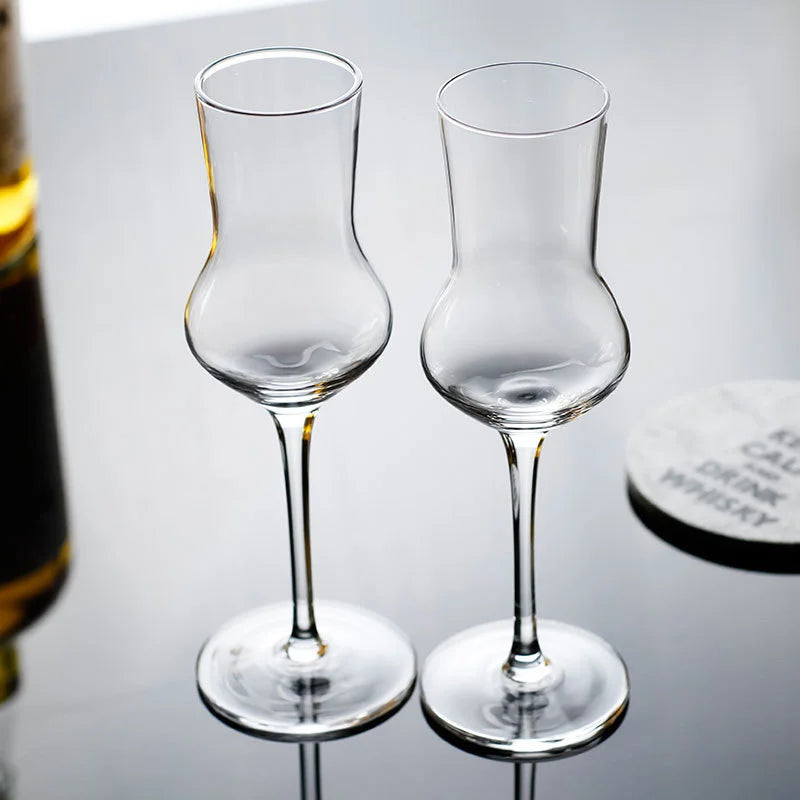
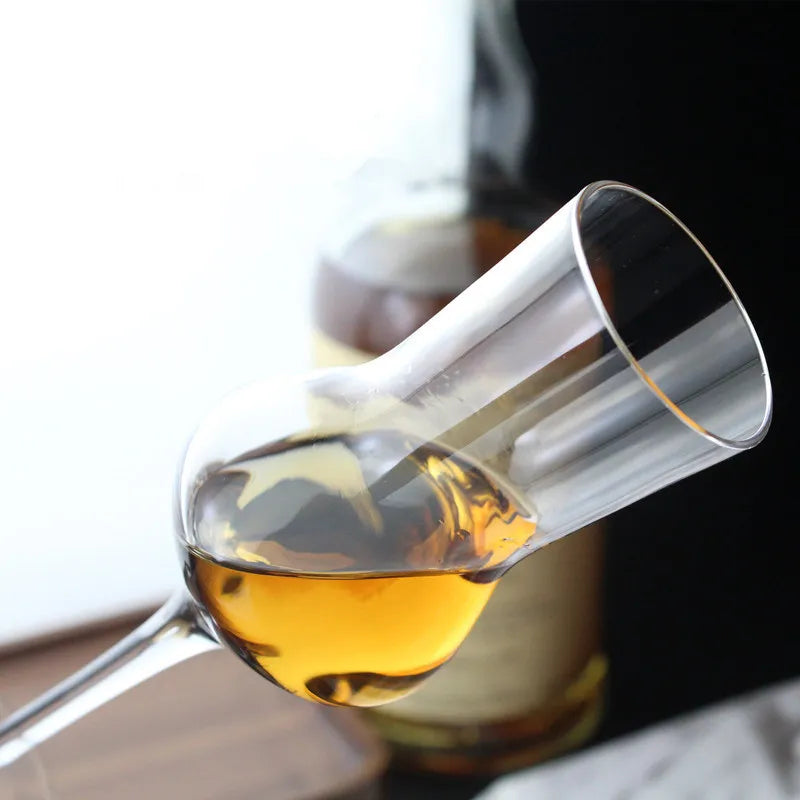
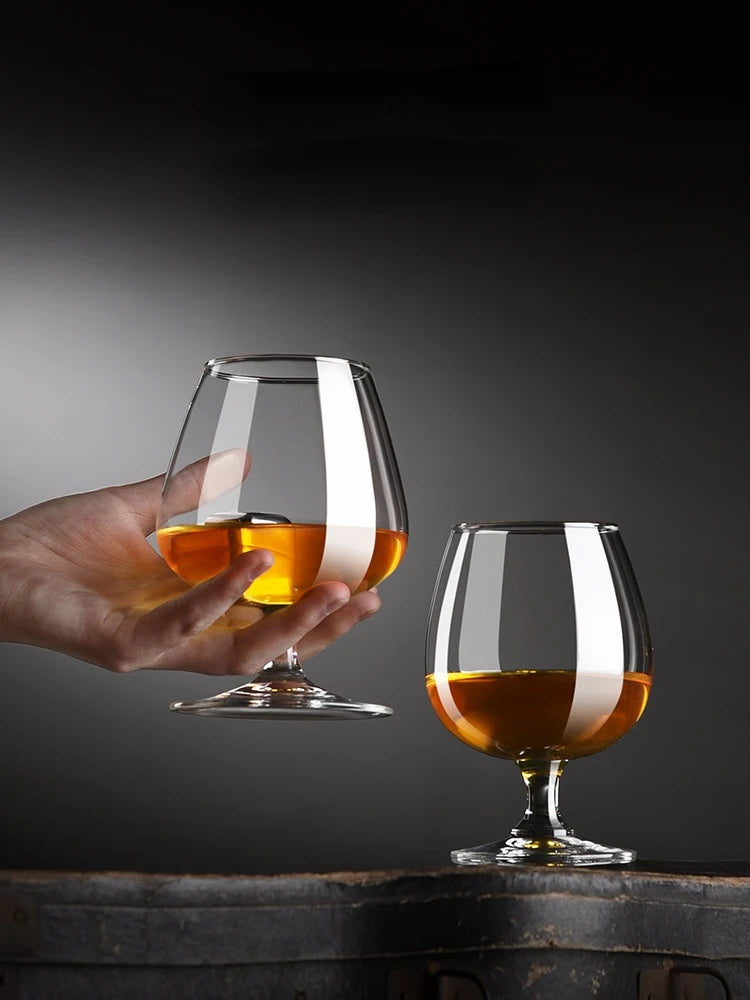
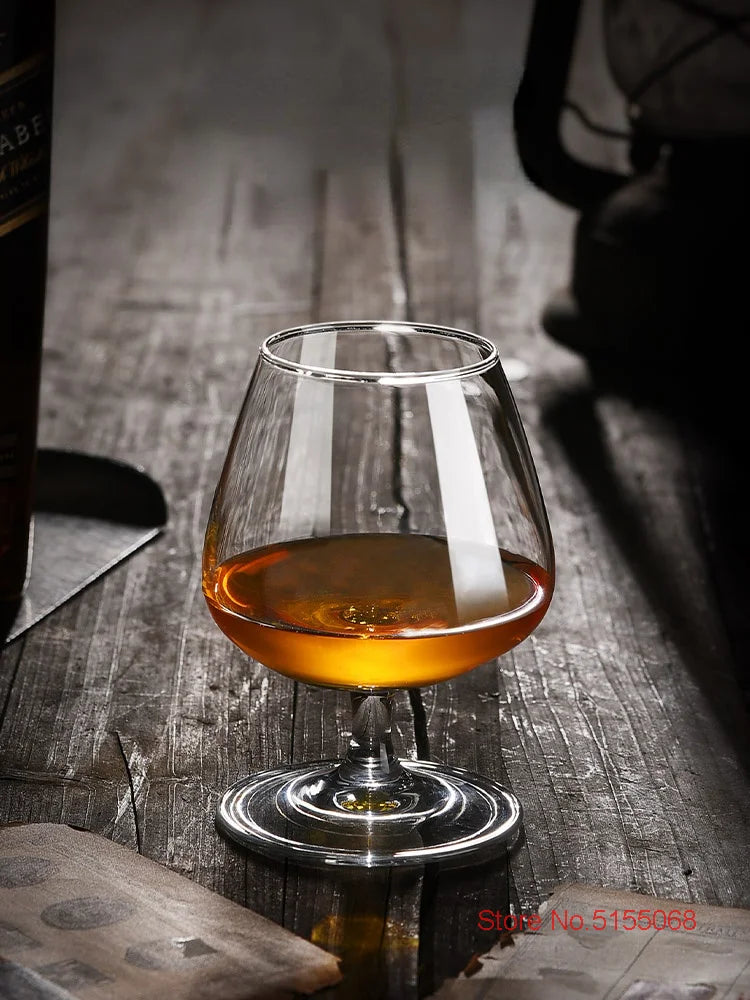
Before Glencairn, Scottish cellar masters used the copita, a small stemmed glass borrowed from Spanish sherry tasters. Its tulip shape on a long stem offers a key advantage: your fingers don't touch the bowl, so your hand doesn't warm the whisky.
This is the glass for analysis. Its narrow neck offers maximum aromatic concentration. For dissecting a rare whisky or comparing two expressions side by side, this is the one you need. It also works with cognac, armagnac, and aged rum. Price: from €19.99 to €35 depending on the model. See our tulip glasses for whisky .
Japanese glass
Japan has developed its own unique approach to glassmaking. Japanese glasses are distinguished by their thin walls (sometimes 1.5 mm), clean designs, and craftsmanship inherited from the Edo Glass tradition. Their wider opening compared to Glencairn glasses is well-suited to Japanese whiskies: light, subtle, and lightly peated.
This is our specialty at Limonadier, and what sets us apart from other shops. We offer about ten models that you won't find anywhere else: the Mountain with its 3D relief, the Snow with its frosted texture, the Kobe with its iridescent sheen. Most come in a wooden box. Price: from €19 to €40. These are our best-selling gifts. Customers often come back to order a second one for themselves.
NEAT (Naturally Engineered Aroma Technology)
This glass was born from an accident. A glassblower botched a piece, and the result turned out to be better than expected: the flared shape dissipates the ethanol vapors while allowing the aromatic molecules to pass through. You smell the spirit, not the alcohol.
NEAT is still relatively unknown in France, but it's gaining popularity. Its modest size (80 to 100 ml) makes it ideal for neat sipping. If cask strength whiskies above 50% ABV burn your nose, give it a try.
Current trends in design
The market has evolved considerably in recent years. Double-walled models are emerging, insulating the beverage from contact with the hand. Textured and sculpted bases (mountain relief, geometric patterns) appeal to enthusiasts who want a decorative object as much as a tasting tool. In terms of color, smoked, amber, or black finishes are gaining ground over classic transparent ones.
Japanese influence is the most striking trend. Artisans are reviving Edo Kiriko techniques (cold-cutting on crystal) to create unique pieces that blur the lines between art and function. At Limonadier, this is what inspired us to develop our Japanese collection: each piece tells a story, beyond its simple function.
Which glass for which whisky?
The table below summarizes the pairings that work best. These aren't hard and fast rules: if you like to drink your Lagavulin from a tumbler with two ice cubes, we won't judge (we all have our little habits). But if you're looking to get the most out of a good bottle, the right container helps.
| Type of whisky | Recommended glass | For what |
|---|---|---|
| Single malt Scotch | Glencairn or tulip | Concentrates complex aromas, ideal for pure tasting |
| Peated whisky (Islay) | Glencairn | It channels the smoky notes without saturating the nose. |
| Bourbon / Rye | Tumbler | Wide opening suitable for ice cubes and the vanilla notes of oak |
| Japanese whisky | Japanese glass or copita | Thin walls that preserve the light and fruity aromas |
| Blend (assembly) | Tumbler | Versatile glass for casual use, with or without ice |
| Whisky cocktails | Tumbler (large capacity) | Space for ice cubes, the mixture, and the garnish |
Serving temperature is just as important as the glass. A single malt is best enjoyed between 15°C and 18°C. If you add water or ice cubes, the shape of the glass influences the rate of dilution.
Crystal, crystalline or glass: which material to choose?
Crystal contains at least 24% lead oxide. It is the most prestigious material: exceptional brilliance, a clear ring when tapped, and thin walls. It is also the most fragile and the most expensive. Hand washing is essential. Expect to pay between €30 and €80 per glass. Major brands operate in this category: Baccarat (French crystal manufacturer since 1764), Saint-Louis (the oldest glassworks in Europe), and Riedel (an Austrian manufacturer renowned for its tasting glasses). These are brands whose reputation is well established in the world of spirits.
Lead-free crystal offers a good compromise. It has the same brilliance, but without lead oxide. It's more durable and dishwasher-safe in most cases. This is the material used for our handcrafted Japanese glasses. Price: €19 to €45.
Soda-lime glass is the industry standard. Thicker, heavier, and more durable. Less brilliant than crystal, but perfectly adequate for everyday use. Dishwasher safe. The French brands Duralex and Luminarc (part of the Arc International group, manufacturers since 1825) are the leading brands in this category. Price: €5 to €20.
Comparison of whisky glass brands
To help you see things more clearly, here is a comparison of the brands we recommend, from entry-level to high-end:
| Brand | Origin | Material | Unit price | Ideal for |
|---|---|---|---|---|
| Glencairn Crystal | Scotland | Soda-lime glass | €11.99 – €20 | Pure tasting, first purchase |
| Edo Glass artisans (our Japanese models) | Japan | Lead-free crystalline | €19 – €40 | Gift, collection, light whiskies |
| Riedel | Austria | Crystal / crystalline | €30 – €60 | Discerning enthusiasts, food and spirits pairings |
| Baccarat | France | Lead crystal | €80 – €200+ | Prestige, luxury gift |
| Duralex / Luminarc | France | Tempered glass | €5 – €15 | Everyday use, bars, cocktails |
At Limonadier, we position ourselves in the Glencairn + Japanese craftsmanship niche. This is where the quality-pleasure ratio is most appealing: beautiful and functional pieces at prices that remain accessible.
The best whisky glasses in our shop
We selected each model for its quality craftsmanship and value. Our bestseller: the 190ml Glencairn at €11.99, true to the format created by Glencairn Crystal in Scotland. Made with Japanese glass, our Montagne, Neige, Mont Fuji, and Kobe models (€19 to €40) are hand-blown crystal in the Edo Glass tradition. For concentrated tastings, our 80ml Laphroaig is ideal.
Browse the full selection below. We also offer discounted bundles to equip your entire table at once.
3 classic cocktails, 3 different containers
Whisky isn't only drunk neat, and thankfully so. Here are some classic recipes where the vessel plays a role:
Old Fashioned — Bourbon, sugar, Angostura bitters, orange peel. Prepared and served in a tumbler. The thick base supports the muddler. It's THE quintessential cocktail.
Whisky Sour — Bourbon or rye, lemon, syrup, egg white. A tumbler or coupe glass is suitable. The egg white creates a smooth foam on top.
Irish Coffee — Irish whiskey, hot coffee, sugar, whipped cream. Served in a heat-resistant borosilicate Irish Coffee glass .
How to choose the right glass for your needs
No need to complicate things. Ask yourself these questions:
Are you a beginner or a seasoned enthusiast? If you're new to whisky, a tumbler or an entry-level Glencairn (€11.99 to €20) will do the trick. You don't need high-end crystal to learn to identify aromas. If you regularly enjoy single malts, upgrade to a copita or a handcrafted Japanese glass.
Neat or in a cocktail? For neat tasting, choose a narrow-necked glass (Glencairn, tulip, copita). For cocktails and whiskies on the rocks, use a tumbler. If you plan to do both, buy one of each.
For yourself or as a gift? Gift sets make all the difference. Our Japanese whisky glasses, presented in a wooden box, make an elegant gift between €25 and €40. For a whisky enthusiast, a set of two Glencairn glasses is always a safe bet. Our customers often tell us it's the most surprising gift.
Where can I buy whisky glasses online?
At Limonadier, all our products qualify for free delivery on orders over €10. We offer whisky glasses individually or in sets (2, 4, or 6 pieces) with tiered pricing. Each glass is shipped within 48 hours in reinforced packaging. Zero breakage since we started our business.
Our ranges cover all uses: Glencairn glasses from €11.99, tulip glasses from €19.99, handcrafted Japanese glasses from €19 to €40, and whisky decanters to complete your set. As for accessories, our whisky stones keep your drink at the perfect temperature without diluting the flavors.
Many of our customers start with a Glencairn, then return a few months later for a Japanese glass or a gift set. It's understandable: once you've tasted the difference a good glass makes, you'll never go back. Explore our complete collection and find the perfect glass for your bar.
Frequently Asked Questions (FAQ)
What is the best glass for enjoying a neat whisky?
The Glencairn glass. Its narrow neck concentrates the aromas and directs them towards the nose. It's the glass used in most distilleries and tasting rooms. At Limonadier, it's available from €11.99.
What is the difference between a tumbler and a Glencairn?
The tumbler has a wide opening: the aromas disperse quickly, making it suitable for cocktails and whiskies served on the rocks. The Glencairn has a narrow neck that traps the aromas: it is designed for enjoying at room temperature.
What size whisky glass should I choose?
For neat tasting, 150 to 200 ml is sufficient (never fill beyond one-third). For cocktails and whiskies on the rocks, use 250 to 300 ml to leave room for ice.
Crystal or classic glass: what difference does it make?
Crystal is thinner, brighter, and lighter in the hand. It offers a better visual appreciation of the whisky's color. Classic glass is thicker and more durable, suitable for everyday use. Crystalline (lead-free crystal) combines the best of both worlds.
How to care for your whisky glasses?
Standard glassware is dishwasher safe on a delicate cycle. Crystalware should be hand-washed in warm water with mild soap. Dry with a lint-free cloth to prevent limescale buildup.
Are Japanese glasses suitable for Scotch whisky?
Yes. Our Japanese crystal glasses work with all whiskies. Their slightly wider opening than the Glencairn makes them versatile. A peaty Islay tastes just as good in them as a light Japanese whisky.
What whisky glass should I give as a gift?
A Japanese glass in its wooden box (€25-40) always makes an impression. For those on a tighter budget, a set of two Glencairn glasses (from €20) is appreciated by all enthusiasts.
Can a whisky glass be used for other spirits?
Yes. Glencairn and Copita glasses also work for cognac, Armagnac, aged rum, and mezcal. A tumbler is suitable for all cocktails. A good glass isn't just for whisky.
Which are the most reputable brands?
Glencairn Crystal (Scotland) is the accessible benchmark. Riedel (Austria) and Baccarat (France) are positioned at the high end. For everyday use, Duralex and Luminarc offer durable models at affordable prices. At Limonadier, we work with Japanese artisans specializing in Edo Glass crystal, a skill still rare in Europe.

Discover our news in preview
Newsletter
Subscribe to our newsletter and enjoy 10% off