
How Much Cognac Should I Pour into a Glass?
How Much Cognac Should I Pour into a Glass?
Hook : The other night, I wanted to impress my friends with an XO I'd found at a wine shop in Cognac. I filled the cognac glasses to the brim, thinking I was making a grand statement. Big mistake: the aromas were stifled, impossible to swirl, and I wasted half the bottle. (My friend Claire teased me about it for weeks!) Since then, I've been wondering: how much should I pour to bring out the best in a cognac? We'll figure it out together, don't worry, it's simpler than it seems.

Why does the quantity of Cognac matter?
For Limonadier, pouring the right amount of cognac per glass is crucial; it's not just a matter of elegance. It changes everything: the oxygenation, the perception of aromas, the pleasure on the palate. Too much, and you drown out the nuances. Too little, and the experience is frustrating. A wine merchant once told me, "A cognac is like a perfume; you need just the right amount for it to express itself." And he's right. An article I recently read on a spirits blog mentioned that about 80% of amateur tasters get the amount wrong. Let's avoid that.
Question : What is the ideal amount of cognac in a glass?
Answer : 3-5 cl for a pleasurable tasting, 2-3 cl for a rare vintage, 5-8 cl in a convivial setting.

The Rule of Fifth: Your Basic Guide
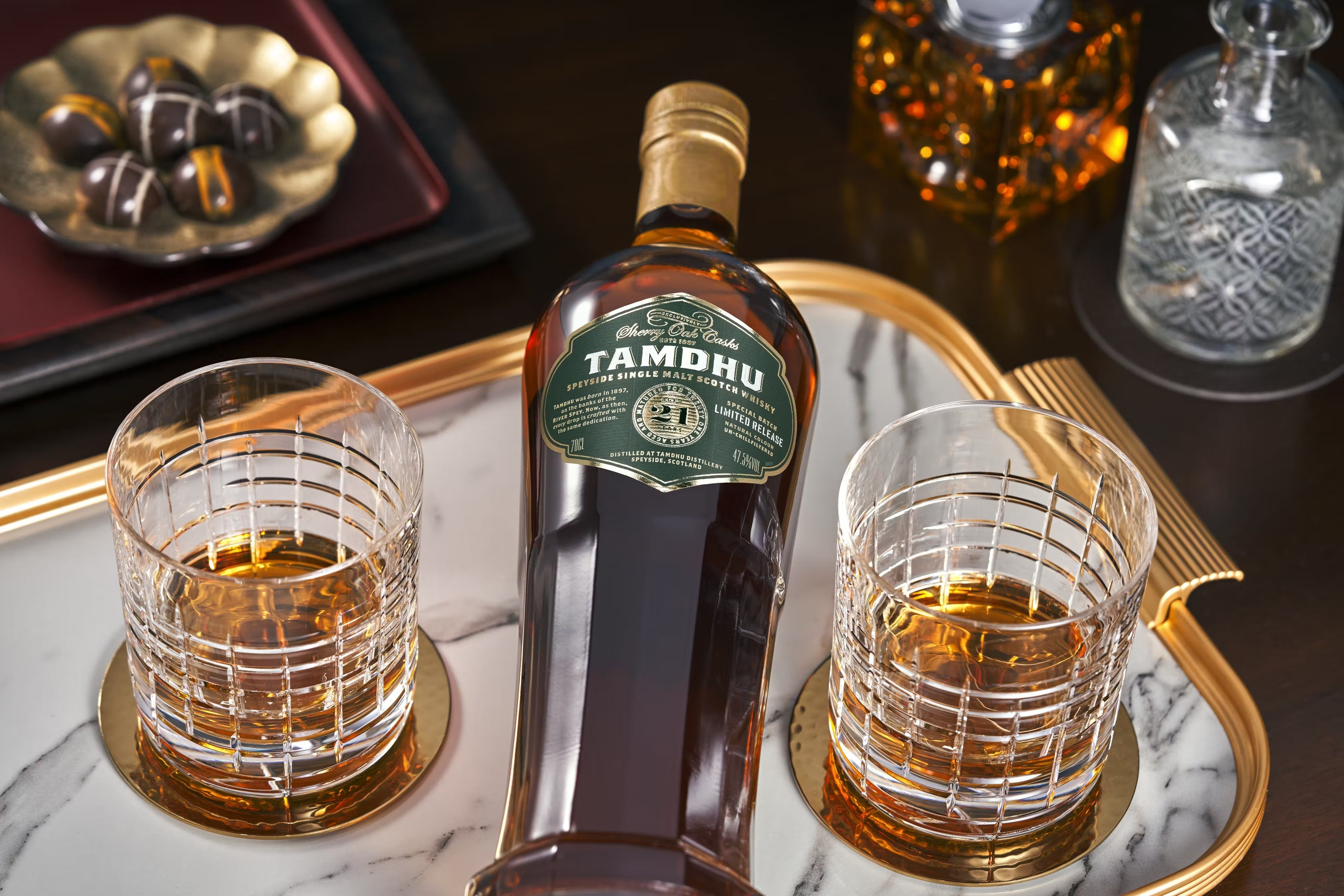
Unlike wine, where you fill the glass to one-third full, with cognac, you aim for one-fifth of the glass's capacity. Why? Cognac, with its 40% alcohol content (compared to 12-14% for wine), is more concentrated. A small amount is enough to release its aromas. A 15 cl glass? Pour 3 cl. That leaves 4/5 of the glass empty – the essential aromatic chamber for capturing the fruity, woody, or spicy notes. A larger glass allows you to swirl it without spilling, which helps with aeration. (Incidentally, I learned this the hard way after soaking my shirt with VSOP during a dinner in Paris.)
Why Not More?
Overfilling (like 8-10 cl in a 15 cl glass) is a disaster. Not enough air for the aromas, which get trapped. It's like listening to a symphony with earplugs. And you can't swirl the glass without spilling it everywhere. A sommelier explained to me that the surface area in contact with the air needs to be large for the cognac to "breathe."
Quantity by Context: Find the Right Dose
The amount of cognac for tasting (a secondary keyword) depends on the occasion. Here's what I've learned after years of testing (and a few memorable failures):
Professional Analytical Tasting (2-3 cl)
For a professional tasting, like a competition or analysis, experts pour 2-3 cl . Why so little? It allows you to taste several samples without overwhelming your palate. A tulip glass (10-15 cl) is perfect, filled to one-fifth. You observe, you smell, you taste in small sips. (I saw this in a workshop in Cognac, and frankly, I was amazed by the precision of the professionals.)
Amateur Pleasure Tasting (3-5 cl)
For a pleasant tasting at home, 3-5 cl is ideal. This is the standard for a standard cognac glass (secondary keyword). It provides enough to appreciate the aromas without wasting any of the product. In a 20 cl balloon glass, 4 cl is sufficient for a delightful experience. That's what I do now when I open my favorite VSOP.
Friendly setting (5-8 people)
For after-dinner drinks with friends, you can be more generous: 5-8 cl . It's still respectful of the cognac, but it creates a warm atmosphere. Just be careful, choose a larger glass (25-30 cl) to preserve the aromatic chamber. (One evening, I poured 6 cl for each person as an aperitif, and everyone was delighted – except my wallet.)
Great Occasion, Rare Vintage (2-4 cl)
For a vintage or Hors d'Âge cognac, be stingy: 2-4 cl . These gems are rare, and every drop counts. A tulip glass, 2-3 cl, and you observe the evolution minute by minute. It's almost meditative. (I remember a 1975 vintage shared with my father… I still get chills thinking about it.)
Question : How much should you pay for an XO cognac?
Answer : 3-4 cl in a tulip glass, to respect its complexity and avoid over-oxidation.
Adapt according to the type of Cognac
The amount of cognac per glass also varies depending on the type of cognac. Each category has its own requirements:

VS and VSOP: Generous, but not too much (4-6 cl)
VS (Very Special) and VSOP (Very Superior Old Pale) are fruity and approachable. They can handle a slightly larger pour: 4-6 cl . Their straightforward profile (apples, vanilla) develops beautifully with a bit more volume. Perfect for a relaxed evening. But avoid pouring more, otherwise the alcohol will overpower the other flavors.
XO and Hors d'Âge: Measured and Respectful (3-4 cl)
XO (Extra Old) and Hors d'Âge rums are complex, with notes of leather, dried fruit, or rancio. Pour 3-4 cl to allow them to develop slowly. A tulip glass is ideal. I once tried an XO by pouring 5 cl, and it was too much: the alcohol masked the nuances.
Rare Vintages: Minimalist (2-3 cl)
For a rare vintage, 2-3 cl is enough. You want to savor every tiny sip. A smaller glass (10-12 cl) allows you to concentrate the aromas. (A wine merchant in Jarnac let me taste a 1969 like that, and it was… pff, indescribable.)
The Role of Glass: It Changes the Game
The type of glass influences the measurement of a cognac glass (secondary keyword). Here are the main points:
- Cognac tulip glass (10-15 cl) : Perfect for professional tastings or vintages (2-3 cl). The narrow shape concentrates the aromas.
- Balloon glass (20-30 cl) : Classic for connoisseurs, 3-5 cl for enjoyment, 5-8 cl for conviviality. Large aromatic chamber.
- INAO glass (15-20 cl) : Versatile, 3-4 cl for a balance between professional and amateur use. (I use this at home, it's my go-to.)
A spirits blog explained that the balloon glass, while traditional, can be less precise than the tulip glass for delicate aromas. But hey, it depends on your mood.
Question : Which glass for which quantity of cognac?
Answer : Tulip (2-3 cl, pro/vintage), balloon (3-5 cl pleasure, 5-8 cl convivial), INAO (3-4 cl versatile).
Common Mistakes to Avoid
I made quite a few mistakes before I figured it out (and I still make them, oops). Here are the classic pitfalls:
- Overfilling : More than 8 cl in a 15 cl glass? The aromas are overwhelmed, impossible to swirl. Solution: stick to the one-fifth mark.
- Too Little (<2 cl) : Frustrating, heats up too quickly, not enough to appreciate. Minimum 2 cl, always.
- Uniform Serving : Pouring the same amount for a VS and an XO is not recommended. Adapt to the type (VS: 4-6 cl, XO: 3-4 cl).
- Don't confuse it with wine : Cognac has three times the alcohol content. Don't just pour a third of a glass, otherwise you'll have a cocktail, not a tasting.
A sommelier friend told me: "Treat cognac like a treasure, not like orange juice." That stuck with me.
Pro Tips for Proper Dosing
- Test it first : Pour 2 cl into a glass and taste it. Too weak? Add another 1-2 cl. This avoids costly mistakes.
- Use a measuring device : A pouring spout or a jigger (3 cl) to be precise, especially for vintages.
- Suitable for the occasion : Chill night? 5 cl. Serious tasting? 2-3 cl. (I have an engraved jigger that my sister gave me, it always makes an impression.)
- Double serving for guests : Pour 3 cl, wait 5 min, add more if needed. This keeps you in control.
Conclusion: The Right Dose, It's Up to You
Finding the right amount of cognac per glass is a balance between respecting the product and personal enjoyment. The rule of fifths (3-5 cl for most) is your starting point. Adapt it to the context – professional, for pleasure, social – and to the type of cognac – generous versus a more restrained XO, a precious vintage. Test, adjust, trust your instincts. (I wonder if Claire will ever forgive me for this XO fiasco…) So, ready to pour just the right amount for your next cognac? Share your tips in the comments!
Our latest report: The Dalmore Luminary No. 3 : the distillery's newest release.
And if you would like to learn more about Port wine, check out this blog post on aerating Port wine .


Leave a comment
This site is protected by hCaptcha and the hCaptcha Privacy Policy and Terms of Service apply.